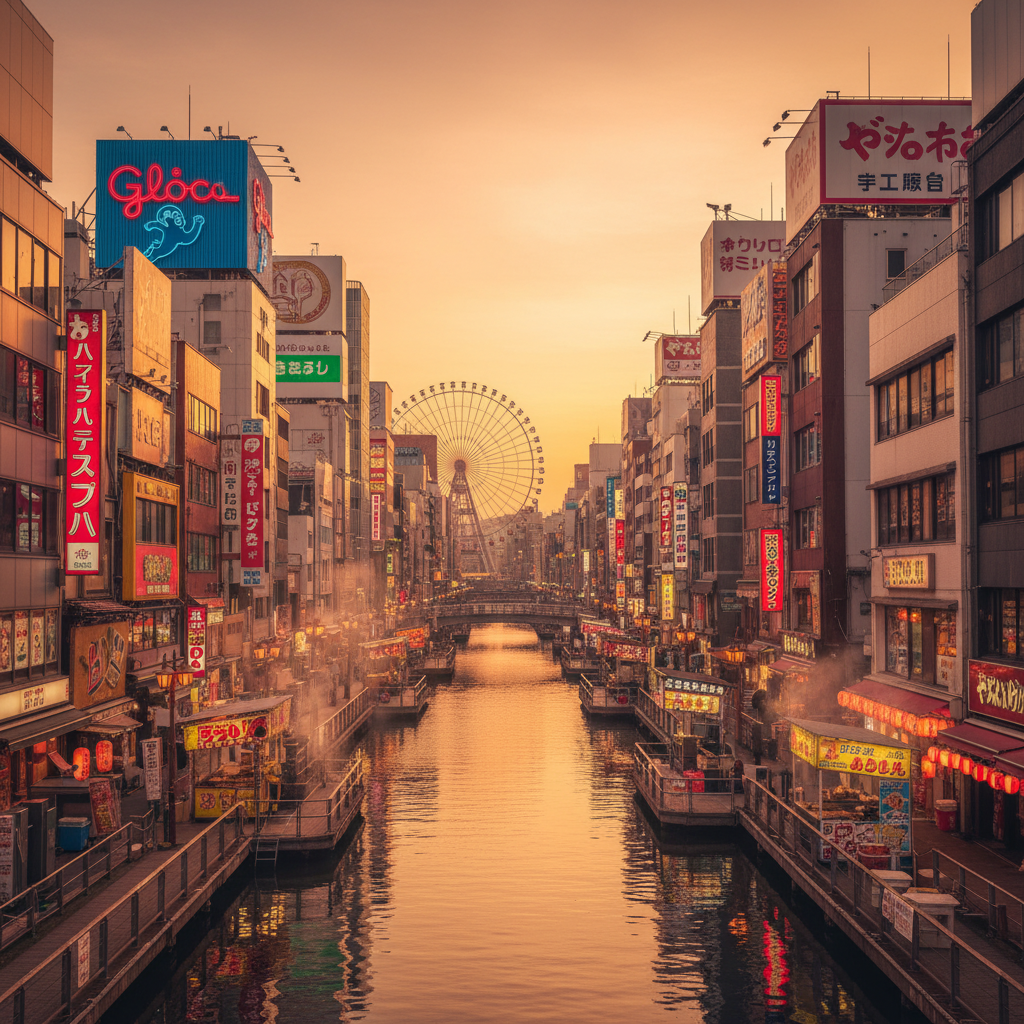
Osaka Food & Culture: 5-Day Culinary Adventure in Japan's Kitchen
Dive into Osaka's vibrant food scene and rich culture with this 5-day itinerary. Discover Japan's 'eat until you drop' city, from street food to historic temples.
- Duration: 5 Days
- Estimated Budget: $600–$1,400
- Best Time to Visit: March-May (cherry blossoms) and October-November (autumn foliage) for ideal weather and festivals.
- Destination: Osaka, Japan
Osaka, often called Japan's kitchen, is a city that genuinely lives up to its 'kuidaore' (eat until you drop) motto. This 5-day guide is your passport to its boisterous charm, chaotic energy, and, most importantly, its unparalleled culinary delights, offering a distinctly different Japanese experience from its more serene neighbors.
At the heart of Osaka's culinary landscape lies a vibrant street food scene that demands exploration beyond the well-trodden paths. While many guides might point you to the most obvious spots, our journey will take you deeper, into the bustling alleys and hidden corners where local legends are born. You'll discover the subtle art of making perfect takoyaki, not just eating it, and learn why the texture of a truly authentic okonomiyaki is a fiercely debated topic among Osakans. This isn't just about tasting; it's about understanding the passion and history baked into every bite, from the sizzling griddles to the steaming pots that line the lively thoroughfares. Prepare to have your taste buds awakened to a symphony of flavors that define this city's gastronomic soul.
Where do you find the most captivating glimpses into Osaka's unique cultural identity, beyond the bright lights of its famous entertainment districts? This guide steers you towards experiences that showcase the city's spirited, down-to-earth character. You'll wander through markets where vendors banter with customers, witness traditional crafts being practiced with meticulous care, and stumble upon small, family-run eateries that have been serving the same beloved dishes for generations. It’s in these genuine interactions and unpretentious settings that Osaka truly reveals itself, offering a refreshing contrast to the more formal elegance found elsewhere in Japan. Get ready to immerse yourself in a city that celebrates its individuality with every laugh, every dish, and every vibrant street scene.
A crisp morning breeze carries the tantalizing aroma of freshly grilled seafood and savory broths through the air, signaling the start of another delicious day in this dynamic metropolis. From the moment you step off the train, you'll feel the city's infectious energy, a palpable buzz that encourages spontaneous exploration and culinary adventure. This itinerary is crafted to help you navigate Osaka's delightful chaos, ensuring you don't miss a single essential flavor or cultural nuance. We’ll guide you through the best times to visit bustling food halls, how to spot the most authentic noodle shops, and where to find the perfect quiet corner for a reflective moment amidst the urban excitement. Embrace the city's lively rhythm and let your senses lead the way through its endless gastronomic wonders.
Osaka's Grand Welcome: Dotonbori's Neon Glow and Culinary Delights
Arrive at Kansai International Airport (KIX) and take the Haruka Express to Osaka Station, then transfer to your hotel in Namba or Shinsaibashi.
The Haruka Express is the fastest and most convenient way to get from KIX to central Osaka. Settling into your accommodation quickly means more time for exploring.
Immerse yourself in the vibrant chaos of Dotonbori, Osaka's most famous entertainment district, known for its dazzling neon signs and lively atmosphere.
Dotonbori is the beating heart of Osaka's 'kuidaore' (eat until you drop) culture. Witness iconic landmarks like the Glico Running Man and the giant moving crab.
Savor authentic takoyaki at Aizuya, the birthplace of these iconic octopus balls, a must-try street food in Osaka.
Aizuya has been perfecting takoyaki since 1933, offering a taste of history and tradition. Their original recipe is simple yet profoundly delicious, letting the fresh octopus shine.
Experience Osaka-style okonomiyaki at Mizuno, one of Dotonbori's most renowned establishments for this savory pancake.
Mizuno consistently ranks as one of the best okonomiyaki spots, offering a true taste of Osaka's culinary identity. The experience of watching it cooked fresh on the griddle in front of you is part of the fun.
Stroll through Hozenji Yokocho, a narrow, atmospheric alleyway that feels like a step back in time, illuminated by traditional lanterns.
This charming alley offers a serene contrast to the bustling Dotonbori, with its moss-covered Fudo Myoo statue and traditional izakayas. It's a perfect spot for a quiet evening drink or a moment of reflection.
Leif's Tip: Upon arrival, resist the urge to nap. The best way to beat jet lag is to immerse yourself immediately in the local time zone. Head straight out to Dotonbori to embrace the energy and excitement of Osaka's nightlife and culinary scene, letting the city's vibrant rhythm reset your internal clock.
Navigating Osaka's sprawling culinary landscape can feel like trying to catch smoke – every corner promises a new, irresistible aroma, and separating the truly authentic local gems from the tourist-focused imitations requires a deep, insider understanding. You might find yourself overwhelmed by the sheer volume of choices in areas like Dotonbori, wondering which takoyaki stand truly offers the perfect crispy exterior and gooey interior, or which okonomiyaki joint serves the most legendary Osaka-style pancake. The challenge isn't just finding food; it's finding the *best* food, the places where locals queue, the spots with generations of history, and avoiding the common pitfalls of generic chain eateries. This is precisely where Leif steps in, cutting through the noise to deliver a curated experience that aligns perfectly with your desire to 'eat until you drop' in the most delicious way possible.
At Kuromon Ichiba Market, you might arrive eager to sample the freshest seafood, only to be paralyzed by choice, unsure which vendor offers the best grilled scallops or the most pristine sea urchin. Leif's guidance ensures you walk directly to the stalls known for their exceptional quality and unique offerings, perhaps even suggesting a specific time to visit for the day's freshest catch. Instead of wandering aimlessly through the bustling aisles, you'll confidently move from a vendor selling perfectly seared wagyu skewers to another renowned for their sweet, succulent fruit, all while understanding the local customs and best practices for enjoying this 'kitchen of Osaka.' This isn't just a list of places; it's a meticulously planned route designed to maximize your culinary discoveries and cultural immersion.
The rich, savory scent of simmering broth and sizzling griddles will become the soundtrack to your Osaka adventure, a constant reminder of the city's vibrant gastronomic heart. With Leif as your guide, you'll experience the pure joy of discovering hidden eateries, savoring dishes that tell stories of generations, and feeling the infectious energy of a city that truly lives to eat. You'll leave not just with a full stomach, but with a deep appreciation for Osaka's unique culture, its boisterous charm, and the unforgettable flavors that define it. Get ready to embark on a culinary journey that will forever change your perception of Japanese food and leave you dreaming of your next bite in this incredible city.
Best Time to Visit Osaka, Japan
Spring (March-May) for cherry blossoms and pleasant weather, though it's also peak tourist season. Book accommodations and popular restaurants well in advance.
Autumn (October-November) offers comfortable temperatures, beautiful fall foliage, and fewer crowds than spring. It's ideal for exploring on foot.
Avoid the summer months (July-August) if you're not a fan of heat and humidity. Osaka can get quite muggy, though festivals are abundant.
Winter (December-February) is generally mild and dry, with fewer tourists. It's a great time for indoor activities and enjoying hearty Osaka cuisine.
Getting Around Osaka, Japan
Get an ICOCA card (or Suica) at Kansai International Airport (KIX) immediately. It's essential for seamless travel on all trains, subways, and buses in Osaka and beyond, and even works at many convenience stores.
Osaka's subway system is incredibly efficient and easy to navigate. Most major attractions are within walking distance of a subway station.
For day trips to Nara or Kyoto, utilize the Kintetsu Line for Nara (from Namba) and the Shinkansen (bullet train) for Kyoto (from Shin-Osaka Station) for speed and convenience.
Walking is often the best way to experience Osaka's vibrant neighborhoods like Dotonbori and Shinsekai. Wear comfortable shoes, as you'll be doing a lot of exploring.
What to Pack
- Comfortable walking shoes – you'll be on your feet a lot, especially exploring markets and shopping streets.
- Layers of clothing – Osaka's weather can change, and you'll be moving between indoor and outdoor environments.
- A portable power bank – for keeping your phone charged for navigation, photos, and translations.
- A small umbrella or rain jacket – unexpected showers can happen, especially outside of the dry seasons.
- A reusable shopping bag – Japan is conscious about plastic, and you'll likely pick up souvenirs and snacks.
- Cash (yen) – while cards are accepted in many places, smaller shops, street food stalls, and some restaurants are cash-only.
- A translation app or phrasebook – while many people in tourist areas speak English, having a way to communicate basic phrases is helpful.
- Hand sanitizer – especially useful after handling money or before eating street food.
Money-Saving Tips
- Embrace convenience store meals. FamilyMart, 7-Eleven, and Lawson offer surprisingly delicious and affordable bentos, onigiri, and snacks for quick lunches or late-night bites.
- Look for lunch specials (teishoku) at restaurants. Many establishments offer excellent value sets during lunchtime that are significantly cheaper than dinner.
- Utilize the subway day pass if you plan on making multiple trips. The Osaka Amazing Pass can also be a good deal if you plan to visit several attractions with entrance fees.
- Eat street food! Osaka is the capital of street food, and you can have incredibly satisfying and delicious meals from takoyaki, okonomiyaki, and kushikatsu stalls for a fraction of restaurant prices.
- Consider staying in a budget-friendly hotel like Dormy Inn Premium Namba. The onsen access adds great value, and the location is excellent for exploring.
Local Insights
- Always carry a small trash bag. Public trash cans are rare in Japan, and it's customary to take your trash with you until you find one, often at convenience stores.
- When eating street food, try to eat it right in front of the stall where you bought it. Walking and eating is generally frowned upon, especially on crowded streets.
- Learn a few basic Japanese phrases like 'Arigato gozaimasu' (thank you), 'Sumimasen' (excuse me/sorry), and 'Oishii' (delicious). Locals appreciate the effort.
- Be mindful of noise levels, especially on public transport and in residential areas. Osakans are known for being boisterous, but there's still a general expectation of politeness.
- Don't be afraid to queue! The best food spots in Osaka often have lines, but they move efficiently, and the wait is almost always worth it for the authentic experience.
Frequently Asked Questions
What's the best way to get around Osaka for a food and culture trip?
Osaka has an excellent public transportation system, primarily using subways and trains. An IC card (like ICOCA or Suica) is essential for seamless travel. For this food-focused trip, many of the best spots are within walking distance of subway stations, so comfortable shoes are a must. Taxis are available but can be expensive.
Is Osaka expensive for food and dining?
Osaka offers incredible value for food! While you can certainly find high-end dining, the street food and local eateries are famously affordable, allowing you to 'eat until you drop' without breaking the bank. Expect to spend around ¥4,000-8,000 per day on food, depending on your appetite and choices.
What are the must-try food items unique to Osaka?
You absolutely cannot leave Osaka without trying takoyaki (octopus balls), okonomiyaki (savory pancake), and kushikatsu (deep-fried skewers). These are the pillars of Osakan cuisine, each with its own distinct preparation and flavor profile that sets it apart from versions found in other Japanese cities.
Do I need to make reservations for restaurants?
For popular okonomiyaki or kushikatsu spots, especially in Dotonbori or Shinsekai, expect queues, particularly during peak meal times. Reservations are generally not needed for street food stalls or casual eateries. For specific, higher-end restaurants like Yoshino Sushi or Kani Doraku, reservations are highly recommended, especially for dinner.
What's the best time of year to visit Osaka for food and culture?
Spring (March-May) and Autumn (September-November) offer the most pleasant weather for exploring Osaka's streets and markets. Spring brings cherry blossoms, and autumn provides comfortable temperatures. Summer can be hot and humid, while winter is cool but generally mild enough for outdoor activities.
Is English widely spoken in Osaka's food scene?
While major tourist areas and some larger restaurants will have English menus or staff, many smaller, authentic eateries might have limited English. Don't let this deter you! Pointing, using translation apps, and embracing the adventure are all part of the fun. Osakans are generally very friendly and welcoming.
What's the etiquette for eating street food or in small restaurants?
Always wait your turn in line. For street food, eat your food near the stall where you bought it, and dispose of trash in designated bins. In small restaurants, be mindful of space, don't be overly loud, and learn a few basic Japanese phrases like 'arigato gozaimasu' (thank you) and 'oishii' (delicious) – they go a long way!