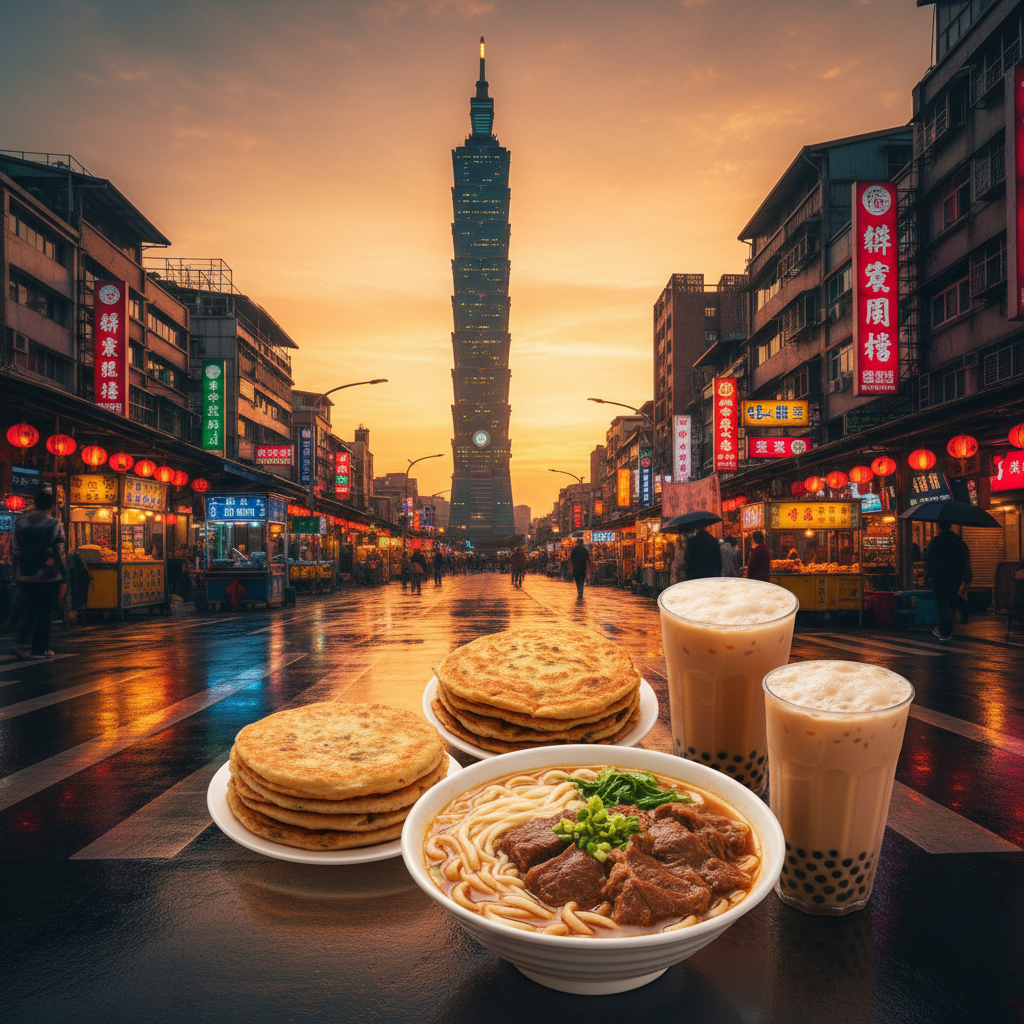
Taipei Foodie Adventure: 4-Day Culinary Journey Through Night Markets & Bubble Tea Origins
Savor Taipei's best on a 4-day food and culinary tour. Dive into night markets, slurp beef noodle soup, and discover bubble tea's birthplace.
- Duration: 4 days
- Estimated Budget: $800–$1,500
- Best Time to Visit: October-April for cooler, drier weather.
- Destination: Taipei, Taiwan
Taipei isn't just a city; it's a symphony of flavors waiting to be devoured. For the food-obsessed traveler, this Taiwanese capital offers an unparalleled culinary adventure, from the sizzling woks of its legendary night markets to the comforting embrace of a perfect bowl of beef noodle soup.
The bustling lanes of Yongkang Street are where many culinary journeys truly begin, offering a vibrant microcosm of the city's diverse gastronomic landscape. Here, you'll find everything from Michelin-starred dim sum to humble street food stalls, each telling a story through its flavors. It’s a place where the aroma of simmering broths mingles with the sweet scent of freshly baked pastries, inviting you to explore every nook and cranny. This district isn't just about eating; it's about experiencing the local rhythm, observing generations-old techniques, and discovering unexpected delights around every corner. It’s an essential first stop for anyone eager to dive deep into the city's food culture.
Is it possible to navigate the overwhelming number of food choices without feeling completely lost? Absolutely. The key is to embrace the local approach: look for queues, trust your nose, and don't be afraid to point. Many of the most authentic and delicious spots are unassuming, with menus often only in Mandarin. But a friendly smile and a willingness to try will open doors to incredible culinary experiences. Focus on one or two signature dishes at each stop rather than trying to eat everything. This strategy allows you to sample a wider variety of flavors without getting overwhelmed, ensuring you savor every bite and truly appreciate the nuances of the local cuisine.
Food-focused travelers spend their evenings weaving through the lively alleys of Raohe Street, where the air hums with energy and the scent of grilled squid and pepper buns beckons. You'll find yourself sampling small bites from various vendors, sharing tables with locals, and discovering new favorites with every turn. Mornings often involve a visit to a traditional breakfast shop for a savory soy milk and a flaky shao bing, followed by a leisurely stroll through a local market to see the fresh produce and ingredients that fuel the city's kitchens. It’s a continuous cycle of discovery, where every meal is an adventure and every snack a revelation, making the entire trip a delicious exploration.
Arrival & A Taste of Taipei's Night Market Magic
Check into your hotel and take some time to freshen up and settle in. Taipei's efficient MRT system will be your best friend for navigating the city.
After a long flight, a comfortable base is essential for recharging. Getting acquainted with your accommodation sets the tone for a relaxed trip.
Head to Yongkang Street, a charming area known for its cafes, boutiques, and, most importantly, its culinary delights. This is a great spot for a gentle introduction to Taipei's food scene.
Yongkang Street offers a more relaxed atmosphere than the bustling night markets, perfect for easing into the city. It's a hub for some of Taipei's most iconic snacks and desserts.
Indulge in a bubble tea tasting at Chun Shui Tang (春水堂), often credited as one of the originators of this iconic Taiwanese drink. Try their classic pearl milk tea.
Experiencing bubble tea at its alleged birthplace is a must for any food enthusiast. It's a refreshing and quintessential Taiwanese experience.
Dive into the vibrant chaos of Shilin Night Market (士林夜市), one of Taipei's largest and most famous night markets. Prepare for a sensory overload of sights, sounds, and smells.
Shilin Night Market is an essential Taipei experience, offering an incredible array of street food, games, and local goods. It's the perfect place to sample a wide variety of Taiwanese snacks.
After the night market, unwind with a foot massage at a local parlor. Many establishments around Shilin offer affordable and relaxing services.
Walking through night markets can be tiring, and a foot massage is the perfect way to soothe tired feet and relax after a busy day. It's a common and enjoyable local practice.
Leif's Tip: Don't be shy about trying new foods at the night market! Many stalls have English menus or pictures, and a simple 'zhè ge' (this one) with a point will usually do the trick. Embrace the adventure and the incredible flavors that await you.
The sheer volume of culinary choices in this vibrant city can be genuinely daunting. You're not just picking a restaurant; you're navigating a landscape of countless food stalls, traditional eateries, and modern cafes, each with its own specialty and history. How do you distinguish between an authentic, generations-old noodle shop and a tourist trap? Which night market offers the best pepper buns, and which is better for oyster omelets? The language barrier, while often surmountable, adds another layer of complexity when you're trying to decipher nuanced menu descriptions or ask about ingredients. It’s easy to feel overwhelmed, spending precious vacation time sifting through endless reviews instead of savoring every moment. This is precisely where a tailored plan becomes your culinary compass.
Say you're strolling through the historic Dihua Street, admiring the traditional architecture and herbal shops, and suddenly you're craving a specific type of traditional Taiwanese dessert you heard about. Instead of pulling out your phone to frantically search and translate, you simply glance at your Leif itinerary. It tells you exactly which unassuming shop, just two blocks away, has been serving the most authentic Mung Bean Cake for decades, complete with a picture and a note about its subtle, fragrant sweetness. Or perhaps you're wondering if a particular beef noodle soup spot is worth the wait – Leif has already weighed in, offering an insider tip on the best time to go to avoid the longest queues, ensuring you get that perfect bowl without the hassle.
You'll arrive in this dynamic city knowing exactly where your next delicious meal is coming from, confident that every bite will be an authentic and memorable experience. Instead of feeling decision fatigue, you'll feel excited and empowered, ready to dive into the next culinary adventure. The difference is savoring the rich, complex flavors of a perfectly braised pork rice, knowing it was hand-picked for you, rather than settling for a generic meal. Arriving in Taipei with a Leif-crafted guide means your taste buds are in for an unforgettable journey, allowing you to fully immerse yourself in the city's incredible food culture, one delicious discovery at a time.
Best Time to Visit Taipei, Taiwan
October to April: These months offer the most pleasant weather, with cooler temperatures and less humidity, perfect for exploring night markets and walking between food stalls.
Avoid July and August: These are the hottest and most humid months, often accompanied by typhoons, making outdoor food adventures less enjoyable.
Chinese New Year (January/February): While festive, many local eateries might be closed for a few days, so check schedules if traveling during this period.
Weekdays for popular spots: If you want to avoid the biggest crowds at famous restaurants or night market stalls, aim for weekday evenings rather than weekends.
Getting Around Taipei, Taiwan
Taipei MRT (Mass Rapid Transit) is your best friend: It's clean, efficient, extensive, and incredibly easy to navigate, connecting all major food hubs.
Get an EasyCard: Purchase upon arrival at any MRT station or convenience store. Tap on and off for seamless travel on MRT, buses, and even some taxis and convenience store purchases.
Walk, walk, walk: Many food districts are best explored on foot, allowing you to stumble upon hidden gems and work up an appetite between bites.
Taxis are readily available and affordable: Use them for late-night returns from night markets or when your feet are tired from all the eating.
Google Maps is essential: Use it for real-time public transport directions and to locate specific food stalls and restaurants.
What to Pack
- Comfortable walking shoes: You'll be doing a lot of walking and standing at food stalls.
- Light, breathable clothing: Even in cooler months, humidity can be a factor. Layers are always a good idea.
- Small umbrella or rain jacket: Taipei can experience sudden showers, especially during the shoulder seasons.
- Portable fan: A lifesaver for hot and humid night markets.
- Wet wipes and hand sanitizer: Essential for eating street food on the go.
- Reusable shopping bag: For any souvenirs or extra snacks you pick up.
- Power bank: Your phone will be working hard with navigation and food photography.
- Antacids/digestive aids: Just in case you overindulge (which you probably will!).
Money-Saving Tips
- Eat like a local: Street food and small local eateries offer incredible value and authentic flavors compared to upscale restaurants.
- Share dishes: Many Taiwanese dishes are meant for sharing, allowing you to sample a wider variety without overspending or overeating.
- Look for lunch specials: Many restaurants offer more affordable set menus during lunchtime.
- Drink tap water (boiled) or buy large bottles: Avoid constantly buying small bottled water; many hotels offer filtered water, or you can boil tap water.
- Utilize the MRT: It's the most cost-effective way to get around the city.
Local Insights
- Don't be afraid to queue: Long lines usually mean delicious food. Join the queue, it moves quickly!
- Master basic Mandarin phrases: 'Ni hao' (hello), 'Xie xie' (thank you), and 'Zhe ge' (this one) will go a long way, especially at smaller stalls.
- Embrace the communal dining experience: Many smaller eateries have shared tables; it's part of the local charm.
- Cash is king at night markets: While some larger stalls might accept cards, most street food vendors operate on a cash-only basis.
- Be adventurous: Don't stick to what you know. Try new things, even if you're not sure what they are – that's where the best food discoveries happen!
Frequently Asked Questions
What's the best way to get around Taipei for a food tour?
Taipei's MRT (metro system) is incredibly efficient, clean, and covers most major food districts. For night markets and smaller alleyways, walking is essential. Taxis and ride-sharing apps are also readily available and affordable for longer distances or late-night returns.
Do I need to speak Mandarin to order food?
While knowing some basic Mandarin phrases like '謝謝' (thank you) or '好吃' (delicious) is appreciated, it's not strictly necessary. Many menus have pictures, and pointing works wonders. Google Translate's camera function is also a lifesaver for deciphering menus.
Are night markets safe for tourists?
Yes, Taipei's night markets are generally very safe. They are bustling and well-lit. Just be mindful of your belongings in crowded areas, as you would in any busy public space. Focus on enjoying the vibrant atmosphere and delicious food.
What are some must-try dishes beyond beef noodle soup and bubble tea?
Definitely try Gua Bao (pork belly buns), Stinky Tofu (don't let the name scare you!), Oyster Omelets, and Lu Rou Fan (braised pork rice). For something sweet, Mochi and Shaved Ice are fantastic.
How much cash should I carry for food?
Many smaller food stalls and night market vendors are cash-only. It's wise to carry at least 500-1000 NTD (around $15-30 USD) per person per day for street food and casual meals. Larger restaurants and cafes often accept cards.
Can I find vegetarian or vegan options easily?
Taipei is quite vegetarian-friendly due to a significant Buddhist population. Look for restaurants with '素食' (sùshí) signs. Vegan options require a bit more searching, but many places can adapt dishes if you explain your dietary needs.
What's the etiquette for eating street food?
It's common to eat standing up or at small communal tables. Don't linger too long if others are waiting. Finish your food and dispose of trash properly in designated bins. Sharing dishes is also a great way to try more things.