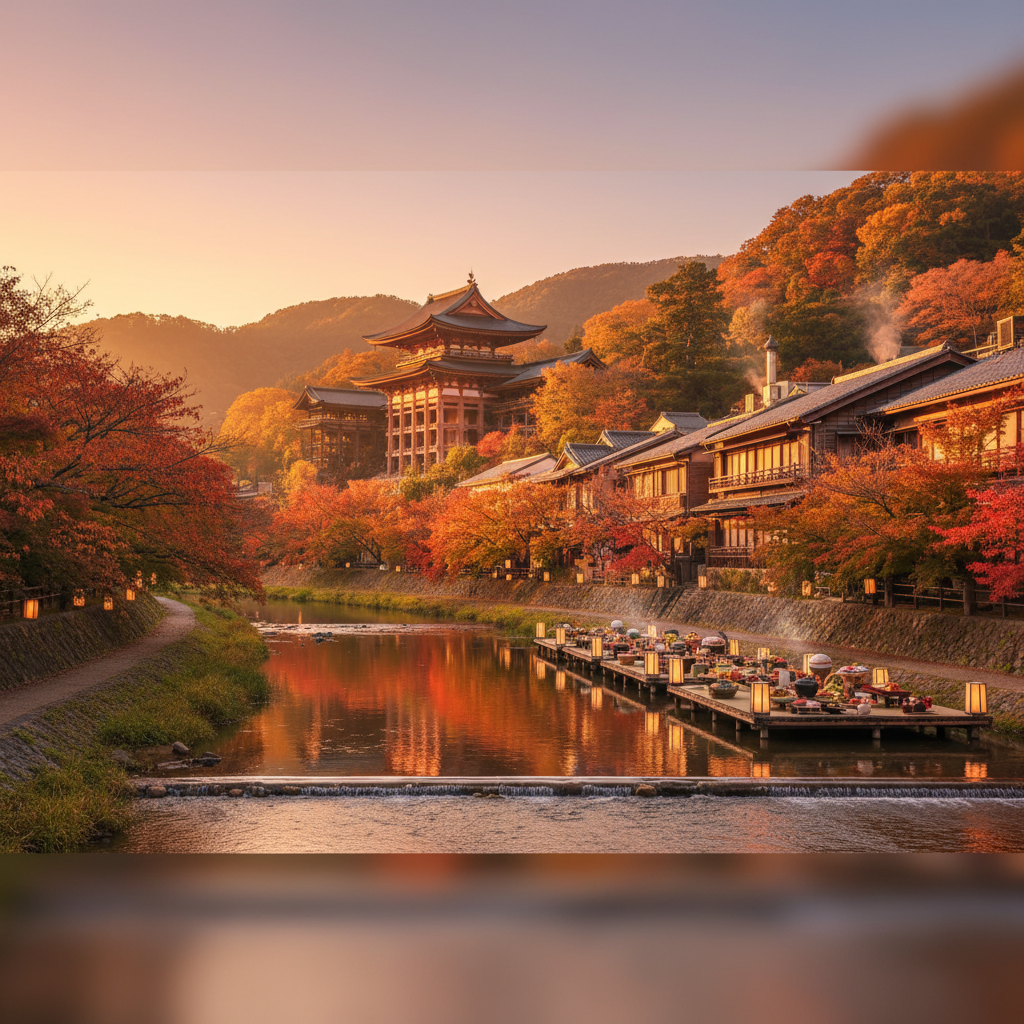
Kyoto Food Guide: 4 Days of Kaiseki, Tofu, and Culinary Delights
Uncover Kyoto's culinary soul over 4 days. Dive deep into kaiseki, shojin ryori, and Nishiki Market for serious food travelers.
- Duration: 4 Days
- Estimated Budget: $130–$210
- Best Time to Visit: March-May and October-November for pleasant weather and seasonal ingredients.
- Destination: Kyoto, Japan
Kyoto's culinary landscape is a symphony of tradition and refinement, a city where every dish tells a story of centuries-old craftsmanship. This guide bypasses the usual tourist trails, instead inviting you to experience Kyoto not through its temples, but through its unparalleled food culture — from the intricate artistry of kaiseki to the humble elegance of tofu.
Stepping into the bustling lanes of Nishiki Market, known affectionately as "Kyoto's Kitchen," you're immediately enveloped by a symphony of sights, sounds, and aromas. This historic marketplace, stretching five blocks long, is a living museum of Japanese culinary traditions. Here, you'll discover everything from artisanal pickles at Murakami-ju, crafted with generations of expertise, to the delicate, paper-thin yuba (tofu skin) at Fuka, a staple of Kyoto's vegetarian cuisine. It's not just a place to shop; it's an immersive cultural experience where you can observe master craftsmen at Aritsugu shaping precision knives, or sample freshly grilled skewers at Nishiki Warai, understanding the deep connection between local ingredients and the city's gastronomic soul. This market is your gateway to appreciating the meticulousness and passion behind Kyoto's food.
Should you be intimidated by the formality of kaiseki dining? Here's the reality: while kaiseki is indeed a pinnacle of Japanese culinary art, it's far more accessible than many first-time visitors imagine, especially during lunch. Many high-end establishments in areas like Pontocho offer exquisite multi-course lunch sets at a fraction of their dinner prices, typically ranging from 2,500 to 4,000 JPY. This allows you to experience the seasonal ingredients, artistic presentation, and refined flavors without the significant financial commitment of an evening meal. It's an ideal way to dip your toes into this sophisticated dining tradition, understanding the progression of dishes and the philosophy behind each meticulously prepared plate, making it an essential part of your culinary exploration.
Food enthusiasts spend their mornings exploring the vibrant Fushimi sake district, where the crisp, clean waters flowing from the Fushimi mountains have nurtured centuries of sake brewing. You'll find yourself wandering through historic streets lined with traditional breweries, their white walls and dark wooden eaves reflecting a bygone era. A visit to the Gekkeikan Okura Sake Museum offers a fascinating glimpse into the brewing process, complete with antique tools and informative displays, culminating in a delightful tasting session. This isn't just about drinking sake; it's about understanding the deep cultural significance of this beverage in Japanese life and cuisine, and how it perfectly complements the delicate flavors of Kyoto's dishes, providing a holistic appreciation for the region's culinary heritage.
Nishiki Market Immersion & Pontocho Kaiseki Delights
Begin your culinary journey with a deep dive into Nishiki Market, Kyoto's 400-year-old food paradise, often called 'Kyoto's Kitchen'.
This bustling market offers an unparalleled sensory experience, showcasing the freshest local produce, traditional snacks, and artisanal goods. It's the perfect introduction to Kyoto's diverse food culture.
Visit Aritsugu, a legendary knife shop in Nishiki Market, established in 1560. Marvel at the craftsmanship and perhaps even purchase a souvenir.
Aritsugu is renowned for its exquisite, hand-forged Japanese knives, a testament to Kyoto's dedication to artisanal quality. Even if you don't buy, observing the artistry is a cultural experience.
Explore Fuka, a specialty store within Nishiki Market dedicated to yuba (tofu skin) products, and sample their fresh offerings.
Yuba is a delicate and essential component of Kyoto's vegetarian cuisine, known for its subtle flavor and unique texture. Fuka offers a wide variety, from fresh to dried, showcasing its versatility.
Experience an affordable kaiseki lunch set at a restaurant in the atmospheric Pontocho alley, known for its traditional wooden architecture.
Pontocho offers a glimpse into old Kyoto and is home to many excellent restaurants. Lunch kaiseki sets provide a more accessible way to experience this multi-course culinary art form without the high dinner price tag.
Indulge in matcha everything at Nakamura Tokichi Honten, a historic tea house renowned for its high-quality green tea and matcha desserts.
Nakamura Tokichi is a Kyoto institution, offering an authentic and refined matcha experience. Their matcha parfaits, jelly, and soba are legendary and a perfect afternoon treat.
Leif's Tip: Wear comfortable shoes for Nishiki Market – you'll be doing a lot of walking and standing. Also, bring a small reusable bag for any delicious treats or souvenirs you pick up along the way. Don't be afraid to try new things; the market is a safe and welcoming place for culinary adventure.
Between navigating the nuances of Japanese restaurant etiquette, deciphering menus that often lack English translations, and knowing which establishments truly offer an authentic experience versus tourist traps, Kyoto can feel overwhelming before you even arrive. The sheer volume of choice for kaiseki alone, from Michelin-starred temples of gastronomy to more approachable neighborhood gems, makes selecting the right one a daunting task. Then there's the challenge of securing reservations, especially for popular spots, which often require a local contact or fluent Japanese. This is precisely where many serious food travelers get stuck, fearing they'll miss out on the true culinary heart of the city, or worse, end up in a mediocre establishment when Kyoto's food scene offers so much more. Leif cuts through this complexity, ensuring every meal is an intentional, delicious discovery.,Say you're standing in the bustling heart of Pontocho Alley, the lanterns beginning to glow, and you're not sure which of the myriad of traditional wooden machiya houses offers the best value for an authentic kaiseki lunch experience. Leif already has you covered. Your itinerary will guide you directly to a recommended spot, perhaps a place like Kyo no Komachi, known for its exquisite seasonal ingredients and welcoming atmosphere, complete with a reservation already made. You won't be left wandering, wondering if you're making the right choice, or struggling with language barriers to secure a table. Instead, you'll simply present your Leif itinerary, be welcomed inside, and embark on a culinary journey, savoring each delicate course with confidence, knowing you're experiencing Kyoto's food culture exactly as intended, without any of the usual travel anxieties.,Arriving in Kyoto with your food itinerary already done means you'll spend zero precious moments scrolling through endless reviews or stressing about where to eat next. Instead of the common anxiety of missing out on a hidden gem, you'll feel a profound sense of calm and anticipation. Imagine waking up, knowing your day begins with the serene ritual of a temple breakfast at Ryoanji, followed by a deep dive into the specific stalls of Nishiki Market, and culminating in an evening savoring Kyoto-style sushi, perhaps battera pressed mackerel, at a local favorite. This isn't just a trip; it's a curated culinary odyssey where every bite is a discovery, every meal a memory, and every day a deeper immersion into the soul of Japan's ancient capital. You'll depart not just well-fed, but enriched, carrying with you the flavors and stories of a truly exceptional gastronomic adventure. [Your First Trip to Asia Will Define Every Trip After It. Here's Where to Start.](https://askleif.com/blog/your-first-trip-to-asia-will-define-every-trip-after-it) **March Is Not the Month Before the Best Season. It Is the Best Season.** — Six destinations across four continents that peak in March and are transformed by April's crowds. [Read the full March travel guide →](https://askleif.com/blog/march-is-not-the-month-before-the-best-season-it-is-the-best-season)
Best Time to Visit Kyoto, Japan
Spring (March-May) for cherry blossoms and mild weather, though it's peak tourist season.
Autumn (October-November) for stunning fall foliage and comfortable temperatures, another popular time.
Early summer (June) offers lush greenery and fewer crowds than spring, but expect some humidity and rain.
Winter (December-February) is quietest, with crisp air and occasional snow, perfect for cozy food experiences.
Getting Around Kyoto, Japan
Kyoto's public transport, especially the subway and bus system, is incredibly efficient. Purchase an ICOCA card for seamless travel.
Many central food districts like Nishiki Market and Pontocho are best explored on foot. Wear comfortable shoes!
Taxis are readily available but can be pricey. Reserve them for late-night returns or when carrying heavy purchases.
Consider renting a bicycle for exploring quieter neighborhoods and reaching some of the more out-of-the-way eateries.
What to Pack
- Comfortable walking shoes for exploring markets and food streets.
- A reusable shopping bag for Nishiki Market purchases and souvenirs.
- A small umbrella or light rain jacket, especially if traveling in spring or early summer.
- A portable power bank for your phone to navigate and research restaurants on the go.
- A good camera to capture the artistry of kaiseki and street food.
- Layers of clothing to adapt to indoor/outdoor temperature changes, especially in spring and autumn.
- A small notebook and pen to jot down food discoveries and recommendations.
- An open mind and an adventurous palate!
Money-Saving Tips
- Opt for lunch sets at high-end kaiseki restaurants; they offer a similar experience at a fraction of the dinner price.
- Embrace street food at Nishiki Market for delicious and affordable bites.
- Look for 'teishoku' (set meals) at local eateries for a complete and budget-friendly meal.
- Utilize convenience stores (konbini) like 7-Eleven or FamilyMart for cheap and surprisingly good breakfast or late-night snacks.
- Drink tap water; it's safe and delicious, saving you money on bottled drinks.
Local Insights
- Always say 'Itadakimasu' before eating and 'Gochisousama deshita' after your meal to show appreciation.
- Slurping noodles is not only acceptable but often a sign of enjoyment in Japan.
- Tipping is not customary in Japan; excellent service is expected and included in the price.
- Be mindful of noise levels in restaurants, especially during kaiseki meals; a quiet, respectful demeanor is appreciated.
- Many smaller, local restaurants may not have English menus, so having a translation app or knowing a few key food phrases can be very helpful.
Frequently Asked Questions
What is kaiseki and why is it so important in Kyoto?
Kaiseki is a traditional multi-course Japanese dinner, often considered the pinnacle of Japanese cuisine. It originated in Kyoto with the tea ceremony and Buddhist temple cuisine, emphasizing seasonal ingredients, meticulous preparation, and artistic presentation. It's crucial in Kyoto because it reflects the city's history as the imperial capital and its deep connection to refined arts and culture, offering a culinary journey through the seasons.
Can I experience kaiseki on a budget?
Absolutely! While dinner kaiseki can be expensive, many restaurants, especially in areas like Pontocho, offer excellent lunch kaiseki sets (shokado bento or mini-kaiseki) for 2,500–4,000 JPY. These provide a taste of the full experience with fewer courses but the same quality and artistry, making it very accessible for budget-conscious food travelers.
What is obanzai and where can I try it?
Obanzai refers to traditional Kyoto home cooking, characterized by simple, seasonal ingredients and minimal waste. It's comfort food, often served as small dishes, emphasizing local vegetables and delicate flavors. You can find authentic obanzai at many small eateries and izakayas throughout Kyoto, particularly around Nishiki Market where stalls often serve it, or in the Gion and Pontocho areas.
Is Kyoto ramen different from ramen in other parts of Japan?
Yes, Kyoto-style ramen is distinctly different. While Tokyo ramen often features a shoyu (soy sauce) base and Hakata ramen is known for its rich tonkotsu (pork bone) broth, Kyoto ramen tends to be lighter, often chicken-based (toripaitan) or a clear shoyu broth, with a delicate yet flavorful profile. Masutani is an excellent example of this style, offering a nuanced and less heavy experience.
What's the best way to explore Nishiki Market for food?
The best way to explore Nishiki Market is to go hungry and embrace sampling! Start early to avoid crowds. Focus on trying specific items: yuba from Fuka, pickled vegetables from Murakami-ju, grilled skewers from Nishiki Warai, and perhaps some fresh seafood or mochi. Don't forget to observe the craftsmanship at stalls like Aritsugu for knives, even if you're not buying. It's a sensory feast.
Are there good vegetarian or vegan options in Kyoto, especially with all the tofu?
Kyoto is one of the best cities in Japan for vegetarian and vegan options, largely thanks to its strong tradition of shojin ryori (Buddhist temple cuisine) and its emphasis on tofu. Restaurants like Tousuiro specialize in tofu kaiseki, offering exquisite plant-based multi-course meals. Many general restaurants also have vegetarian-friendly dishes, but it's always best to communicate dietary needs clearly.
Beyond kaiseki, what's another unique Kyoto food experience not to miss?
Don't miss experiencing morning tofu at a traditional establishment like Hirano-ya Honten. This isn't just breakfast; it's a centuries-old tradition where freshly made, warm tofu is served simply with soy sauce and condiments, allowing its delicate flavor and silky texture to shine. It offers a peaceful, authentic start to your day and connects you deeply with Kyoto's culinary heritage.