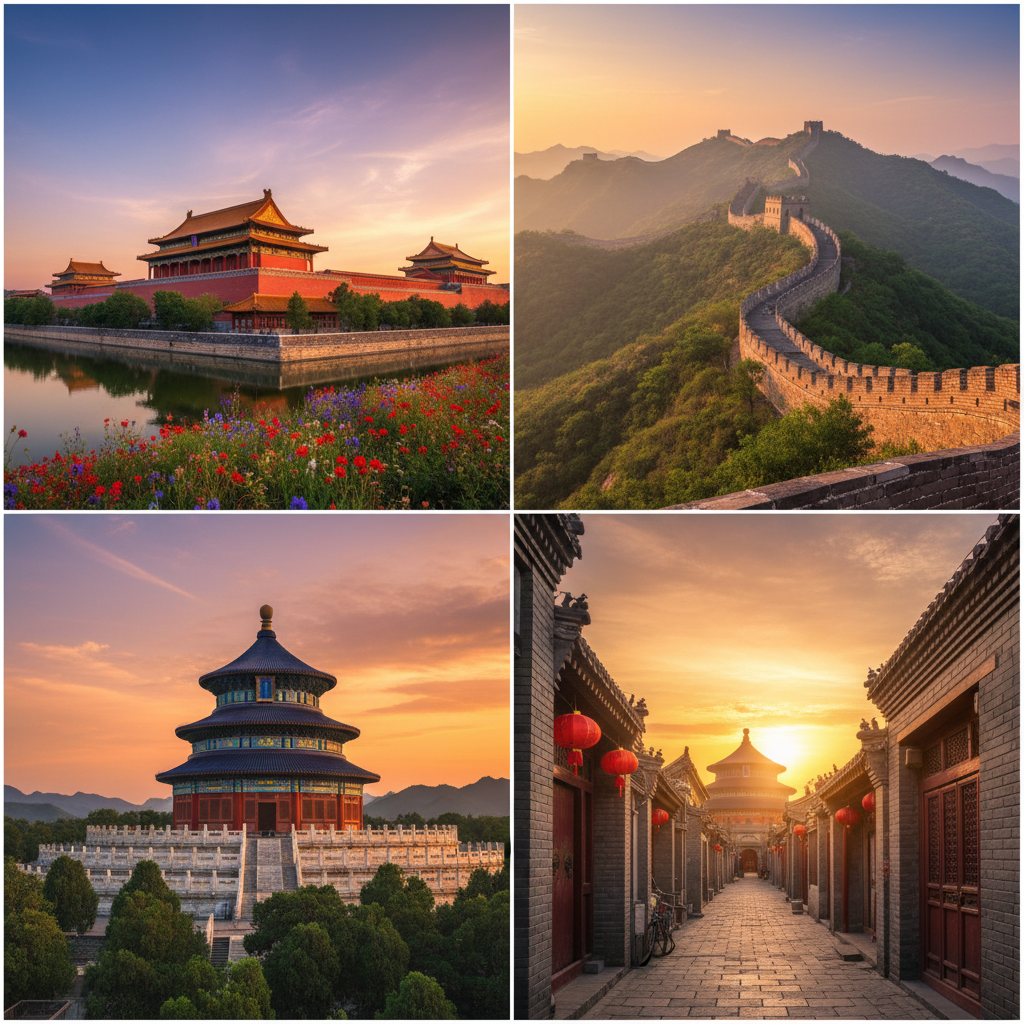
Beijing Culture & History: A 5-Day Imperial Journey
Uncover Beijing's imperial past on this 5-day culture and history trip, exploring the Forbidden City, Great Wall, Temple of Heaven, and ancient hutongs.
- Duration: 5 Days
- Estimated Budget: $900–$2,400
- Best Time to Visit: April-May and September-October for mild weather and clear skies.
- Destination: Beijing, China
Beyond the bustling avenues of Beijing, ancient echoes whisper through imperial palaces and serene temples, a city where ancient dynasties meet modern marvels. This 5-day journey is meticulously crafted for the history enthusiast, diving deep into the heart of China's most iconic cultural treasures. From the Forbidden City's majestic halls to the Great Wall's epic vistas, you'll experience the soul of Beijing like never before.
Beijing is a city where every stone whispers tales of emperors, dynasties, and revolutions. For the history and culture enthusiast, it's an unparalleled journey into the heart of imperial China, offering a tangible connection to a past that shaped one of the world's oldest civilizations. Imagine walking through the Forbidden City, feeling the weight of 500 years of imperial power in the Hall of Supreme Harmony, or gazing upon the intricate carvings of the Temple of Heaven, where emperors once prayed for bountiful harvests. This isn't just sightseeing; it's an immersive experience, a chance to step back in time and witness the grandeur and complexity of a bygone era, all while navigating the vibrant pulse of a modern metropolis.
Beyond the iconic landmarks, Beijing invites you to delve deeper into its cultural fabric. Picture yourself strolling through the ancient hutongs, the labyrinthine alleyways that have been the city's residential heart for centuries, where local life unfolds in charming courtyards and bustling markets. Discover hidden temples, sip tea in traditional teahouses, and perhaps even catch a glimpse of elderly Beijingers practicing tai chi at dawn in the parks surrounding the Temple of Heaven. This trip is designed to not only show you the monumental history but also to immerse you in the daily rhythms and authentic charm that make Beijing so uniquely captivating, far beyond the typical tourist trail.
And, of course, no cultural exploration of Beijing is complete without an encounter with the magnificent Great Wall. We'll guide you to the Mutianyu section, a less crowded and more scenic stretch where you can truly appreciate the architectural marvel and breathtaking vistas without battling throngs of people. Imagine the crisp mountain air, the undulating wall snaking across distant peaks, and the sheer scale of human endeavor. This itinerary balances the monumental with the intimate, the ancient with the contemporary, ensuring you experience the true essence of Beijing's rich history and vibrant culture, leaving you with memories that will last a lifetime.
Imperial Grandeur: Forbidden City & Tiananmen Square
Arrive at Beijing Capital International Airport (PEK), clear customs, and take the Airport Express train into the city.
Starting your journey by navigating the efficient public transport immediately immerses you in the local rhythm. It's also the quickest and most cost-effective way to reach downtown Beijing.
Check into your hotel and drop off your luggage, allowing you to explore the city unencumbered.
Settling in first provides a comfortable base and allows you to refresh after your journey. You'll feel more prepared to tackle the day's historical explorations.
Begin your imperial journey at Tiananmen Square, the largest public square in the world, surrounded by significant historical buildings.
This iconic square is a powerful symbol of China's past and present, offering a grand introduction to the scale of Beijing's historical sites. It's also the gateway to the Forbidden City.
Enter the majestic Forbidden City (Palace Museum), the imperial palace for 24 emperors during the Ming and Qing dynasties.
This is the largest ancient palace complex in the world, a truly awe-inspiring testament to imperial power and architecture. You'll walk in the footsteps of emperors.
After exiting the Forbidden City, take a leisurely stroll through Jingshan Park, located directly north of the palace.
Climb to the top of Jingshan Hill for a breathtaking panoramic view of the Forbidden City, especially beautiful as the sun begins to set. It offers a unique perspective on the palace's layout.
Leif's Tip: To truly maximize your Forbidden City experience, hire an official guide at the entrance or download an audio guide app. The sheer size and history can be overwhelming, and a good guide will bring the stories of emperors and concubines to life, making your visit far more engaging.
Most visitors to Beijing find themselves overwhelmed by the sheer scale of the city and the nuances of its cultural sites, often struggling with language barriers and the complexities of public transportation, especially when trying to reach historical marvels outside the city center. Deciphering which sections of the wall offer the best experience without the crowds, or how to truly immerse yourself in the life of a hutong rather than just passing through, requires insider knowledge. You might also grapple with understanding the historical context of each dynastic site, making the difference between a superficial visit and a deeply enriching cultural exploration. Leif cuts through this complexity, providing you with a clear, engaging path to understanding and experiencing Beijing's profound heritage, ensuring every moment is spent discovering, not deciphering.
Tiananmen Square, bustling with history and vibrant life, provides a perfect starting point for your imperial adventure. Should you suddenly decide you'd prefer to explore a less-visited temple instead of the planned itinerary, Leif instantly recalibrates, offering alternative suggestions and updated logistics. This means no wasted time fumbling with maps or translation apps, and no missed opportunities to follow your spontaneous interests, allowing you to fluidly adapt your cultural immersion based on your evolving curiosity without any stress or interruption.
The crisp morning air carries the distant chime of temple bells as you step out, fully prepared for a day of historical exploration, knowing exactly how to navigate the city's ancient lanes and imperial grounds. You feel a profound sense of connection to Beijing's past, armed with context and confidence, ready to absorb the stories etched into every stone and structure. This journey isn't just about seeing sights; it's about truly understanding the heart of a civilization, leaving you with a deep appreciation for its enduring legacy and a desire to revisit its timeless allure.
Best Time to Visit Beijing, China
April-May and September-October offer the most pleasant weather with mild temperatures and clearer skies, ideal for exploring.
Avoid January-February due to extreme cold, often dropping to -10 to -15C, making outdoor activities uncomfortable.
Steer clear of July-August as it brings hot, humid weather and higher chances of smog, impacting visibility and comfort.
Book your trip during the shoulder seasons (spring or autumn) to enjoy comfortable sightseeing conditions and vibrant city life.
Check the Chinese holiday calendar; major holidays can mean larger crowds at popular attractions.
Getting Around Beijing, China
The Beijing Subway is incredibly efficient, extensive, and affordable; it's the best way to navigate the city.
Purchase a Yikatong (public transportation card) for easy tap-and-go access on subways and buses, saving time and hassle.
For trips to the Great Wall (Mutianyu), consider booking a private car or joining a reputable tour to ensure a smooth journey.
Taxis are readily available, but ensure the driver uses the meter; ride-hailing apps like DiDi are also popular and convenient.
Be aware of peak hour traffic, especially when planning travel to and from the airport or between major districts.
What to Pack
- Comfortable walking shoes are essential; you'll be doing a lot of walking at sites like the Forbidden City and Great Wall.
- Layers of clothing are key, especially during spring and autumn, as temperatures can fluctuate throughout the day.
- A portable power bank for your phone is a must, as you'll be using it for navigation, photos, and translations.
- A small backpack for daily essentials like water, snacks, and souvenirs.
- Sunscreen, a hat, and sunglasses, even in cooler months, as the sun can be strong.
- Hand sanitizer and tissues, as public restrooms may not always be fully stocked.
- A universal travel adapter for your electronics.
- A basic first-aid kit with any personal medications.
Money-Saving Tips
- Utilize the Beijing Subway for most of your transportation needs; it's incredibly cheap compared to taxis.
- Eat at local eateries and street food stalls (ensure they look clean) for delicious and budget-friendly meals.
- Carry cash (RMB) for smaller purchases and street vendors, as not all places accept foreign credit cards.
- Book accommodations in advance, especially during peak seasons, to secure better rates.
- Consider packing some snacks and a reusable water bottle to avoid constant purchases at tourist sites.
- Take advantage of free attractions like Tiananmen Square and the parks surrounding the Temple of Heaven.
Local Insights
- Download a VPN before arriving in China, as many Western apps (Google, Instagram, WhatsApp) are blocked.
- Learn a few basic Mandarin phrases like 'Ni Hao' (hello), 'Xie Xie' (thank you), and 'Duoshao Qian' (how much) – it goes a long way.
- Be prepared for crowds, especially at major historical sites; patience is a virtue.
- Always carry your passport; it's required for entry to many attractions and for hotel check-ins.
- Bargaining is common in markets, but less so in established shops and restaurants.
- Embrace the local food scene beyond Peking Duck; explore regional cuisines and street food for an authentic experience.
Frequently Asked Questions
Do I need a visa to visit Beijing?
Yes, most Western passport holders require a Chinese tourist visa. It's crucial to apply 4-6 weeks in advance at the Chinese embassy, as the process can take time, and the cost is around $140 USD. Alternatively, if you're transiting through Beijing Capital Airport (PEK) and meet specific criteria, you might be eligible for the 144-hour transit visa-free policy, which is a fantastic option for shorter stays.
What's the best way to get around Beijing for cultural sites?
Beijing has an excellent, extensive, and very affordable subway system that connects most major cultural sites. For places slightly off the subway line or for a more comfortable ride, taxis and ride-sharing apps (like Didi) are readily available. For exploring hutongs, walking or taking a rickshaw is the most authentic and enjoyable way to experience them.
How can I avoid crowds at popular attractions like the Forbidden City and Great Wall?
To beat the crowds at the Forbidden City, book your tickets online well in advance, arrive right when it opens, and consider visiting on a weekday. For the Great Wall, the Mutianyu section is generally less crowded than Badaling and offers a more picturesque experience. Again, going early on a weekday is your best bet for a more serene visit.
Is it easy to find English speakers or English information at historical sites?
At major historical sites like the Forbidden City, Temple of Heaven, and the Great Wall, you'll generally find English signage and often audio guides available in English. However, outside of these main attractions, English proficiency can be limited. Having a translation app on your phone can be incredibly helpful for navigating and interacting with locals.
What's the best time of year to visit Beijing for history and culture?
The ideal times to visit Beijing are April-May and September-October. During these months, the weather is mild, skies are generally clearer, and it's perfect for exploring outdoor sites like the Great Wall and the Summer Palace. Avoid January-February due to extreme cold and July-August due to heat, humidity, and potential smog.
What should I know about booking tickets for the Forbidden City?
It's absolutely critical to book your Forbidden City tickets online in advance. Daily visitor numbers are capped at 80,000, and tickets sell out quickly, especially during peak season. You'll need your passport details for booking, and booking through the official Palace Museum website is recommended to ensure authenticity and availability.
Are there any local etiquette tips I should be aware of when visiting temples and historical sites?
When visiting temples, dress respectfully, covering your shoulders and knees. It's generally polite to speak in hushed tones, and avoid pointing with your finger; use an open hand instead. Always ask permission before taking photos of people, especially in more traditional areas like the hutongs, and be mindful of local customs regarding personal space.