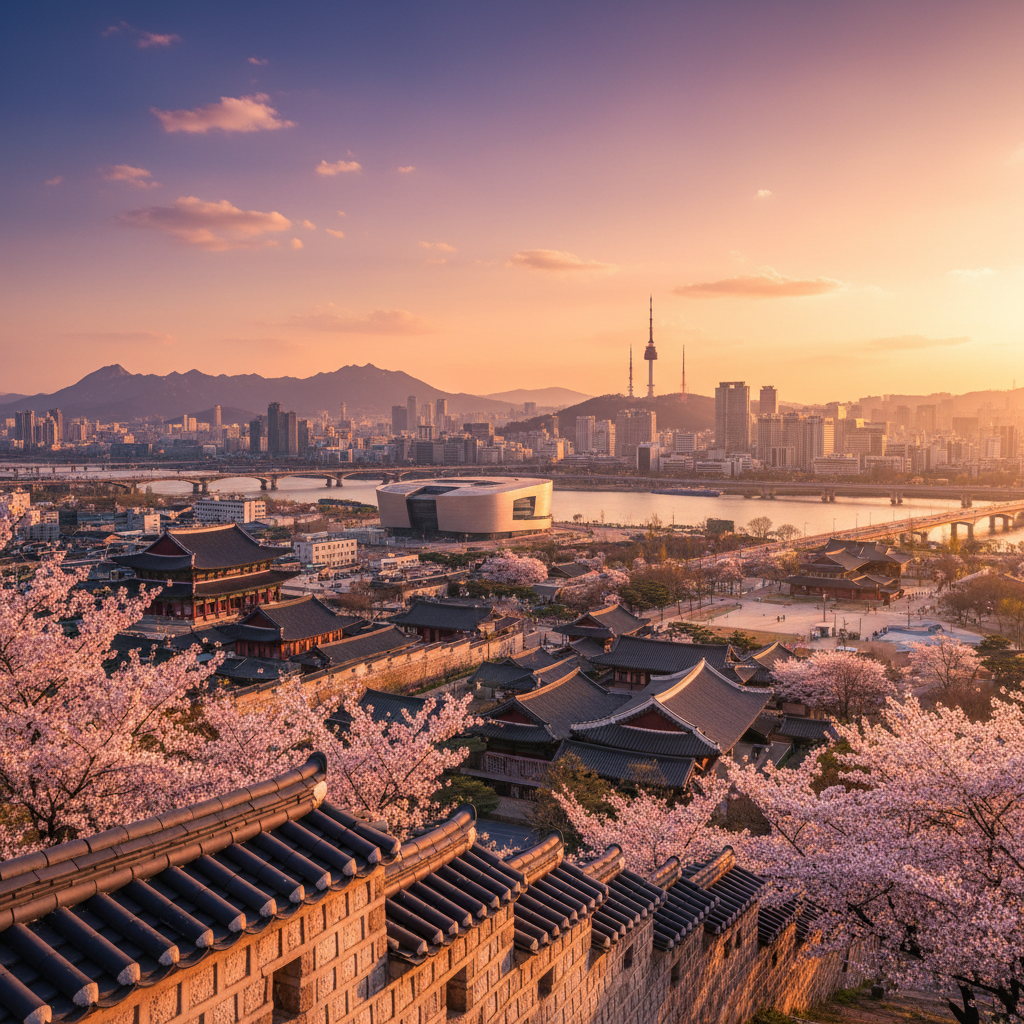
Seoul 5-Day Itinerary: Palaces, K-Culture & DMZ Day Trip
Discover Seoul in 5 days! Immerse yourself in ancient palaces, vibrant K-culture, and a poignant DMZ day trip. Your ultimate guide to South Korea's capital.
- Duration: 5 Days
- Estimated Budget: $1,200–$2,500
- Best Time to Visit: April-May and September-October for pleasant weather and vibrant festivals.
- Destination: Seoul, South Korea
<p class="guide-blog-backlink">📖 Planning a trip to Seoul? Read our complete <a href="/blog/seoul-south-korea-complete-travel-guide">Seoul, South Korea Travel Guide</a> for everything you need to know before you go.</p> Seoul is a city where ancient traditions beautifully intertwine with futuristic innovation, offering a dynamic experience for every traveler. This 5-day itinerary is crafted for those eager to delve deep into its rich history, vibrant pop culture, and the compelling story of its divided peninsula. Get ready to explore majestic palaces, savor incredible street food, and gain a unique perspective on Korean heritage.
From the ancient gates of Gyeongbokgung Palace, Seoul unfolds as a city of captivating contrasts a metropolis where the serene beauty of Bukhansan National Park offers a stunning backdrop to the urban sprawl, and traditional markets buzz alongside K-Pop dance studios. This 5-day adventure is crafted for those who want to dive deep into South Korea's rich history, embrace its vibrant modern culture, and confront its poignant past. You'll wander through royal grounds, immerse yourself in traditional villages, and experience the electrifying energy of Seoul's contemporary scene.
Beyond the neon glow of Gangnam, Seoul offers a rich tapestry of history and culture. stroll through the charming hanok houses of Bukchon, and discover the artistic pulse of Insadong. We'll also dedicate a full day to a profound journey to the Demilitarized Zone (DMZ), offering a unique perspective on the Korean Peninsula's complex history. This itinerary balances iconic landmarks with authentic cultural experiences, ensuring you capture the true essence of Seoul.
Beyond the sights, you'll savor delicious Korean BBQ, sip on traditional teas, and perhaps even catch a glimpse of the latest K-fashion trends. From the serene beauty of temple grounds to the bustling night markets, every moment is designed to be memorable and enriching. Prepare for an unforgettable exploration that will leave you with a profound appreciation for this dynamic and captivating city.
Arrival & Seoul's Royal Grandeur
Check into your hotel in the Insadong area, a charming neighborhood known for its traditional Korean culture.
Insadong is centrally located, making it easy to access many of Seoul's top attractions. Its traditional atmosphere provides a perfect welcome to Korean culture.
Explore Gyeongbokgung Palace, the largest and most beautiful of Seoul's Five Grand Palaces.
This palace offers a stunning glimpse into Korea's royal history and architecture. Don't miss the changing of the guard ceremony, a vibrant cultural spectacle.
Wander through Bukchon Hanok Village, a traditional Korean village nestled between Gyeongbokgung and Changdeokgung Palaces.
This village preserves hundreds of traditional Korean houses (hanok) dating back to the Joseon Dynasty. It offers picturesque alleyways and stunning city views.
Experience the vibrant energy of Insadong Street, browsing traditional craft shops and art galleries.
Insadong is the heart of traditional Korean culture, offering unique souvenirs, art, and street food. It's a fantastic place to soak in the local atmosphere.
Enjoy a traditional Korean dinner and a performance at Korea House.
This offers an immersive cultural experience with authentic royal court cuisine and traditional music and dance. It's a perfect way to cap off your first day.
Leif's Tip: Upon arrival at Incheon International Airport (ICN), purchase a T-Money card immediately. This rechargeable card is essential for seamless travel on Seoul's excellent subway and bus systems, saving you time and hassle throughout your trip. Load it with at least 30,000 KRW to start.
Navigating Seoul's intricate public transport system, especially when trying to link ancient palaces with modern K-Pop hubs and a sensitive historical site like the DMZ, often presents a significant challenge for visitors. Deciphering which palace offers the best cultural experience on a given day, or knowing the optimal time to visit a bustling market like Gwangjang to avoid peak crowds while still catching all the vendors, requires more than just a quick online search. Furthermore, understanding the nuances of booking a reputable and informative DMZ tour, ensuring it aligns with your schedule and offers genuine insight rather than just a photo opportunity, can be a daunting task. These are precisely the complex logistical and experiential puzzles Leif is designed to solve, transforming potential frustrations into seamless explorations tailored just for you.
At the Gyeongbokgung Palace gates, you might wonder if you've chosen the right time to witness the Royal Guard Changing Ceremony, or if there's a lesser-known, equally captivating historical site nearby that offers a more intimate experience. Leif anticipates these moments, providing you with not just the ceremony schedule, but also suggesting a tranquil stroll through the adjacent National Folk Museum of Korea afterward, or perhaps a detour to a hidden tea house in Bukchon Hanok Village. When you're craving authentic street food but are overwhelmed by the sheer number of options in Myeongdong, Leif guides you to the stalls renowned for their specific dishes, complete with tips on what to order and how to navigate the bustling atmosphere, ensuring you savor the true flavors of Seoul without any hesitation.
The vibrant energy of Seoul, from the neon glow of Gangnam to the serene beauty of its ancient temples, feels profoundly different when you arrive with a clear, personalized roadmap. You'll move through the city with a sense of purpose and discovery, knowing that each turn leads to an experience perfectly suited to your interests, whether it's a deep dive into K-culture at Hongdae or a poignant reflection at the Dora Observatory overlooking North Korea. This isn't just about seeing the sights; it's about truly connecting with Seoul's multifaceted soul, feeling the pulse of its history and its future, and leaving with a rich tapestry of memories that only a truly tailored journey can provide. Your Seoul adventure, meticulously crafted, awaits.
Best Time to Visit Seoul, South Korea
Spring (April-May) offers pleasant weather, cherry blossoms, and vibrant festivals.
Autumn (September-October) brings crisp air, stunning fall foliage, and comfortable temperatures.
Avoid summer (July-August) due to high humidity and frequent rain.
Winter (December-February) can be very cold, but fewer crowds and festive decorations make it charming.
Getting Around Seoul, South Korea
Purchase a T-Money card immediately upon arrival for seamless use on subways, buses, and even some taxis and convenience stores.
Seoul's subway system is incredibly efficient, clean, and well-connected, making it the best way to navigate the city.
Google Maps and KakaoMap are essential for real-time public transport directions and walking routes.
Taxis are readily available and affordable for shorter distances or late-night travel, but traffic can be heavy during peak hours.
Consider using the AREX Express train for a quick and direct transfer between Incheon International Airport (ICN) and Seoul Station.
What to Pack
- Comfortable walking shoes, as you'll be doing a lot of exploring on foot.
- Layers of clothing to adapt to temperature changes throughout the day and between indoor/outdoor activities.
- A portable power bank for your phone, especially with extensive use for navigation and photos.
- A universal travel adapter for your electronics.
- A small umbrella or light rain jacket, especially during spring and autumn for unexpected showers.
- Sunscreen and a hat, even on cloudy days, as UV index can be high.
- A reusable water bottle to stay hydrated and reduce plastic waste.
- A daypack to carry essentials, souvenirs, and snacks.
Money-Saving Tips
- Eat at local markets like Gwangjang Market or street food stalls for delicious and affordable meals.
- Utilize Seoul's excellent public transportation system (subway and bus) with a T-Money card instead of taxis.
- Look for combo tickets or city passes if you plan to visit multiple palaces or museums.
- Many of Seoul's parks, temples, and even some museums offer free admission or have specific free days.
- Buy groceries and snacks from convenience stores (like GS25 or CU) rather than always eating out.
Local Insights
- Learn a few basic Korean phrases like 'Annyeonghaseyo' (hello), 'Kamsahamnida' (thank you), and 'Juseyo' (please give me) – locals appreciate the effort.
- Tipping is not customary in South Korea, so don't feel obligated to leave extra money.
- Be prepared to take off your shoes when entering traditional Korean homes, some restaurants, and temples.
- South Koreans value punctuality; try to be on time for any scheduled tours or appointments.
- Don't be afraid to try street food; it's a huge part of the local culinary experience and generally safe and delicious.
Frequently Asked Questions
What's the best way to get around Seoul?
Seoul boasts an incredibly efficient and extensive public transportation system, primarily the subway. Purchase a T-Money card at any convenience store or subway station for easy tap-and-go access to subways and buses. Taxis are also readily available and affordable, especially for shorter distances or late nights.
Do I need to speak Korean to visit Seoul?
While knowing a few basic Korean phrases is always appreciated, it's not strictly necessary. Most major tourist areas, subway stations, and popular restaurants have English signage and staff who speak some English. Google Translate and Papago (a Korean translation app) are also incredibly helpful.
What should I wear when visiting palaces and temples?
When visiting historical sites like palaces and temples, it's respectful to dress modestly. This means covering your shoulders and knees. Comfortable walking shoes are also a must, as you'll be doing a lot of exploring on foot.
Is the DMZ day trip safe?
Yes, the DMZ day trip is very safe. All tours are conducted by authorized operators with strict regulations and experienced guides. You'll be accompanied throughout the visit, and safety is the top priority. It's a highly recommended and incredibly insightful experience.
What's the food like, and are there options for dietary restrictions?
Korean food is incredibly diverse and delicious, from spicy stews to savory BBQ and fresh seafood. Vegetarians and those with other dietary restrictions might find it a bit challenging, but not impossible. Look for bibimbap (ask for no meat), temple food restaurants, or use translation apps to explain your needs. Many cafes also offer Western-style options.
What's the best time of year to visit Seoul?
Spring (April-May) and Autumn (September-November) are generally considered the best times to visit Seoul. The weather is pleasant, with mild temperatures and beautiful cherry blossoms in spring or vibrant fall foliage. Summer can be hot and humid, while winter is cold with occasional snow.
Should I bring cash or rely on credit cards?
South Korea is a very card-friendly society, and most places accept major credit cards. However, it's always a good idea to carry some Korean Won (KRW) cash for smaller purchases, street food vendors, or in case a smaller shop only accepts cash. ATMs are widely available.