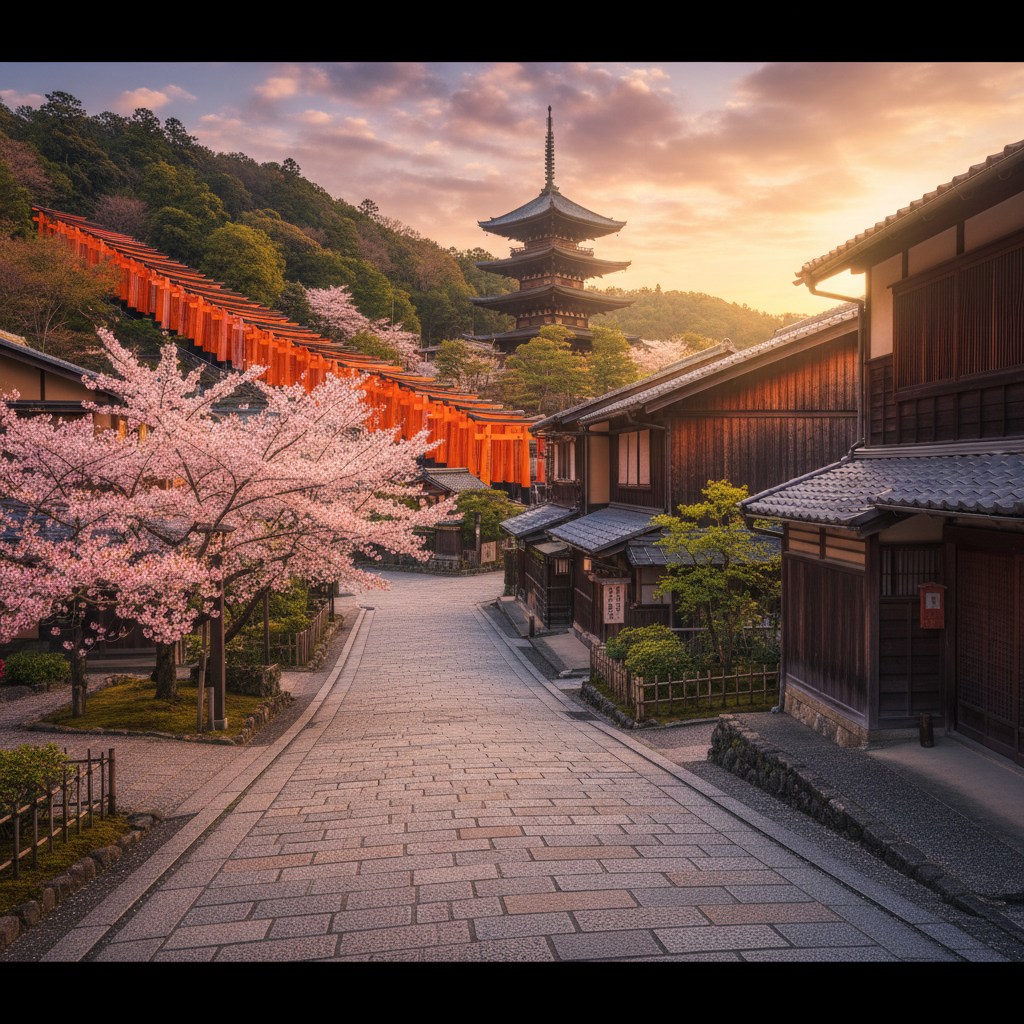
Kyoto in 5 Days: A Journey Through Ancient Traditions and Modern Charm
The definitive 5-day Kyoto itinerary — Fushimi Inari, Arashiyama, Nara day trip, Higashiyama, and Nijo Castle. Real prices, real logistics, real insider knowledge.
- Duration: 5 Days
- Estimated Budget: $2,500–$4,500
- Best Time to Visit: Spring (March-May) for cherry blossoms and autumn (October-November) for vibrant fall foliage are ideal, though Kyoto is beautiful year-round.
- Destination: Kyoto, Japan
Kyoto, the ancient capital of Japan, is a city where time-honored traditions gracefully intertwine with modern life, offering an unparalleled cultural immersion. From serene Zen gardens to vibrant geisha districts, every corner of Kyoto whispers tales of a rich past. Prepare to be enchanted by its beauty, its culinary delights, and the profound sense of peace it instills.
Kyoto often conjures images of serene temples and geishas gracefully navigating cobblestone streets, and while that charm is undeniably present, the true magic lies in its subtle layers. It's not just a city of ancient relics; it's a living, breathing testament to enduring traditions that seamlessly blend with modern life. You'll find a Michelin-starred restaurant nestled beside a centuries-old machiya, or a vibrant anime shop a stone's throw from a tranquil Zen garden. What truly sets Kyoto apart is this quiet resilience – how it has preserved its soul amidst rapid change, offering a depth of cultural immersion that goes far beyond surface-level aesthetics. It’s a city that rewards slow exploration, revealing its secrets to those who linger.
**Who this guide is for:** This guide is meticulously crafted for the discerning traveler who yearns for a deep dive into Japanese culture and history, appreciates meticulous planning, and values authentic experiences over a rushed itinerary. You're likely someone who enjoys exploring ancient temples, participating in traditional ceremonies, and savoring exquisite local cuisine. This trip is ideal for couples or solo travelers seeking a rich cultural immersion, comfortable with extensive walking and public transport. This guide is NOT for budget backpackers seeking hostel-centric nightlife, nor is it designed for families with very young children who might find the pace and focus on historical sites less engaging.
**What makes Kyoto, Japan worth 5 days:** Five days in Kyoto allows for a perfectly balanced exploration, moving beyond the well-trodden paths to uncover its hidden gems without feeling rushed. This duration enables you to dedicate full days to distinct areas like Arashiyama's bamboo groves and temples, Gion's traditional teahouses and Pontocho's atmospheric alleys, and the philosophical walk along the Path of Philosophy culminating at Ginkaku-ji. It provides ample time to engage in unique cultural activities such as a tea ceremony or a cooking class, and even allows for a half-day excursion to Nara to see its famous deer. Any less would feel like a whirlwind, while more might dilute the intensity of the experience for a first-time visitor.
**The honest logistics:** Expect a mid-to-high budget for a comfortable Kyoto trip, roughly ¥15,000-¥30,000 per person per day, excluding flights, depending on accommodation and dining choices. For cherry blossom (late March-early April) or autumn foliage (mid-November) seasons, book flights and accommodations at least 6-9 months in advance; for other times, 3-4 months is usually sufficient. High-demand ryokans, specific tea ceremonies, and kaiseki dinners, especially those with Michelin stars, require reservations months ahead. A common mistake is underestimating the sheer size and spread of Kyoto's attractions; relying solely on taxis will quickly deplete your budget. Master the efficient bus and subway system – purchasing an ICOCA card upon arrival is a wise investment.
Glimpses of Gion: Tranquil Arrival and Evening Enchantment
Arrive at Kansai International Airport (KIX) and take the Haruka Express train to Kyoto Station.
The Haruka Express offers a comfortable and efficient journey directly to the heart of Kyoto, allowing you to relax and enjoy the scenic Japanese countryside immediately upon arrival. It's the fastest way to transition from airport to city center, setting a calm tone for your trip.
Check into your accommodation and freshen up in Gion.
Settling into your hotel in Gion allows for immediate immersion into Kyoto's most historic district, providing a sense of place and comfort after your journey. This downtime is crucial for unwinding and preparing for the cultural delights ahead.
Explore the Nishiki Market (Kyoto's Kitchen) in Nakagyo Ward.
Nishiki Market is a vibrant culinary wonderland, offering a sensory feast of traditional Japanese ingredients, snacks, and street food. It's a fantastic introduction to local flavors and an excellent way to gently ease into Kyoto's bustling atmosphere without feeling overwhelmed.
Stroll through the historic streets of Gion, particularly Hanamikoji-dori.
Wandering through Gion's preserved wooden machiya houses and lantern-lit alleys offers a captivating glimpse into old Kyoto, evoking a sense of timeless beauty. This iconic district is where you might catch a fleeting glimpse of a geiko or maiko, adding to its magical allure.
Enjoy a traditional Kaiseki dinner in Gion.
A Kaiseki dinner is an art form, a multi-course culinary journey that showcases seasonal ingredients and exquisite presentation, offering a profound taste of Japanese gastronomic culture. It's an unforgettable dining experience that perfectly caps off your arrival day with elegance and flavor.
Leif's Tip: After checking in, resist the urge to power through too many sights. Instead, prioritize a leisurely walk and a fantastic meal. The true magic of Kyoto often unfolds in its quiet moments and culinary delights, especially on an arrival day.
Most visitors to Kyoto spend their first morning at Fushimi Inari and miss the real city entirely. Planning a deep cultural dive into Kyoto isn't just about listing temples; it's about understanding the subtle nuances of opening hours for private gardens, deciphering the best times to visit a specific artisan's workshop to see them at work, or knowing which traditional machiya offers an authentic tea ceremony versus a tourist-focused demonstration. The sheer volume of historical sites can be overwhelming, making it difficult to prioritize without feeling like you're missing out on something crucial. Furthermore, navigating the intricate bus system to reach lesser-known shrines, or understanding the etiquette for interacting with locals in Gion, requires more than just a map. This is precisely where Leif shines, transforming potential confusion into a seamless journey through Kyoto's ancient heart.,Nishiki Market is more than just a place to find delicious food; it's a testament to the fact that planning is key in Kyoto. Instead of scrambling to figure out which train line to take to Arashiyama, or wondering if the Tenryu-ji temple will be overrun by tour groups, Leif has already provided you with a perfectly timed schedule. You'll know to arrive at the bamboo grove just as the first rays of sun filter through, offering a moment of serene solitude before the crowds arrive. Leif guides you to a local, family-run soba shop for an authentic breakfast, rather than a generic hotel buffet, ensuring your culinary journey begins with genuine flavors. Later, when you're contemplating a visit to a specific pottery studio in Kiyomizu-dera, Leif will have already checked its seasonal hours and even suggested a nearby, less-frequented garden that offers a unique perspective on traditional landscaping, ensuring every moment is optimized for cultural immersion.,The subtle scent of burning incense from a nearby temple, mingling with the crisp morning air, is your daily welcome in Kyoto. You arrive at each destination not with uncertainty, but with a quiet confidence, knowing the history, the significance, and the best way to experience it. There’s no frantic searching for directions, no second-guessing your choices, just a profound sense of being present in a city that has preserved its soul for centuries. This preparation allows you to truly absorb the intricate beauty of a rock garden, appreciate the delicate artistry of a kimono, or understand the profound peace within a Zen meditation hall. With Leif, you don't just visit Kyoto; you connect with its enduring spirit, leaving with a treasure trove of authentic experiences that will resonate for a lifetime. [Your First Trip to Asia Will Define Every Trip After It. Here's Where to Start.](https://askleif.com/blog/your-first-trip-to-asia-will-define-every-trip-after-it)
Best Time to Visit Kyoto, Japan
Alright, let's talk timing for your Kyoto adventure. Hands down, the absolute sweet spot is late March to early April for the iconic cherry blossom season, or mid-November for the breathtaking autumn foliage. While these periods are undeniably popular, the sheer beauty is worth navigating slightly larger crowds. Temperatures are blissfully mild, hovering around 50-65°F (10-18°C), making it perfect for exploring. Prices for flights and accommodation will be at their peak, so book well in advance – think 6-9 months out – to snag decent deals. The atmosphere during these times, with the city awash in pinks, reds, and golds, is truly magical and a quintessential Kyoto experience.
If you want to dodge the absolute peak season crowds and prices, consider visiting in May or October. May offers pleasant weather, typically 60-75°F (15-24°C), and the fresh greenery is stunning. October, after the summer heat, brings crisp air and comfortable temperatures, usually 55-70°F (13-21°C), with fewer tourists than the autumn foliage rush. You'll still experience beautiful scenery and vibrant cultural events, but with a bit more breathing room and potentially better deals on flights and hotels. The trade-off is you'll miss the most dramatic cherry blossom or autumn leaf displays, but you'll gain a more relaxed pace.
Definitely try to avoid late June through August. This is Kyoto's summer, and it's notoriously hot and humid, often reaching 90°F (32°C) with high humidity. While there are some summer festivals, the oppressive weather can make sightseeing uncomfortable. Also, the rainy season (tsuyu) typically runs from early June to mid-July, bringing frequent downpours. While it doesn't rain all day, every day, it can certainly dampen your outdoor plans. If you're on a budget, you might find some deals, but honestly, the discomfort often outweighs the savings.
Getting Around Kyoto, Japan
Navigating Kyoto is surprisingly straightforward, and your primary mode of transport will undoubtedly be the city's excellent bus and subway system. The most efficient way to pay is with an ICOCA card (or any other IC card like Suica or Pasmo, which are interchangeable across Japan). You can purchase and top up these cards at any major station or convenience store. A single subway ride typically costs around 210-260 JPY, and bus fares are usually a flat 230 JPY. Google Maps is your absolute best friend here; it provides accurate real-time public transport directions, including platform numbers and transfer information. Download the maps offline for extra peace of mind.
While public transport is king, there are other great options. For shorter distances or when you want to explore at your own pace, renting a bicycle is a fantastic choice, especially in flatter areas like Arashiyama or around the Imperial Palace. Expect to pay around 1,000-1,500 JPY for a full day's rental. Taxis are readily available and can be convenient for late-night travel or when you're tired, but they are significantly more expensive than public transport, with a starting fare around 500-700 JPY. Rental cars are generally not recommended for exploring central Kyoto due to heavy traffic, expensive parking, and excellent public transport.
A practical tip for families: while most subway stations have elevators, bus travel with a stroller can be a bit challenging during peak hours due to crowds. Consider using a baby carrier for easier mobility. For those with luggage, many major train stations (like Kyoto Station) offer coin lockers in various sizes, perfect for storing bags while you explore before check-in or after check-out. Prices range from 300-700 JPY depending on size and duration. Also, remember to always queue politely and wait for passengers to disembark before boarding any public transport.
What to Pack
- A portable Wi-Fi device or local SIM card is essential for navigating Kyoto's intricate streets and public transport, as free public Wi-Fi is not always reliable, especially outside major tourist hubs.
- Comfortable walking shoes are paramount, as exploring Kyoto's temples, shrines, and gardens often involves extensive walking and climbing stairs, particularly at Fushimi Inari-taisha or Kiyomizu-dera.
- A small coin purse is highly recommended, as many smaller shops, temples, and vending machines in Kyoto still prefer or only accept cash, and you'll accumulate many 100-yen coins.
- A lightweight, foldable umbrella or rain jacket is advisable, as Kyoto can experience sudden rain showers, especially during spring and autumn, and it's useful for sun protection during warmer months.
- Modest clothing, such as tops that cover shoulders and long pants or skirts, is important for visiting temples and shrines out of respect for local customs and religious practices.
- A portable power bank is crucial for keeping your phone charged throughout long days of sightseeing and using navigation apps, as outlets may not always be readily available.
Money-Saving Tips
- Purchase a Kyoto City Bus One-Day Pass for 700 JPY if you plan to make more than three bus journeys in a single day, as a single ride costs 230 JPY, saving you money on extensive sightseeing.
- Opt for lunch sets (teishoku) at local restaurants, which often offer substantial meals for 1,000-1,500 JPY, providing better value than dinner options for the same dishes.
- Utilize convenience stores like 7-Eleven, FamilyMart, or Lawson for affordable and delicious breakfast items, snacks, and even full meals, often costing less than 500 JPY per item.
- Consider visiting temples and shrines during their opening hours or later in the afternoon to avoid peak crowds, and many offer free entry to their grounds, with fees only for specific halls or gardens, typically around 300-600 JPY.
- Book accommodations well in advance, especially if traveling during cherry blossom season (late March to early April) or autumn foliage (mid-November), as prices can increase by 50-100% for last-minute bookings.
Local Insights
- Most traditional Japanese restaurants in Kyoto operate on a cash-only basis, so always carry enough yen, especially when dining in Gion or Pontocho alley, where many charming local eateries are found.
- When visiting temples and shrines, always remove your shoes before entering certain areas, indicated by a raised floor or a sign, and place them neatly in the provided shoe racks or plastic bags.
- Kyoto's public transportation, primarily buses and trains, is incredibly punctual and efficient; however, buses can get very crowded during peak tourist seasons, so allow extra travel time.
- While tipping is not customary in Japan and can even be considered rude, a small gift (omiyage) or a polite 'arigato gozaimasu' (thank you very much) is always appreciated for exceptional service.
- The best time to experience the tranquility of popular sites like Arashiyama Bamboo Grove or Fushimi Inari-taisha is early in the morning, right at opening, before the large tour groups arrive, offering a more serene and authentic experience.
Frequently Asked Questions
What's the absolute best time to visit Kyoto for a 5-day trip?
For a 5-day trip to Kyoto, the sweet spots are undoubtedly spring (late March to early May) for the cherry blossoms and autumn (late October to early December) for the vibrant fall foliage. Spring brings a magical atmosphere, but it's incredibly popular and crowded, requiring advance bookings for nearly everything. Autumn offers equally stunning scenery with slightly fewer crowds than peak cherry blossom season, and comfortable temperatures. If you prefer fewer tourists and don't mind cooler weather, late January/February can be surprisingly charming with plum blossoms and a quieter, more reflective Kyoto. Avoid summer (June-August) due to high humidity and heat, and the rainy season in June.
What's a realistic budget for 5 days in Kyoto, excluding flights?
Excluding international flights, a realistic budget for 5 days in Kyoto for a comfortable trip ranges from $1,000 to $2,000 per person. This covers mid-range accommodation (think a nice hotel or ryokan for a night or two), daily meals (a mix of street food, casual restaurants, and a splurge or two), transportation, entrance fees to temples and gardens, and some souvenir shopping. You can certainly do it for less by opting for hostels and budget eateries, or spend significantly more if you're aiming for luxury ryokans, Michelin-starred dining, and private tours. Public transport is efficient and affordable, which helps keep costs down.
What should I absolutely book in advance for a 5-day Kyoto trip?
For a 5-day Kyoto trip, booking accommodation well in advance is paramount, especially during cherry blossom or autumn foliage seasons – think 4-6 months out. Popular ryokans and boutique hotels fill up incredibly fast. If you plan to experience specific cultural activities like a traditional tea ceremony, a maiko/geisha show, or a cooking class, secure those bookings at least 1-2 months ahead. For popular restaurants, especially high-end kaiseki, reservations might be needed weeks or even months in advance. Shinkansen (bullet train) tickets are generally fine to book a few days prior, but for peak travel times, booking a week or two out ensures your preferred time and seat.
What's the best way to get around Kyoto for a first-timer?
Kyoto's public transportation system is excellent and the best way for a first-timer to get around. The city has two subway lines and an extensive bus network. For most tourist attractions, buses are your best friend, often dropping you right at the entrance. Consider purchasing a Kyoto City Bus & Subway Pass for 1 or 2 days, which offers unlimited rides and can be very cost-effective. Taxis are readily available but can add up quickly. Walking is also a fantastic way to explore specific neighborhoods like Gion or Arashiyama. Google Maps is incredibly accurate for real-time public transport directions; just make sure you have a reliable data connection.
What are some common mistakes travelers make when visiting Kyoto?
One common mistake is trying to cram too much into each day. Kyoto is best savored slowly; allow ample time at each temple or garden for reflection. Another error is underestimating travel times between districts; while efficient, buses can get stuck in traffic. Many travelers also forget to carry enough cash, as some smaller shops, restaurants, and temple entrance fees are cash-only. Not respecting local customs, like being overly loud in quiet areas or taking photos of geisha without permission, is another pitfall. Finally, don't just stick to the main tourist circuit; venture into smaller alleys and less-known temples for a more authentic experience.
What should I pack for a 5-day trip to Kyoto?
Packing for Kyoto depends heavily on the season. Regardless, comfortable walking shoes are non-negotiable – you'll be doing a lot of walking! Layers are always a good idea, even in spring or autumn, as temperatures can fluctuate. A lightweight, packable rain jacket or umbrella is essential for any time of year. If visiting temples, remember you'll often remove your shoes, so easy-to-slip-on footwear is convenient. For spring/autumn, a light jacket or cardigan is sufficient. In winter, you'll need warmer coats, scarves, and gloves. Don't forget a portable power bank for your phone, as you'll be using it for navigation and photos.
Beyond the main temples, what's a unique Kyoto experience you'd recommend?
Beyond the iconic temples, I highly recommend dedicating an evening to exploring the Pontocho Alley. It's a narrow, atmospheric lane running parallel to the Kamo River, famous for its traditional wooden machiya houses that now host a fantastic array of restaurants and bars. While Gion is well-known for geisha spotting, Pontocho offers a more intimate and less crowded glimpse into Kyoto's nightlife and dining scene. You might even catch a glimpse of a maiko or geiko hurrying to an engagement. It’s a perfect place to enjoy a delicious meal, soak in the traditional ambiance, and feel the pulse of Kyoto after dark.