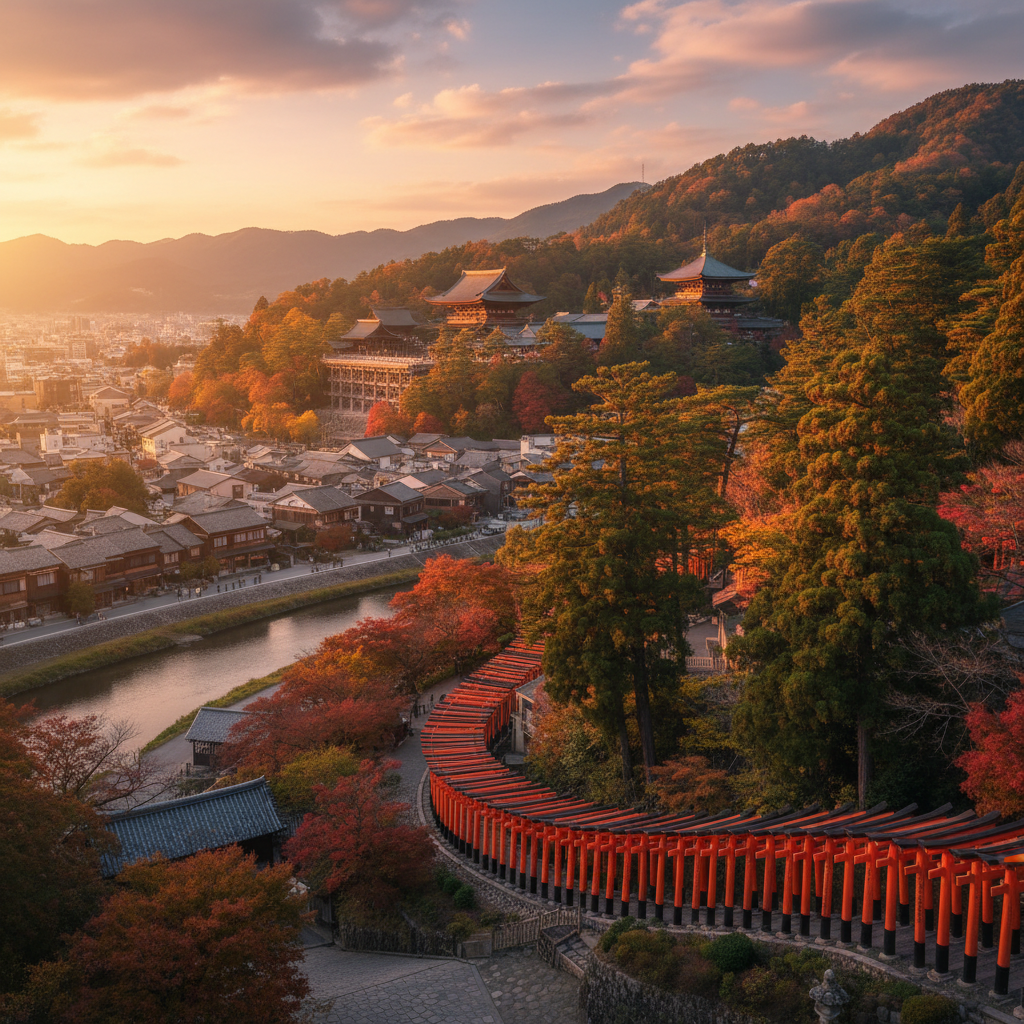
Kyoto in 5 Days: A Journey Through Japan's Ancient Capital of Culture and History
The definitive 5-day Kyoto itinerary — Fushimi Inari, Arashiyama, Kinkakuji, Ryoanji, Kiyomizudera, Philosopher Path, and Nara day trip. Real logistics, real prices, insider knowledge.
- Duration: 5 Days
- Estimated Budget: $1,500–$3,000
- Best Time to Visit: March–May for cherry blossoms; October–November for autumn leaves and pleasant weather
- Destination: Kyoto, Japan
Wander through the ancient stone paths of Gion, where geisha once graced the teahouses, and you'll find yourself in Kyoto, Japan's former imperial capital. This city is a living museum, offering a profound glimpse into Japanese culture through its exquisite temples, tranquil gardens, and historic wooden machiya houses. Prepare to be enchanted by the timeless beauty and spiritual serenity that permeates every corner of this incredible destination.
Kyoto often conjures images of serene temples and geisha gracefully navigating ancient streets, and while that beauty is absolutely present, what truly sets it apart is its profound, almost tangible connection to Japan's imperial past, woven seamlessly into modern life. Unlike Tokyo's relentless futuristic pulse, Kyoto offers a slower, more contemplative rhythm, where a 1,200-year-old shrine can sit beside a contemporary art gallery, and traditional tea houses thrive amidst bustling shopping arcades. It's not just about seeing history; it's about feeling its continuous presence, a living museum where ancient rituals are still practiced daily, offering a depth of cultural immersion few other cities can rival. This isn't a city that merely preserves its past; it actively lives it.
**Who this guide is for:** This guide is meticulously crafted for the culturally curious traveler who yearns for a deep dive into Japanese history, art, and traditional aesthetics, appreciating thoughtful exploration over a fast-paced checklist. It's ideal for those who find joy in wandering through historic districts like Gion, savoring a multi-course kaiseki meal, or quietly contemplating a Zen garden. If you're seeking vibrant nightlife, theme parks, or a purely modern urban escape, this itinerary might not align with your travel style. This journey is for the individual or couple who values authenticity, tranquility, and a rich narrative over superficial sightseeing.
**What makes Kyoto, Japan worth 5 days:** Five days in Kyoto allows for an ideal balance between comprehensive exploration of its iconic sites and the opportunity to delve into its lesser-known, equally enchanting corners without feeling rushed. This duration prevents the common mistake of trying to cram too much into a single day, which can dilute the profound cultural experience Kyoto offers. It provides ample time to visit major landmarks like Kinkaku-ji (Golden Pavilion) and Fushimi Inari-taisha, explore the Arashiyama Bamboo Grove, participate in a tea ceremony, and still have moments for serendipitous discoveries in neighborhoods like Higashiyama. This pacing ensures you can truly absorb the atmosphere, revisit favorite spots, and even take a half-day trip to Nara, making the most of Kyoto's central Kansai location.
**The honest logistics:** Budget-wise, expect Kyoto to be moderately expensive, with daily costs ranging from 15,000 JPY (approximately $100 USD) for budget travelers to 40,000+ JPY (approximately $270+ USD) for comfortable mid-range options, excluding international flights. Accommodation and popular activities should be booked 3-6 months in advance, especially for cherry blossom (March-April) and autumn foliage (October-November) seasons, when prices surge and availability plummets. Specific experiences like traditional ryokan stays, kaiseki dinners, and popular cultural workshops often require reservations weeks or even months ahead. A common mistake is underestimating the sheer size and spread of Kyoto; relying solely on walking is impractical. Invest in a good transit pass or familiarize yourself with the bus system from day one to maximize your exploration time.
Gion's Gentle Embrace: Arrival & Ancient Alleyways
Check into your accommodation in Gion and refresh.
Gion offers an unparalleled blend of traditional charm and modern convenience. Settling in here immediately immerses you in Kyoto's historic heart, preparing you for the cultural journey ahead.
Explore Hanamikoji Dori in Gion.
Strolling down Hanamikoji Dori is like stepping back in time, with its preserved wooden machiya houses and exclusive ochaya (teahouses). This iconic street provides a quintessential glimpse into Kyoto's geisha district, where elegance and tradition still flourish.
Visit Kiyomizu-dera Temple (Higashiyama District).
Perched on a hillside, Kiyomizu-dera offers breathtaking panoramic views of Kyoto, especially beautiful in the late afternoon light. Its iconic wooden stage, built without a single nail, is a testament to ancient Japanese craftsmanship and a profound spiritual site.
Wander through Sannenzaka and Ninenzaka slopes.
These charming, stone-paved slopes, leading up to Kiyomizu-dera, are lined with traditional shops selling ceramics, sweets, and souvenirs. The historical atmosphere and beautifully preserved architecture make for a delightful pre-dinner stroll, perfect for soaking in Kyoto's ambiance.
Leif's Tip: After settling in, grab a quick, light snack from a local convenience store (konbini) or a small bakery. This will hold you over until dinner and allow you to fully enjoy your first iconic Kyoto experience without being overly concerned about immediate meal plans.
Navigating Kyoto's profound cultural landscape without a clear, informed plan often means missing its most enriching experiences. You might find yourself inadvertently caught in tourist traps, struggling to discern truly authentic tea houses from those catering solely to fleeting visitors, or overlooking serene, centuries-old gardens tucked away on quiet streets. Deciphering the intricate bus routes to reach a specific temple before the crowds, understanding the nuances of temple etiquette, or identifying the best times to visit a particular shrine to witness a traditional ceremony can be genuinely challenging. Furthermore, securing reservations for a traditional kaiseki dinner or a private cultural workshop requires not just foresight but often local knowledge and language proficiency. These are the precise friction points Leif addresses, transforming potential confusion into seamless exploration.
Hanamikoji Dori unveils Kyoto's hidden depths, where Leif's expertly crafted itinerary transforms your visit into a discovery of authentic local treasures. You're directed to a specific, less-trafficked entrance, ensuring you experience the market's vibrant morning rhythm before the peak crowds arrive. Leif provides context on the historical significance of specific stalls, suggesting which traditional snacks to sample and even recommending a nearby, family-run craft shop known for its exquisite ceramic artistry, a place you would never find in a standard guidebook. This isn't just about getting you from point A to point B; it's about enriching each step with curated insights and authentic encounters, ensuring your cultural journey feels deeply personal and genuinely informed.
The subtle scent of cypress wood and blooming azaleas, carried on a gentle breeze through a quiet temple garden, becomes a moment of profound peace, not a hurried photo opportunity. Arriving in Kyoto with a Leif-built itinerary means you're not just a visitor; you're an informed participant in its living history. You'll move through ancient districts with purpose, knowing the stories behind the wooden facades and the significance of the rituals you observe. This preparation allows you to fully immerse yourself, to feel the city's unique pulse without the stress of constant decision-making. You'll leave Kyoto not just with photographs, but with a deep, resonant understanding of its soul, ready to carry that tranquility and cultural appreciation with you long after your journey concludes.
Best Time to Visit Kyoto, Japan
Alright, let's talk timing for your Kyoto adventure. Hands down, the absolute best time to visit is during the spring (late March to early May) or autumn (late October to early December). Spring brings the iconic cherry blossom season, transforming the city into a delicate pink wonderland. Temperatures are delightfully mild, averaging 10-20°C (50-68°F), perfect for exploring. However, be prepared for significant crowds and higher accommodation prices – everyone wants to see those blossoms! Autumn offers equally stunning scenery with vibrant fall foliage, and the weather is similarly pleasant, making it ideal for walking and sightseeing without the intense spring crowds.
If spring and autumn don't align with your schedule, late May to early July can be a fantastic second option. You'll still enjoy warm, sunny days with temperatures hovering around 20-28°C (68-82°F), and the lush greenery of the gardens is at its peak. The crowds are noticeably thinner than in peak spring, and you might snag some better deals on flights and hotels. The trade-off? You're edging closer to the rainy season, so be sure to pack an umbrella or light rain jacket, as afternoon showers are more common.
Now, for what to avoid if possible: the peak summer months of July and August. Kyoto gets incredibly hot and humid, with temperatures often soaring above 30°C (86°F) and high humidity making it feel even more oppressive. This is also the heart of the rainy season, with frequent heavy downpours. While you'll find fewer tourists, the discomfort can really detract from your experience. Similarly, the depths of winter (January and February) can be quite cold, with temperatures sometimes dropping below freezing, and many outdoor attractions might feel less magical under a grey sky.
Getting Around Kyoto, Japan
Getting around Kyoto is surprisingly easy and efficient, and your best friend will be the city's excellent public transportation system. The subway and bus networks cover virtually every corner of the city. We highly recommend purchasing an ICOCA card (or Pasmo/Suica, which are also accepted) upon arrival. This rechargeable smart card works on all trains, subways, and buses, saving you the hassle of buying individual tickets. Simply tap and go! You can purchase and top up ICOCA cards at ticket machines in any major station. A typical bus ride costs around 230 JPY, and subway fares vary by distance, usually starting from 210 JPY. For navigation, Google Maps is incredibly accurate and will provide real-time public transit directions.
While public transport is king, there are other options. Taxis are readily available, especially in tourist areas, and can be convenient for shorter distances or late-night returns, but they are significantly more expensive than buses or subways. Expect a base fare of around 500-600 JPY. Rental cars are generally not recommended for exploring Kyoto itself due to narrow streets, heavy traffic, and expensive parking; they're better suited for day trips outside the city. For a more scenic and active way to see the city, consider renting a bicycle. Kyoto is relatively flat in its central areas, and many temples and shrines are easily accessible by bike. Rental shops are plentiful, with daily rates typically ranging from 1,000-1,500 JPY.
A quick tip for travelers: if you're traveling with luggage, consider using the luggage forwarding services available at most hotels and train stations. This allows you to send your bags ahead to your next destination or even directly to the airport, making your travel days much lighter. For those with strollers, Kyoto's public transport is generally accessible, but some older temples and shrines might have stairs or uneven paths. Always check accessibility information beforehand. Car seats are not legally required in taxis for children over a certain age/height, but if you prefer one, you'd need to arrange a private car service in advance.
What to Pack
- Comfortable walking shoes — essential for exploring Kyoto's numerous temples, shrines, and gardens, as you'll be doing a lot of walking on uneven paths and cobblestone streets.
- Portable power bank — crucial for keeping your phone charged while using navigation apps, taking photos, and translating, especially during long days of sightseeing.
- Lightweight scarf or shawl — useful for covering shoulders when entering sacred temple grounds, and for adding a layer of warmth in air-conditioned spaces or cooler evenings.
- Coin purse — invaluable for handling the abundant 100-yen and 500-yen coins used for vending machines, small purchases, and temple entrance fees in Japan.
- IC card (e.g., ICOCA, Pasmo, Suica) — pre-loadable card for seamless travel on Kyoto's buses and subways, saving time from buying individual tickets and often offering slight discounts.
- Small backpack or day bag — ideal for carrying essentials like water, guidebooks, souvenirs, and any layers you might shed while exploring throughout the day.
Money-Saving Tips
- Utilize the Kyoto City Bus & Subway One-Day Pass for 900 JPY (or 1,300 JPY for two days) if you plan on visiting multiple attractions in a day, as single bus fares are typically 230 JPY.
- Look for 'teishoku' (set meals) at local eateries, especially during lunch hours (11 AM - 2 PM), where you can often get a full meal with rice, soup, and sides for around 800-1,500 JPY, significantly cheaper than dinner options.
- Purchase drinks from convenience stores (konbini) like 7-Eleven, FamilyMart, or Lawson, where a 500ml bottle of water or tea costs around 100-150 JPY, compared to 200-300 JPY from vending machines or cafes.
- Consider staying in a traditional ryokan or guesthouse that includes breakfast, as this can save you 1,000-2,000 JPY per person daily on morning meals.
- Walk whenever possible between attractions in areas like Gion or Higashiyama; not only is it free, but it also allows you to discover hidden shops and quaint streets you might miss on public transport.
Local Insights
- Many smaller, traditional restaurants in Kyoto, especially in areas like Gion, may not have English menus, but often have plastic food displays outside; simply point to what you'd like to order.
- While tipping is not customary in Japan and can even be considered rude, a small gift (omiyage) from your home country can be a thoughtful gesture if you receive exceptional service, particularly in a ryokan.
- The best time to visit popular temples like Fushimi Inari Taisha and Kinkaku-ji is early in the morning (before 9 AM) or late afternoon (after 4 PM) to avoid the largest crowds and experience a more serene atmosphere.
- Kyoto's bus system is extensive but can be confusing; download a reliable navigation app like Google Maps or Japan Transit Planner, which provides accurate bus routes and times in English.
- Don't be afraid to explore the smaller side streets and alleys, especially in areas like Pontocho or Nishiki Market, as these often hide charming cafes, artisan shops, and local eateries that offer a more authentic experience away from the main tourist thoroughfares.
Frequently Asked Questions
What's the best time of year to visit Kyoto for 5 days?
The absolute best times to visit Kyoto are spring (late March to early May) for cherry blossoms and autumn (late October to early December) for vibrant fall foliage. Both seasons offer stunning scenery and pleasant temperatures, but they are also the most crowded and expensive. If you prefer fewer crowds and lower prices, consider early June or late September. Summer (July-August) can be very hot and humid, while winter (December-February) is cold but offers a unique, serene beauty, especially if you catch a rare snowfall. For a 5-day trip, aiming for the shoulder seasons can provide a good balance.
How much should I budget for a 5-day trip to Kyoto?
For a comfortable 5-day trip to Kyoto, a budget of $1,500–$3,000 per person is a realistic range, excluding international flights. This typically covers mid-range accommodation (around $100-200/night), daily meals (expect $50-100+ for varied dining, including some nice experiences), transportation within the city (bus/subway passes are efficient), and entrance fees to temples and attractions (around $5-10 per site). If you plan on luxury dining, high-end ryokans, or extensive shopping, your budget will lean towards the higher end. Conversely, budget-conscious travelers can certainly spend less by opting for hostels, street food, and free attractions.
What should I book in advance for a 5-day trip to Kyoto?
For a smooth 5-day trip, definitely book your accommodation well in advance, especially if traveling during cherry blossom or autumn foliage seasons – 3-6 months out isn't too early. If you plan to stay in a traditional ryokan or a popular boutique hotel, these also fill up quickly. For specific experiences like a Gion walking tour with a geisha, a traditional tea ceremony, a cooking class, or a highly-rated kaiseki dinner, booking a few weeks to a month ahead is wise. Your Japan Rail Pass (if using) should also be purchased before you arrive in Japan. Most temple entrances can be paid on arrival.
What's the best way to get around Kyoto for 5 days?
Kyoto's public transportation is excellent. For 5 days, a combination of buses and the subway is usually the most efficient. The bus network is extensive and reaches most major attractions, though traffic can be an issue. The subway is faster for longer distances across the city. Consider purchasing a Kyoto City Bus & Subway Pass for 1 or 2 days if you plan on heavy usage; otherwise, individual tickets or an IC card (like an ICOCA, Suica, or Pasmo) are convenient. Taxis are readily available but can be expensive. Walking is also a fantastic way to explore specific neighborhoods like Gion or Arashiyama.
What should I pack or prepare for a 5-day trip to Kyoto?
Pack comfortable walking shoes – you'll be doing a lot of walking! Layers are key, especially during spring and autumn, as temperatures can fluctuate. Bring a compact umbrella or light rain jacket, as Kyoto can have sudden showers. A portable power bank for your phone is essential for navigation and photos. For temple visits, modest attire is respectful; avoid overly revealing clothing. Also, consider a small daypack for essentials. Don't forget any necessary prescription medications, and a universal adapter if your electronics aren't compatible with Japanese outlets (Type A/B, 100V). Lastly, download offline maps and translation apps.
What are some common mistakes to avoid when visiting Kyoto for 5 days?
A common mistake is trying to cram too much into each day. Kyoto has so much to offer that it's easy to feel rushed. Instead, focus on a few key areas or themes each day to truly savor the experience. Another error is relying solely on the subway; many popular sites are best reached by bus, so familiarize yourself with the bus network. Don't forget to carry some cash, as many smaller shops and restaurants, especially in traditional areas, may not accept cards. Lastly, be mindful of local customs, such as removing shoes before entering certain establishments and keeping noise levels down in temples and residential areas.
Is it worth visiting Arashiyama Bamboo Grove and Fushimi Inari-taisha on the same day?
While it's technically possible to visit both Arashiyama Bamboo Grove and Fushimi Inari-taisha on the same day, it's generally not recommended for a truly immersive experience, especially with only 5 days in Kyoto. Both sites are quite extensive and located on opposite sides of the city, requiring significant travel time between them. Fushimi Inari-taisha can take 2-3 hours to fully explore the thousands of torii gates, and Arashiyama, with its bamboo grove, Tenryu-ji Temple, and Togetsukyo Bridge, easily warrants a half to full day. Trying to rush both can lead to exhaustion and a feeling of being underwhelmed. It's better to dedicate separate half-days or full days to each.