Tel Aviv City Guide: 4 Days of Bauhaus, Beaches & Hummus
Dive into Tel Aviv's 24/7 energy with this 4-day city guide. Explore Bauhaus architecture, ancient Jaffa, vibrant markets, and the best hummus circuit.
- Duration: 4 Days
- Estimated Budget: $800–$1,500
- Best Time to Visit: April-May and September-October for pleasant weather and fewer crowds.
- Destination: Tel Aviv, Israel
Tel Aviv is a city that genuinely never sleeps, a hedonistic haven where ancient history meets a pulsating modern beat. This guide is your key to unlocking the full spectrum of its identity, from UNESCO-listed Bauhaus architecture to world-class hummus and an electrifying nightlife scene. <div class="blog-backlink" style="margin-top:2rem;padding:1rem;background:#f8f9fa;border-left:4px solid #e85d26;border-radius:4px;"><p style="margin:0;font-size:0.95rem;">📖 <strong>Want the full Tel Aviv story?</strong> Read our hub post: <a href="https://askleif.com/blog/tel-aviv-doesnt-sleep-on-friday-night-it-holds-its-breath" style="color:#e85d26;font-weight:600;">Tel Aviv Doesn't Sleep on Friday Night. It Holds Its Breath.</a></p></div>
Stepping onto the bustling promenade that hugs the coastline, you immediately grasp the city's vibrant outdoor life. This continuous stretch, known locally as the tayelet, is a living canvas where joggers, cyclists, and sun-seekers mingle from dawn until well past dusk. You'll witness impromptu beach volleyball games, hear the rhythmic paddle of matkot (beach tennis), and smell the salty air mixed with street food. It’s a place where the city truly breathes, offering a constant backdrop of Mediterranean blue and the easygoing rhythm of a population that lives for the sun and sea. This public space is more than just a walkway; it's the city's unofficial living room, always open, always inviting, and always buzzing with energy.
Is it possible to truly experience the city's culinary heart without getting lost in tourist traps? Absolutely, and it's simpler than you might think. The key lies in understanding the local rhythm and knowing where the genuine flavors reside. Focus on the places where locals queue, particularly for the morning rush at spots specializing in traditional Levantine breakfast fare. These establishments often have limited hours, closing once their fresh batches are sold out, which is a clear indicator of authenticity and quality. Don't be afraid to venture a few blocks off the main tourist arteries; often, the best bites are found in unassuming storefronts tucked away on side streets, serving up generations-old recipes with pride and passion.
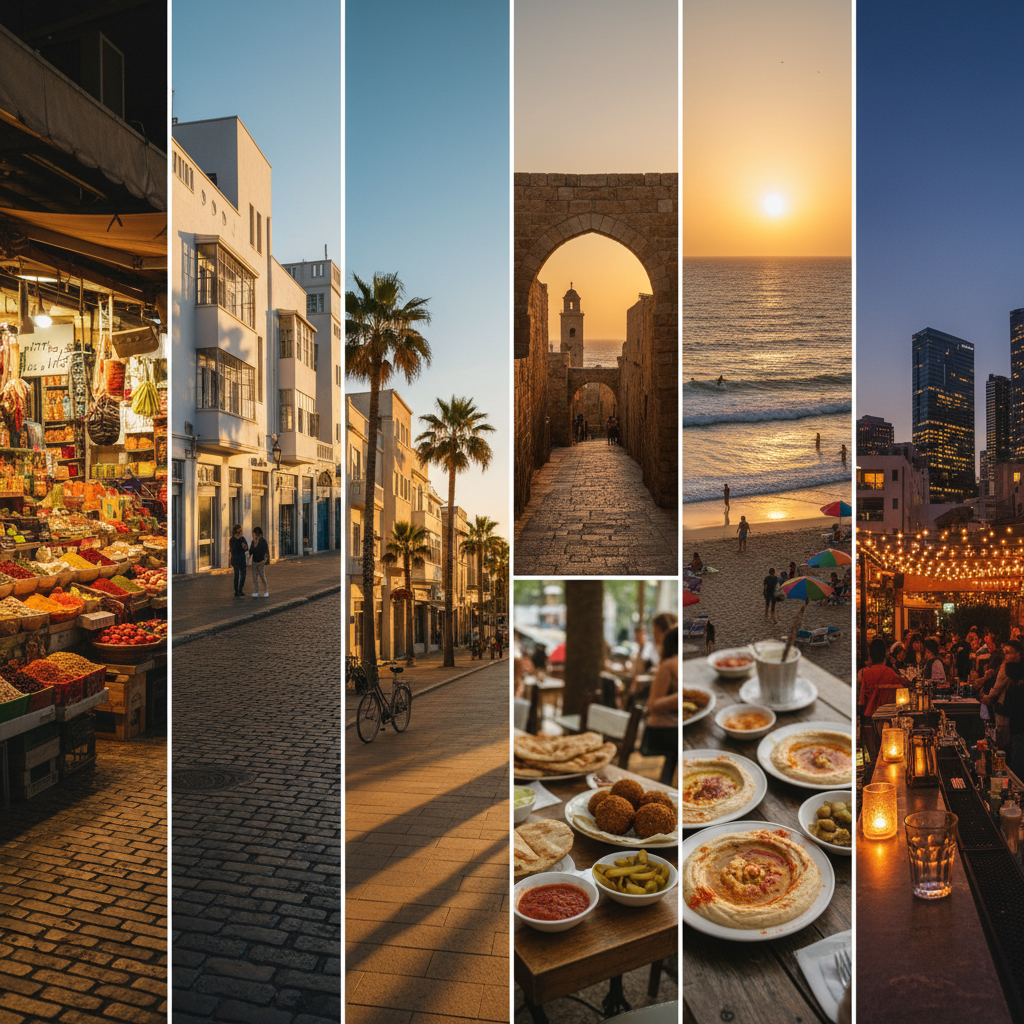
Travelers exploring this dynamic city spend their mornings diving deep into sensory experiences, perhaps haggling for spices and sampling exotic fruits at a sprawling open-air market, absorbing the vibrant chaos. Afternoons often involve a leisurely stroll through a historic quarter, admiring unique architectural styles that tell a story of refuge and rebirth, before finding a shaded spot for a strong coffee. As the sun dips, you might find yourself joining the throngs heading towards the western horizon, ready to witness a spectacular sunset over the water, a daily ritual that brings everyone together. Evenings then transition into a world of pulsing music and lively conversations, stretching late into the night.
Market Buzz, Bauhaus Beauty, and Neve Tzedek Charm
Dive headfirst into the sensory overload of Shuk HaCarmel, Tel Aviv's vibrant main market, a bustling labyrinth of stalls offering everything from fresh produce to spices and street food.
This is the beating heart of local Tel Aviv life, a place where you can taste, smell, and see the city's authentic energy. It's the perfect introduction to the city's vibrant food scene and everyday culture.
Embark on a self-guided architectural journey through the Bauhaus White City, starting with a stroll down Rothschild Boulevard, the grand spine of this UNESCO World Heritage Site.
Tel Aviv boasts the world's largest collection of Bauhaus buildings, a truly unique architectural heritage. Rothschild Boulevard showcases some of the finest examples, offering a glimpse into the city's fascinating history and design.
Continue your Bauhaus exploration to Dizengoff Square, home to one of Tel Aviv's most iconic and frequently photographed Bauhaus buildings.
Dizengoff Square is a quintessential Tel Aviv landmark, representing the city's modernist vision. The square itself is a lively hub, perfect for observing local life.
Wander into the charming streets of Neve Tzedek, Tel Aviv's oldest neighborhood, characterized by its narrow alleys, boutique shops, and art galleries.
This picturesque neighborhood offers a stark contrast to the Bauhaus modernity, with its beautifully restored historic buildings and bohemian atmosphere. It's a delightful place for a leisurely afternoon stroll and some unique shopping.
Experience the vibrant evening atmosphere of Neve Tzedek, settling into one of its renowned restaurants for dinner.
Neve Tzedek is known for its excellent culinary scene, offering a range of dining experiences from casual to upscale. It's the perfect place to enjoy a delicious meal in a charming setting.
Leif's Tip: Wear comfortable walking shoes today! You'll be covering a lot of ground exploring the market, the Bauhaus streets, and the charming alleys of Neve Tzedek. Also, embrace the local custom of bargaining respectfully in the market for a fun cultural experience.
Between deciphering the nuances of public transport on Shabbat, navigating the labyrinthine alleys of the ancient port city, and knowing which bustling market stalls offer genuine local treasures versus tourist trinkets, Tel Aviv can present a planning puzzle. The city's 24/7 energy means there's always something happening, but discerning the truly authentic experiences from the overwhelming array of options requires local insight. Many travelers find themselves missing out on hidden culinary gems or the best spots for a sunset view because they're simply following generic guides. This is precisely where Leif steps in, transforming potential confusion into a clear, confident path to discovery.
When you're standing at the intersection of Allenby Street and Rothschild Boulevard, wondering if you should turn towards the beach or delve deeper into the city's architectural wonders, Leif has already anticipated that moment. Say you've just finished a morning exploring the vibrant stalls of Shuk HaCarmel and you're craving the city's legendary falafel, but you want the absolute best, not just any falafel. Leif's itinerary will direct you to the exact, unassuming stand known for its crispy, flavorful chickpea fritters, saving you from endless wandering and ensuring you taste the real deal. You land in Tel Aviv, pull up Leif, and within seconds you know exactly where to go, what to eat, and how to experience the city like a seasoned local, not a lost tourist.
You'll arrive in this incredible coastal city knowing exactly where to find the most authentic shakshuka for breakfast, which beach section perfectly matches your vibe, and how to seamlessly transition from a daytime exploration of the Florentin neighborhood's street art to an unforgettable night out in a world-class club. Instead of wasting precious hours researching or second-guessing, you'll be fully immersed, savoring every moment. The difference is feeling the warm Mediterranean breeze on your face as you stroll along the promenade, completely at ease, confident that every choice you make is leading you to the city's very best. Arriving in Tel Aviv with Leif already done means you're not just visiting; you're living the experience from the moment you land.
Best Time to Visit Tel Aviv, Israel
Spring (April-May) and Autumn (September-October) offer ideal weather with warm days and pleasant evenings, perfect for exploring on foot and enjoying the beaches.
Avoid peak summer (July-August) if you're not a fan of intense heat and humidity, though the beach culture thrives year-round.
Winter (November-March) is mild, but you might encounter some rainy days; it's a great time for museum visits and enjoying the city's indoor attractions without the crowds.
Consider visiting during a major festival like Purim (usually March) for a truly unique Tel Aviv party experience, but book accommodations well in advance.
For nightlife enthusiasts, Tel Aviv's party scene is vibrant every night, but weekends (Thursday-Saturday) are when it truly comes alive.
Getting Around Tel Aviv, Israel
Tel Aviv is a very walkable city, especially the central areas, beach promenade, and neighborhoods like Neve Tzedek and Florentin.
Download the Moovit or Google Maps app for efficient public transport navigation; buses are frequent and cover the entire city.
Renting a car isn't recommended for city exploration due to traffic and limited parking; rely on public transport, taxis, or ride-sharing apps like Gett or Uber.
On Shabbat (Friday sunset to Saturday sunset), public transportation largely shuts down, so plan to walk, use taxis, or pre-book private transfers.
Consider renting a bicycle or e-scooter for getting around; Tel Aviv has dedicated bike lanes and numerous rental stations, offering a fun way to see the city.
What to Pack
- Lightweight, breathable clothing (linens, cottons) for warm days, even in spring and autumn.
- Comfortable walking shoes are essential for exploring markets, old cities, and Bauhaus architecture.
- Swimwear and a beach towel – the beach is a central part of Tel Aviv life, year-round.
- Sunscreen, sunglasses, and a wide-brimmed hat to protect against the strong Mediterranean sun.
- A light jacket or cardigan for cooler evenings, especially near the beach or in air-conditioned venues.
- A portable power bank for your phone; you'll be using it for navigation, photos, and finding your next hummus spot.
- A small backpack or cross-body bag for daily essentials and market purchases.
- Modest attire (shoulders and knees covered) if you plan to visit any religious sites, though generally Tel Aviv is very liberal.
Money-Saving Tips
- Embrace Tel Aviv's incredible street food scene – falafel, sabich, and shawarma are delicious, filling, and budget-friendly meals.
- Make your breakfast a hummus experience at places like Abu Hassan; it's a hearty and authentic meal for a fraction of hotel breakfast costs.
- Utilize the extensive bus network; purchasing a Rav-Kav card (rechargeable public transport card) can offer better rates than single tickets.
- Take advantage of the free attractions: the beach, the beach promenade, Jaffa Old City, Carmel Market browsing, and the Bauhaus White City self-guided walks.
- Buy fresh produce and snacks from Carmel Market for picnics on the beach or in a park, saving on restaurant meals.
Local Insights
- Embrace the 'Shabbat Shalom' rhythm: Friday afternoon to Saturday evening, the city slows down. Plan for limited public transport and many businesses closed, but enjoy the peaceful atmosphere.
- Don't be afraid to haggle a little in Carmel Market, especially for non-food items, but always do so respectfully and with a smile.
- The best hummus spots often close when they run out, usually by early afternoon, so plan your hummus circuit for breakfast or an early lunch.
- Tel Aviv operates on a later schedule; dinner often starts around 8 PM, and nightlife doesn't truly kick off until after midnight.
- Learn a few basic Hebrew phrases like 'Boker tov' (good morning), 'Toda' (thank you), and 'Slicha' (excuse me) – locals appreciate the effort.
Frequently Asked Questions
What's the best way to get around Tel Aviv?
Tel Aviv is very walkable, especially its central areas and along the beach. For longer distances, ride-sharing apps like Gett and Uber are readily available and affordable. Public buses are extensive, but navigating them can be tricky for first-timers. Renting a bicycle is also a popular option, with many dedicated bike lanes, particularly along the tayelet and Rothschild Boulevard.
Is English widely spoken in Tel Aviv?
Yes, English is very widely spoken, especially in tourist areas, restaurants, hotels, and among younger generations. You'll have no problem communicating in most situations. Hebrew is the official language, and a few basic phrases like 'Shalom' (hello/peace) or 'Toda' (thank you) are always appreciated.
What's the dress code like in Tel Aviv?
Tel Aviv is a very liberal and casual city. Beachwear is common near the coast, and shorts, t-shirts, and sandals are perfectly acceptable almost everywhere. For nightlife, people tend to dress up a bit more, but it's still generally relaxed. There's no strict dress code unless you're visiting religious sites (which are less common in Tel Aviv itself).
What's the best time of year to visit Tel Aviv?
Spring (April-May) and Autumn (September-October) offer the most pleasant weather, with warm temperatures and less humidity, perfect for exploring. Summers (June-August) are hot and humid but great for beach lovers. Winters (November-March) are mild, with some rain, but still enjoyable for city exploration and fewer crowds.
Are credit cards widely accepted?
Absolutely. Credit cards (Visa, Mastercard, American Express) are widely accepted in almost all establishments, from major restaurants and shops to smaller cafes and market stalls. It's always a good idea to carry some cash for smaller purchases or street vendors, but you can rely heavily on cards.
What are the typical opening hours for shops and restaurants?
Most shops operate from Sunday to Thursday, roughly 9 AM to 7 PM, with shorter hours on Fridays (closing before Shabbat, around 2-3 PM). Many restaurants and cafes are open daily, often until late, with some closing for Shabbat. Nightlife venues typically open around midnight and stay open until the early morning hours.
Is Tel Aviv safe for tourists?
Tel Aviv is generally a very safe city for tourists. Like any major urban center, it's wise to be aware of your surroundings, especially at night, and take standard precautions against petty theft. The atmosphere is vibrant and welcoming, and you'll find people out and about at all hours, contributing to a sense of security.