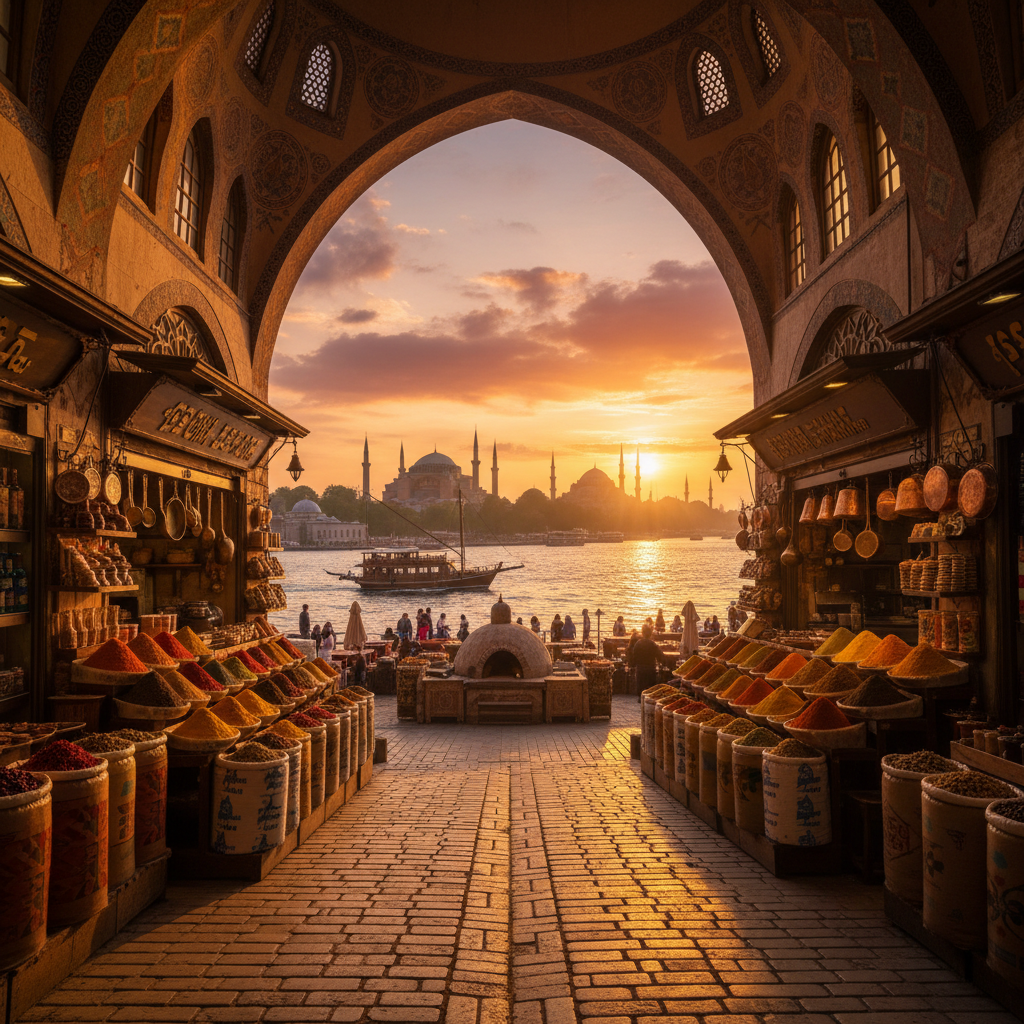
Istanbul Food & Culture: A 4-Day Culinary Journey for the Food-Obsessed
Eat your way through Istanbul on a 4-day food and culture adventure. Discover Bosphorus meyhanes, spice bazaars, and Ottoman kitchen secrets.
- Duration: 4 Days
- Estimated Budget: $400–$800
- Best Time to Visit: April-May and September-October for pleasant weather and outdoor dining.
- Destination: Istanbul, Turkey
<p><em>Planning a trip to Istanbul? Read our <a href="/blog/istanbul-the-city-that-belongs-to-no-one">complete Istanbul travel guide</a> for everything you need to know before you go — from the Hagia Sophia to the Asian shore, the Grand Bazaar to the best baklava in Karaköy.</em></p>Forget the usual tourist trail; in Istanbul, the real story unfolds on your plate. This 4-day guide is crafted for the food obsessive, inviting you to dive fork-first into a city where every bite tells a tale, from the bustling spice stalls of Eminönü to the hidden meyhanes of Karaköy. --- *Planning a trip to Istanbul? Read our full destination hub: The City That Has Been the Center of the World Three Times — and Still Acts Like It*
The moment you step into a local lokanta in Cihangir, the aroma of slow-cooked lamb and simmering lentil soup immediately tells you this isn't just about eating; it's about connection. Here, grandmothers share family recipes passed down through generations, and every dish is a story. You'll find yourself drawn into conversations with chefs who are passionate about regional ingredients, explaining the subtle difference between a Southeastern Turkish isot pepper and a Maras red pepper. It's in these unassuming eateries, far from the tourist throngs, that Istanbul's true culinary heart beats, offering a taste of authentic, soulful cooking that transcends mere sustenance and becomes a cultural immersion.
Is it possible to truly experience Istanbul's diverse food scene without falling into tourist traps? Absolutely, but it requires a discerning palate and a willingness to venture beyond the obvious. Many visitors flock to well-known spots, missing out on the genuine article. The key lies in understanding the rhythm of local life – where locals go for their morning simit, which humble eatery serves the best regional specialty, or how to spot an authentic meyhane from a manufactured one. Leif guides you to these hidden gems, ensuring your culinary journey is filled with genuine flavors and experiences, not just Instagrammable moments.
You'll find yourself navigating the labyrinthine alleys of a historic market on the European side, where vendors proudly display mountains of vibrant spices, glistening olives, and artisanal cheeses. Mornings are spent sipping strong Turkish coffee at a tiny cafe, watching the city awaken, followed by a leisurely, multi-course breakfast that stretches into the late morning. Evenings involve lively meyhanes, where plates of meze are shared among friends, accompanied by the clinking of raki glasses and the soulful strains of traditional music. This is a journey of the senses, a continuous discovery of flavors, textures, and aromas that define the city's gastronomic soul.
Spice, Sandwiches, and Sweet Beginnings: Eminönü & Karaköy's Culinary Canvas
Dive headfirst into the sensory overload of the Egyptian Spice Bazaar (Mısır Çarşısı), a historic marketplace brimming with vibrant spices, Turkish delight, and dried fruits.
This isn't just a market; it's an aromatic journey through centuries of trade routes, offering a true taste and smell of Istanbul's rich culinary heritage. You'll find rare spices and local delicacies here.
Experience the iconic Balık Ekmek (fish sandwich) right on the Eminönü waterfront, served fresh from the bobbing boats.
This is a quintessential Istanbul street food experience, offering fresh grilled fish, onions, and lettuce in crusty bread with a stunning Bosphorus backdrop. It's fast, flavorful, and incredibly local.
Cross the Galata Bridge on foot to Karaköy, a vibrant neighborhood known for its trendy cafes, art galleries, and burgeoning food scene.
Karaköy represents the 'new' Istanbul, blending historic architecture with modern culinary innovation, perfect for exploring contemporary Turkish flavors and artisanal shops. It's a fantastic contrast to the old city.
Indulge in a sweet treat at Karaköy Güllüoğlu, the legendary baklava institution, known for its perfectly layered, syrupy pastries.
This is not just baklava; it's an art form. Güllüoğlu has been perfecting their craft for generations, offering an unparalleled taste of this iconic Turkish dessert. It's a must-try for any sweet tooth.
Explore the artisan cheese shops and natural wine bars tucked away on the slopes leading up to Galata, discovering unique local produce.
This area offers a glimpse into Istanbul's evolving gourmet scene, where traditional Turkish cheeses meet modern culinary trends and natural wine pairings. It's a delightful pre-dinner exploration.
Leif's Tip: Embrace the walk! Istanbul is a city best explored on foot, especially when food is your guide. Wear comfortable shoes, and don't be afraid to get a little lost in the charming backstreets – that's where the real culinary discoveries happen.
Istanbul has countless hidden culinary gems, and knowing which tiny eatery serves the city's best lahmacun or where to find an authentic Anatolian regional dish is the difference between a good meal and an unforgettable gastronomic adventure. The sheer volume of options, from bustling street food stalls to elegant meyhanes, can be overwhelming. How do you distinguish between a genuine local experience and a tourist trap, especially when navigating language differences and unfamiliar customs? This is where many travelers get stuck, missing out on the true flavors and cultural nuances that make Istanbul a food lover's paradise. Leif cuts through the noise, guiding you directly to the places that will ignite your taste buds and immerse you in the city's rich culinary heritage.,Say you're craving a specific regional dish, perhaps a hearty Antep beyran soup, but you're unsure where to find an authentic version outside of its origin city. Leif has already mapped out the best, most respected establishments in Istanbul that specialize in such dishes, complete with opening hours, reservation tips, and even suggested pairings. You land in the city, pull up Leif, and within seconds you know exactly which tram to take to the Fatih district for a truly memorable kunefe, or where to find a quiet tea garden in Kuzguncuk for a serene Sunday brunch. Leif anticipates your culinary desires, providing not just recommendations, but a seamless pathway to experiencing them, ensuring every meal is a discovery.,Arriving in Istanbul with your food journey already meticulously planned means you can savor every moment without the stress of constant decision-making or the fear of missing out. Instead of wandering aimlessly, you'll confidently navigate the city's vibrant markets, knowing precisely which vendor offers the freshest olives or the most aromatic spices. You'll sit down at a meyhane feeling like a local, understanding the etiquette of ordering meze and clinking raki glasses. The difference is a trip filled with genuine flavors, authentic interactions, and a deep appreciation for Istanbul's diverse culinary landscape. You'll return home not just with souvenirs, but with a tapestry of delicious memories, ready to share tales of your epicurean adventures. <p>Planning to extend your Turkey trip beyond Istanbul? Read our complete guide: <a href="https://askleif.com/blog/cappadocia-turkey-complete-travel-guide-fairy-chimneys-balloons-caves">The Landscape That Rewires Your Brain: Why Cappadocia Is the Most Otherworldly Place on Earth</a> — everything you need to know about fairy chimneys, hot air balloons, cave hotels, and underground cities.</p>
Best Time to Visit Istanbul, Turkey
Spring (April-May) and Autumn (September-October) offer the most pleasant weather for exploring markets and dining outdoors, avoiding the summer heat and winter chill.
Aim for weekdays to experience local markets like Kadikoy and Besiktas without the weekend crowds, especially for a more authentic culinary dive.
Consider visiting during Ramadan for unique evening Iftar meals, but be aware that some daytime eateries might have reduced hours.
Avoid peak summer (July-August) if you're sensitive to heat; Istanbul can get quite warm, which might make lengthy market explorations less enjoyable.
Getting Around Istanbul, Turkey
Invest in an Istanbulkart immediately upon arrival; it's essential for all public transport (metro, tram, bus, ferry) and offers significant savings.
Utilize the ferry system, especially for crossing to the Asian side (Kadikoy, Uskudar); it's scenic, efficient, and a great way to avoid traffic.
For navigating neighborhoods like Balat and Fener, walking is best, but be prepared for hills and cobblestones. Taxis or ride-shares are good for longer distances.
Avoid taxis during rush hour if possible; Istanbul's traffic can be legendary. The metro and tram are generally faster for city center routes.
What to Pack
- Comfortable walking shoes – you'll be on your feet exploring markets and neighborhoods all day.
- A reusable water bottle – stay hydrated while tasting your way through the city.
- A small backpack or tote bag for market finds and culinary souvenirs.
- Layers of clothing – mornings can be cool, but afternoons warm up, especially when moving between indoor bazaars and outdoor stalls.
- A portable charger – for your phone's camera and navigation apps, as you'll be snapping photos of every delicious bite.
- An appetite – this is non-negotiable for a food-focused trip to Istanbul!
- A small notebook and pen – to jot down restaurant names, dish recommendations, and spice blends you want to remember.
- Loose-fitting clothing – for maximum comfort after indulging in multiple Turkish meals.
Money-Saving Tips
- Embrace street food! Lahmacun, kokoreç, balik ekmek, and simit are not only delicious but incredibly affordable ways to eat well.
- Look for 'esnaf lokantası' (tradesmen's restaurants) for authentic, hearty, and budget-friendly lunch options, often serving home-style Turkish dishes.
- Skip expensive tourist traps near major attractions; venture a few blocks away for better quality and prices.
- Purchase your spices, teas, and Turkish delight from local vendors in markets like the Egyptian Spice Bazaar, but always compare prices and haggle politely.
- Opt for local raki brands at meyhanes rather than imported spirits to keep your drink bill in check.
Local Insights
- Turkish breakfast (kahvaltı) is a ritual, not just a meal. Settle in, order a spread, and enjoy the slow pace with endless çay (tea).
- When at a meyhane, don't rush. It's about conversation, shared meze, and slowly sipping raki. Order a few meze at a time, and let the waiter guide you.
- Always accept an offer of tea, even if you've just finished a meal or are browsing in a shop; it's a gesture of hospitality.
- Don't be afraid to try new things! Many of Istanbul's best culinary experiences are found in unassuming spots and with dishes you might not recognize.
- Learn a few basic Turkish phrases like 'Merhaba' (Hello), 'Teşekkür ederim' (Thank you), and 'Afiyet olsun!' (Enjoy your meal!) – locals appreciate the effort.
Frequently Asked Questions
What's the difference between a tourist meyhane and a local one?
Tourist meyhanes often have fixed menus, higher prices, and may feature more generic entertainment. Local meyhanes, like those in Asmalımescit or Çiçek Pasajı, focus on quality meze, fresh seafood, and lively conversation, with a more authentic atmosphere where you can order à la carte and linger for hours.
How do I order meze properly at a meyhane?
Start with a few cold mezes (like haydari, patlıcan salatası, or atom) and then move to hot mezes (paçanga böreği, calamari). Don't order everything at once; enjoy what you have, and then ask for more. It's a marathon, not a sprint, meant for sharing and savoring over conversation.
Is it safe to eat street food in Istanbul?
Yes, absolutely! Istanbul's street food is a highlight. Look for vendors with high turnover, clean stalls, and where locals are lining up. Iconic street foods like simit, balik ekmek, and kokoreç are generally safe and delicious. Trust your gut (literally!).
What's the best way to experience a traditional Turkish breakfast?
Head to neighborhoods like Balat or Moda on the Asian side. Look for a 'serpme kahvaltı' (spread breakfast) at a local cafe. Expect a table laden with cheeses, olives, jams, honey, kaymak, eggs, pastries, and endless tea. It's a social event, so plan for at least two hours.
How can I avoid getting scammed when buying spices or Turkish delight?
Stick to reputable shops in the Egyptian Spice Bazaar or local markets rather than tourist-heavy souvenir shops. Ask for prices upfront and don't be afraid to haggle politely. For Turkish delight, look for smaller, artisanal producers rather than mass-produced versions.
What's the best way to get to the Asian side for a food day trip?
Take a public ferry from Eminönü or Karaköy to Kadıköy. It's an iconic, scenic journey across the Bosphorus, offering stunning views, and costs just a few lira. Once in Kadıköy, everything is easily walkable or accessible by tram.
Are there any good food tours worth taking in Istanbul?
Yes, but choose wisely. Look for small-group tours focusing on specific neighborhoods (like Kadıköy or Balat) or themes (street food, Anatolian cuisine) led by local guides. Avoid generic 'highlights' tours that cover too much ground and offer superficial tastings. Leif can recommend specific, vetted options.