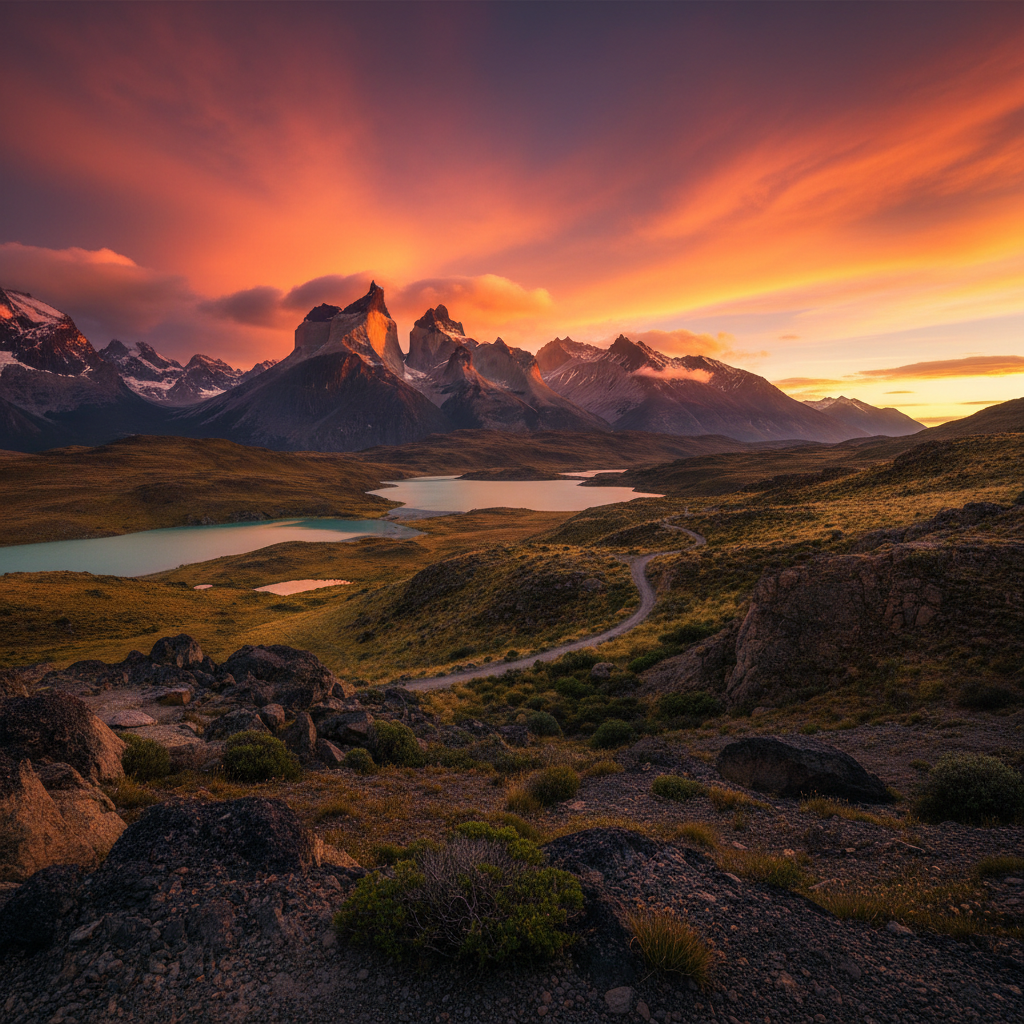
Patagonia in 10 Days: The Ultimate Adventure & Trekking Guide
The definitive 10-day Patagonia itinerary — Perito Moreno Glacier, El Chaltén, Torres del Paine, and the penguin colonies. Real logistics, real prices, real insider knowledge.
- Duration: 10 Days
- Estimated Budget: $3,000–$6,500
- Best Time to Visit: October–November (spring) or March–April (fall) for fewer crowds and pleasant weather; December–February (summer) for warmest temperatures but more tourists.
- Destination: Patagonia, Argentina
<p><em>Planning a trip to Buenos Aires or Argentina? Read our <a href="/blog/buenos-aires-argentina-complete-travel-guide">complete Buenos Aires travel guide</a> for everything you need to know before you go — neighborhoods, food, tango, football, and the practical details that make the difference.</em></p> Patagonia, a land of untamed wilderness and breathtaking beauty, calls to the adventurous spirit with its colossal glaciers, jagged peaks, and vast steppes. Prepare to be awestruck by landscapes that feel ancient and untouched, offering unparalleled opportunities for trekking, wildlife spotting, and profound connection with nature. This journey promises an immersive experience into one of the world's most spectacular natural playgrounds.
Patagonia, particularly the Argentine side, isn't just about dramatic peaks and glaciers; it's about the profound silence and the sheer scale of untamed wilderness that truly sets it apart. Many travelers arrive expecting postcard views, which they'll certainly find, but few anticipate the feeling of insignificance in the face of such raw, powerful nature. It's a place where the wind isn't just a breeze but a constant, shaping force, and where the vast, open steppes can feel as awe-inspiring as the jagged mountains themselves. This isn't a destination for passive sightseeing; it demands engagement, a willingness to embrace the elements, and an appreciation for the quiet grandeur that unfolds around every bend. It's a journey that shifts your perspective, making you feel both tiny and incredibly alive.
**Who this guide is for:** This guide is for the active, adventurous traveler who thrives on challenging treks, breathtaking landscapes, and a healthy dose of rugged exploration. You're comfortable with long hiking days, variable weather, and the occasional rustic accommodation. You appreciate meticulous planning but are also adaptable when faced with the unexpected. This trip is ideal for those seeking a deep immersion in nature, prioritizing outdoor experiences over luxury amenities. This guide is NOT for travelers looking for a relaxing, resort-style vacation, those with limited mobility, or families with very young children who might struggle with the demanding physical requirements of the treks.
**What makes Patagonia, Argentina worth the effort:** This 10-day itinerary focuses on Argentina's iconic Patagonian destinations – El Calafate and El Chaltén – which together offer the quintessential adventure and trekking experience. The sequence is designed for optimal acclimatization and logistical flow: starting in El Calafate allows for the awe-inspiring Perito Moreno Glacier experience, a perfect warm-up before heading north to the trekking mecca of El Chaltén. This allows consecutive days for challenging hikes like Laguna de los Tres and Laguna Torre, maximizing your time on the trails without excessive travel days. Ten days provides enough time to truly immerse yourself in both regions, tackling the most rewarding treks without feeling rushed, and experiencing the distinct character of each Patagonian gem.
**The honest logistics:** Expect a mid-range to high-end budget for this trip, roughly $3,000–$5,000 USD per person, excluding international flights, depending on your accommodation choices and activity level. The best booking window for flights and popular accommodations is 6–9 months in advance, particularly for the peak season (December to February). Guided glacier treks, like the Mini-Trekking on Perito Moreno, and any specific backcountry refugio stays must be booked well in advance. A common mistake travelers make is underestimating the Patagonian wind and weather variability; always pack layers, waterproof gear, and sturdy hiking boots, even if the forecast looks clear. The weather can change dramatically within hours.
Gateway to Giants: El Calafate Arrival & Glacier Vistas
Arrive at El Calafate International Airport (FTE) and transfer to your hotel in downtown El Calafate.
El Calafate serves as the perfect gateway to the Patagonian ice fields, offering a charming base before venturing into the more rugged landscapes. Its small-town feel immediately immerses you in the region's unique culture and breathtaking natural beauty.
Check-in and settle into your accommodation in downtown El Calafate.
Taking time to unpack and refresh after a long journey is crucial for setting a relaxed tone for your adventure. Downtown El Calafate offers convenient access to shops, restaurants, and the lakefront, making it an ideal central hub.
Stroll along the Nimez Lagoon Reserve (Reserva Laguna Nimez) for birdwatching and scenic views.
This serene ecological reserve offers a gentle introduction to Patagonia's wildlife, with flamingos and diverse bird species set against the stunning backdrop of Lago Argentino. It's a peaceful way to stretch your legs and soak in the vast Patagonian landscape without strenuous effort.
Visit the Glaciarium Ice Museum.
This modern interpretive center provides fascinating insights into the formation, history, and science of glaciers, particularly the iconic Perito Moreno. It's an excellent prelude to seeing the glaciers in person, enhancing your appreciation for these colossal natural wonders.
Dinner at La Zaina, downtown El Calafate.
Indulge in authentic Patagonian cuisine, known for its succulent lamb and hearty stews, to fully immerse yourself in the local culture. La Zaina is renowned for its traditional dishes and cozy ambiance, offering a perfect end to your first day.
Leif's Tip: After arriving, resist the urge to over-plan. Focus on comfortable transit, a gentle activity like the Nimez Lagoon to stretch your legs and get some fresh air, and a delicious local meal. This allows your body to adjust and builds excitement for the days ahead without exhaustion.
Navigating the logistics of a multi-day trekking adventure in Argentine Patagonia presents unique challenges beyond simply booking flights. You're not just choosing a trail; you're deciphering complex bus schedules between remote towns like El Chaltén and El Calafate, understanding the nuances of park permits for specific routes, and identifying reliable local operators for specialized activities like ice trekking on glaciers. The weather, famously unpredictable, dictates everything from gear choices to daily itinerary adjustments, making rigid plans precarious. Furthermore, knowing which trails offer the most rewarding views without being overly crowded, or finding the best vantage points for sunrise over Fitz Roy, requires an insider's perspective. It's a delicate balance of ambition and practicality, ensuring your adventure is thrilling yet safely executed. This is precisely where Leif steps in, transforming potential headaches into a seamless, exhilarating journey designed just for you.,Zaina is your ultimate trekking companion, providing real-time insights and adaptive guidance for your Patagonian adventure. You'll know exactly which section of the path might be icy, where to pause for the most breathtaking photo opportunities of the Fitz Roy massif, and even a recommendation for a well-deserved, hearty meal at a local parilla upon your return. Should an unexpected trail closure occur due to high winds, Leif instantly recalibrates, suggesting an equally stunning, safe alternative like the Laguna Torre trek, complete with updated GPX routes and revised timings. This isn't just a static map; it's a dynamic companion, ensuring every step of your Patagonian adventure is informed, efficient, and deeply rewarding.,The crisp, thin air of the Patagonian morning, carrying the scent of pine and damp earth, invigorates you as you set out on another day of exploration. You feel a profound sense of accomplishment and peace, knowing every detail, from the challenging ascent to the serene lakeside picnic spot, has been thoughtfully arranged. There’s no second-guessing, no wasted moments trying to decipher maps or translate complex instructions; only the pure, unadulterated joy of vast, untamed landscapes unfolding before you. This preparation allows you to fully immerse yourself in the grandeur of the Andes, to truly connect with the raw power of the glaciers and the silent majesty of the granite peaks. You are not just visiting Patagonia; you are experiencing it, deeply and authentically, ready for whatever awe-inspiring vista lies around the next bend. **March Is Not the Month Before the Best Season. It Is the Best Season.** — Six destinations across four continents that peak in March and are transformed by April's crowds. [Read the full March travel guide →](https://askleif.com/blog/march-is-not-the-month-before-the-best-season-it-is-the-best-season)
Best Time to Visit Patagonia, Argentina
Alright, let's talk timing for your epic Patagonia adventure. The absolute sweet spot, hands down, is during the Patagonian summer, which runs from December to February. This is when you'll find the most stable and warmest weather, with average daytime temperatures ranging from a comfortable 50-70°F (10-21°C). The longer daylight hours (up to 17 hours in some places!) mean more time for hiking and exploring. Plus, all the trails and national parks are fully open and accessible. The trade-off? It's also peak season, so expect more crowds, especially in popular spots like El Chaltén and Torres del Paine (though we're focusing on Argentina here!). Flights and accommodation will also be at their highest prices, so book well in advance.
If you're looking to dodge some of the crowds and potentially save a few bucks, the shoulder seasons are your next best bet. We're talking late spring (November) or early autumn (March-April). In November, temperatures are a bit cooler, averaging 40-60°F (4-15°C), but the wildflowers are often in bloom, making for stunning landscapes. March and April offer crisp, clear days with vibrant fall foliage, and temperatures are similar to November. You might encounter more unpredictable weather – think sudden rain showers or strong winds – but the trails are still very much open, and you'll have a more serene experience overall. Just be prepared for cooler evenings.
What to avoid? Unless you're a hardcore winter sports enthusiast, steer clear of the Patagonian winter (June-August) for a trekking-focused trip. Many trails close due to heavy snow, and the short, cold days (often below freezing) aren't ideal for extensive hiking. While it's beautiful, it's a completely different kind of trip.
Getting Around Patagonia, Argentina
For getting between the main towns and trailheads in Argentine Patagonia, long-distance buses are your primary and most reliable mode of transport. Companies like Chaltén Travel, Caltur, and Taqsa offer comfortable services connecting hubs like El Calafate, El Chaltén, and Bariloche. You can usually buy tickets at the bus terminals, but during peak season, it's wise to book online in advance to secure your spot. Fares vary depending on distance, but expect to pay around $20-50 USD for a few-hour journey. There isn't a single universal transit card like an Oyster card; you'll buy individual tickets for each route. Google Maps is generally good for route planning, but local bus schedules can sometimes be a bit fluid, so always double-check at the terminal.
Within towns, taxis are readily available and reasonably priced for short distances. For reaching trailheads that aren't on the main bus routes, or for more flexibility, renting a car is a fantastic option, especially if you're traveling with a group. Prices for a basic sedan start around $60-80 USD per day, with SUVs (recommended for some unpaved roads) costing more. Book well in advance, especially for automatic transmissions. Just be aware that fuel stations can be sparse in some areas, so plan your refills. For specific national park access, some areas offer shuttle services (like to the Fitz Roy trailhead in El Chaltén) which are a convenient and eco-friendly alternative to driving your own car.
A quick tip for trekkers: if you're carrying a large trekking backpack, most long-distance buses have ample luggage space underneath. However, if you're planning on doing multi-day hikes, consider leaving non-essential items in a locker or at your accommodation in your starting town. This is especially useful if you're returning to the same place. Car seats for children are not always standard in taxis or even rental cars, so if you're traveling with little ones, it's best to inquire and potentially reserve one with your rental car company beforehand.
What to Pack
- Waterproof and windproof outer layers are essential for Patagonia's unpredictable mountain weather, which can change from sunny to stormy within hours, especially when trekking.
- Layering clothing, including thermal base layers, fleece mid-layers, and down jackets, is crucial to adapt to the wide temperature fluctuations experienced throughout a single day in the Patagonian wilderness.
- Sturdy, waterproof hiking boots with good ankle support are non-negotiable for navigating the rocky, muddy, and uneven trails found in areas like Torres del Paine and El Chaltén.
- A high-quality backpack (30-50 liters for day hikes, larger if carrying gear between refugios) with a rain cover is vital for carrying essentials and protecting them from sudden downpours.
- Sun protection, including high-SPF sunscreen, sunglasses, and a wide-brimmed hat, is critical due to the strong Patagonian sun and increased UV exposure at higher altitudes, even on cloudy days.
- A portable power bank is highly recommended as charging opportunities can be limited at remote refugios or campsites, ensuring your phone or camera stays powered for navigation and capturing landscapes.
Money-Saving Tips
- Book your refugios (mountain huts) and campsites well in advance, especially for popular treks like the 'W' or 'O' Circuit in Torres del Paine; last-minute bookings can be double the price or unavailable, costing upwards of $100-$200 per night for a bed.
- Utilize local buses (e.g., from El Calafate to El Chaltén or Puerto Natales to Torres del Paine) instead of private transfers or taxis, as a bus ticket typically costs around $25-$40 USD compared to $100+ for a private ride.
- Pack non-perishable food items like energy bars, nuts, and dehydrated meals from your home country or larger cities before heading into the national parks, as grocery stores within the park areas or small towns often have significantly inflated prices (e.g., a small bag of trail mix can be $10+).
- Consider cooking your own meals if staying in accommodations with kitchen facilities or camping, as eating out in tourist-heavy towns like El Chaltén or El Calafate can easily cost $25-$40 per person per meal.
- Purchase a SIM card from a local provider like Claro or Movistar upon arrival in Argentina for affordable data and calls (around $10-$20 for a decent data package), avoiding expensive international roaming charges while still having connectivity in some populated areas.
Local Insights
- Weather in Patagonia is notoriously fickle; locals often say you can experience all four seasons in a single day, so always be prepared for sudden changes regardless of the forecast.
- While Spanish is the official language, many people in tourist-heavy areas speak some English, but learning a few basic Spanish phrases will significantly enhance your interactions and show respect.
- The 'siesta' tradition is still observed in smaller Patagonian towns, meaning many shops and businesses close for a few hours in the early afternoon, so plan your errands accordingly.
- Tipping is customary in Argentina; for good service, aim for 10% in restaurants, and it's polite to round up or leave a few hundred pesos for taxi drivers or tour guides.
- Tap water is generally safe to drink in most Patagonian towns, but always confirm with your accommodation or filter it when trekking in remote areas to avoid any stomach issues.
Frequently Asked Questions
What's the absolute best time to visit Patagonia, Argentina for a 10-day adventure trip?
For trekking and adventure activities, the prime season is generally from late October to April. December to February offers the warmest weather and longest daylight hours, making it ideal for multi-day hikes like the Huemul Circuit or the 'W' trek in Torres del Paine (if you extend slightly into Chile). However, this is also peak season, so expect more crowds and higher prices. Shoulder months like November and March can offer a good balance of decent weather, fewer people, and slightly lower costs. Be prepared for unpredictable weather regardless of the month; Patagonia is famous for experiencing all four seasons in a single day!
How much should I budget for a 10-day adventure trip to Patagonia, Argentina?
A realistic budget for a 10-day adventure trip in Patagonia, Argentina, typically ranges from $3,000 to $6,500 per person, excluding international flights. This covers mid-range accommodation, guided treks or excursions (like glacier mini-trekking), transportation between towns (buses, some taxis), food, and national park fees. If you opt for more basic hostels, self-catering, and independent hiking, you can lean towards the lower end. Conversely, luxury lodges, private transfers, and extensive guided tours will push you towards the higher end. Always factor in an emergency buffer, as unexpected costs can arise.
What absolutely needs to be booked in advance for a 10-day Patagonia trip?
For a 10-day trip, especially during peak season (December-February), several things are crucial to book well in advance. Accommodations in popular hubs like El Calafate and El Chaltén can sell out months ahead, particularly if you have specific preferences. Guided excursions, such as the Perito Moreno Glacier mini-trekking or boat tours, also fill up quickly. If you plan to hike the Huemul Circuit or any multi-day trek requiring campsite reservations, secure those as soon as your dates are firm. Inter-city bus tickets, especially for longer routes, are also wise to book a few weeks out to guarantee your preferred times.
What's the best way to get around Patagonia, Argentina during my 10-day trip?
For a 10-day trip focusing on adventure, the primary mode of transportation between towns like El Calafate and El Chaltén will be comfortable long-distance buses. These are reliable, relatively affordable, and offer scenic views. Within El Chaltén, you can walk to most trailheads. In El Calafate, local taxis or shuttles are available for getting to the Perito Moreno Glacier or the airport. Renting a car is an option for more flexibility, but consider the high cost, insurance, and the fact that many key trekking areas are best accessed on foot or via organized tours. For efficiency, flying into El Calafate (FTE) is usually the best entry point.
What essential items should I pack for a 10-day adventure and trekking trip in Patagonia?
Packing for Patagonia requires layers and versatility. Essential items include waterproof and windproof outer shells (jacket and pants), warm insulating layers (fleece, down jacket), moisture-wicking base layers, sturdy waterproof hiking boots, and multiple pairs of wool or synthetic socks. Don't forget a good daypack, trekking poles (highly recommended), a reusable water bottle, sunscreen, sunglasses, a wide-brimmed hat, and a warm beanie or buff. Even in summer, temperatures can drop significantly, and the Patagonian wind is legendary. A headlamp is also useful for early morning starts or unexpected delays on trails.
What are some common mistakes travelers make when planning a 10-day Patagonia trip?
One common mistake is underestimating the vast distances and travel times between key attractions. Patagonia is huge, and a 10-day trip needs careful planning to avoid rushing. Another error is not packing enough layers or adequate rain/wind gear; the weather is notoriously unpredictable. Many travelers also fail to book popular excursions or accommodations far enough in advance, especially during peak season, leading to disappointment. Lastly, some forget to factor in national park entrance fees or the need for Argentine pesos (though cards are widely accepted in larger towns), so always have some local currency on hand for smaller purchases or emergencies.
Is it possible to see both El Chaltén and El Calafate comfortably in a 10-day trip?
Absolutely! A 10-day itinerary is perfectly suited to experience both El Chaltén and El Calafate, which are the two main hubs for Argentine Patagonia. You can typically allocate 4-5 days to El Chaltén for world-class trekking to Fitz Roy and Cerro Torre, and then 3-4 days to El Calafate for exploring the Perito Moreno Glacier and potentially other glaciers in Los Glaciares National Park. The bus journey between the two towns is scenic and takes about 3 hours. This allows for a good balance of iconic glacier experiences and incredible mountain hiking, making for a well-rounded Patagonian adventure.