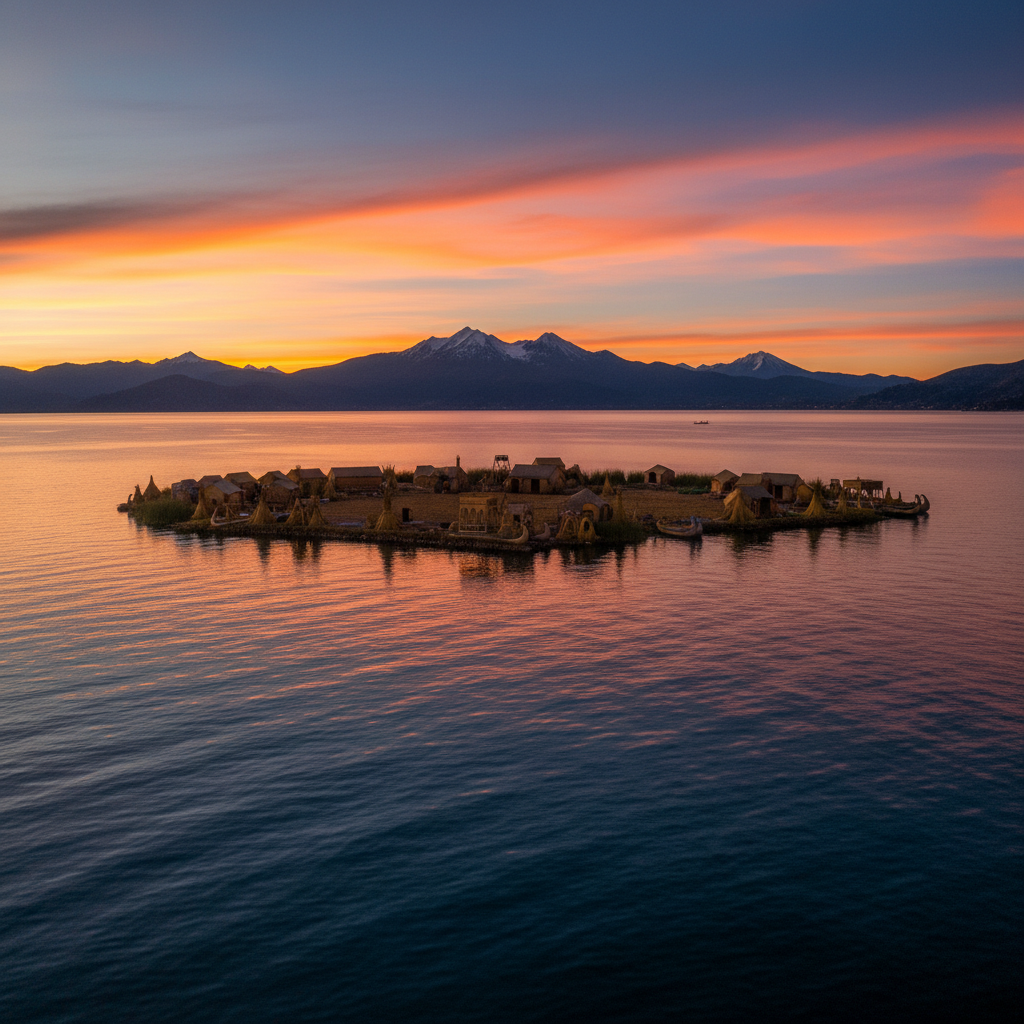
Lake Titicaca Adventure: 3-Day Bolivia & Peru Itinerary for Thrill-Seekers
Embark on a 3-day Lake Titicaca adventure across Bolivia and Peru. Discover ancient cultures, breathtaking landscapes, and high-altitude thrills on the world's highest navigable lake.
- Duration: 3 Days
- Estimated Budget: $450–$800
- Best Time to Visit: May-October for dry, sunny days and clearer views, though nights are cold.
- Destination: Lake Titicaca, Bolivia & Peru
Lake Titicaca, a sapphire jewel nestled high in the Andes, offers an unparalleled playground for the adventurous soul. This 3-day itinerary is crafted for those who crave more than just sightseeing, plunging you into ancient traditions and exhilarating landscapes where every turn promises a new discovery. Prepare to push your limits amidst the stunning beauty of the world's highest navigable lake, where the air is thin but the experiences are rich.
Lake Titicaca isn't just a body of water; it's a living, breathing canvas of Andean culture and breathtaking natural beauty, straddling the border between Bolivia and Peru. Imagine waking up to the crisp mountain air, the sun glinting off the sapphire-blue waters, and the distant snow-capped peaks of the Cordillera Real. This isn't your average lake vacation; it's an immersion into ancient traditions, where indigenous communities like the Uros and Taquileños have thrived for centuries, maintaining a way of life deeply connected to the lake. You'll find yourself captivated by the vibrant textiles, the rhythmic sounds of traditional music, and the genuine warmth of the people who call this high-altitude wonder home. It's an adventure that promises not just stunning vistas, but a profound cultural exchange.
Delve into the vibrant markets of Puno, where the air hums with local life and the colors of traditional textiles explode in a kaleidoscope of beauty. Picture yourself navigating the reed islands of the Uros, feeling the springy ground beneath your feet, and learning about their ingenious floating homes. Ascend to the spiritual heart of the Inca Empire on Isla del Sol, tracing ancient footsteps to sacred sites like Pilko Kaina, and witness the vast, shimmering expanse of Lake Titicaca unfold beneath you. The altitude adds an extra layer of challenge and reward, making every vista earned feel even more spectacular. You'll taste fresh trout caught directly from the lake, sip coca tea to acclimate, and witness sunsets that paint the sky in hues you never thought possible. This is a place where every turn reveals a new wonder, a new story waiting to be discovered.
Beyond the iconic sights, Lake Titicaca invites you to slow down and connect with a landscape that feels both ancient and alive. It's an opportunity to escape the ordinary, to trade city noise for the gentle lapping of waves against the shore. You'll discover hidden coves, observe local fishermen casting their nets, and perhaps even participate in a traditional weaving demonstration. The journey across the lake itself is an adventure, with each island offering a distinct cultural experience. This trip isn't just about seeing; it's about feeling, experiencing, and understanding a corner of the world where time seems to move differently, where the spirit of the Andes is palpable in every breeze and every smile. Prepare to be enchanted by the magic of Lake Titicaca.
Puno Arrival & Lake Titicaca Immersion
Arrive at Juliaca Airport (JUL) and take a pre-arranged taxi or shuttle to Puno, a scenic 45-minute drive.
This is your gateway to Lake Titicaca, allowing you to settle in and begin your high-altitude adventure. The drive itself offers glimpses of the Andean landscape.
Check into your hotel and take some time to acclimatize to Puno's altitude (3,827 meters or 12,556 feet). A short, slow walk around the immediate hotel area is a good idea.
Altitude sickness is real, and taking it easy on your first day is crucial for an enjoyable trip. Hydration and rest are your best friends here.
Embark on a half-day boat tour to the Uros Floating Islands, a unique community built entirely from totora reeds.
Witness the incredible ingenuity of the Uros people and learn about their traditional way of life on these man-made islands. It's a truly unforgettable cultural experience.
Stroll along the Malecón, Puno's lakeside promenade, and enjoy the sunset views over Lake Titicaca.
The Malecón offers breathtaking panoramic views of the vast lake, especially as the sun dips below the horizon. It's a perfect way to unwind and absorb the tranquil atmosphere.
Enjoy a traditional Peruvian dinner at a local restaurant, sampling regional specialties.
Puno's culinary scene offers delicious Andean flavors. Trying local dishes is an essential part of immersing yourself in the culture.
Leif's Tip: Altitude is no joke here. Take it incredibly slow on your first day. Hydrate constantly, avoid strenuous activity, and consider asking your doctor about altitude sickness medication before your trip. Pacing yourself now will pay dividends for the rest of your adventure.
Navigating the intricate logistics of a high-altitude adventure across two countries, where cultural nuances and transportation can be unpredictable, often costs you precious planning hours. Deciphering which local operators offer genuine, sustainable experiences versus tourist traps, understanding the best routes between Copacabana and the Peruvian side, or even knowing how to safely acclimate to the elevation without compromising your itinerary, presents unique challenges. Many travelers arrive overwhelmed by conflicting information about border crossings, currency exchange, or finding authentic homestays on remote islands. This complexity can quickly transform an exciting journey into a stressful ordeal, especially when you're seeking deep cultural immersion and thrilling outdoor activities. Leif cuts through this noise, providing clarity and confidence for your Lake Titicaca expedition.
Malec, your personal travel assistant, ensures your journey remains seamless, even when plans take an unexpected turn. Should an unexpected weather change threaten your planned hike, Leif instantly suggests an alternative, like a visit to the local weaving cooperatives or a cooking class using indigenous ingredients, complete with contact details and updated timings. You're not left scrambling; instead, you're empowered with real-time, context-aware solutions that keep your adventure flowing smoothly, ensuring every moment is spent experiencing, not problem-solving.
The crisp, thin air carries the distant sound of panpipes and the gentle lapping of water against a reed boat, signaling your arrival in a place where ancient traditions thrive. You step onto the shores of Taquile, not as a bewildered tourist, but as a prepared guest, knowing the island's history of communal living and its famed textile artistry. Every interaction, every vista, feels earned and deeply understood because you arrived with purpose and insight. You'll savor the taste of fresh trucha a la plancha, confidently haggle for a hand-woven chullo, and watch a sunset over the vast, shimmering lake, knowing that every detail of your journey was meticulously crafted for your discovery. This is the freedom of a truly personalized adventure, waiting for you.
Best Time to Visit Lake Titicaca, Bolivia & Peru
May to October is the dry season, offering clear skies and less rain, ideal for hiking and boat trips.
June to August are the busiest months, so book accommodations and tours in advance if traveling then.
Avoid January to March if possible, as it's the rainy season, which can lead to muddy trails and colder temperatures.
The shoulder seasons of April and November can offer good weather with fewer crowds and potentially lower prices.
Remember that even in the dry season, evenings and mornings can be quite chilly due to the high altitude.
Getting Around Lake Titicaca, Bolivia & Peru
For crossing the border, use reputable bus companies like Titicaca Bolivia or Transzela, which offer direct routes between Puno (Peru) and Copacabana (Bolivia).
Within Lake Titicaca, local boats are the primary mode of transport to islands like Taquile, Amantani, and Isla del Sol; always confirm departure times and prices beforehand.
Consider taking a shared taxi (collectivo) for shorter distances between towns like Copacabana and Yumani to save money and experience local transport.
If flying into the region, Juliaca (Peru) or El Alto (Bolivia) are your best bets, then take a bus or private transfer to the lake.
Be aware that road conditions can vary, especially in Bolivia, so allow extra time for travel between destinations.
What to Pack
- Warm layers (fleece, wool sweaters) for cold mornings and evenings, as temperatures drop significantly at night.
- Waterproof and windproof jacket, essential for boat trips and unexpected weather changes.
- Sunscreen (high SPF) and a wide-brimmed hat, as the sun at high altitude is incredibly strong.
- Comfortable walking shoes or hiking boots for exploring islands and archaeological sites.
- Reusable water bottle to stay hydrated and reduce plastic waste.
- Altitude sickness medication (e.g., Diamox) or coca leaves/tea for acclimatization.
- Small backpack for day trips, carrying water, snacks, and extra layers.
- Portable charger for your phone and camera, as outlets may be scarce on some islands.
Money-Saving Tips
- Opt for local eateries (comedores) for authentic and inexpensive meals; look for places frequented by locals.
- Negotiate prices for souvenirs and private boat tours, especially in smaller villages, but do so respectfully.
- Travel during the shoulder season (April, November) to find better deals on accommodations and tours.
- Bring your own snacks and drinks from larger towns like Puno or La Paz, as prices can be higher on the islands.
- Consider staying in guesthouses or homestays on the islands for a more immersive and budget-friendly experience.
Local Insights
- Acclimatize to the altitude for at least a day in Puno or Copacabana before embarking on strenuous activities.
- Always ask for permission before taking photos of locals, especially children, and be prepared to offer a small tip or purchase something.
- Learn a few basic phrases in Spanish ('Hola', 'Gracias', 'Por favor') and Quechua/Aymara ('Imaynalla' - hello) to show respect and enhance interactions.
- Be mindful of local customs; for example, on Taquile Island, men traditionally knit and women spin wool, and their textiles hold deep cultural significance.
- Try local delicacies like 'trucha' (trout) fresh from the lake, and don't shy away from trying 'mate de coca' to help with altitude sickness.
Frequently Asked Questions
What's the best way to get to Lake Titicaca from La Paz or Cusco?
From La Paz, Bolivia, you can take a comfortable tourist bus (like Titicaca Bus or Transzela) to Copacabana, which takes about 3-4 hours, including a short ferry crossing. From Cusco, Peru, the most popular option is the 'Ruta del Sol' tourist bus, which includes stops at several archaeological sites along the way to Puno, taking about 10 hours. Alternatively, you can fly to Juliaca (near Puno) and take a taxi or bus.
How can I avoid altitude sickness on Lake Titicaca?
Lake Titicaca sits at over 12,500 feet (3,800 meters), so altitude sickness is a real concern. Acclimatize gradually by spending a day or two in La Paz or Cusco before heading to the lake. Drink plenty of water, avoid alcohol and heavy meals, and consider drinking coca tea or chewing coca leaves, a traditional remedy. Don't overexert yourself on your first day.
Is it better to visit the Peruvian or Bolivian side of Lake Titicaca?
Both sides offer unique experiences. The Peruvian side (Puno) is known for the Uros floating islands and Taquile Island, offering a glimpse into traditional weaving. The Bolivian side (Copacabana) is the gateway to Isla del Sol, famous for its Inca ruins and stunning views. Many travelers visit both, crossing the border at Copacabana/Kasani to experience the full breadth of the lake's culture and beauty.
What should I pack for a trip to Lake Titicaca?
Due to the high altitude, temperatures can vary wildly. Pack layers: warm clothing for evenings and early mornings (fleece, hat, gloves), but also lighter clothes for sunny days. Sun protection is crucial: high SPF sunscreen, sunglasses, and a wide-brimmed hat. Comfortable walking shoes are a must for exploring islands and ruins. Don't forget a reusable water bottle and any personal medications.
Are the Uros floating islands authentic or just a tourist trap?
While the Uros islands are a major tourist attraction, they are indeed home to a living community that has maintained its unique way of life for centuries. Many Uros people genuinely live on these reed islands, fishing and crafting. It's an opportunity to learn about their history and culture directly from them, though some islands are more geared towards tourism than others. Approach it with an open mind and respect for their traditions.
Can I stay overnight on one of the islands?
Yes, absolutely! Staying overnight on Isla del Sol (Bolivia) or Taquile Island (Peru) is highly recommended for a more immersive experience. Many families offer homestays, providing basic but comfortable accommodation and delicious home-cooked meals. This allows you to experience island life after the day-trippers have left, witness incredible sunsets and sunrises, and connect more deeply with the local culture.
What's the best currency to use on Lake Titicaca?
On the Bolivian side, you'll need Bolivian Bolivianos (BOB), and on the Peruvian side, Peruvian Soles (PEN). It's always good to have small denominations of local currency for purchases from street vendors, boat rides, and entrance fees. Larger towns like Copacabana and Puno will have ATMs, but it's wise to carry some cash, especially when visiting smaller islands.