3 Days in Montevideo: The Ultimate General Itinerary
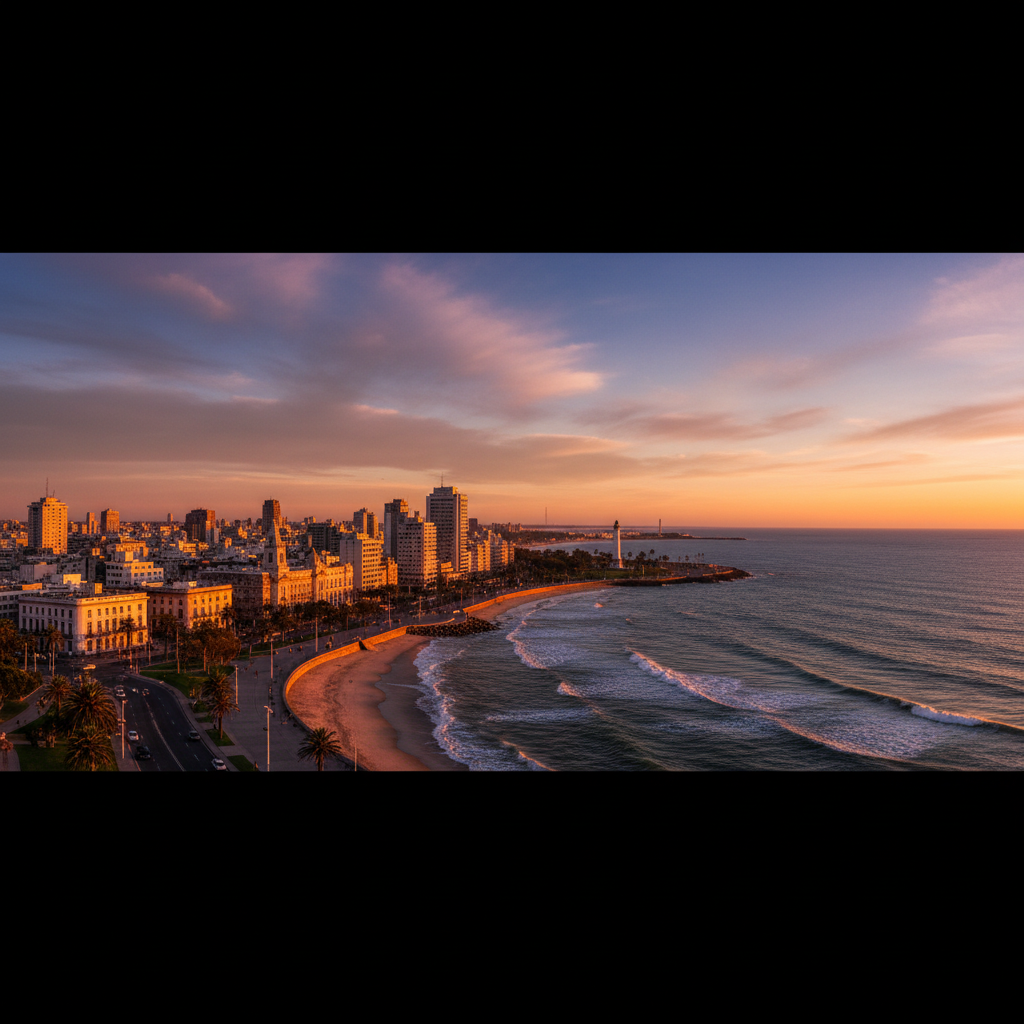
Discover the best of Montevideo in 3 days with this general itinerary. Explore historic sites, vibrant markets, and stunning Rambla sunsets in Uruguay's charming capital.
- Duration: 3 days
- Estimated Budget: $246–$390
- Best Time to Visit: December-March for warm weather and beach activities.
- Destination: Montevideo, Uruguay
<p><em>Planning a trip to Montevideo? Read our <a href="/blog/montevideo-uruguay-travel-guide">complete Montevideo travel guide</a> for everything you need to know — neighborhoods, food, candombe, the Rambla, and the practical details that make the difference.</em></p> Montevideo, Uruguay's laid-back capital, is a hidden gem waiting to be explored. This itinerary is perfect for any traveler looking to discover its rich history, vibrant culture, and delicious cuisine without a specific niche focus. You'll experience the authentic charm of a city that effortlessly blends old-world elegance with modern progressive vibes.
Montevideo, Uruguay, often overshadowed by its flashier neighbors, is a city that quietly captivates with its laid-back charm, rich history, and progressive spirit. Imagine strolling through the cobblestone streets of Ciudad Vieja, where colonial architecture meets vibrant street art, and the aroma of sizzling asado from Mercado del Puerto fills the air. This isn't just a city; it's an experience of authentic South American life, where every corner holds a story and every interaction feels genuinely welcoming. You'll discover why Uruguayans are known for their warmth and why their capital consistently ranks as one of the most livable cities on the continent. Get ready to fall in love with a place that truly embraces its unique identity.
Beyond the historic core, Montevideo unfurls into diverse neighborhoods, each offering a distinct flavor. Picture yourself joining locals on the Rambla in Pocitos, the endless coastal promenade, thermos of mate in hand, watching the sunset paint the sky over the Rio de la Plata – a daily ritual that embodies the city's unhurried pace. Then, dive into the trendy streets of Palermo, where independent restaurants, chic wine bars, and weekend flea markets buzz with creative energy, showcasing Uruguay's modern, sophisticated side. This city seamlessly blends its past with a forward-thinking present, offering a dynamic yet relaxed urban adventure that feels both familiar and excitingly new. It's a place where you can truly unwind and immerse yourself in the local rhythm.
Uruguay stands out as a beacon of progress in Latin America, a fact you'll feel in Montevideo's open-minded atmosphere and inclusive culture. From its pioneering stance on social issues like legal cannabis and gay marriage to its high Human Development Index, this country leads by example. This trip isn't just about sightseeing; it's an invitation to experience a society that values quality of life, community, and respect. Whether you're savoring a chivito sandwich at Mercado Agricola, exploring the UNESCO heritage of Colonia del Sacramento on a day trip, or simply enjoying a quiet afternoon in a local cafe, Montevideo promises an enriching journey that will broaden your horizons and leave you with a profound appreciation for this remarkable corner of the world. Prepare for a truly unforgettable adventure.
Welcome to Montevideo: Old City Charm and Asado Delights
Arrive at Carrasco International Airport (MVD), take a taxi or shuttle to your accommodation in Ciudad Vieja, and check in.
Settling into the historic Ciudad Vieja immediately immerses you in Montevideo's past. It's the perfect base to explore the city's oldest and most iconic landmarks.
Head straight to Mercado del Puerto for an unforgettable lunch experience, savoring the best asado (Uruguayan barbecue) in the country.
This bustling market is a sensory overload of grilling meats, local characters, and vibrant energy. It's a quintessential Uruguayan culinary experience you absolutely cannot miss.
Explore Plaza Independencia, the grand square separating Ciudad Vieja from the newer parts of the city, dominated by the Artigas Mausoleum and Palacio Salvo.
This plaza is the heart of Montevideo, rich with history and architectural splendor. It offers a perfect introduction to the city's past and present.
Take a guided tour of the stunning Teatro Solís, Montevideo's oldest and most important theater, known for its exquisite architecture and rich history.
Even if you're not seeing a show, a tour of Teatro Solís offers a glimpse into Uruguay's cultural heritage and artistic soul. The interiors are truly magnificent.
Stroll along the Rambla, Montevideo's iconic coastal promenade, as the sun begins to set, finding a spot to enjoy the evening with a thermos of mate.
The Rambla is the city's living room, where locals gather, exercise, and socialize. Experiencing sunset here with mate is a truly authentic Uruguayan ritual.
Leif's Tip: Embrace the Uruguayan pace from day one. Things move a little slower here, especially around meal times. Don't rush your lunch at Mercado del Puerto; it's an experience to be savored. And remember, mate is a social ritual, so observe how locals share it, even if you're just enjoying your own.
Navigating Montevideo's public transport system, especially the bus routes to less-frequented but equally charming neighborhoods like Parque Rodó or Malvín, can be a genuine puzzle for visitors. Deciphering local customs, such as the etiquette around sharing mate or understanding the subtle nuances of a candombe street performance schedule, often requires insider knowledge that guidebooks barely touch upon. Furthermore, distinguishing between tourist-centric eateries and the truly authentic parrillas where locals gather for the best chivitos and asado can be daunting, leading many to miss out on the city's true culinary heart. Leif cuts through this complexity, ensuring your experience is rich with genuine encounters and seamless transitions, allowing you to fully immerse yourself in the city's unique rhythm without the usual travel headaches.
Rambla provides the perfect backdrop for a pre-planned route, eliminating the need for fumbling with maps or language apps. Instead of fumbling with maps or language apps to ask for bus numbers, you'll have a pre-planned route, complete with estimated travel times and local tips on the best spots for a quiet stroll or a coffee with a view of the Rio de la Plata. Leif anticipates your desire for both well-known sights and hidden gems, offering suggestions like the fascinating Museo Blanes and its Japanese Garden, ensuring you experience Montevideo's diverse offerings without feeling overwhelmed by choices or logistical challenges.
The aroma of freshly baked bizcochos from a local panadería, paired with the distant sound of a tango melody drifting from a quiet café, becomes your morning soundtrack, not a fleeting, accidental discovery. Knowing exactly where to find these moments, and how to comfortably navigate between them, transforms your trip from a series of planned stops into a fluid, enriching journey. You arrive in Montevideo feeling not like a tourist, but like a welcomed guest, ready to embrace its unhurried pace and genuine warmth, confident that every turn will lead to an authentic experience tailored just for you. Your Montevideo adventure awaits, perfectly orchestrated and deeply personal.
Best Time to Visit Montevideo, Uruguay
December to March offers the best weather for enjoying Montevideo's beaches and outdoor activities, with warm temperatures and plenty of sunshine.
January and February are peak summer months, meaning vibrant beach scenes and lively Rambla activity, but also higher prices and more tourists.
If you prefer milder weather and fewer crowds, consider visiting in late spring (November) or early autumn (April), when temperatures are pleasant.
Avoid the winter months (June-August) if you're looking for beach time, as it can be cool and rainy, though cultural activities are still available.
Getting Around Montevideo, Uruguay
Montevideo is quite walkable, especially within neighborhoods like Ciudad Vieja and Pocitos. Many key attractions are within easy reach on foot.
For longer distances, use local buses (ómnibus). You'll need a STM card (Sistema de Transporte Metropolitano), which can be purchased and topped up at kiosks and some stores. Cash is not accepted on buses.
Taxis and ride-sharing apps like Uber are readily available and generally safe, offering a convenient option for evenings or when you're short on time.
Consider renting a bicycle to explore the Rambla; it's a fantastic way to experience the coastline at your own pace.
If you're planning day trips, ferries to Colonia del Sacramento depart from the port, and long-distance buses to Punta del Este leave from Tres Cruces bus terminal.
What to Pack
- Comfortable walking shoes for exploring the city's historic streets and extensive Rambla.
- Swimsuit and beach towel if visiting during the summer months (December-March) to enjoy the city beaches.
- Light layers for warm days and cooler evenings, especially if you're out enjoying sunset on the Rambla.
- Sunscreen, sunglasses, and a hat – the South American sun can be intense, even in spring and autumn.
- A reusable water bottle to stay hydrated, especially when walking extensively.
- A small backpack or day bag for carrying essentials, including your mate thermos if you decide to embrace the local ritual.
- An adapter for Type I electrical outlets (common in Uruguay and Argentina).
Money-Saving Tips
- Take advantage of tax refunds for tourists on certain purchases and restaurant meals when paying with a foreign credit card; ask for the 'tax free' option.
- Eat at local 'parrilladas' (grill restaurants) for delicious and often more affordable grilled meats, especially outside the most touristy areas.
- Pack your own mate kit (thermos, gourd, bombilla, yerba) if you're a mate enthusiast, as buying it locally can add up, though it's a fun souvenir.
- Utilize the public bus system (STM card) for getting around; it's significantly cheaper than taxis or ride-shares.
- Look for 'menú del día' (set lunch menus) at restaurants, which offer excellent value for a multi-course meal during lunchtime.
Local Insights
- Embrace the mate ritual: you'll see locals everywhere with their thermos and gourd. Don't be shy about trying it if offered, but remember it's a shared ritual, not typically bought in cafes.
- Uruguayans are generally very friendly and welcoming. A simple 'Hola' or 'Gracias' goes a long way.
- Dinner often starts later in Montevideo, typically after 8 PM, so adjust your meal times accordingly.
- The Rambla is the heart of Montevideo life. Join locals for a stroll, a run, or just to sit and watch the sunset – it's a quintessential experience.
- Don't be surprised by the progressive atmosphere; Uruguay is known for its liberal policies and open-minded culture. Enjoy the freedom and respect for diversity.
Frequently Asked Questions
What's the best way to get around Montevideo?
Montevideo is quite walkable, especially in areas like Ciudad Vieja and Pocitos. For longer distances, public buses are efficient and affordable. Taxis and ride-sharing apps like Uber are also readily available and reasonably priced, making it easy to navigate the city.
Is Montevideo safe for tourists?
Yes, Montevideo is generally considered one of the safest capital cities in South America. Like any urban area, it's wise to be aware of your surroundings, especially at night, and take standard precautions like not displaying valuables. The atmosphere is very relaxed and welcoming.
What's the local currency and should I carry cash?
The local currency is the Uruguayan Peso (UYU). While credit cards are widely accepted in most restaurants and shops, it's always a good idea to carry some cash for smaller purchases, street vendors, or tips. ATMs are common throughout the city.
What are the must-try foods in Montevideo?
You absolutely must try an asado (Uruguayan barbecue), especially at Mercado del Puerto. The chivito, a delicious steak sandwich, is the national dish and a must-have at Mercado Agricola. Don't forget to sample local wines, especially Tannat, and indulge in dulce de leche-filled pastries.
Can I drink the tap water in Montevideo?
Yes, the tap water in Montevideo is generally considered safe to drink. However, if you have a sensitive stomach or prefer bottled water, it's widely available in stores and restaurants.
What's the tipping etiquette in Uruguay?
Tipping is customary but not mandatory. In restaurants, a 10% tip is appreciated if service was good. For taxi drivers, rounding up the fare is common. For hotel staff, a small tip for good service is also welcome.
What's the best time of year to visit Montevideo?
The best time to visit is during the Southern Hemisphere summer, from December to March, when the weather is warm and sunny, perfect for enjoying the Rambla and outdoor activities. However, spring (October-November) and autumn (April-May) also offer pleasant temperatures and fewer crowds.