Montevideo on a Budget: 3-Day Itinerary for €50/Day
Discover Montevideo in 3 days on a budget of €50/day. Explore the Old City, enjoy Rambla sunsets, and savor local flavors without breaking the bank.
- Duration: 3 Days
- Estimated Budget: $150–$200
- Best Time to Visit: October-March for warm weather and outdoor activities
- Destination: Montevideo, Uruguay
<p><em>Planning a trip to Montevideo? Read our <a href="/blog/montevideo-uruguay-travel-guide">complete Montevideo travel guide</a> for everything you need to know — neighborhoods, food, candombe, the Rambla, and the practical details that make the difference.</em></p> Montevideo offers an incredible value for budget travelers, especially when compared to its flashier neighbor, Buenos Aires. This guide shows you how to experience the real Uruguay, from historic streets to vibrant markets and coastal charm, all while keeping your daily spend around €50.
The rhythmic beat of candombe drums echoing through the streets of Barrio Sur isn't just music; it's the heartbeat of a culture deeply rooted in Afro-Uruguayan history. This vibrant neighborhood, along with Palermo, transforms on Sunday afternoons into an open-air celebration, where drummers and dancers fill the air with infectious energy. You'll discover stunning murals that tell stories of resilience and identity, turning every corner into an art gallery. It's an authentic, free spectacle that offers a profound connection to the city's soul, far removed from tourist traps, and a testament to Montevideo's rich cultural tapestry.
Is it truly possible to enjoy the city's culinary delights without breaking the bank? Absolutely. While some iconic spots can be pricey, the secret lies in knowing where locals go for quality and value. For instance, the Mercado de la Abundancia offers incredible, hearty meals like the chivito sandwich for a fraction of the cost you'd find elsewhere. Understanding the local rhythm means embracing shared plates at famous markets or seeking out smaller, family-run eateries. It's about smart choices and insider knowledge, ensuring every meal is both delicious and budget-friendly, proving that world-class flavors don't always come with a hefty price tag.
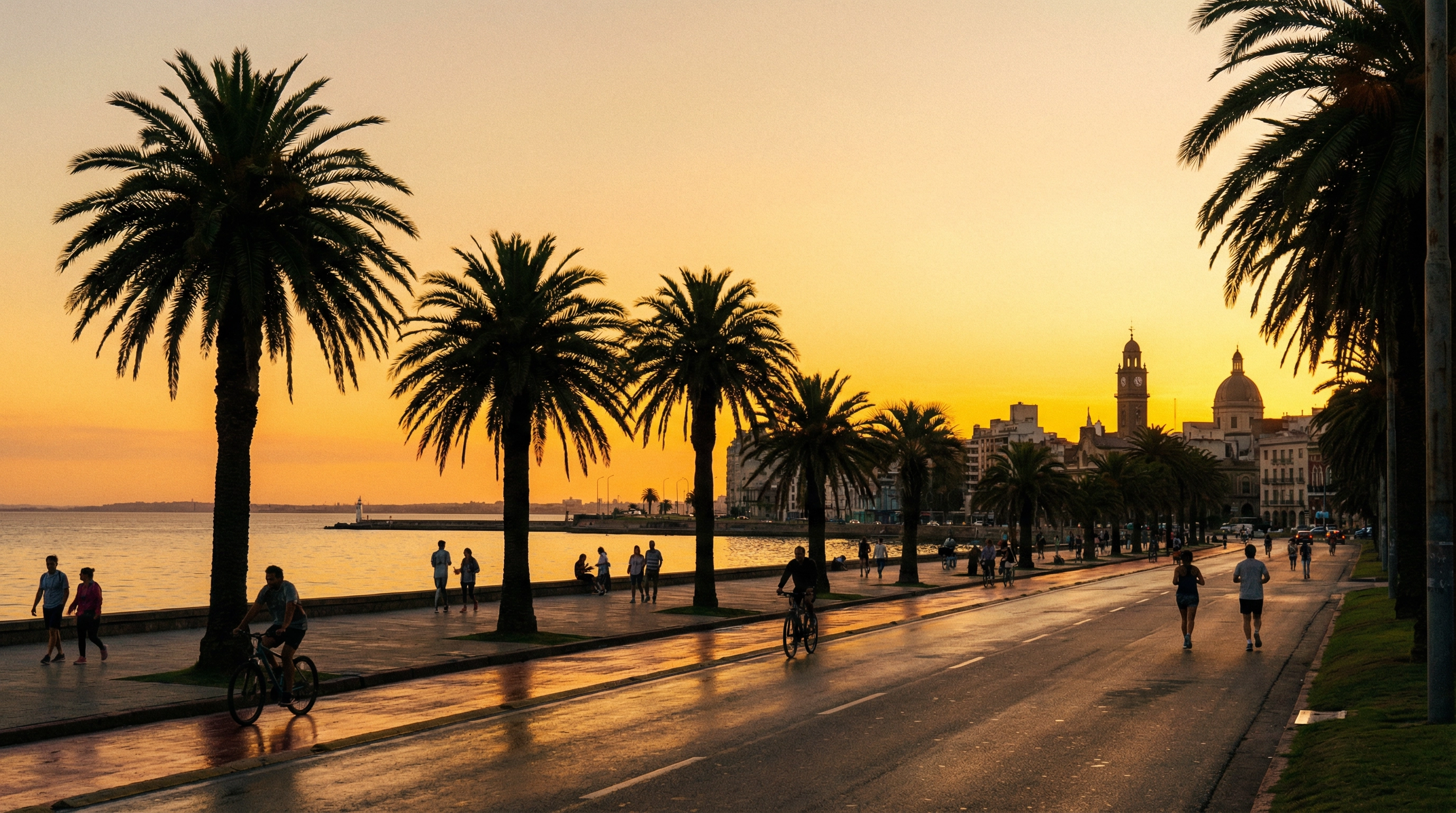
Budget-conscious explorers find themselves strolling along the vast expanse of the Rambla, especially as the sun dips below the horizon, painting the sky in fiery hues. This isn't just a walkway; it's the city's communal living room, where families gather for mate, friends jog, and cyclists whiz by. Weekends bring the aroma of asado, as locals set up portable grills on the grassy stretches, creating an inviting, festive atmosphere. You'll quickly fall into the rhythm of this relaxed, coastal lifestyle, realizing that some of the best experiences here are entirely free, offering rich cultural immersion without spending a cent.
Old City Charms & Rambla Sunsets: A Budget Introduction to Montevideo
Begin your Montevideo adventure by exploring the historic Ciudad Vieja (Old City) on foot, starting at the iconic Plaza Independencia.
This grand plaza connects the old and new parts of the city and is home to the General Artigas Mausoleum, a key figure in Uruguayan history. It's the perfect starting point to soak in the city's rich past.
Walk past the magnificent Palacio Salvo, an architectural marvel that once claimed to be the tallest building in South America.
Its unique blend of Art Deco and Gothic Revival styles makes it a striking landmark, and its history is intertwined with Montevideo's golden age. Admiring its exterior is completely free and offers fantastic photo opportunities.
Head to the Mercado de la Abundancia for an authentic and budget-friendly lunch experience.
This local market offers a true taste of Uruguayan daily life, far from the tourist crowds of Mercado del Puerto. It's the best place to try a classic chivito sandwich without breaking the bank.
Stroll through the vibrant streets of Barrio Sur and Palermo, known for their colorful murals and Afro-Uruguayan heritage.
These neighborhoods are the heart of candombe culture, offering a visual feast of street art and a deeper understanding of Uruguay's diverse roots. On Sundays, you might even catch impromptu drum performances.
Experience a breathtaking sunset along the Rambla, Montevideo's iconic 22km coastal promenade.
This is a quintessential Montevideo experience, offering stunning views of the Rio de la Plata and a chance to observe local life – joggers, cyclists, and families enjoying the evening air. It's completely free and unforgettable.
Leif's Tip: Purchase a local SIM card upon arrival (Antel is a good option) to stay connected and use mapping apps. This will save you from getting lost and help you discover hidden gems, all while keeping your budget in check by avoiding expensive roaming charges.
Navigating a new South American capital on a tight budget presents its own unique set of puzzles. You're not just looking for cheap eats; you're looking for authentic, delicious, and safe cheap eats. You want to experience the city's pulse, its art, its music, without falling into tourist traps or spending half your daily allowance on a single attraction. The challenge isn't just finding a hostel; it's finding one that's well-located, clean, and has a good vibe for solo travelers, ideally with a kitchen to save on food. Then there's understanding the public transport, knowing which markets offer the best value, and figuring out how to enjoy iconic experiences like the Rambla or the local candombe without any hidden costs. This is precisely where most budget travelers get bogged down, spending precious travel time researching rather than experiencing.
When you're standing at the entrance of the Feria de Tristán Narvaja on a bustling Sunday morning, ready to dive into a treasure trove of antiques and street food, you won't be wondering which stall is legitimate or where to find the best empanada for your budget. You'll pull up Leif, and it will guide you directly to the vendor known for the most delectable, wallet-friendly treats, perhaps a 'tortilla rellena' that locals swear by. Say you're considering a bus ride across town to explore the murals in Palermo; Leif will have already provided the exact bus number, the stop, and even estimated the journey time and cost, ensuring you don't waste a single cent or minute. It's about having that informed, local friend in your pocket, making every decision effortless and every experience maximized.
You'll arrive in this charming coastal city knowing exactly how to stretch every euro, transforming what could be a stressful budget trip into an enriching adventure. Instead of fretting over prices or getting lost, you'll be savoring a 'chivito' at a bustling local market, feeling the sea breeze on your face as you cycle along the shore, or losing yourself in the vibrant rhythms of a street drum circle. The difference is arriving with a clear, actionable plan that allows you to fully immerse yourself in the laid-back Uruguayan way of life, from the historic streets of the Old City to the lively energy of Pocitos. You'll leave with incredible memories, a deeper understanding of the local culture, and still have money left in your pocket, ready for your next South American escapade.
Best Time to Visit Montevideo, Uruguay
Spring (September to November) offers pleasant temperatures and blooming jacaranda trees, perfect for walking the Rambla.
Autumn (March to May) is also lovely, with mild weather and fewer crowds than the peak summer months.
Summer (December to February) can be hot and humid, but it's prime time for beach activities and outdoor events.
Avoid winter (June to August) if you prefer warmer weather, though it can be a good time for budget travelers as prices are lower.
Getting Around Montevideo, Uruguay
Montevideo is incredibly walkable, especially the Ciudad Vieja and along the Rambla, so wear comfortable shoes.
Public buses are affordable and cover the entire city; buy a 'Tarjeta STM' card at kiosks or convenience stores for cheaper fares.
For longer distances or late nights, taxis and ride-sharing apps like Uber or Cabify are available and reasonably priced.
Consider renting a bicycle to explore the Rambla and its surrounding neighborhoods; many hostels offer rentals or you can find shops in Pocitos.
What to Pack
- Comfortable walking shoes (you'll be doing a lot of walking!)
- Light layers for varying temperatures, even in warmer months evenings can be cool.
- A refillable water bottle to stay hydrated while exploring and save on purchasing bottled water.
- Sunscreen and a hat, especially if you plan to spend time on the Rambla or at the beach.
- A small backpack for day trips and carrying essentials.
- A universal power adapter if your electronics aren't compatible with Type I outlets.
- Swimwear if visiting during warmer months, for a dip in the Rio de la Plata.
- A light rain jacket or umbrella, as sudden showers can occur.
Money-Saving Tips
- Embrace the 'menu del día' (daily set lunch menu) at local restaurants for a filling and affordable meal, often including a drink.
- Shop at local supermarkets like Tienda Inglesa or Disco for groceries and prepare some meals at your hostel to save on dining out.
- Take advantage of free attractions like walking the Rambla, exploring parks, and visiting the exterior of historic buildings.
- Look for hostels with a communal kitchen; cooking your own 'asado' from a local carnicería is a true Uruguayan experience and budget-friendly.
- Carry small denominations of Uruguayan Pesos (UYU) for street vendors and small purchases, as not all places accept cards.
Local Insights
- Uruguayans are generally reserved but friendly; a simple 'hola' and 'gracias' go a long way.
- The pace of life in Montevideo is slower than in many major cities; embrace the relaxed 'tranquilo' vibe.
- Mate (mah-tay) is a cultural institution; you'll see people everywhere carrying their thermos and gourd. Don't be surprised if offered some, it's a sign of hospitality.
- Dinner typically starts later, around 9 PM or 10 PM, so plan your meals accordingly.
- Tipping is customary but not obligatory; around 10% for good service in restaurants is appreciated.
Frequently Asked Questions
How much should I budget per day for a comfortable trip?
Aim for around €50 per day. This allows for a hostel dorm (€12-20), a couple of budget meals (like a chivito for €4-6), public transport, and some free activities like the Rambla or candombe. If you opt for a private room (€30-50), you'll need to be a bit more frugal with food or slightly increase your daily budget.
Is it safe to walk around Montevideo, especially for a solo traveler?
Montevideo is generally safe, particularly in tourist areas like Ciudad Vieja and along the Rambla during the day. Like any city, exercise caution at night, especially in less-trafficked areas. Stick to well-lit streets and consider taking taxis or ride-shares after dark. Locals are friendly and often willing to help if you need directions.
What's the best way to get around the city on a budget?
Walking is your best friend for exploring neighborhoods like Ciudad Vieja and Barrio Sur. For longer distances, the local bus system is extensive and very affordable. You'll need a 'STM card' which can be purchased and topped up at kiosks. Taxis and ride-sharing apps like Uber are also available and reasonably priced compared to many European cities, making them a good option for late-night travel.
Can I really eat at Mercado del Puerto on a budget?
Yes, absolutely! The trick is to avoid ordering a full parrillada for one. Instead, if you're with a companion, share one mixed grill between two people (expect to pay €20-25 total for the meat). Supplement this with empanadas or other cheaper bites from the surrounding stalls. Many places also offer smaller, more affordable cuts of meat or choripán (sausage sandwich).
What's the best way to experience the local culture without spending much?
Embrace the free activities! Stroll the Rambla, especially at sunset. Visit the Feria de Tristán Narvaja on a Sunday for a vibrant local market experience. Seek out the candombe performances in Barrio Sur and Palermo on Sunday afternoons. Pack a mate and find a spot in a park to observe local life. These experiences offer deep cultural immersion at no cost.
Is Spanish essential, or can I get by with English?
While many people in tourist-facing roles might speak some English, knowing basic Spanish phrases will significantly enhance your experience. Uruguayans are generally patient and appreciate the effort. Carry a translation app for more complex conversations, but don't be afraid to try out your Spanish – it's part of the adventure!
How does Montevideo compare to Buenos Aires for budget travel?
Montevideo is significantly more budget-friendly. Accommodation and food can be 30% cheaper than in Buenos Aires. While Buenos Aires offers a grander scale, Montevideo provides a more relaxed, authentic, and intimate South American experience without the crowds, making your euros stretch much further for a genuine cultural immersion.