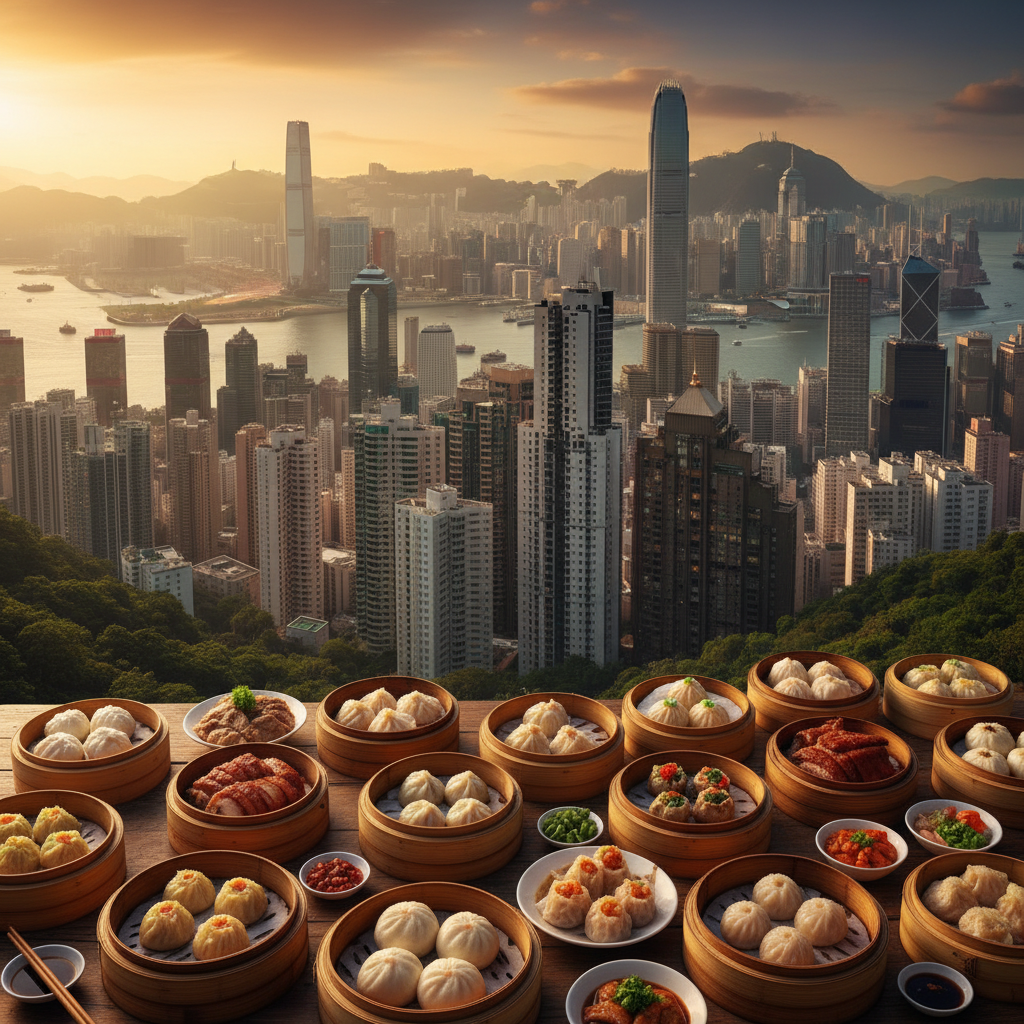
Hong Kong Dim Sum & Food Culture: A 4-Day Culinary Journey
Dive into Hong Kong's vibrant food scene over 4 days, from Michelin-starred dim sum to bustling dai pai dongs. A must for foodies and dim sum enthusiasts.
- Duration: 4 Days
- Estimated Budget: $300–$600
- Best Time to Visit: October-December for cool, dry weather; April-May for pleasant temperatures before the summer heat.
- Destination: Hong Kong
Hong Kong isn't just a city; it's a culinary pilgrimage, a place where the clatter of chopsticks and the aroma of roast meats tell the story of a vibrant culture. This 4-day itinerary is your golden ticket to experiencing the city's legendary dim sum, cha chaan tengs, and street food, focusing on authentic flavors far beyond the usual tourist traps.
Stepping into the bustling lanes of Sai Ying Pun, you're immediately enveloped in the authentic rhythm of daily life, a world away from the gleaming skyscrapers. Here, the aroma of simmering broths mingles with the clang of woks, and local eateries spill onto the sidewalks. This neighborhood, with its traditional wet markets and family-run shops, offers a genuine glimpse into the city's culinary soul. It's where generations have perfected recipes, where the freshest ingredients are sourced daily, and where every meal tells a story. You'll discover hidden gems that serve up comforting, time-honored dishes, providing an intimate connection to the city's rich gastronomic heritage.
Should you be intimidated by the sheer volume of dining options and the fear of missing out on truly authentic experiences? Here's the reality: navigating the culinary landscape of a city renowned for its food can be overwhelming. With thousands of restaurants, street stalls, and cafes, discerning the truly exceptional from the merely good requires insider knowledge. You want to avoid the tourist traps and find the places where locals genuinely eat, where the flavors are bold and the traditions run deep. This guide cuts through the noise, directing you to establishments celebrated for their quality, history, and unmistakable Hong Kong character, ensuring every bite is a memorable one.
Food travelers spend their mornings exploring the vibrant energy of a local market, perhaps in Kennedy Town, where vendors proudly display their daily catches and seasonal produce. You'll find yourself sipping strong, sweet milk tea at a no-frills cafe, observing the morning rush, before diving into a plate of fluffy steamed buns. Afternoons might involve a deep dive into the art of noodle making or sampling exquisite pastries from a traditional bakery. Evenings are dedicated to savoring multi-course meals, from sizzling hot pots to expertly prepared seafood, often enjoyed in lively, bustling settings that are as much a part of the experience as the food itself.
Arrival & Cha Chaan Teng Immersion in Jordan
Arrive at Hong Kong International Airport (HKIA) and take the Airport Express to Kowloon Station, then a short taxi or MTR ride to your hotel in Jordan.
This is the most efficient and comfortable way to get into the city, allowing you to settle in quickly and start your culinary adventure without delay. Jordan is a fantastic base for foodies, especially for exploring traditional Hong Kong eats.
Head straight to Australia Dairy Company in Jordan for a quintessential Hong Kong cha chaan teng experience.
This legendary spot is famous for its scrambled eggs, toast, and milk tea – a true taste of local breakfast/lunch culture. It's fast, furious, and utterly delicious, embodying the spirit of Hong Kong's bustling eateries.
Explore the vibrant streets of Jordan and Yau Ma Tei, soaking in the local atmosphere and discovering hidden food stalls.
These neighborhoods offer a glimpse into authentic Hong Kong life, away from the glitzy tourist traps. You'll find everything from traditional bakeries to street snacks, providing a sensory feast.
Indulge in a classic Hong Kong afternoon tea at Tsui Wah Restaurant, famous for its milk tea and pineapple buns.
Tsui Wah is an iconic cha chaan teng chain that perfectly blends tradition with modern convenience. Their milk tea is robust and creamy, and the pineapple bun (bo lo bao) with a slab of butter is a must-try Hong Kong classic.
Experience a traditional Cantonese roast meat dinner at Joy Hing Roasted Meat in Wan Chai, known for its legendary char siu.
Joy Hing is a Michelin Bib Gourmand recipient and a local institution, serving some of the best char siu (barbecued pork) in Hong Kong. This is an essential stop for any food lover wanting to taste authentic Cantonese roast meats.
Leif's Tip: Embrace the local dining etiquette: don't be afraid to share tables, be decisive with your order, and understand that service is efficient rather than overly friendly. It's all part of the authentic Hong Kong experience, and a smile goes a long way even in the busiest spots.
Hong Kong has countless districts, each with its own culinary specialties, and knowing which ones to prioritize for specific dishes is the difference between a good meal and an unforgettable one. The sheer volume of options, from Michelin-starred temples of gastronomy to humble street stalls, can feel like navigating a labyrinth without a map. How do you find the city’s best char siu that melts in your mouth, or the perfect pineapple bun that’s crispy on the outside and fluffy within? Leif cuts through this complexity, curating a path that leads you directly to the culinary heart of each neighborhood. Instead of endless scrolling through reviews, you'll have a clear, delicious itinerary that ensures every meal is a discovery, not a gamble, allowing you to savor the true flavors of this incredible food city.
Say you want to experience the legendary crispy skin of Yung Kee's roast goose but you're not sure about the best time to go to avoid the longest queues, or if there are other must-try dishes on their extensive menu. Leif already has that covered. Your personalized itinerary will not only tell you the ideal time for your visit but also suggest specific dishes that pair perfectly with their famous goose, like their preserved egg and pickled ginger. You'll arrive knowing the history of the restaurant, the best way to order, and even a few Cantonese phrases to impress the staff. It’s like having a local food expert whispering in your ear, guiding you to the most authentic and delicious experiences, ensuring you don't miss a single iconic bite.
You'll arrive in Hong Kong knowing exactly where to find the crispiest pork belly, the most comforting wonton noodles, and the richest milk tea, all without a moment of hesitation. Instead of wandering aimlessly or falling into tourist traps, you'll confidently navigate the bustling streets, heading straight for the culinary gems that define this city. The difference is savoring a perfectly steamed shrimp dumpling at a century-old tea house, feeling the warmth of its history, rather than settling for an average meal. Arriving in Hong Kong with a Leif itinerary already done means your taste buds are in for an extraordinary adventure, allowing you to fully immerse yourself in the city's vibrant food culture from your very first bite.
Best Time to Visit Hong Kong
October to early December offers the most pleasant weather with clear skies and comfortable temperatures, perfect for exploring on foot.
Late December to February can be cool and dry, ideal for hot pot and warming noodle soups without the humidity.
Avoid the summer months (June to September) due to high humidity, frequent rain, and occasional typhoons, which can impact outdoor market visits and walking tours.
Spring (March to May) is generally warm but can be humid with occasional rain, though still manageable for food adventures.
For dim sum, aim to visit restaurants between 9 AM and 1 PM for the freshest selection and lively atmosphere.
Getting Around Hong Kong
While the MTR is efficient, many of the best food spots are tucked away in local neighborhoods, so be prepared to walk extensively and use buses or trams for shorter distances.
Download a reliable offline map app like Google Maps or Citymapper to navigate Hong Kong's intricate streets and find hidden eateries.
Purchase an Octopus Card immediately upon arrival; it's essential for all public transport (MTR, buses, trams, ferries) and even accepted at many convenience stores and cafes.
Taxis are readily available and reasonably priced for late-night returns or when you're tired from a day of eating, but be aware of potential traffic in busy areas.
The iconic Hong Kong Tramways (ding-ding trams) offer a charming and inexpensive way to explore Hong Kong Island, particularly good for food-hopping between Central, Wan Chai, and Causeway Bay.
What to Pack
- Comfortable walking shoes are non-negotiable; you'll be on your feet for hours exploring markets and food stalls.
- Lightweight, breathable clothing is best, especially if you're visiting outside of winter, as many eateries can be warm and bustling.
- A small, collapsible umbrella or light rain jacket, even in drier seasons, for unexpected showers or strong sun.
- A portable power bank for your phone; you'll be using it constantly for navigation, photos, and translating menus.
- Hand sanitizer and a small pack of tissues for street food adventures and public restrooms.
- A reusable water bottle to stay hydrated, especially when navigating crowded markets and humid streets.
- A small, secure cross-body bag to keep your valuables safe while navigating busy areas and markets.
- An open mind and an empty stomach – these are your most important tools for a Hong Kong food trip!
Money-Saving Tips
- Embrace local eateries like cha chaan tengs, dai pai dongs, and roast meat shops; these offer incredible value and authentic flavors compared to upscale restaurants.
- Look for lunch sets (午市套餐) at dim sum restaurants; they often provide a great selection at a lower price point than dinner.
- Many traditional bakeries offer delicious and affordable snacks like egg tarts and pineapple buns, perfect for a quick bite or breakfast.
- When dining at dai pai dongs or local cafes, share dishes with your travel companions to sample a wider variety without overspending.
- Tap water is generally safe to drink, but many locals prefer boiled or filtered water; carrying a reusable bottle and refilling at your hotel or water dispensers can save money on bottled water.
Local Insights
- Don't be afraid to queue, especially at popular dim sum spots or cha chaan tengs; a line is usually a sign of good food and worth the wait.
- Many traditional eateries, especially dai pai dongs and older cha chaan tengs, operate on a cash-only basis, so always carry small denominations of Hong Kong Dollars.
- Table sharing (搭檯) is common in busy local restaurants, especially during peak hours; embrace it as part of the authentic Hong Kong dining experience.
- When ordering dim sum, don't be shy to point at dishes on other tables if you don't recognize them on the menu; it's a common and accepted practice.
- Tea is often served automatically at dim sum restaurants; it's part of the experience and usually comes with a small charge per person (tea charge or 'cha lei').
Frequently Asked Questions
What's the best way to experience authentic dim sum?
For a truly traditional experience, seek out older establishments that still use dim sum trolleys, like Lin Heung Tea House. The atmosphere is bustling, and you pick your dishes directly from the carts as they pass. Don't be afraid to point at what looks good! For a more refined, yet still authentic, experience, Tim Ho Wan offers Michelin-starred dim sum at incredibly affordable prices.
How much should I budget for food per day?
You can eat incredibly well on HK$200–400 per day. Dim sum brunch typically costs HK$80–150 per person, while a hearty roast meat rice plate is around HK$40–70. Street food and cha chaan teng meals are very budget-friendly, allowing you to sample a wide variety of dishes without breaking the bank.
Is it easy to find vegetarian options?
While Hong Kong cuisine is heavily meat and seafood-centric, vegetarian options are available, especially in Buddhist vegetarian restaurants. Many dim sum places offer vegetable dumplings or steamed greens. Always specify 'choi' (vegetable) and 'm goi yau' (no oil) or 'm goi yuk' (no meat) when ordering. Look for 'jai' (vegetarian) on menus.
What's the etiquette for eating at a dai pai dong or cha chaan teng?
These are casual, bustling places. Expect shared tables, quick service, and often no-frills decor. Don't linger too long after your meal, especially during peak hours. It's common to pay at the counter on your way out. Embrace the noise and energy – it's part of the authentic experience!
How do I order if I don't speak Cantonese?
Many popular eateries will have English menus or at least picture menus. Don't be shy about pointing to dishes or using a translation app. Most staff in tourist-friendly areas will understand basic English, especially in Central and Tsim Sha Tsui. For more local spots, a smile and pointing usually work wonders!
What's the best time of day to visit a wet market?
For the most vibrant atmosphere and freshest produce, aim to visit a wet market in the morning, typically between 7 AM and 10 AM. This is when vendors are setting up, and locals are doing their daily shopping. It's a fantastic sensory experience and a great way to see the ingredients that go into Hong Kong's famous dishes.
Are reservations necessary for popular restaurants?
For high-end restaurants or very popular dim sum palaces, especially on weekends, reservations are highly recommended. For most cha chaan tengs, dai pai dongs, and smaller eateries, walk-ins are the norm, though you might have to queue during peak meal times. Tim Ho Wan (Sham Shui Po) does not take reservations, so expect a wait.