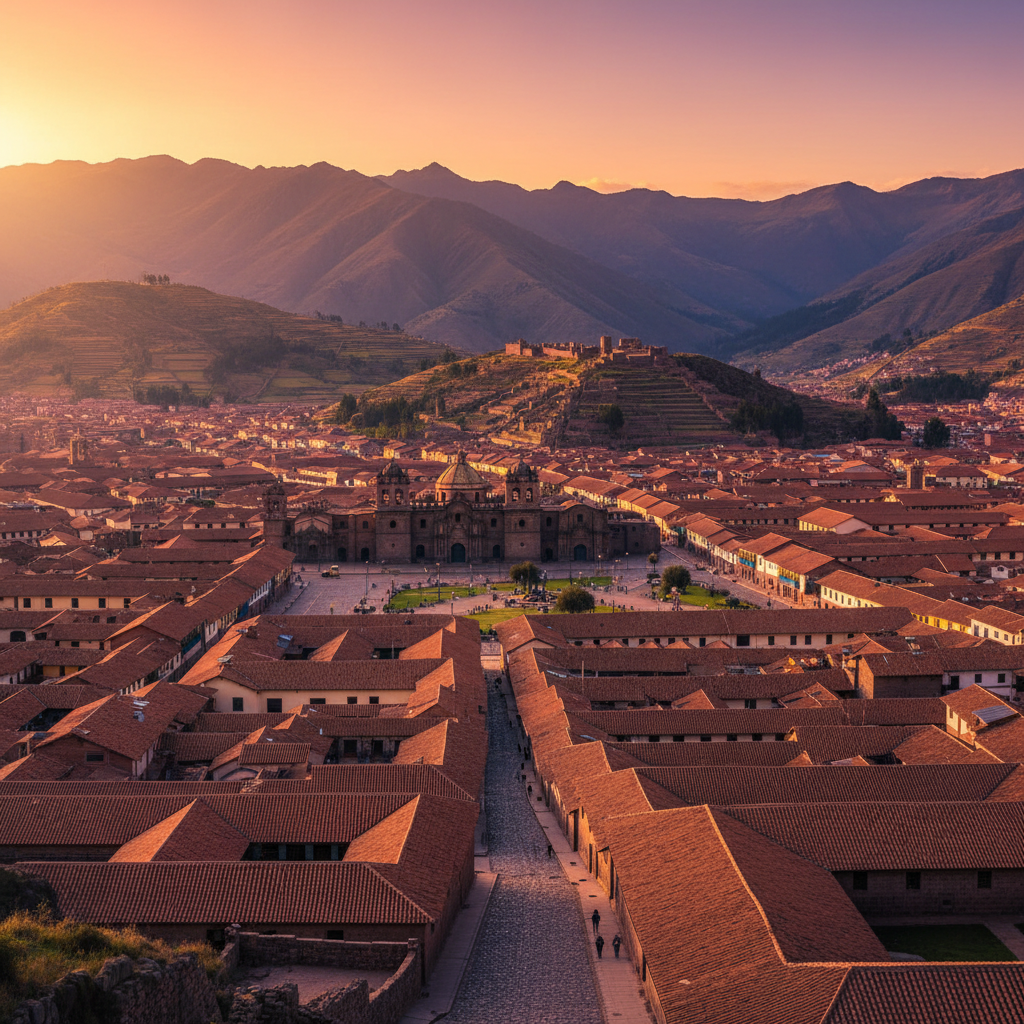
Cusco in 3 Days: The Essential General Traveler's Guide
Discover the magic of Cusco with this essential 3-day itinerary for general travelers. Explore ancient Incan sites, vibrant markets, and charming neighborhoods.
- Duration: 3 days
- Estimated Budget: $264–$474
- Best Time to Visit: May-October for dry weather and clear skies, ideal for exploring.
- Destination: Cusco, Peru
Cusco, the historic heart of the Inca Empire, is a city that captivates with its rich history, stunning architecture, and vibrant culture. This 3-day guide is perfect for the general traveler looking to soak in the atmosphere, explore ancient wonders, and savor delicious Peruvian cuisine without rushing. Planning a longer Peru trip? Read our guide: Cusco Doesn't Need Machu Picchu. It Never Did..
Stepping into Cusco is like walking through a living museum, where ancient Inca stones meet Spanish colonial grandeur. This isn't just a stopover on your way to Machu Picchu; it's a destination that demands your attention, offering a vibrant tapestry of history, culture, and breathtaking Andean beauty. Imagine yourself wandering the narrow, cobblestone streets of San Blas, where artisan workshops spill onto the sidewalks, and the scent of freshly baked bread mingles with the earthy aroma of alpaca wool. The city's heart, the Plaza de Armas, is arguably the most beautiful main square in South America, framed by the imposing Cusco Cathedral and the intricate La Compañía de Jesús church, both testaments to a rich, complex past. You'll find yourself captivated by the sheer scale of the Inca stonework, particularly at sites like Sacsayhuaman, where massive, perfectly interlocking blocks defy explanation.
Cusco is also a feast for the senses, especially your taste buds. Forget bland tourist traps; here, you'll discover the true flavors of Peru. Dive into the bustling Mercado San Pedro, a sensory overload of exotic fruits, vibrant textiles, and local delicacies. Don't be shy – try a glass of chicha morada, a refreshing purple corn drink, or for the adventurous, a taste of cuy (guinea pig) or a hearty quinoa soup, perfect for warding off the Andean chill. The city hums with an energy that's both ancient and modern, where traditional Quechua women in colorful skirts walk alongside backpackers from every corner of the globe. This blend of old and new, local and international, creates an atmosphere unlike anywhere else, making every corner turn an adventure.
While the allure of the Inca Trail is undeniable, dedicating three days to Cusco itself is essential for truly appreciating its depth and allowing your body to acclimatize to the altitude. This isn't a place to rush; it's a place to savor. Spend your first day taking it easy, sipping coca tea, and letting the city's magic seep in. Then, venture out to explore the artisan quarter of San Blas, with its panoramic views, or marvel at the engineering marvel of Sacsayhuaman. A day trip to the Sacred Valley, visiting the vibrant Pisac market and the majestic Ollantaytambo fortress, is a perfect way to further immerse yourself in the Inca legacy and prepare for your journey to the lost city. Cusco offers an authentic, unforgettable Peruvian experience that goes far beyond its famous ruins.
Gentle Beginnings: Acclimatizing to Cusco's Charms
Arrive at Alejandro Velasco Astete International Airport (CUZ) and take a pre-arranged taxi to your hotel. Settle in and take it easy.
Cusco sits at a staggering 3,400 meters (11,150 feet) above sea level. Resting immediately upon arrival is crucial for altitude acclimatization and preventing soroche (altitude sickness).
Take a very gentle stroll around the block near your hotel, keeping it short and slow. Observe the local life and architecture.
A short, easy walk helps your body adjust to the altitude without overexertion. It's also a chance to get your bearings in your immediate surroundings.
Enjoy a light, early dinner at a local restaurant known for its healthy, traditional Peruvian cuisine.
Eating light and early is important for altitude acclimatization, as your digestive system may be more sensitive. Traditional soups and vegetable dishes are ideal.
Relax at your hotel with a warm cup of mate de coca (coca tea).
Coca tea is a traditional remedy for altitude sickness, known to help with headaches and nausea. It's a comforting ritual that helps you wind down.
Prioritize hydration throughout the day by drinking plenty of bottled water.
Dehydration can worsen altitude sickness symptoms significantly. Staying well-hydrated is one of the most effective ways to help your body adapt.
Leif's Tip: Resist the urge to explore extensively on your first day. Your body needs time to adjust to the altitude. Focus on hydration, light meals, and plenty of rest. You'll thank yourself for it when you're feeling energetic for the rest of your trip. Consider spending a day or two in Lima beforehand to gradually acclimatize if flying directly from sea level isn't an option, it makes a huge difference.
Navigating the labyrinthine streets and cultural nuances of Cusco can feel overwhelming, especially when you're trying to balance historical exploration with acclimatization to the altitude. Deciphering the best way to get from the airport to your hotel, understanding which local currency exchange spots offer fair rates versus tourist traps, or figuring out how to respectfully engage with local vendors without feeling pressured are all common friction points. You might wonder which local eateries offer authentic Peruvian flavors without compromising on hygiene, or how to distinguish between a genuine artisan market and one filled with mass-produced souvenirs. Leif anticipates these very challenges, providing clear, actionable guidance that transforms potential headaches into seamless experiences, ensuring your focus remains on the magic of the Andes.
Prioritize your well-being with Leif’s expert guidance, especially for your first day in the high-altitude city. Perhaps you're directed to a charming cafe near the Plaza de Armas, known for its coca tea and fresh fruit, perfectly setting the pace for a gentle acclimatization day. Later, when you're considering a visit to Qorikancha, Leif not only provides its historical significance but also practical tips on the best time to visit to avoid crowds, or even suggests a lesser-known, equally fascinating colonial church nearby that offers a more intimate experience. This isn't just a list of attractions; it's a carefully curated flow that considers your energy levels, interests, and the unique rhythm of Cusco itself, ensuring every moment is thoughtfully spent.
The crisp, cool Andean air, carrying hints of eucalyptus and ancient stone, fills your lungs as you step out each morning, completely at ease. You're not just visiting Cusco; you're experiencing it with the confidence of knowing you're making the most of every moment, from savoring a traditional pisco sour in a hidden bar to discovering a breathtaking viewpoint only locals know. This deep sense of preparedness allows you to truly connect with the vibrant culture, the welcoming people, and the awe-inspiring history that permeates every cobblestone. You’ll leave Cusco not just with photographs, but with stories of genuine discovery and a profound appreciation for this extraordinary corner of the world. Let Leif guide your next adventure.
Best Time to Visit Cusco, Peru
May-October: This is the dry season, offering clear skies and minimal rain, which is essential for enjoying the outdoor activities and especially for Machu Picchu visibility.
Avoid November-April: This is the rainy season. While still visitable, expect frequent downpours and potentially obstructed views.
Early mornings are often clearest: Even in the dry season, clouds can roll in during the afternoon, so plan your outdoor excursions for the morning.
Consider shoulder seasons (April, November): You might find fewer crowds and slightly lower prices, but be prepared for a mix of weather conditions.
Getting Around Cusco, Peru
Walk everywhere in the city center: Cusco's historic core is best explored on foot, allowing you to discover hidden alleys and charming plazas. Just remember the altitude!
Use official taxis for longer distances: For trips to Sacsayhuaman or if you're tired from walking, always use official taxis. Agree on the fare before you get in to avoid surprises.
Colectivos for Sacred Valley: For budget-friendly travel to places like Pisac or Ollantaytambo, look for 'colectivos' (shared vans) from designated terminals. They're efficient and very local.
Book your train to Aguas Calientes in advance: Especially during peak season, train tickets from Ollantaytambo to Machu Picchu (Aguas Calientes) sell out quickly. PeruRail and Inca Rail are the main operators.
What to Pack
- Layers of clothing: Cusco's weather can change rapidly from warm sun to chilly shade, so pack versatile layers like t-shirts, long-sleeved shirts, and a fleece.
- Warm jacket: Even in the dry season, evenings and early mornings can be quite cold, especially at altitude.
- Comfortable walking shoes: You'll be doing a lot of walking on cobblestone streets and potentially uneven terrain.
- Rain jacket or poncho: Even in the dry season, a sudden shower isn't impossible, and it's essential during the rainy months.
- Sunscreen and hat: The sun at high altitude is incredibly strong, even on cloudy days.
- Altitude sickness medication: Consult your doctor about preventative medication like Diamox, or bring coca leaves for natural relief.
- Small backpack: Ideal for day trips, carrying water, snacks, and extra layers.
- Reusable water bottle: Stay hydrated to combat altitude sickness and reduce plastic waste.
Money-Saving Tips
- Eat at local 'menu del dia' spots: Many restaurants, especially outside the main tourist areas, offer a fixed-price lunch menu ('menu del dia') that includes a starter, main, and drink for a fraction of the cost of a la carte.
- Bargain at Mercado San Pedro: While prices are generally good, you can often negotiate a bit, especially when buying multiple items or souvenirs.
- Take colectivos for Sacred Valley tours: Instead of organized tours, you can save money by taking shared vans (colectivos) to Pisac and Ollantaytambo and exploring independently.
- Buy a Boleto Turistico: If you plan to visit multiple Inca sites and museums in and around Cusco, this tourist ticket offers significant savings compared to buying individual entry tickets.
- Drink tap water only after filtering or boiling: Bottled water can add up. Invest in a SteriPEN or water filter bottle to save money and reduce plastic.
Local Insights
- Acclimatize slowly: Cusco's altitude (3,400m) is no joke. Take it easy on your first day, drink plenty of water and coca tea, and avoid alcohol and heavy meals.
- Learn a few basic Spanish phrases: While many in the tourist industry speak English, knowing 'hola,' 'gracias,' and 'por favor' will go a long way and is always appreciated.
- Try coca tea: It's widely available and a traditional remedy for altitude sickness. Don't be shy; it's perfectly legal and helpful.
- Embrace the local markets: Mercado San Pedro is not just for shopping; it's a vibrant cultural experience. Be open to trying local foods like chicha morada or even cuy (guinea pig) if you're adventurous.
- Be respectful when taking photos: Always ask for permission before photographing locals, especially children or indigenous people in traditional dress. A small tip is often appreciated.
Frequently Asked Questions
How serious is the altitude in Cusco?
Cusco sits at 3,400 meters (11,150 feet) above sea level, which is serious altitude. Many travelers experience mild symptoms like headaches, dizziness, or shortness of breath. It's crucial to take it easy on your first day, drink plenty of water and coca tea, and avoid alcohol and heavy meals. If possible, spend a day or two in Lima or the Sacred Valley (lower altitude) before arriving in Cusco to help your body adjust.
What's the best way to get around Cusco?
Cusco's historic center is very walkable, with most major attractions within easy reach. For longer distances or to save your legs on uphill climbs (especially to San Blas or Sacsayhuaman), taxis are plentiful and affordable. Always agree on a price before getting in, or ask your hotel for estimated fares. For day trips to the Sacred Valley, organized tours or private drivers are recommended.
Is it safe to eat street food in Cusco?
While tempting, exercise caution with street food. Stick to vendors with long lines of locals, high turnover, and visibly clean preparation areas. For a safer and more diverse culinary experience, explore the Mercado San Pedro for prepared foods or dine at reputable local restaurants. Always prioritize bottled water over tap water.
What should I pack for a trip to Cusco?
Layers are key! Days can be sunny and warm, but evenings get chilly. Pack a warm jacket, fleece, long-sleeved shirts, comfortable walking shoes, a hat, sunglasses, and high-SPF sunscreen (the sun is intense at altitude). A small backpack for day excursions, a reusable water bottle, and a portable charger are also highly recommended.
Do I need to book tours in advance for the Sacred Valley or Machu Picchu?
Yes, absolutely, especially for Machu Picchu. Train tickets from Ollantaytambo to Aguas Calientes and bus tickets up to the ruins should be booked well in advance, particularly during peak season (May-October). Sacred Valley tours can often be arranged a day or two before in Cusco, but booking ahead ensures your preferred tour and guide.
What are some must-try local foods and drinks?
Beyond the famous ceviche, you must try Lomo Saltado (stir-fried beef), Aji de Gallina (creamy chicken stew), and Rocoto Relleno (stuffed spicy peppers). For drinks, chicha morada (purple corn drink) is refreshing, and a Pisco Sour is the national cocktail. Don't forget to try coca tea for altitude sickness – it's a local staple.
What's the best time of year to visit Cusco?
The dry season, from May to October, offers the most sunshine and clearest skies, which is ideal for hiking and enjoying outdoor activities, especially for Machu Picchu visibility. However, this is also peak tourist season, so expect larger crowds and higher prices. The shoulder months of April and November can offer a good balance of weather and fewer tourists.