Cusco on a Budget: 4-Day Guide to Free Inca Ruins & Sacred Valley for €50/Day
Uncover the magic of Cusco and Machu Picchu on a shoestring budget. This 4-day guide shows you how to explore ancient ruins, local markets, and the Sacred Valley for just €50/day.
- Duration: 4 Days
- Estimated Budget: $200–$250
- Best Time to Visit: May-September for dry weather and clear skies, though April and October offer fewer crowds.
- Destination: Cusco, Peru
Cusco, the ancient capital of the Inca Empire, offers an incredible journey into history and culture without breaking the bank. This guide proves that experiencing the wonders of the Andes, from free Inca sites to the majestic Machu Picchu, is entirely achievable for the savvy budget traveler. Planning a longer Peru trip? Read our guide: Cusco Doesn't Need Machu Picchu. It Never Did..
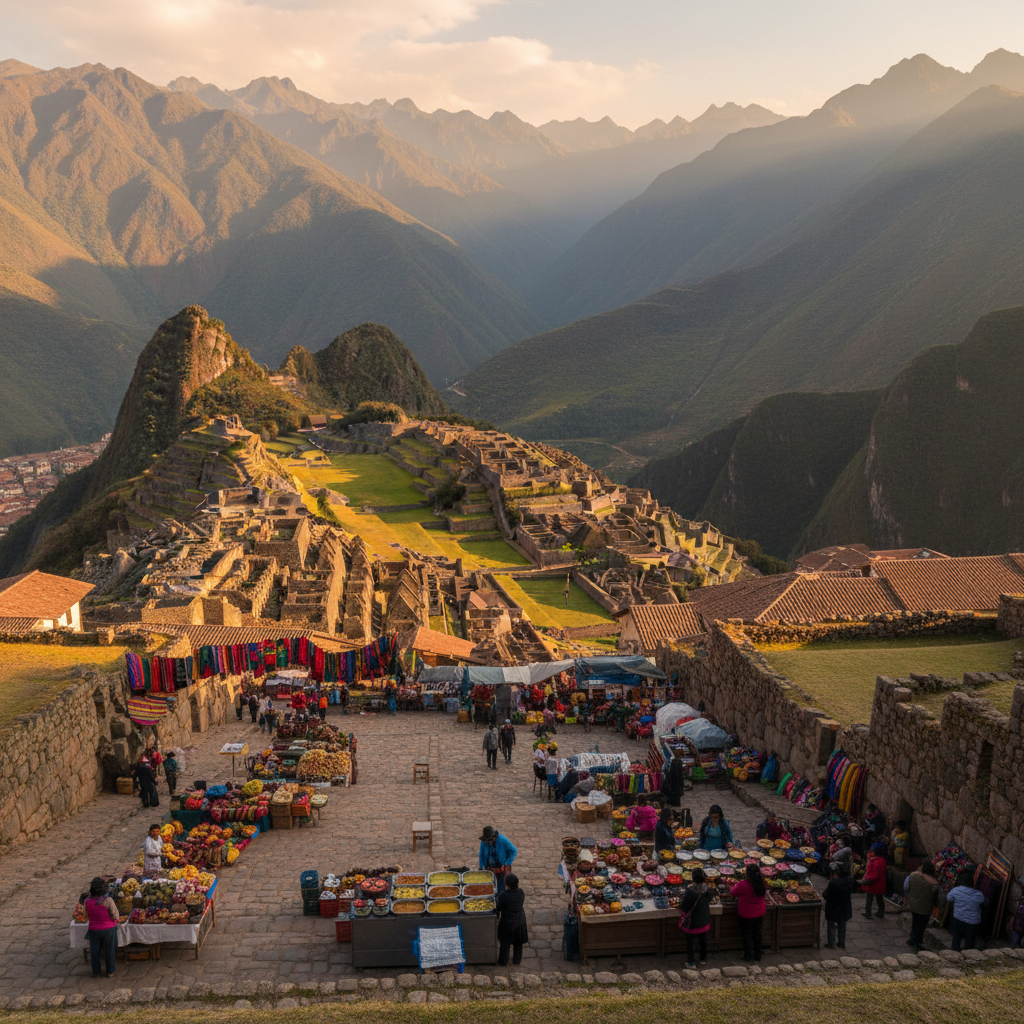
Stepping into the central square, you'll immediately feel the pulse of this historic Andean hub. The intricate stone architecture, a testament to its layered past, provides a stunning backdrop to daily life. You can spend hours simply observing the vibrant street artists, the local families enjoying the afternoon sun, and the occasional traditional procession winding its way through the cobbled streets. It's a place where ancient traditions blend seamlessly with contemporary Peruvian culture, offering endless opportunities for discovery without needing to open your wallet. The energy here is infectious, drawing you into the rhythm of a city that has captivated travelers for centuries.
How can you truly experience the local flavors and culture without falling into tourist traps? The secret lies in embracing the everyday routines of the residents. Instead of seeking out high-end establishments, look for the bustling morning markets where aromas of fresh produce and regional specialties fill the air. Engage with vendors, sample exotic fruits, and discover the true taste of the region through its street food and humble eateries. This approach not only saves you a significant amount of money but also provides an authentic connection to the heart and soul of the destination, offering insights that a curated tour could never provide.
Your days will often begin with the vibrant sounds of a local marketplace, where you'll find incredible value in a hearty morning meal. After fueling up, you might find yourself exploring ancient pathways that lead to breathtaking panoramic views, discovering hidden courtyards, or simply soaking in the atmosphere of a sun-drenched square. The afternoons could involve a leisurely stroll through artisan workshops, observing traditional crafts, or perhaps a visit to a lesser-known historical site that offers a quiet moment of reflection. Evenings are for savoring affordable, delicious meals at family-run establishments, followed by a relaxed wander under the starlit Andean sky, truly living like a local.
Altitude Acclimation and Free Inca Wonders
Start your day by exploring the bustling San Pedro Market, a vibrant hub of local life, food, and crafts.
This market is the beating heart of Cusco, offering an authentic glimpse into daily life and incredibly affordable, delicious food. It's the perfect place to acclimate to the altitude while soaking in the local atmosphere.
Wander through the historic Plaza de Armas, the main square of Cusco, admiring the colonial architecture and the impressive Cathedral.
This central plaza is the historical and cultural heart of the city, surrounded by stunning architecture that tells tales of both Inca and Spanish heritage. It's a beautiful spot to people-watch and feel the city's pulse.
Embark on a walking tour to the free Inca ruins just above Cusco, starting with Sacsayhuamán's impressive exterior.
You can experience the monumental scale of Inca engineering without spending a cent by exploring the outer walls and surrounding areas of Sacsayhuamán. It offers breathtaking views of Cusco below.
Continue your free Inca ruins exploration to Qenqo, an ancient Inca site with carved rock formations and underground passages.
Qenqo offers a fascinating look into Inca religious practices and astronomical observations, with its unique amphitheater-like structure and intricate stone carvings. It's a serene and mystical spot.
Conclude your archaeological walk with visits to Puca Pucara and Tambomachay, two more free Inca sites.
Puca Pucara, the 'Red Fort,' and Tambomachay, the 'Bath of the Inca,' complete your journey through these accessible Inca marvels. They offer diverse architectural styles and historical significance, all without an entry fee.
Leif's Tip: Take it easy on your first day in Cusco. The altitude (3,400 meters or 11,150 feet) is no joke, so hydrate constantly, avoid alcohol, and don't overexert yourself. Your body will thank you, and you'll enjoy the rest of your trip much more.
Navigating the intricacies of a budget trip to the Andean highlands can feel like deciphering an ancient map. Between understanding the difference between local colectivos and overpriced tourist shuttles, knowing where to find an authentic 'menú del día' that won't upset your stomach, and identifying which historical sites are genuinely free to explore versus those with hidden costs, the planning can quickly become overwhelming. The challenge isn't just finding cheap options; it's finding the right cheap options that offer genuine cultural immersion and safety, without sacrificing the magic of the experience. Many travelers get caught in the trap of generic advice, missing out on the true local gems and spending more than necessary on easily avoidable tourist markups. This is precisely where Leif shines, cutting through the noise to deliver a tailored, cost-effective adventure.
When you're standing near the bustling stalls of a morning market, perhaps at the corner of a narrow, cobbled street, wondering if that vibrant purple drink is safe to try or if there's a better route to the free Inca lookout point you heard about, Leif has already anticipated your questions. Say you want to explore the Sacred Valley without paying for an expensive guided tour, but you're not sure how to catch the correct local bus to a town like Urubamba or Ollantaytambo, or which stops are essential. Leif provides the exact bus numbers, the departure points, the estimated fares, and even suggests local eateries where you can enjoy a delicious, affordable meal away from the main tourist drag. You'll know exactly which path to take for the best views, where to find the freshest fruit, and how to haggle politely for a souvenir, all without breaking your daily budget. It’s like having a local friend whispering advice in your ear.
You'll arrive in the mountains knowing exactly how to stretch every euro, confident that you're experiencing the heart of the region without compromise. Instead of fretting over unexpected expenses or feeling lost in translation, you'll be savoring a warm, spiced 'empanada' from a street vendor, chatting with locals, and discovering breathtaking ancient wonders that many tourists overlook. The difference is feeling completely present and immersed, rather than constantly checking your budget or second-guessing your choices. Arriving in this historic city with a meticulously planned, budget-conscious itinerary already done means you can focus entirely on the awe-inspiring landscapes, the rich history, and the vibrant culture, making memories that feel truly authentic and personal, all within your financial comfort zone.
Best Time to Visit Cusco, Peru
The dry season, from May to October, offers the most sunshine and clearest skies, ideal for hiking and exploring.
June to August are peak tourist months, meaning higher prices and more crowds, even for budget travelers.
Consider shoulder seasons like April, May, September, or October for good weather and fewer tourists, often with better deals on flights and accommodation.
Rainy season (November to March) can mean lush green landscapes but also muddy trails and potential travel disruptions, though prices are generally lower.
Getting Around Cusco, Peru
Utilize colectivos (shared vans) for inter-city travel, especially to the Sacred Valley. They are incredibly cheap and efficient.
For getting around Cusco city, walking is your best bet. The city center is compact and very walkable, saving you on taxi fares.
When taking taxis, always agree on the fare before getting in. There are no meters, and haggling is expected.
Book your train tickets to Aguas Calientes well in advance, especially if you're aiming for the cheaper times. PeruRail and Inca Rail are the main operators.
What to Pack
- Layers of clothing: Cusco's weather can change rapidly from warm sun to chilly evenings.
- Comfortable walking shoes: You'll be doing a lot of walking, often on uneven cobblestone streets and trails.
- Rain jacket or poncho: Even in the dry season, a sudden shower isn't uncommon.
- High-SPF sunscreen and a hat: The Andean sun is intense at altitude.
- Reusable water bottle: Stay hydrated and reduce plastic waste.
- Small daypack: For carrying essentials during daily excursions.
- Basic first-aid kit: Including pain relievers, blister treatment, and altitude sickness medication if you're prone to it.
- Portable charger: For keeping your phone and other devices powered up on long days.
Money-Saving Tips
- Eat like a local: Opt for 'menú del día' (set lunch menus) at local restaurants for delicious and incredibly affordable meals (€3-5).
- Shop at local markets: San Pedro Market is not just for breakfast; you can find cheap snacks, fruits, and even souvenirs.
- Walk whenever possible: Skip taxis for short distances and embrace the city on foot.
- Book Machu Picchu tickets directly: Avoid tour operator markups by purchasing your entrance tickets on the official government website.
- Hike to Machu Picchu from Aguas Calientes: Save €24 on the bus fare by taking the scenic (and free!) 45-minute uphill walk.
Local Insights
- Learn some basic Spanish phrases: 'Hola', 'Gracias', 'Por favor', and 'Cuánto cuesta?' will go a long way and are appreciated by locals.
- Acclimatize to the altitude: Spend your first day taking it easy, drinking plenty of water, and avoiding heavy meals or alcohol to prevent altitude sickness.
- Bargain respectfully: Especially in markets, a bit of friendly haggling is part of the culture, but always be polite and fair.
- Try 'chicha morada': This delicious purple corn drink is non-alcoholic and a local staple, often found at markets and small eateries.
- Be aware of your surroundings: While Cusco is generally safe, always be mindful of your belongings, especially in crowded areas like markets or plazas.
Frequently Asked Questions
Is it safe to walk around Cusco at night on a budget?
Generally, the main tourist areas and the historic center are quite safe, even at night. Stick to well-lit, populated streets and avoid walking alone in deserted areas or side alleys. Always be aware of your surroundings, just as you would in any city. Taking a registered taxi after dark is recommended if you're going a longer distance or are unsure of the route.
What's the best way to get around Cusco on a budget?
Walking is your best friend in the historic center – it's compact and charming. For longer distances, local buses (combis) are incredibly cheap, usually less than €0.30, but can be crowded and confusing for first-timers. Taxis are also affordable; always agree on the price before getting in, and aim for around €1.50-€3 for most in-city rides. Avoid official-looking 'tourist taxis' which charge more.
Can I really see Inca ruins for free in Cusco?
Absolutely! While the main entrance to Sacsayhuamán requires a Boleto Turístico, you can freely explore the extensive exterior grounds and get incredible views of the site and the city below without a ticket. Sites like Qenqo, Puca Pucara, and Tambomachay, located just outside the city, are also completely free to access and offer a fantastic glimpse into Inca engineering without any cost.
How can I save money on food in Cusco?
Embrace the 'menú del día' (set lunch menu) offered by countless local restaurants – it typically includes a starter, main, and drink for €3-€5. For breakfast, head to San Pedro Market for fresh juices, tamales, and 'api morada' for €1-€2. Street food from reputable vendors can also be a delicious and cheap option, especially for snacks.
Is it better to book Machu Picchu tickets in advance or last minute?
Always book your Machu Picchu entrance tickets directly on the official Peruvian government website (culturacusco.gob.pe) as far in advance as possible, especially if you're traveling during peak season. Tickets can sell out weeks or even months ahead, and buying last minute or through unofficial channels risks higher prices or even scams. This is one area where advance planning saves you money and stress.
What's the cheapest way to get to Aguas Calientes (Machu Picchu town)?
The most budget-friendly option involves a combination of bus and walking. Take a local bus or colectivo from Cusco to Hidroeléctrica (about 6-7 hours, around €8-€10). From Hidroeléctrica, it's a scenic 2-3 hour walk along the train tracks to Aguas Calientes. This avoids the expensive train journey entirely, though it's a longer day of travel.
What should I pack for a budget trip to Cusco and Machu Picchu?
Layers are key! The Andean weather can change rapidly. Pack a waterproof jacket, comfortable walking shoes (you'll be doing a lot of walking!), a small daypack, a reusable water bottle, sunscreen, a hat, and sunglasses. Don't forget a portable charger for your electronics. For budget travelers, bringing your own snacks can also save a few euros here and there.