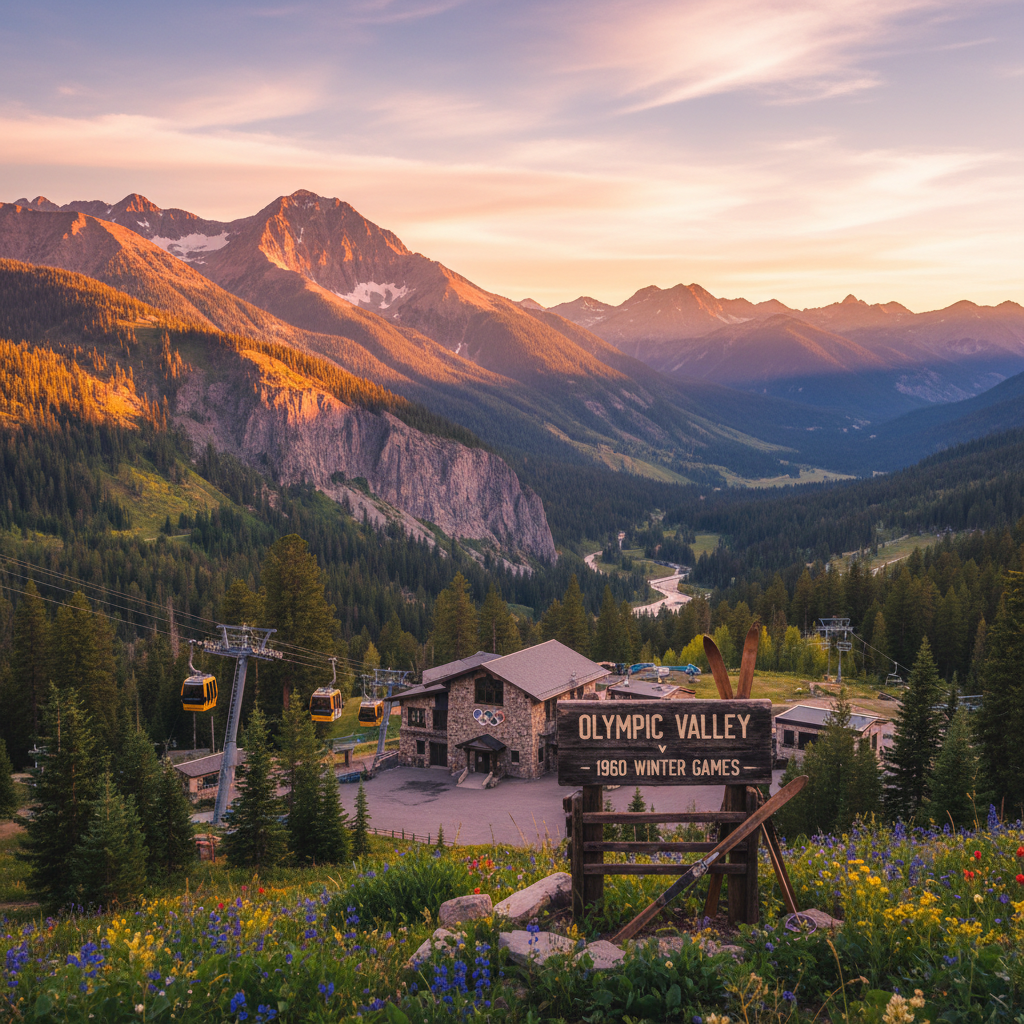
Squaw Valley / Palisades Tahoe: 3-Day Legacy Ski & Olympic History Guide
Explore Squaw Valley's (now Palisades Tahoe) Olympic legacy and legendary slopes on this 3-day ski guide. Discover KT-22, High Camp, and the resort's rich history.
- Duration: 3 Days
- Estimated Budget: $1,140–$2,400
- Best Time to Visit: January-March for prime snow conditions
- Destination: Squaw Valley / Palisades Tahoe, California, USA
For those who crave the thrill of legendary slopes steeped in history, Squaw Valley, now known as Palisades Tahoe, offers an unparalleled experience. This guide will take you on a journey through the resort's iconic Olympic past and its world-class terrain, perfectly blending nostalgia with modern adventure. It's the ideal destination for skiers who want to carve turns where champions once competed and relive the magic of the 1960 Winter Olympics.
Stand at the base of Palisades Tahoe, formerly Squaw Valley, and feel the echoes of Olympic glory, a place where the spirit of skiing's past collides with its vibrant present. a place where the spirit of skiing's past collides with its vibrant present. For generations, this iconic resort was known as Squaw Valley, a name etched into the very fabric of American ski history, especially as home to the famous Tram, which continues to whisk visitors to breathtaking views and high-alpine adventures. While the name officially changed in 2021, the legendary terrain, the Olympic legacy, and the sheer thrill of skiing here remain as potent as ever. This guide is for those who seek to not only carve turns on world-class slopes but also to immerse themselves in the rich narrative of a place that shaped modern skiing. Prepare to explore the hallowed grounds where legends were made, from the dizzying steeps of KT-22 to the historic Olympic flame cauldron still standing proudly at High Camp.
Palisades Tahoe isn't just a ski resort; it's a living museum of winter sports, a place where every run feels like a journey through time. You'll trace the footsteps of Olympic champions, feel the same crisp Sierra air they breathed, and witness the awe-inspiring landscape that captivated the world over 60 years ago. This isn't about chasing the latest trends; it's about connecting with the soul of skiing, understanding its roots, and appreciating the enduring legacy of Squaw Valley. We'll guide you to the exact spots where history unfolded, from the Olympic Museum to the very slopes that challenged the world's best athletes. Get ready to experience the profound sense of place that only a resort with such a storied past can offer.
Beyond the historical immersion, this guide ensures you experience the unparalleled skiing that Palisades Tahoe is renowned for. With 6,000 acres of diverse terrain, including the expansive Alpine Meadows connected by the Base to Base Gondola, you'll find everything from perfectly groomed cruisers to the infamous, heart-pounding chutes that define expert skiing here. We'll show you how to navigate the resort like a seasoned local, pointing out the best spots for untouched powder, the most exhilarating descents, and the coziest nooks for a well-deserved après-ski. This isn't just a ski trip; it's an homage to a legacy, a deep dive into the history, and an unforgettable adventure on some of North America's most celebrated slopes.
Olympic Echoes and Mountain Majesty: Arrival in Palisades Tahoe
Arrive at Reno-Tahoe International Airport (RNO), pick up your rental car, and enjoy the scenic 45-minute drive to Palisades Tahoe.
This drive offers your first glimpse of the stunning Sierra Nevada mountains and gets you into the mountain mindset. It's an easy, direct route to the resort.
Check into your accommodation and get settled, taking a moment to absorb the village atmosphere.
Getting checked in and unpacked allows you to immediately feel at home and ready to explore without the hassle of luggage. It sets a relaxed tone for your trip.
Take the Aerial Tram up to High Camp for breathtaking views and to visit the Olympic Museum.
The tram ride itself is an experience, offering panoramic views of Lake Tahoe and the surrounding peaks. High Camp is where the 1960 Winter Olympics flame cauldron still stands, making it a must-visit for history buffs and view-seekers alike.
Explore The Village at Palisades Tahoe, browsing the shops and getting a feel for the resort's vibrant energy.
The village is the heart of the resort, offering a lively atmosphere with unique boutiques and ski shops. It's a great way to stretch your legs and get acquainted with your surroundings.
Enjoy a classic après-ski experience at The Chamois, a legendary bar known for its lively atmosphere and strong drinks.
The Chamois, affectionately known as 'The Chammy,' is a true Palisades Tahoe institution, a place where locals and visitors alike gather to share ski stories and enjoy the vibrant energy. It's a perfect way to kick off your legacy ski trip.
Leif's Tip: Upon arrival, take a moment to download the Palisades Tahoe app. It's incredibly useful for real-time lift status, trail maps, and even finding your friends on the mountain, ensuring you make the most of your time.
Most visitors to Palisades Tahoe, intent on experiencing the 1960 Olympic legacy, find themselves overwhelmed by the sheer scale of the resort and the subtle nuances of its history. Deciphering which runs correspond to Olympic events, locating the lesser-known historical markers beyond High Camp, or understanding the true significance of specific lifts like KT-22 in the context of ski racing history, can be a daunting task. You might spend precious slope time trying to piece together a coherent historical narrative, missing out on prime skiing conditions or the best vantage points for appreciating the Olympic venue. This is precisely where Leif steps in, transforming potential confusion into a seamless journey through time and terrain, ensuring your focus remains on carving and discovery, not on deciphering fragmented historical accounts.
Palisades Tahoe, a landscape steeped in Olympic glory, offers an immersive journey through the annals of winter sports history. Instead of aimlessly riding lifts, you'll find yourself effortlessly navigating towards the precise spots where legendary downhill races unfolded, or perhaps tracing the path of the Olympic torch relay. Leif anticipates your desire to connect with the past, suggesting the optimal time to visit the Olympic Museum to avoid crowds, or directing you to a hidden plaque commemorating a historic moment near the Shirley Lake Express. It's about more than just skiing; it's about experiencing the resort through the lens of its profound heritage, ensuring you don't miss a single historical detail while still enjoying the exhilaration of the slopes.
The crisp, high-altitude air, carrying faint scents of pine and snow, feels different when you know the stories embedded in every turn. You arrive at Palisades Tahoe not just as a skier, but as an informed participant in its living history, confident in your ability to explore its vast terrain with purpose. You'll effortlessly transition from carving fresh corduroy to pausing at a viewpoint that once hosted an Olympic medal ceremony, feeling a deep connection to the champions who preceded you. This isn't just a ski trip; it's a meticulously crafted pilgrimage that leaves you with a profound appreciation for the resort's legacy and an eagerness to relive every moment.
Best Time to Visit Squaw Valley / Palisades Tahoe, California, USA
Mid-January to late February offers the best chance for deep powder and consistent snow, perfect for experiencing KT-22 at its prime.
Early March can still provide excellent conditions with fewer crowds and longer daylight hours, making for more relaxed ski days.
Avoid holiday weekends like Presidents' Day if you prefer shorter lift lines and less crowded slopes, as the resort can get very busy.
For the full Olympic legacy experience, any time the resort is open for skiing is great, but fresh snow enhances the dramatic scenery.
Check the resort's snow report and webcams a few days before your trip to get a real-time sense of conditions.
Getting Around Squaw Valley / Palisades Tahoe, California, USA
Renting an AWD or 4WD vehicle is highly recommended, especially during winter months when chain controls can be in effect on mountain passes.
The Palisades Tahoe Shuttle connects the base area to lodging and other points within the valley; it's free and convenient for getting around once you're there.
Consider using the free Mountaineer service for on-demand rides within Olympic Valley and Alpine Meadows, which is incredibly handy for après-ski.
If flying into Reno-Tahoe International Airport (RNO), look into shuttle services like North Lake Tahoe Express to avoid driving in potentially snowy conditions.
For exploring beyond the resort, the TART (Tahoe Area Regional Transit) bus offers routes around Lake Tahoe, though service can be less frequent in winter.
What to Pack
- Waterproof and insulated ski jacket and pants – essential for staying warm and dry on the slopes.
- Multiple layers of base and mid-layer clothing (wool or synthetic) to adjust to changing temperatures.
- Goggles with interchangeable lenses for different light conditions (sunny and cloudy days).
- Warm, waterproof gloves or mittens – consider a spare pair for very cold days.
- Sunscreen and lip balm with SPF – the high altitude sun is intense, even on cloudy days.
- Helmet – not just for safety, but also for warmth on windy lifts.
- Comfortable après-ski shoes or boots with good traction for walking on snow and ice.
- Swimsuit – for hot tub relaxation after a long day of skiing.
Money-Saving Tips
- Purchase your lift tickets online in advance; day-of ticket prices at the window are significantly higher.
- If you're an Ikon Pass holder, maximize its use by skiing both Palisades Tahoe and Alpine Meadows, connected by the Base to Base Gondola.
- Pack snacks and a reusable water bottle for the slopes to avoid expensive on-mountain food and drink purchases.
- Consider staying in Tahoe City or Truckee for potentially more affordable lodging options compared to slopeside accommodations in Olympic Valley.
- Look for happy hour specials at local restaurants and bars for more affordable après-ski drinks and appetizers.
Local Insights
- The resort officially rebranded to Palisades Tahoe in 2021, but many locals and long-time visitors still affectionately refer to it as 'Squaw Valley.' Embrace both names!
- Don't miss the Olympic Museum at High Camp; it's a small but fascinating tribute to the 1960 Winter Olympics and a key part of the resort's heritage.
- KT-22 is legendary for a reason; if you're an expert skier, make it a priority, but always assess conditions and your own ability before dropping in.
- Après-ski at The Chamois (fondly known as 'The Chammy') is a quintessential Palisades Tahoe experience – expect lively music, cheap beer, and a true ski bum vibe.
- The Base to Base Gondola connecting Palisades Tahoe and Alpine Meadows is a game-changer; it allows you to easily explore both mountains in one day without driving.
Frequently Asked Questions
Why was Squaw Valley renamed Palisades Tahoe?
The resort was renamed Palisades Tahoe in September 2021 to address the offensive nature of the word 'squaw.' The new name reflects the iconic granite rock faces, or 'palisades,' that define the landscape of the resort, while 'Tahoe' connects it to the beloved region.
Can I still experience the 1960 Winter Olympics legacy at Palisades Tahoe?
Absolutely! The Olympic legacy is a cornerstone of the resort's identity. You can visit the Olympic Museum at High Camp, see the iconic Olympic flame cauldron, and ski the very slopes where the games took place. Many historical markers and photos are displayed throughout the resort.
Is KT-22 still as legendary and challenging as ever?
Yes, KT-22, often called 'The Mothership,' remains one of North America's most iconic and challenging expert runs. Its steep pitches, moguls, and famous chutes like 'The Fingers' continue to draw advanced skiers seeking an adrenaline rush. It's a rite of passage for many.
What's the best way to get to Palisades Tahoe?
The most convenient airport is Reno-Tahoe International Airport (RNO), about a 45-minute drive away. Many shuttle services and rental cars are available. If you're coming from the San Francisco Bay Area, it's about a 3.5-hour drive, depending on traffic and weather conditions.
What's the difference between Squaw Valley and Alpine Meadows now?
Squaw Valley and Alpine Meadows are now seamlessly connected by the Base to Base Gondola, operating as one resort under the name Palisades Tahoe. This means your lift ticket grants you access to both mountains, offering a massive 6,000 acres of terrain. Alpine Meadows generally offers a slightly more laid-back vibe with fantastic tree skiing.
What kind of budget should I expect for a trip to Palisades Tahoe?
Palisades Tahoe can cater to various budgets, but generally, it's a premium destination. Lift tickets range from $130-200+ per day (or use your Ikon Pass). Lodging can vary widely, from $250 for a more basic hotel to $800+ per night for luxury accommodations or larger condos. Dining and activities will add to that.
When is the best time to visit Palisades Tahoe for skiing?
The prime skiing season at Palisades Tahoe typically runs from January through March. During these months, you'll find the best snow depths, consistent conditions, and often the famous Sierra powder dumps. Early season (December) and late season (April/May) can also be excellent, but conditions are less predictable.