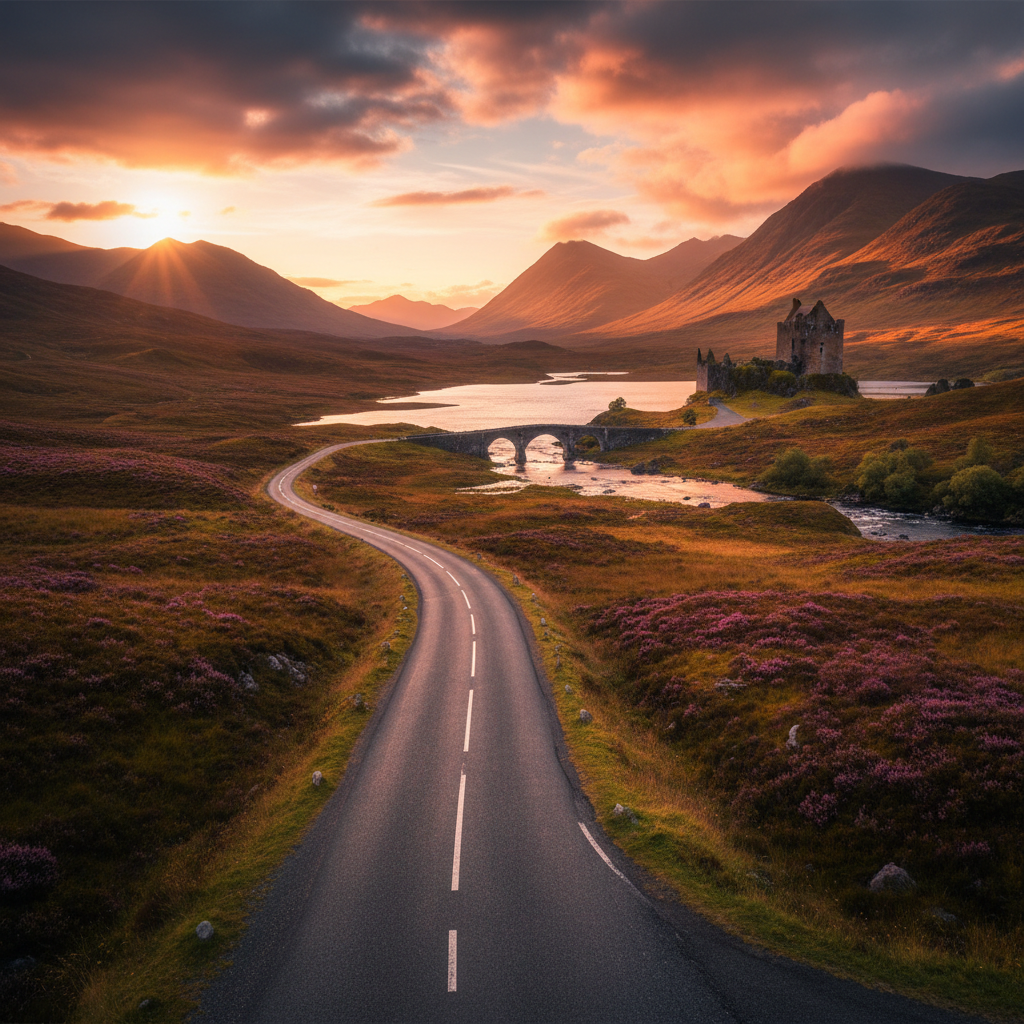
Scottish Highlands in 7 Days: Ultimate Road Trip & Nature Guide
The definitive 7-day Scottish Highlands road trip — Inverness, Cairngorms, Glencoe, Ben Nevis, Isle of Skye, Eilean Donan, and the North Coast 500. Real logistics, real prices, insider knowledge.
- Duration: 7 Days
- Estimated Budget: $2,000–$4,500
- Best Time to Visit: May–September for best weather and longer daylight hours, though expect midges in summer.
- Destination: Scottish Highlands
The Scottish Highlands beckon with their untamed beauty, a land where ancient history whispers through mist-shrouded glens and dramatic landscapes stretch as far as the eye can see. Prepare to be captivated by epic vistas, serene lochs, and a profound sense of wilderness that will rejuvenate your soul.
Forget the picture-postcard images of gentle rolling hills; the Scottish Highlands are a raw, untamed beast, far more dramatic and ancient than many first-time visitors anticipate. It's not just about pretty lochs and glens; it's about feeling the immense geological forces that carved this land, experiencing weather that shifts from glorious sunshine to driving rain in minutes, and understanding the profound sense of history etched into every stone and peat bog. This isn't a place for passive sightseeing; it demands engagement, a willingness to embrace the wild, and an appreciation for its rugged, often melancholic beauty that truly sets it apart from more manicured European landscapes. The real magic lies in its unpredictable, visceral nature.
**Who this guide is for:** This guide is meticulously crafted for the independent, adventurous traveler who yearns for epic landscapes, prefers the freedom of the open road, and isn't afraid of a little unpredictable weather. You appreciate dramatic scenery, enjoy moderate hikes, and are comfortable navigating winding, single-track roads. If you're someone who finds beauty in desolate moorlands and ancient castles, and values experiences over luxury, this 7-day itinerary is for you. This trip is NOT for those seeking bustling city life, guaranteed sunshine, or a highly structured, pampered vacation. It's also not ideal for very young children who might find the long drives and outdoor focus less engaging.
**What makes this road trip work:** This 7-day road trip is designed to maximize your immersion in the Highlands' diverse landscapes without feeling rushed, following a logical geographic progression that minimizes backtracking and maximizes scenic routes. Starting near Inverness allows for immediate access to iconic sites like Loch Ness before heading west to the dramatic coastlines of Applecross and Skye, ensuring you hit the most breathtaking vistas when you're freshest. The route then sweeps back east through Glencoe and Cairngorms, offering a varied experience from coastal drama to mountainous grandeur. This counter-clockwise loop ensures a continuous flow of stunning scenery, allowing ample time for stops, short hikes, and unexpected detours without ever feeling like you're just driving from A to B.
**The honest logistics:** Budget-wise, expect to spend approximately £100-£200 per person per day, excluding flights, for accommodation, car rental, fuel, and food, depending on your style. Accommodation, especially on Skye, books up incredibly fast. You should aim to book your car rental and all accommodations at least 6-9 months in advance, particularly if traveling between May and September. Many popular B&Bs and hotels have limited rooms. The biggest mistake travelers make is underestimating driving times and the impact of single-track roads; Google Maps often gives optimistic estimates. Always add 20-30% to driving times, especially when navigating the more remote areas, and factor in frequent stops for photos, as every turn brings a new vista.
Inverness Unveiled: A Gentle Introduction to Highland Charm
Arrive at Inverness Airport (INV), pick up rental car, and drive to your accommodation in Inverness.
Inverness is the vibrant cultural capital of the Highlands, offering a perfect gateway to your adventure. Its central location makes it ideal for exploring the surrounding natural wonders and historic sites. The city itself boasts charming architecture and a welcoming atmosphere.
Lunch at The Mustard Seed Restaurant, Inverness City Centre.
Perched on the banks of the River Ness, The Mustard Seed offers a delightful introduction to Scottish cuisine with a contemporary twist. Their focus on fresh, local produce ensures a truly authentic and delicious first meal in the Highlands. It's a perfect spot to relax and soak in the city's ambiance.
Explore Inverness Castle Viewpoint and the surrounding area, Inverness City Centre.
While the castle itself isn't fully open to the public, the viewpoint offers panoramic vistas of the city, the River Ness, and the distant Black Isle. It's a fantastic spot to get your bearings and capture some memorable initial photos of the Highland capital. The short walk to the viewpoint is refreshing after your journey.
Walk along the Ness Islands, Inverness.
These beautiful, natural islands connected by Victorian footbridges offer a tranquil escape right within the city. It's a perfect, gentle activity to stretch your legs and immerse yourselves in the peaceful Highland scenery without venturing too far. The lush greenery and flowing river provide a serene backdrop.
Dinner at Rocpool Reserve Restaurant, Inverness City Centre.
For a truly memorable first evening, Rocpool Reserve offers a sophisticated dining experience with exquisite modern Scottish cuisine. The elegant atmosphere and impeccable service make it ideal for a special meal to kick off your adventure. It's a wonderful way to celebrate your arrival in the Highlands.
Leif's Tip: Don't try to cram too much into your arrival day. Focus on settling in, enjoying a good meal, and one or two gentle activities that allow you to soak in the atmosphere without feeling rushed. The Highlands will reveal more of its magic in the coming days.
Navigating the labyrinthine network of single-track roads, often without clear signage, while simultaneously trying to pinpoint the best viewpoints or trailheads in the Scottish Highlands can quickly transform an exciting adventure into a frustrating ordeal. You’re not just trying to find a place to sleep; you're deciphering ferry schedules for island hops, understanding the nuances of 'passing places,' and sifting through countless online recommendations to distinguish a genuinely wild camping spot from a crowded car park. Then there’s the challenge of timing your visit to avoid midges, yet still catch the best light for photography, all while ensuring you’ve packed appropriately for weather that can shift from sun to hail in minutes. This isn't just about booking hotels; it's about orchestrating a seamless journey through a truly wild landscape, and that's precisely where Leif steps in, transforming potential headaches into pure exploration.
Inverness, your Leif guide transforms potential travel headaches into seamless adventures, letting you focus on the breathtaking Scottish Highlands. Instead of endlessly scrolling through forums trying to figure out which path to take or if the water levels are too high for a comfortable hike, your Leif guide offers a concise overview of the trail difficulty, estimated walking time, and even suggestions for the best spots for a photo. When a sudden downpour threatens your afternoon plans for the Old Man of Storr, Leif instantly suggests an alternative indoor activity nearby, like a visit to the Talisker Distillery or a cozy cafe in Portree, complete with opening hours and booking information, ensuring your day remains filled with discovery, not disappointment.
The crisp, peaty scent of the moorland air, mingling with the distant sound of a cascading waterfall, greets you each morning, a tangible reminder of the untamed beauty surrounding you. You arrive at each destination feeling not just prepared, but truly immersed, knowing that every winding road and hidden glen has been thoughtfully considered. There’s a profound sense of liberation in knowing your journey through the rugged peaks of Glencoe or along the dramatic coastline of Wester Ross is perfectly choreographed, allowing you to fully absorb the raw, majestic power of this ancient land. You're free to chase the light, linger at a breathtaking vista, or simply pull over to watch a herd of deer graze, confident that your next stop is expertly planned and waiting. This is your Scottish Highlands adventure, redefined and ready for you to live it.
Best Time to Visit Scottish Highlands
Alright, let's talk timing for your Highlands adventure. Hands down, the absolute sweet spot is late May to early July. You’ll catch the longest daylight hours, often stretching past 10 PM, giving you ample time for exploring. The weather is generally at its most agreeable, with average temperatures hovering around 15-20°C (59-68°F), making hiking and outdoor activities a joy. While it's not entirely crowd-free, it's before the peak August rush, so you'll still find some tranquility, and prices for accommodation and car rentals haven't quite hit their absolute highest yet. Plus, the midges (those tiny, annoying biting insects) are usually less rampant earlier in the season.
If that window doesn't work, then September to early October is your next best bet. The autumn colours are simply breathtaking, painting the glens in fiery reds and golds – a photographer's dream. Temperatures are cooler, typically 10-15°C (50-59°F), so you'll need more layers, but the air is crisp and clear. The trade-off? Daylight hours are noticeably shorter, and while crowds have thinned out considerably, some smaller attractions might start to reduce their opening times. You also run a slightly higher risk of encountering more rain, but honestly, that just adds to the dramatic atmosphere of the Highlands.
What to avoid? Unless you're specifically going for winter sports, I'd generally steer clear of December to February. While stunningly beautiful with snow-capped peaks, many roads can be challenging or even closed due to ice and snow, and daylight is extremely limited. August, while warm, is the absolute peak of tourist season, meaning higher prices, more crowded trails, and the midges are often at their most ferocious. You'll spend more time battling crowds and insects than enjoying the scenery.
Getting Around Scottish Highlands
For a 7-day Highlands adventure, a rental car is absolutely the primary way to get around – it’s non-negotiable for true flexibility and reaching those hidden gems. Public transport is sparse and often infrequent outside major towns. Expect to pay roughly £30-£70 per day for a compact car, depending on the season and booking in advance. Major rental companies like Hertz, Enterprise, and Avis operate out of Glasgow and Edinburgh airports. While there aren't specific 'transit cards' for the region, Google Maps is your best friend for navigation, and always download offline maps as cell service can be patchy in remote areas. Factor in fuel costs, which are generally higher than in the US.
Secondary options are pretty limited. Taxis are available in larger towns like Inverness or Fort William but are incredibly expensive for long distances – think £50+ for a short hop. Ferries are essential if you plan to visit any of the Inner or Outer Hebrides, operated primarily by Caledonian MacBrayne (CalMac). Book these well in advance, especially if taking a car. Biking is fantastic for specific trails but not practical for covering large distances across the entire Highlands due to the challenging terrain and lack of dedicated cycle paths on main roads. There are also a few scenic train lines, like the West Highland Line, but these are more for specific journeys than comprehensive touring.
When renting a car, remember that Scotland drives on the left! Many roads, especially in more remote areas, are single track with passing places – be courteous and use them. If you're traveling with young children, ensure your rental car includes appropriate car seats (book these in advance). Luggage storage isn't really a 'thing' outside of your car, so pack wisely. Always fill up your tank when you see a petrol station, as they can be few and far between in some areas. And for those iconic photos, pull over safely into designated viewpoints, never stop on the main road.
What to Pack
- Waterproof and windproof outer layers (jacket and trousers) are essential due to the Highlands' unpredictable weather, which can change rapidly from sunshine to rain and strong winds even in summer.
- Sturdy hiking boots with good ankle support are crucial for navigating uneven terrain, muddy paths, and rocky trails found on many Highland walks and munro climbs.
- Insect repellent, specifically one effective against midges, is vital, especially during the warmer months (May to September), as these tiny biting insects can be a significant nuisance in many areas.
- A portable power bank is highly recommended as charging opportunities can be scarce in remote areas, and you'll rely on your phone for navigation and photography.
- Layers of warm clothing, including fleece or wool, are necessary even in summer, as temperatures can drop significantly, especially at higher elevations or in the evenings.
- A detailed physical map (like an Ordnance Survey map) and a compass are important backups, as mobile signal can be intermittent or non-existent in many remote parts of the Highlands.
Money-Saving Tips
- Book your accommodation, especially B&Bs and self-catering cottages, at least 3-6 months in advance, particularly for popular areas like Skye or Glencoe, as last-minute prices can be 30-50% higher or availability non-existent.
- Pack a reusable water bottle and fill up from public taps or even safe streams (after purification) to avoid constantly buying expensive bottled water, which can cost £1.50-£2.50 per bottle at remote shops.
- Utilize supermarket meal deals (e.g., Tesco, Co-op) for lunches and some dinners; a sandwich, snack, and drink combo often costs around £3-£5, significantly cheaper than £10-£15 for a pub lunch.
- Consider purchasing a Historic Scotland Explorer Pass if you plan to visit multiple paid attractions like castles (e.g., Urquhart Castle, Eilean Donan Castle) and historic sites; a 3-day pass can save you around 20-30% compared to individual entry fees.
- Opt for self-catering accommodation where possible; cooking even a few meals can save a substantial amount, as restaurant meals in tourist hotspots can easily run £20-£30 per person for dinner.
Local Insights
- Many single-track roads in the Highlands have designated 'passing places'; always use these to allow oncoming traffic to pass and be prepared to reverse if you are closer to a passing place than the other vehicle.
- Wild camping is generally permitted under the Scottish Outdoor Access Code, but always follow 'Leave No Trace' principles, camp responsibly away from roads and buildings, and be prepared to carry out all your waste.
- Don't underestimate driving times; while distances may look short on a map, winding single-track roads, frequent photo stops, and livestock on the road mean journeys often take much longer than anticipated.
- Be aware that many smaller shops, petrol stations, and even some restaurants in remote Highland villages may have limited opening hours, especially outside peak season or on Sundays, so plan your fuel and supplies accordingly.
- The 'wee dram' of whisky is a cultural institution; if visiting a distillery, consider booking a tour in advance, especially for popular ones like Talisker or Glenfiddich, as walk-in spots are often limited and tours can sell out quickly.
Frequently Asked Questions
What's the absolute best time to visit the Scottish Highlands for a 7-day road trip?
For a 7-day road trip, late May to early September is generally ideal. June and July offer the longest daylight hours, giving you more time to explore, and the weather is typically milder. However, this is also peak season, meaning more crowds and higher prices for accommodations. If you prefer fewer people and don't mind slightly cooler temperatures, late May or early September can be fantastic. You'll still get good daylight and often vibrant landscapes, especially in September when the heather is in bloom. Avoid winter unless you're specifically going for snow sports, as many roads and attractions can be inaccessible.
What should I budget for a 7-day Scottish Highlands road trip, excluding flights?
For a comfortable 7-day Highlands road trip, excluding international flights, you should budget roughly $2,000-$4,500 for two people. This covers car rental (expect $400-$700 for the week), fuel (which can add up quickly given the distances), accommodation (ranging from cozy B&Bs at $100/night to boutique hotels at $250+/night), food (around $80-$150 per day for meals and snacks), and activities/attraction fees (e.g., castle entry, ferry to Skye, distillery tours). Being flexible with accommodation and packing some picnic lunches can help keep costs closer to the lower end.
What absolutely needs to be booked in advance for a 7-day Highlands trip?
For a 7-day Highlands trip, booking accommodations and your rental car well in advance (3-6 months, especially for peak season) is crucial. Popular areas like the Isle of Skye, Glencoe, and around Loch Ness fill up incredibly fast. If you plan to take specific ferries, like the CalMac ferry to the Isle of Skye (Uig-Tarbert/Lochmaddy), book your vehicle spot as soon as your dates are firm. Popular distillery tours, specific wildlife cruises, or high-demand restaurant reservations, particularly in smaller towns, should also be secured a few weeks out to avoid disappointment.
Is renting a car the only way to truly experience the Highlands in 7 days?
While public transport exists, renting a car is by far the best and most flexible way to experience the Scottish Highlands in 7 days. Buses have limited routes and frequencies, making it difficult to reach many of the iconic viewpoints, remote glens, and hiking trailheads. Trains cover some major routes but won't give you the freedom to stop spontaneously for photos or explore off-the-beaten-path. A car allows you to set your own pace, detour when you discover a hidden gem, and truly immerse yourself in the vast, wild landscapes that define the Highlands. Just be prepared for single-track roads!
What are the essential items to pack for a 7-day Highlands road trip, regardless of season?
Regardless of the season, layering is key for the Scottish Highlands. Pack waterproof and windproof outer layers (jacket and trousers are a must), even in summer, as weather can change rapidly. Bring sturdy, waterproof hiking boots, comfortable walking shoes, and plenty of warm socks. A fleece or wool jumper, hat, and gloves are advisable. Don't forget insect repellent (midges can be a nuisance in summer), a portable power bank for your devices, a good camera, and a reusable water bottle. Sunscreen and sunglasses are also surprisingly useful, even on cloudy days.
What's a common mistake travelers make on a 7-day Highlands road trip, and how can I avoid it?
A very common mistake is trying to cram too much into each day, especially on the Isle of Skye. The Highlands are vast, and driving times can be longer than anticipated due to winding, single-track roads and frequent photo stops. Avoid planning back-to-back, long driving days with multiple major attractions. Instead, pick 2-3 main regions (e.g., Glencoe, Fort William/Loch Ness, Isle of Skye) and dedicate at least 2 full days to each. This allows for more relaxed exploration, impromptu stops, and time to truly soak in the scenery rather than just rushing past it. Prioritize quality over quantity.
Beyond the famous spots, what's one underrated Highland experience you'd recommend for a 7-day trip?
Beyond the iconic Isle of Skye and Loch Ness, I'd highly recommend exploring the Assynt region in Sutherland, in the North West Highlands. It's less crowded than the more southerly areas but offers some of the most dramatic and unique landscapes in Scotland. Think ancient, isolated mountains like Stac Pollaidh and Suilven, dotted across a lunar-like landscape of lochans and moorland. The drive itself, particularly along the A837 and B869, is breathtaking. Visit Achmelvich Bay for stunning white sands, explore the ruins of Ardvreck Castle, and simply get lost on the winding roads. It's a true wilderness experience.