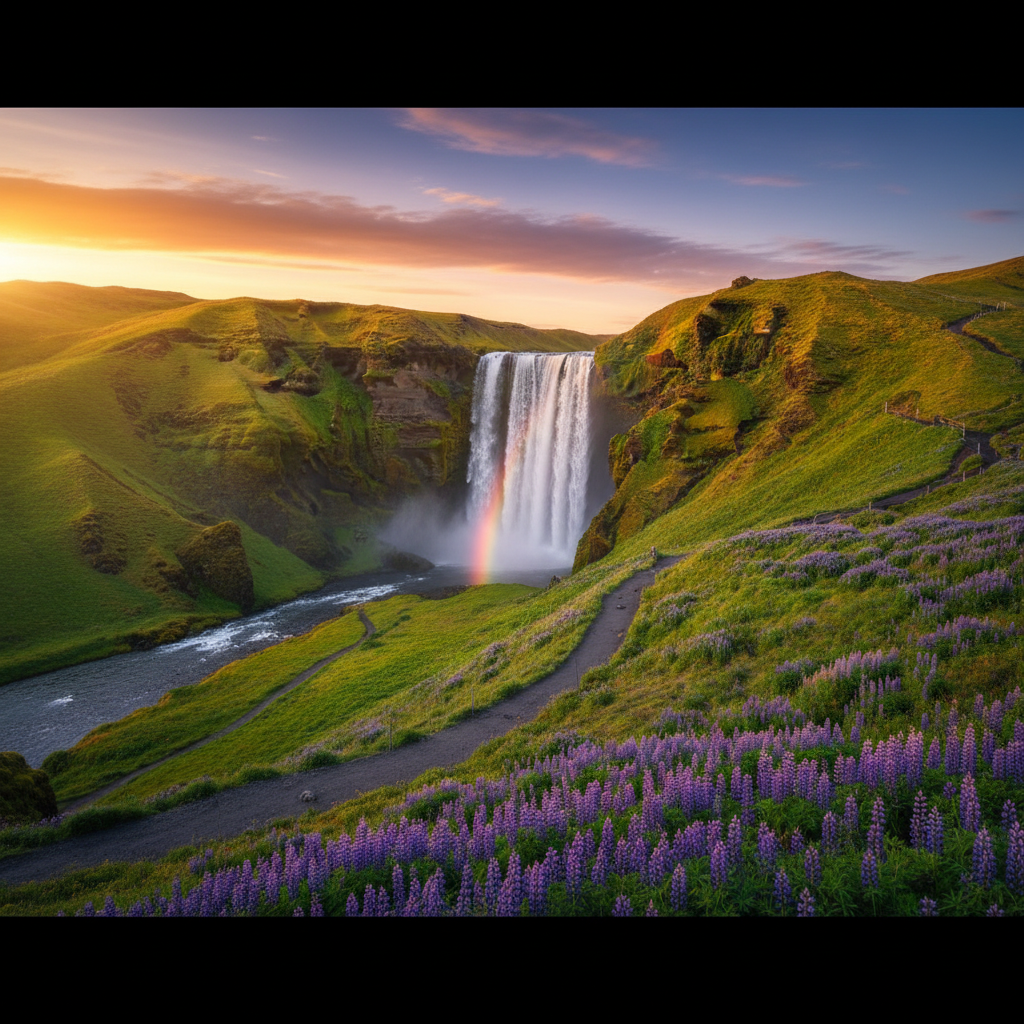
Iceland in 7 Days: An Unforgettable Adventure & Nature Travel Guide
The definitive 5-day Iceland itinerary — Golden Circle, South Coast, Jökulsárlón, Snæfellsnes, Blue Lagoon, and Northern Lights. Real logistics, real prices, insider knowledge.
- Duration: 7 Days
- Estimated Budget: $3,500–$6,500
- Best Time to Visit: June–August for midnight sun, hiking, and puffins; September–March for Northern Lights and ice caves.
- Destination: Iceland
<p class="blog-backlink">❄️ <strong>Not sure which season to visit?</strong> Read our full breakdown: <a href="https://askleif.com/blog/iceland-winter-vs-summer-which-season-wins">Iceland in Winter vs. Summer: Which Season Actually Wins?</a></p> Iceland is a land of fire and ice, where dramatic landscapes sculpted by volcanoes and glaciers create an otherworldly experience unlike anywhere else on Earth. Prepare to be mesmerized by its raw beauty, from the vibrant Northern Lights dancing across winter skies to the endless daylight of the summer's midnight sun. This guide will help you navigate a week of unparalleled adventure and natural wonder.
Most travelers picture Iceland as a land of dramatic, untouched wilderness, and while that's true, the real magic lies in how accessible and varied that wilderness is. Unlike other remote destinations where reaching natural wonders requires extensive trekking or specialized gear, Iceland's most breathtaking landscapes—waterfalls, black sand beaches, geothermal areas, and even glaciers—are often just a short drive from well-maintained roads. This allows for an unparalleled sense of discovery and adventure without sacrificing comfort or convenience, making it possible to experience an incredible range of natural phenomena in a relatively short period, often within the same day. It's an adventure that feels both epic and surprisingly manageable.
**Who this guide is for:** This guide is for the adventurous, independent traveler who thrives on exploring raw, untamed nature and isn't afraid of unpredictable weather. It's perfect for those who want to maximize their time outdoors, embrace road-tripping, and appreciate the solitude and grandeur of Iceland's landscapes. If you prefer bustling city life, luxury resorts, or meticulously planned itineraries with little room for spontaneity, this trip might not be your ideal fit. This guide is also not tailored for families with young children, as the pace and activities are geared towards adults seeking active exploration.
**What makes Iceland worth the effort:** This 7-day itinerary focuses on the iconic South Coast and Golden Circle, a route that offers the most concentrated and diverse natural wonders within a manageable driving distance. This sequence minimizes long travel days, allowing more time for exploration at each stop, from the Seljalandsfoss and Skógafoss waterfalls to the Reynisfjara black sand beach and the Jökulsárlón glacier lagoon. The logic is to progressively move eastward, experiencing a variety of landscapes, before looping back through the geothermal marvels of the Golden Circle, ensuring a comprehensive yet efficient adventure without feeling rushed or backtracking unnecessarily.
**The honest logistics:** Expect a mid-range to high-end budget for this trip, roughly $2,500–$4,000 per person, excluding flights, for a comfortable experience with activities and decent accommodation. The best booking window for flights and rental cars is 6-9 months in advance, especially for summer travel, to secure reasonable prices. Accommodation, particularly guesthouses and hotels outside of Reykjavík, should be booked at least 4-6 months out, as options are limited. Activities like glacier hikes or ice cave tours, which often sell out, require booking 2-3 months ahead. A common mistake is underestimating the cost of food and the need for a reliable 4x4 vehicle, even in summer, for certain roads and unpredictable conditions.
Geothermal Welcome: Blue Lagoon & Reykjavik's Charm
Arrive at Keflavík International Airport (KEF) and pick up rental car.
Your Icelandic adventure begins the moment you land, with the dramatic volcanic landscape greeting you. Collecting your rental car immediately sets the tone for independent exploration and the freedom to chase Iceland's natural wonders at your own pace.
Relaxing soak at the Blue Lagoon (Grindavik)
Immerse yourselves in the iconic milky-blue geothermal waters, a truly unique and rejuvenating experience. The mineral-rich waters are renowned for their healing properties, making it the perfect way to unwind after your flight and embrace Iceland's volcanic heart.
Check into hotel in downtown Reykjavik and freshen up.
Settle into your accommodation in the vibrant heart of Iceland's capital. Downtown Reykjavik offers easy access to charming streets, colorful houses, and a lively atmosphere, serving as a perfect base for your first evening.
Stroll down Laugavegur, Reykjavik's main shopping street (Reykjavik City Center)
Experience the pulse of Reykjavik as you wander along its most famous street. Laugavegur is brimming with unique boutiques, art galleries, and cafes, offering a wonderful introduction to Icelandic design and culture.
Evening Northern Lights Hunt (Reykjavik area, guided tour)
Embark on a thrilling quest to witness the ethereal dance of the Aurora Borealis, a truly unforgettable natural phenomenon. This guided tour maximizes your chances of seeing the lights by taking you away from city glow to prime viewing spots.
Leif's Tip: To combat jet lag effectively, try to stay awake until a reasonable local bedtime. The invigorating fresh air and geothermal warmth of the Blue Lagoon will help, and a leisurely evening stroll followed by a delicious meal will make for a perfect first day.
Navigating the ever-changing weather and limited daylight hours in Iceland, especially outside of peak season, presents a unique set of challenges that can quickly derail an adventure-focused trip. Knowing which roads are safely passable, understanding the nuances of F-roads, or finding reliable local operators for glacier walks or ice cave tours, all while avoiding overcrowded tourist traps, requires an intimate knowledge that goes beyond a quick internet search. You might find yourself debating whether to prioritize a specific waterfall over a geothermal hike due to time constraints or wondering if the current conditions make a certain viewpoint inaccessible. This is precisely where Leif steps in, transforming those complex decisions into a seamless, confident journey.
Blue Lagoon, instead of a generic itinerary, your guide pivots from the popular bathing spot to ensure every moment is tailored to your unique interests. Instead of blindly following a crowded path to Svartifoss, your personalized guide suggests a less-traveled, equally stunning trail leading to a hidden viewpoint of the glacier tongue, complete with detailed instructions for parking and a brief history of the area's geology. It anticipates your need for a warm, local lunch spot nearby that caters to dietary restrictions, and provides an alternative activity should the weather take a turn for the worse, ensuring your day remains packed with authentic exploration rather than frustrating detours or missed opportunities.
The crisp, clean air of the Icelandic highlands, carrying the scent of volcanic earth and distant ocean spray, feels different when you arrive fully prepared. You'll experience the profound solitude of a black sand beach at sunrise, or the exhilarating rush of standing before a colossal waterfall, knowing that every turn in the road, every stop, has been thoughtfully considered for your sense of wonder and adventure. No second-guessing, no frantic last-minute searches for information; just pure, unadulterated exploration. This is your Iceland, meticulously crafted for maximum impact and minimal stress, ready for you to embrace its wild heart.
Best Time to Visit Iceland
Alright, let's talk timing for your epic Iceland adventure. If you want the absolute best of both worlds – long daylight hours for exploring and a decent chance of good weather – aim for June, July, or early August. This is Iceland's summer, with average temperatures hovering around 10-15°C (50-59°F), sometimes even hitting 20°C (68°F) on a good day. You'll have nearly 24 hours of daylight, meaning endless opportunities for hiking, glacier walks, and exploring without rushing. While it's peak season, the sheer amount of daylight helps spread out the crowds, and all the F-roads (mountain roads) are open, giving you access to the most remote and stunning parts of the country. Just be prepared for higher prices on flights and accommodation.
If you're looking for a slightly more budget-friendly option with a different kind of magic, consider the shoulder seasons: late April to May or late August to September. May offers increasingly long days, melting snow revealing vibrant landscapes, and fewer crowds than mid-summer. September is fantastic for autumn colors, and your chances of seeing the Northern Lights start to increase significantly as the nights get darker, especially towards the end of the month. Temperatures will be cooler, averaging 5-10°C (41-50°F), and you'll need to pack more layers. Some F-roads might still be closed in May, and some tours might have reduced frequency, but the trade-off is a more serene experience and potentially better deals.
What to avoid? Honestly, a full winter trip (November-February) for a first-timer on a 7-day adventure-focused trip might be a bit much unless your primary goal is chasing the Northern Lights and experiencing a true winter wonderland. Days are incredibly short, weather can be extreme with frequent storms and road closures, and many activities are limited. While beautiful, it requires a different kind of planning and flexibility that might not suit a packed adventure itinerary.
Getting Around Iceland
For a 7-day adventure and nature trip in Iceland, renting a car is hands down the primary and most recommended way to get around. There's no single 'transit card' like in major cities, and public transport outside of Reykjavik is extremely limited. You'll want a 4x4 vehicle, especially if you plan on venturing onto F-roads (which are often essential for reaching many natural wonders) or travelling outside of summer. Expect to pay anywhere from $70-$150+ per day for a decent 4x4, depending on the season and rental company. Book well in advance, especially for summer. Use apps like Google Maps or Waze for navigation, but always cross-reference with road.is for real-time road conditions and closures – this is crucial in Iceland. Fuel costs are high, so factor that into your budget.
While a rental car is king, there are secondary options for specific situations. If you're only staying in Reykjavik for a day or two, local buses (Strætó) are efficient, and you can pay with cash or the Strætó app. Taxis are available in larger towns but are very expensive for anything beyond short distances. For specific activities like glacier hiking, ice caving, or multi-day treks, guided tours with transportation included are often the best and safest bet, as they provide specialized vehicles and experienced guides. These tours can be booked through various operators like Guide to Iceland or directly with tour companies. Biking is an option for very specific routes in good weather, but not practical for covering large distances across the country.
When renting a car, always opt for gravel protection and sand/ash protection insurance – Iceland's weather can be unpredictable, and these are common damages. If traveling with young children, car seats are mandatory and can be rented from the car company, but often it's cheaper and safer to bring your own if possible. Luggage storage isn't a major concern with a rental car, as you'll keep everything in your vehicle, but remember to never leave valuables visible. For those without a car, consider multi-day bus tours that cover major attractions, though these offer less flexibility than self-driving.
What to Pack
- Waterproof and windproof outer layers are essential for Iceland's unpredictable weather, as rain, wind, and even snow can occur year-round, even in summer, especially when exploring waterfalls and glaciers.
- Thermal base layers (wool or synthetic) are crucial for staying warm during outdoor activities like hiking and glacier walks, as temperatures can drop quickly, even with sun.
- Sturdy waterproof hiking boots with good ankle support are vital for navigating Iceland's varied terrain, including rocky trails, lava fields, and wet paths near waterfalls.
- A portable power bank is highly recommended to keep your phone charged, especially when relying on GPS for navigation in remote areas where charging opportunities are scarce.
- Swimwear is a must for enjoying Iceland's numerous geothermal pools and hot springs, from the famous Blue Lagoon to lesser-known natural baths.
- A quick-drying towel is practical for hot springs and pools, as many facilities charge for towel rentals, and it packs down easily for adventure travel.
Money-Saving Tips
- Book your rental car well in advance, especially if traveling during peak season (June-August), as prices can be significantly higher closer to the date, often doubling from around $300/week to $600+.
- Purchase groceries from Bonus or Netto supermarkets to prepare your own meals, as dining out in Iceland can be very expensive, with a typical restaurant meal costing upwards of 3,000 ISK ($22 USD) per person.
- Opt for guesthouses or farm stays with kitchen facilities instead of hotels, which can save you hundreds of dollars over a week, as hotel rooms often start at $150-200 per night.
- Utilize free natural attractions like hiking trails, waterfalls (Seljalandsfoss, Skogafoss), and black sand beaches (Reynisfjara), as many of Iceland's most stunning sights require no entrance fee.
- If planning multiple paid attractions, consider purchasing an Iceland Pass or exploring combination tours, as individual entry fees can add up quickly (e.g., Blue Lagoon entry starts at 8,990 ISK or ~$65 USD).
Local Insights
- Always check the weather and road conditions daily on vedur.is and road.is before setting out, as weather in Iceland can change drastically and rapidly, leading to road closures or hazardous driving conditions, especially in winter.
- While the Blue Lagoon is iconic, consider visiting lesser-known geothermal spas like the Secret Lagoon or Myvatn Nature Baths for a more authentic and often less crowded experience, usually at a lower price point.
- Don't be surprised by the high cost of alcohol; Iceland has a state-run monopoly on alcohol sales (Vínbúðin), and prices are significantly higher than in many other countries, so consider purchasing at duty-free upon arrival if you plan to drink.
- Tipping is not customary in Iceland for most services, as service charges are typically included in the price; however, a small tip for exceptional service in restaurants or tour guides is always appreciated but not expected.
- Many gas stations in Iceland are self-service and require a credit card with a PIN; ensure your card works internationally or purchase a pre-paid gas card at larger stations or convenience stores.
Frequently Asked Questions
What is the best time to visit Iceland for a 7-day adventure?
The 'best' time truly depends on what you want to experience. For Northern Lights and winter activities like ice caving, October to March is ideal, but expect colder temperatures and shorter daylight hours. For endless daylight, hiking, and exploring the Highlands, June to August is perfect, with milder weather but higher crowds and prices. May and September offer a good balance of fewer tourists, decent weather, and opportunities for both shoulder-season activities and some Northern Lights viewing. Consider your priorities – chasing the aurora or enjoying long summer days – when planning your 7-day trip.
How much should I budget for a 7-day trip to Iceland?
For a comfortable 7-day adventure in Iceland, a budget of $3,500–$6,500 per person is realistic, excluding international flights. This range accounts for mid-range accommodation (guesthouses, hotels), car rental (essential for flexibility), fuel, food (eating out can be pricey, so balance with groceries), and a few key excursions like glacier hikes, Blue Lagoon entry, or whale watching. If you opt for budget hostels, cook most of your meals, and limit paid tours, you might scrape by on less, but for a truly unforgettable experience without constant penny-pinching, aim for the higher end of this spectrum.
What should I book in advance for a 7-day trip to Iceland?
For a 7-day trip, several things absolutely need to be booked well in advance, especially during peak season (June-August) or if you're traveling for specific events. Accommodation is paramount – popular guesthouses and hotels fill up months ahead. Car rentals, particularly 4x4s if you plan on venturing into the Highlands, should also be secured early. Popular tours like the Blue Lagoon (with specific time slots), glacier walks, ice cave tours (winter), and whale watching excursions often sell out. Don't wait until you arrive; aim to have these key components locked in at least 2-3 months prior to your departure.
What's the best way to get around Iceland for a 7-day trip?
For a 7-day adventure, renting a car is hands down the best way to experience Iceland's diverse landscapes. It offers unparalleled flexibility, allowing you to explore at your own pace, stop at scenic viewpoints, and access more remote areas that public transport doesn't reach. A 2WD is sufficient for the Ring Road in summer, but a 4x4 is highly recommended if you plan to drive F-roads (Highlands) or travel in winter for better traction. Public transportation is very limited outside of Reykjavik, and relying solely on guided tours can restrict your spontaneity and itinerary customization.
What essential items should I pack for a 7-day trip to Iceland?
Packing layers is crucial for Iceland, regardless of the season. Bring waterproof and windproof outer layers (jacket and pants) – the weather can change rapidly. Thermal base layers (wool or synthetic), fleece mid-layers, and warm socks are essential. Don't forget sturdy, waterproof hiking boots with good ankle support. Other must-haves include a warm hat, gloves, a swimsuit (for hot springs!), a quick-dry towel, a reusable water bottle, sunglasses (even in winter, the sun can be bright against snow), and a portable power bank for your electronics. A good camera is also a given for capturing the incredible scenery!
What are common mistakes travelers make on a 7-day Iceland trip?
One common mistake is underestimating the driving times and trying to cram too much into each day. Iceland's roads can be challenging, and you'll want time to stop and admire the scenery. Another is not booking accommodations and popular tours in advance, especially during peak season, leading to disappointment or higher prices. Many travelers also underestimate the cost of food and don't budget accordingly; consider buying groceries for some meals. Lastly, neglecting to pack appropriate clothing for all weather conditions is a frequent error – always be prepared for rain, wind, and sudden temperature drops, even in summer.
Should I visit the Blue Lagoon or a less-known hot spring during my 7-day trip?
For a 7-day trip, the choice between the iconic Blue Lagoon and a lesser-known hot spring depends on your priorities. The Blue Lagoon offers a luxurious, well-serviced experience with amenities, but it's expensive and often crowded, requiring advance booking. If you're looking for a more authentic, tranquil, and budget-friendly experience, consider alternatives like the Secret Lagoon (Gamla Laugin) near Flúðir, Reykjadalur Hot Spring Thermal River (requires a hike), or the Myvatn Nature Baths in the north. These offer a more natural setting and a chance to connect with Iceland's geothermal wonders away from the main tourist throngs, providing a different, yet equally rewarding, experience.