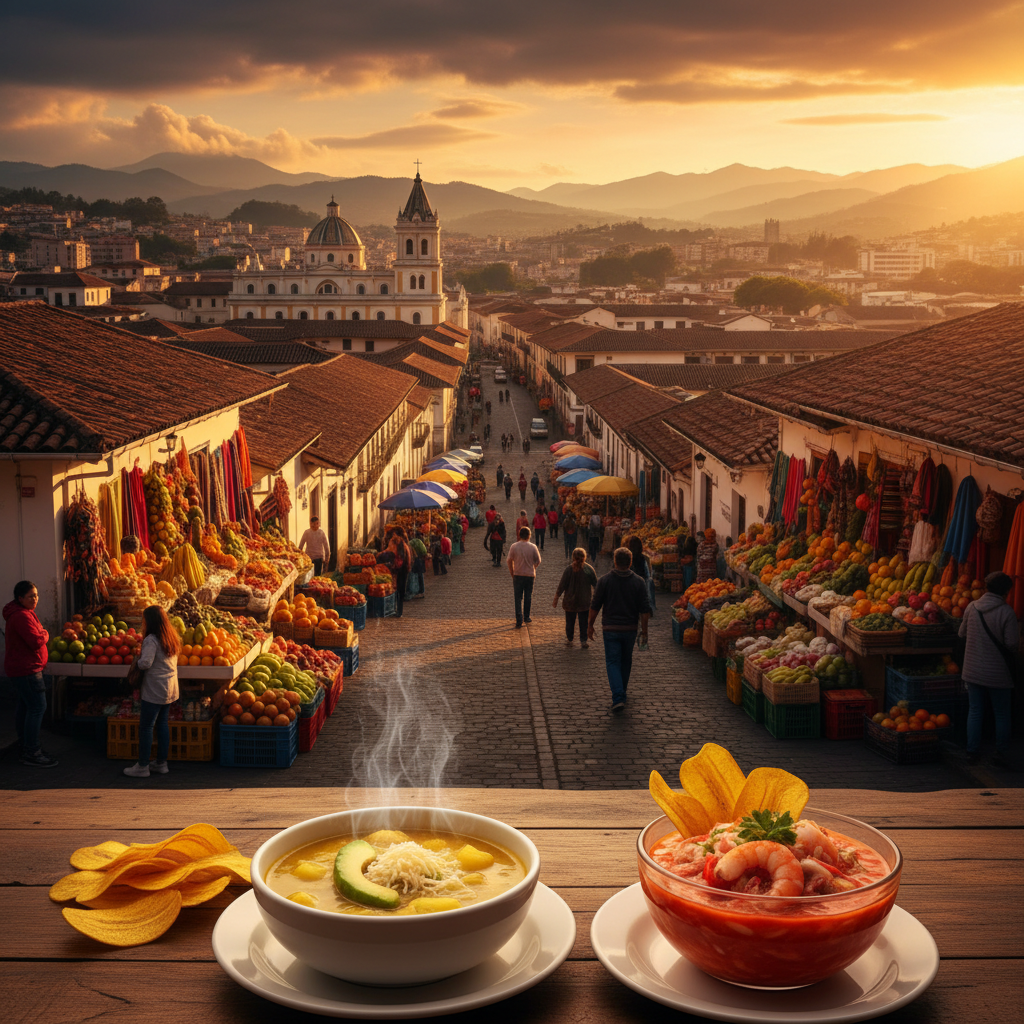
Quito Food & Culture: A 4-Day Culinary Deep Dive
Uncover Quito's authentic flavors on a 4-day food and culture journey. From locro de papa to Mercado Central, savor the best of Ecuadorian cuisine.
- Duration: 4 Days
- Estimated Budget: $800–$1,500
- Best Time to Visit: June-September for dry season; December-February for slightly warmer, drier weather.
- Destination: Quito, Ecuador
Quito's culinary scene is a hidden gem, offering a truly authentic taste of Ecuador that often gets overshadowed by its more famous South American neighbors. This guide is your passport to exploring the city's rich food identity, from the potato-laden highlands to the freshest Pacific seafood, ensuring every bite is a discovery. 📖 **Read our full destination guide:** The City That Sits on the Equator, Under a Volcano, at the Edge of the Cloud Forest — and Still Gets Overlooked
Stepping into the vibrant energy of a local market, like the one found in the historic San Roque neighborhood, immediately immerses you in the heart of Quito's culinary identity. Here, towering piles of exotic fruits you've never seen before sit alongside sacks of grains and an astonishing array of potatoes, each with its own unique texture and flavor profile. You'll witness the daily ritual of Quiteños selecting fresh ingredients, hear the lively banter of vendors, and smell the intoxicating aromas of spices and cooked dishes wafting from the food stalls. This isn't just a place to buy groceries; it's a living museum of Ecuadorian gastronomy, offering a tangible connection to the land and its people, revealing the deep roots of the city's food culture in every colorful display and bustling interaction.
How do you truly taste the authentic flavors of Quito without falling into tourist traps or missing out on the city's best-kept culinary secrets? The reality is that while Quito is incredibly welcoming, its most genuine food experiences often require a bit of insider knowledge to uncover. Many of the most beloved eateries are unassuming, tucked away on side streets, or found within bustling local hubs that can be intimidating to navigate without guidance. Knowing which stalls offer the freshest ceviche, where to find the perfect hornado, or which family-run spot serves the most comforting locro de papa makes all the difference between a good meal and an unforgettable gastronomic adventure that connects you deeply with the local culture and traditions.
Food enthusiasts spend their mornings exploring the vibrant pulse of local life, perhaps starting with a rich, dark coffee and a traditional pastry from a small panadería in a quiet residential area like La Vicentina. You'll find yourself wandering through a bustling local fair, sampling exotic fruits directly from the grower, or observing the intricate process of making fresh cheese. Afternoons often involve hands-on experiences, like a cooking class focused on regional specialties, or a guided tasting of artisanal chocolates from single-origin cacao farms. Evenings are dedicated to savoring multi-course meals at innovative restaurants that reinterpret classic dishes, or discovering hidden gems that offer a true taste of home-style Ecuadorian cooking, all while soaking in the city's unique atmosphere.
Historic Centre Food Circuit: Locro, Tasting Menus, and Market Finds
Start your culinary journey with a traditional Ecuadorian breakfast at Tianguez, located in the historic Plaza San Francisco.
This charming cafe and fair-trade shop offers an authentic taste of Quito's morning traditions. It's the perfect spot to savor the definitive Quito breakfast dish, locro de papa.
Immerse yourself in the vibrant atmosphere of Mercado Central, the real heart of Quito's daily food scene.
This bustling market is where locals shop for fresh produce, meats, and prepared foods. It offers an unparalleled glimpse into the everyday culinary life of the city.
Indulge in a sophisticated lunch at Zazu, widely regarded as Quito's most celebrated restaurant.
Chef Rodrigo Pacheco's tasting menu is a masterclass in modern Ecuadorian cuisine, focusing on native ingredients presented with innovative flair. It's a culinary experience not to be missed.
Take a leisurely stroll through the historic streets surrounding La Ronda, soaking in the colonial architecture and vibrant street life.
This iconic street in the old town is not just beautiful; it comes alive with traditional music and local vendors in the late afternoon. It's a perfect way to digest and experience the city's charm.
Dine at La Ronda, a historic street in the old town known for its traditional eateries and lively ambiance.
This is the perfect place to experience traditional Ecuadorian street food and drinks in a charming setting. The atmosphere is infectious, making for a memorable evening.
Leif's Tip: Wear comfortable walking shoes today, as you'll be exploring the cobblestone streets of the historic center extensively. Also, keep small denominations of US dollars on hand for market purchases and street vendors, as not all places accept cards.
Between navigating the sprawling urban landscape, deciphering local menus written only in Spanish, and trying to distinguish between a tourist trap and a truly authentic culinary experience, planning a food-focused trip to Quito can feel like a full-time job. You might find yourself overwhelmed by the sheer number of options, unsure where to find the best version of a specific dish, or worried about missing out on the city's true gastronomic soul. The challenge isn't just finding a place to eat; it's finding the right place that aligns with your desire for genuine cultural immersion through food, ensuring every meal is a discovery rather than a gamble. This is precisely where Leif steps in, transforming potential confusion into a seamless, delicious adventure, guiding you past the generic to the truly local.
Say you're craving the best ceviche de camarón but you're not sure which of the hundreds of restaurants in the city truly excels at it, or you want to try a traditional canelazo but don't know which cantina offers the most authentic experience without feeling out of place. Leif already has you covered. You land in the city, pull up Leif, and within seconds you know precisely where to go for that perfect shrimp ceviche with chifles, or the exact street vendor serving the crispiest llapingachos near the bustling Parque La Alameda. Leif provides not just a name, but the 'why' and the 'how,' giving you the confidence to explore, taste, and savor every moment, knowing you're experiencing the very best of Quito's diverse culinary offerings, from high-end dining to humble street eats.
You'll arrive in Quito knowing exactly which hidden gem serves the most comforting locro de papa for breakfast, and where to find the most exquisite chocolate tasting experience that showcases Ecuador's world-renowned cacao. Instead of poring over endless reviews and worrying about making the wrong choice, you'll be confidently stepping into local markets, engaging with vendors, and savoring dishes that tell a story. The difference is that feeling of genuine connection as you bite into a perfectly prepared empanada, knowing you've found a spot cherished by locals. Arriving in the capital with your culinary journey meticulously planned means you can focus entirely on the flavors, the aromas, and the vibrant cultural tapestry that makes Quito an unforgettable food destination.
Best Time to Visit Quito, Ecuador
Quito is a year-round destination, but the dry season (June to September) offers the most sunshine and clearest views, perfect for market strolls and outdoor dining.
The shoulder seasons (April-May and October-November) can be excellent, with fewer crowds and occasional rain showers that often clear quickly.
For foodies, any time is a good time! The markets are always bustling, and restaurants maintain their high standards regardless of the season.
Avoid major Ecuadorian holidays if you prefer fewer crowds at popular restaurants, as locals will be out celebrating too.
Getting Around Quito, Ecuador
For navigating between neighborhoods like the Historic Center, La Floresta, and Mariscal, use ride-sharing apps like Uber or Cabify; they are reliable and affordable.
Within the Historic Center, walking is the best way to explore its charming streets and discover hidden culinary gems.
When visiting markets like Mercado Central or Mercado Iñaquito, consider taking a taxi or ride-share directly to the entrance for convenience, especially if you plan on buying larger items.
Public buses are very cheap but can be crowded and confusing for first-time visitors; stick to ride-shares for ease and comfort.
What to Pack
- Comfortable walking shoes are essential for exploring Quito's hilly streets and bustling markets.
- Layers of clothing are key – Quito's weather can change quickly, from cool mornings to warm afternoons.
- A light rain jacket or umbrella is advisable, especially during the wetter months, for unexpected showers.
- A reusable water bottle to stay hydrated, as Quito's altitude can be dehydrating.
- A small daypack for carrying market purchases, snacks, and personal items.
- Sunscreen and a hat, as the equatorial sun is strong, even on cloudy days.
- A portable charger for your phone, especially if you'll be using it for navigation and photos all day.
- An adventurous palate and an open mind for trying new flavors!
Money-Saving Tips
- Embrace street food and market meals for delicious and incredibly affordable dining experiences; a full meal at Mercado Central can cost just a few dollars.
- Look for 'almuerzos' (lunch specials) at local restaurants, which offer a multi-course meal for a set, low price, often including a soup, main dish, and juice.
- Instead of always dining at high-end restaurants, mix in visits to local 'huecas' (hidden gems) for authentic and budget-friendly Ecuadorian dishes.
- Buy snacks and fresh fruit from local markets rather than convenience stores for better quality and prices.
- Consider sharing larger dishes at restaurants, especially if you want to sample more variety without overspending.
Local Insights
- Always try 'ají' (spicy sauce) with your meals, but start with a small amount as the spice level can vary greatly; it's a staple condiment in Ecuadorian cuisine.
- Don't be afraid to try the less common market foods; vendors are often happy to explain what things are and offer samples.
- Ecuadorians tend to eat their main meal at lunchtime, so many restaurants offer their most elaborate menus and best deals during this time.
- When ordering ceviche, know that Ecuadorian ceviche is typically made with cooked shrimp or fish, unlike the raw preparations found in Peru.
- Tipping is appreciated but not always expected in casual eateries; for sit-down restaurants, 10% is customary, and a service charge may already be included.
Frequently Asked Questions
What are the must-try traditional dishes in Quito?
You absolutely must try Locro de Papa, a creamy potato and cheese soup; Hornado, a succulent slow-roasted pig; Ceviche de Camarón, a refreshing shrimp ceviche; and Empanadas de Morocho, crispy corn empanadas typically filled with meat or vegetables. Don't forget Llapingachos, potato and cheese patties, and Canelazo, a warm spiced alcoholic drink.
Is it safe to eat street food in Quito?
Yes, generally it is safe, but always exercise caution. Look for vendors with long lines of locals, high turnover of food, and good hygiene practices. Stick to cooked items and avoid anything that looks like it's been sitting out for too long. Your Leif guide will point you to trusted street food spots.
What's the best way to experience Quito's food markets?
The best way is to go with an open mind and an empty stomach! Arrive in the late morning to catch the peak activity. Try samples, ask questions (even with gestures if language is a barrier), and don't be afraid to try a 'menu del día' at one of the food stalls. The Mercado Central and Mercado Iñaquito are excellent starting points.
Are there vegetarian or vegan options available in Quito?
While traditional Ecuadorian cuisine is meat-heavy, vegetarian options are increasingly available, especially in more modern restaurants in neighborhoods like La Floresta. Many dishes can be adapted, and you'll find plenty of fresh fruits, vegetables, and potato-based dishes. Vegan options are more challenging but not impossible, particularly in larger cities like Quito.
What's the drinking culture like in Quito?
Quito has a diverse drinking culture. You'll find traditional drinks like chicha (fermented corn beverage), canelazo (hot cinnamon and aguardiente), and a growing craft beer scene. There are also many excellent coffee shops, given Ecuador's coffee production. Always drink bottled water.
How far in advance should I book reservations for popular restaurants?
For top-tier restaurants like Zazu or Theatrum, it's highly recommended to book at least one week in advance, especially if you're traveling during peak season or want a specific time. For most other popular spots, a day or two in advance is usually sufficient, or you can often walk in for lunch.
What should I know about tipping in restaurants in Quito?
A 10% service charge is often automatically added to your bill in restaurants, especially in more upscale establishments. If it's not included, a 10% tip is standard for good service. For casual eateries or street food, rounding up or leaving small change is appreciated but not expected.