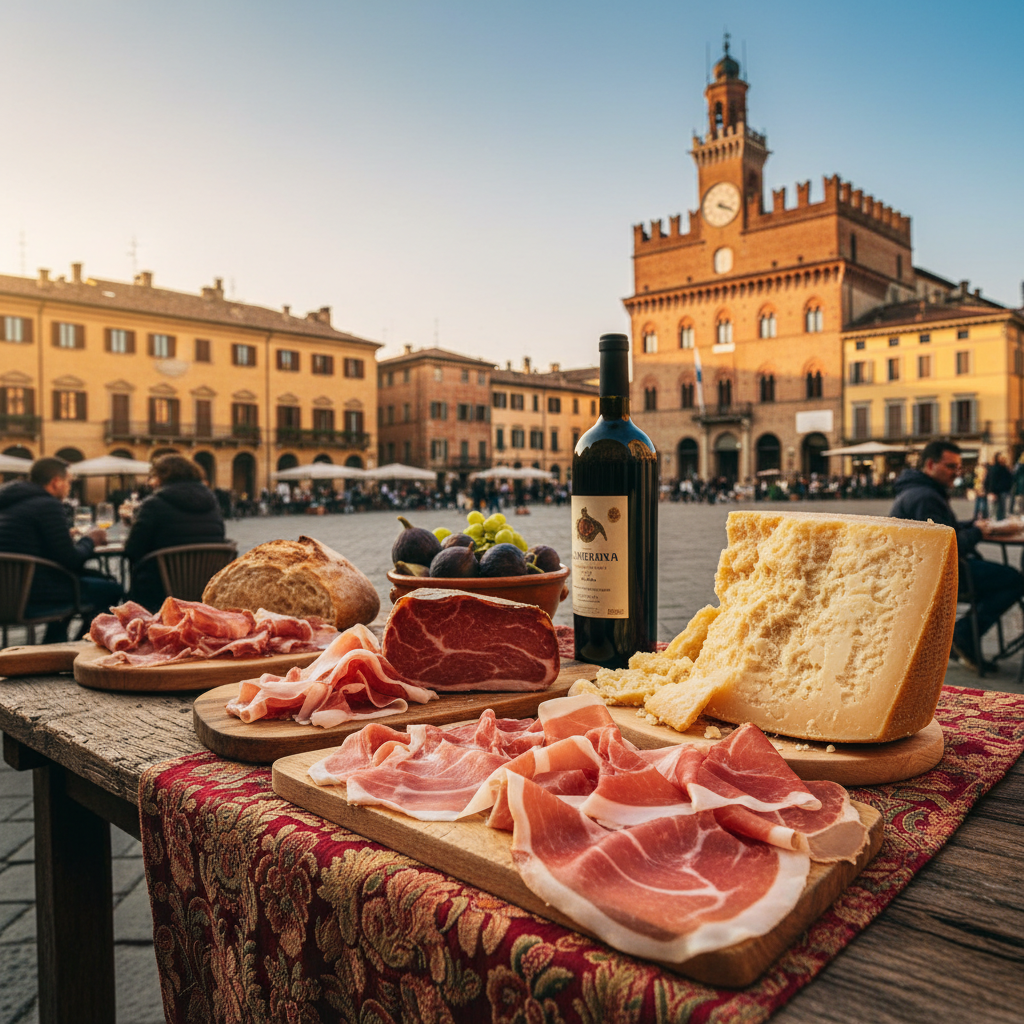
Parma Food Lover's Paradise: A 3-Day Culinary Journey Through Italy's Food Valley
Indulge in a 3-day gastronomic adventure in Parma, Italy. Discover the secrets of Parmigiano-Reggiano, Prosciutto di Parma, and savor authentic Emilian cuisine.
- Duration: 3 Days
- Estimated Budget: $1,200–$2,500
- Best Time to Visit: April-June and September-October for pleasant weather and prime food festival season.
- Destination: Parma, Italy
Prepare your palate for an unforgettable journey to Parma, the heart of Italy's Food Valley. This isn't just a trip; it's a pilgrimage for anyone who worships at the altar of authentic Italian flavors, where every bite tells a story of tradition and passion. Get ready to dive headfirst into a world of exquisite cheeses, cured meats, and pasta that will redefine your understanding of Italian cuisine.
Parma. Just the name itself conjures images of delicate slices of rosy prosciutto, golden wheels of Parmigiano-Reggiano, and the rich, buttery scent of tortelli simmering in broth. This isn't just a city; it's a gastronomic pilgrimage, a place where food isn't merely sustenance but a profound expression of culture, history, and unwavering pride. For the true food lover, Parma offers an unparalleled journey into the heart of Italian culinary excellence, a place where every meal is a celebration and every ingredient tells a story passed down through generations. Prepare to have your senses awakened and your palate forever changed by the authentic flavors of Emilia-Romagna.
Beyond the famous exports, Parma is a city brimming with hidden culinary gems, from family-run trattorias serving ancient recipes to bustling markets overflowing with local produce. You'll discover that the best way to experience Parma is by diving headfirst into its food scene, engaging with the passionate producers, and learning the secrets behind its world-renowned delicacies. This isn't a place for quick bites; it's for lingering over long lunches, savoring every morsel, and understanding the meticulous craftsmanship that goes into each product. Get ready to explore charming backstreets, sip Lambrusco in sun-drenched piazzas, and indulge in a culinary adventure that will leave you utterly enchanted.
This guide is your passport to unlocking Parma's deepest culinary secrets, designed specifically for those who live to eat. We'll take you beyond the tourist traps to the authentic heart of the city's food culture, introducing you to the best producers, the most revered restaurants, and the most unforgettable tasting experiences. From learning the art of curing prosciutto to witnessing the creation of Parmigiano-Reggiano, you'll gain an intimate understanding of why Parma holds such a special place in the global gastronomic landscape. Prepare to eat, drink, and fall deeply in love with the unparalleled flavors of Parma.
Welcome to Parma: A Culinary Immersion Begins
Arrive in Parma and check into your hotel. Take a moment to freshen up and prepare for a day of delicious discoveries.
Settling in comfortably is key to enjoying your trip. Parma's compact city center makes it easy to quickly get oriented.
Embark on a guided tour of a Parmigiano-Reggiano dairy. Witness the traditional cheesemaking process from milk to wheel.
This is the heart of Parma's culinary heritage. Understanding the intricate process deepens your appreciation for this 'King of Cheeses'.
Visit a Prosciutto di Parma aging facility. Learn about the curing process and the strict regulations that give this ham its unique flavor.
Prosciutto di Parma is another pillar of the region's gastronomic fame. Seeing where it's aged provides context to its incredible taste.
Stroll through the historic center of Parma, admiring the Duomo and Battistero. Soak in the city's elegant atmosphere.
Parma isn't just about food; it's a beautiful city with rich history and stunning architecture. A leisurely walk helps you digest and appreciate its charm.
Enjoy an aperitivo at a local bar, savoring a spritz or local wine with complimentary small bites.
Aperitivo is a quintessential Italian experience, a relaxing prelude to dinner. It's a great way to sample local snacks and people-watch.
Leif's Tip: Upon arrival, purchase a local SIM card or ensure your international roaming is active. You'll want to use Google Maps for navigation and quickly look up restaurant hours or booking details on the fly. Parma is walkable, but knowing your way around makes a huge difference.
Navigating Parma's culinary scene without insider knowledge means you might miss the truly exceptional, family-run salumerias or the small, artisanal caseifici that don't cater to large tour groups. Finding the authentic, unhurried experiences requires more than just a quick online search; it demands knowing which local markets are best on which days, understanding the subtle differences between various producers, and securing reservations at trattorias where the menu is whispered, not printed. You could spend hours trying to decipher opening times that change seasonally or attempting to book a private tasting at a Parmigiano-Reggiano factory that only accepts referrals. This is precisely where Leif steps in, transforming potential frustration into seamless discovery.
Parmigiano Reggiano, revered globally, takes on new significance when you see its creation firsthand, a true testament to Italian craftsmanship. Leif has not only secured your private tour and tasting but also provided context on the region's ancient culinary traditions, ensuring you understand the 'why' behind each step. Later, when you're craving a specific regional pasta dish not easily found, Leif suggests a charming osteria in the Oltretorrente district, complete with a reservation and a note on their seasonal specialties, saving you from tourist traps and language barriers. You'll move effortlessly from a prosciutto producer in Langhirano to a hidden enoteca in the city center, every detail handled, every authentic experience curated.
The rich, nutty aroma of freshly grated Parmigiano-Reggiano and the delicate, sweet scent of aged prosciutto fill the air as you settle into a meal, feeling completely at ease and utterly immersed. This isn't just about eating; it's about understanding the soul of Emilia-Romagna, connecting with the passionate artisans, and savoring every moment without a single logistical worry. You arrive in Parma not as a visitor, but as an invited guest, confident in every choice, ready to indulge in the true flavors of Italy. Let Leif guide you to a culinary adventure that will forever redefine your palate and your perception of Italian food.
Best Time to Visit Parma, Italy
Spring (April-May) and Fall (September-October) offer pleasant weather for exploring and outdoor dining, avoiding the summer heat.
September is particularly fantastic as it coincides with the beginning of the truffle season and many food festivals.
Avoid August if possible, as many local businesses close for Ferragosto (summer holidays), and it can be very hot.
Winter (November-March) can be chilly and damp, but fewer tourists mean a more authentic, cozy experience in trattorias.
For the best food experiences, aim for shoulder seasons when the produce is abundant and the crowds are manageable.
Getting Around Parma, Italy
Parma's historic center is very walkable; you'll want comfortable shoes for exploring on foot.
Consider renting a car if you plan to visit multiple producers in the countryside for prosciutto and Parmigiano-Reggiano tours, as public transport can be limited.
Local buses are efficient for getting around the city and to immediate outskirts; tickets can be purchased at tabaccherie (tobacco shops) or on board.
Taxis are available but can be pricey; they are best reserved for specific excursions or late-night returns.
The train station is conveniently located just north of the city center, making Parma easily accessible by rail from major Italian cities.
What to Pack
- Comfortable walking shoes (essential for cobblestone streets and market visits)
- A light jacket or sweater (even in summer, evenings can be cool)
- An expandable bag or small cooler (for bringing home delicious local products)
- A camera (to capture all the beautiful food and scenery)
- A reusable water bottle (stay hydrated while exploring)
- Loose-fitting clothing (you'll be eating a lot!)
- An umbrella or light rain jacket (especially in spring and fall)
- Portable charger (for your phone, after all those food photos!)
Money-Saving Tips
- Look for 'menu fisso' or 'pranzo di lavoro' (fixed-price lunch menus) at trattorias for excellent value and authentic local dishes.
- Shop at local markets like Mercato della Ghiaia for fresh produce, cheeses, and cured meats to assemble your own delicious picnics.
- Instead of always dining out, consider buying fresh pasta and sauces from a 'pasta fresca' shop and preparing a simple meal at your accommodation.
- Many museums and attractions offer combined tickets or free entry on certain days; check their websites in advance.
- Enjoy an aperitivo (pre-dinner drink with snacks) to curb your appetite before dinner, often a more affordable way to sample local flavors.
Local Insights
- Embrace the 'slow food' philosophy; meals in Parma are meant to be savored, not rushed. Don't expect quick service.
- Learn a few basic Italian phrases like 'grazie' (thank you), 'per favore' (please), and 'buongiorno' (good morning); locals appreciate the effort.
- When visiting a Parmigiano-Reggiano or prosciutto producer, always book your tour in advance, especially during peak season.
- Don't be afraid to ask for recommendations from locals – they are passionate about their food and happy to share their favorite spots.
- Tipping is not as customary or expected as in some other countries, but rounding up the bill or leaving a few euros for excellent service is always appreciated.
Frequently Asked Questions
What's the best way to experience Parmigiano-Reggiano and Prosciutto di Parma production?
The most authentic way is to book a guided tour that takes you directly to a local caseificio (dairy) and a prosciuttificio (ham factory) outside the city. Many tours include tastings and transport, offering invaluable insight into the traditional methods. I highly recommend ParmaLook for well-regarded, small-group tours.
Are there any specific dishes I absolutely must try in Parma?
Absolutely! Beyond the obvious, you must try Tortelli d'erbetta (pasta filled with ricotta and spinach), Anolini in brodo (small pasta dumplings in broth, especially in winter), and Culatello di Zibello (a prized cured ham from the nearby Po River area). For dessert, look for Torta Duchessa di Parma.
What's the best time of year for a food-focused trip to Parma?
Spring (April-May) and early autumn (September-October) are ideal. The weather is pleasant for walking and outdoor dining, and you avoid the intense summer heat. Plus, these seasons often coincide with local food festivals and harvests.
Can I buy Parmigiano-Reggiano and Prosciutto di Parma directly from the producers?
Yes, and it's highly recommended! Most dairies and ham factories have on-site shops where you can purchase their products, often at better prices than in the city and with the assurance of freshness. They can also vacuum-seal items for travel.
What's the local wine of choice in Parma?
Lambrusco! Don't let preconceived notions fool you; the local Lambrusco from Emilia-Romagna is a far cry from the sweet, mass-produced versions. Look for dry (secco) varieties like Lambrusco Maestri or Grasparossa, which pair perfectly with the rich local cuisine.
Is Parma a walkable city for exploring its food scene?
Yes, the historic center of Parma is very compact and easily walkable. Many of the best restaurants, delis, and markets are within a short stroll of each other. You'll only need transport for excursions to the dairies and ham factories outside the city.
What's the etiquette for dining in Parma's restaurants?
Dining is a leisurely affair. Don't expect to rush! It's common to have multiple courses. Tipping isn't obligatory but rounding up or leaving a few euros for excellent service is appreciated. Always wait to be seated, and don't be afraid to ask your server for recommendations – they're often passionate about their local specialties.