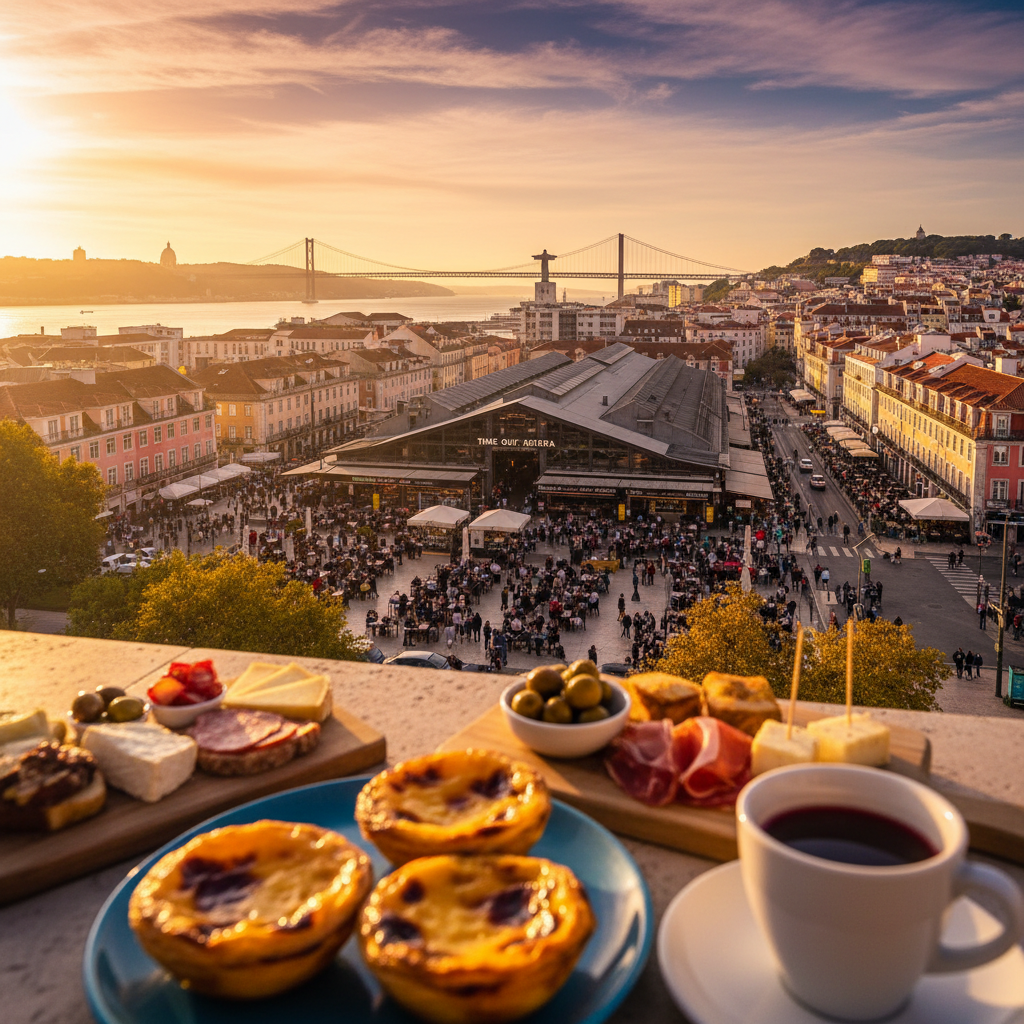
Lisbon Foodie's Paradise: A 4-Day Culinary Journey Through Pastéis, Petiscos & Natural Wine
Dive into Lisbon's vibrant food scene on this 4-day culinary adventure. From historic pastéis de nata to bustling petiscos bars and the original Time Out Market, savor every bite.
- Duration: 4 Days
- Estimated Budget: $400–$700
- Best Time to Visit: March-May and September-October for pleasant weather and outdoor dining.
- Destination: Lisbon, Portugal
Lisbon isn't just a city; it's a feast for the senses, a place where ancient culinary traditions meet a buzzing new wave of gastronomy. This guide is your passport to navigating the city's most delicious offerings, from the iconic Pastéis de Belém to hidden tascas and the cutting-edge natural wine scene. 📖 **Read our full destination guide:** Lisbon vs Porto: One City Wants to Impress You. The Other Doesn't Care.
The moment you step into a bustling tasca in a historic district, the aroma of garlic, olive oil, and simmering seafood immediately transports you. These aren't just eateries; they're living museums, often family-run for generations, where the recipes are as old as the cobblestone streets outside. You'll find locals huddled over plates of grilled sardines, their laughter echoing off the tiled walls, while the clatter of plates and the murmur of conversation create a symphony of authentic Portuguese life. It's a place where every meal feels like a warm embrace, a genuine connection to the city's soul, and an unforgettable journey into its culinary heart. This is where the true spirit of eating out comes alive, far from any manufactured experience.
Should you try to navigate the city's diverse food scene without a plan? Here's the reality: while wandering can be charming, Lisbon's culinary landscape is vast and nuanced, with hidden gems nestled between tourist traps. Knowing where to find the best bifana, the most authentic petiscos, or a natural wine bar that speaks to your palate requires more than just luck. It's about understanding the rhythm of the city, the specific neighborhoods where certain culinary traditions thrive, and the subtle cues that distinguish a truly exceptional spot from a merely good one. Without a curated guide, you risk missing out on the very experiences that make eating here so extraordinary, settling for average when world-class is just around the corner.
You'll find yourself starting your mornings with a rich, dark coffee and a freshly baked pastry, the perfect sweet and strong counterpoint to kickstart your day. Mid-day often involves exploring a vibrant food market, sampling local cheeses and cured meats, before settling down for a leisurely lunch of grilled fish or a hearty stew at a non-descript but highly recommended spot. Evenings are for discovery: perhaps a lively petiscos bar where plates of garlicky clams and flame-grilled chorizo are shared among friends, or a more refined dinner showcasing innovative Portuguese cuisine. Each meal isn't just sustenance; it's an event, a chance to connect with the city's culture through its incredible flavors, from the simplest street food to gourmet dining.
A Sweet Welcome: Pastéis, Markets, and Seafood Feasts
Begin your Lisbon food journey at Pastéis de Belém, the legendary bakery that has been making pastéis de nata since 1837.
This is the original, the one that started it all. The secret recipe, passed down through generations, creates a custard tart unlike any other.
Explore the traditional side of Mercado da Ribeira, the historic covered market adjacent to the Time Out Market.
This is where Lisbon's top chefs and home cooks source their ingredients. You'll see vibrant displays of fresh fish, local produce, and fragrant flowers, offering a true glimpse into daily Portuguese life.
Indulge in lunch at the Time Out Market, the original food hall concept that brings together 35 of Lisbon's best restaurants under one roof.
This isn't a tourist trap; it's where Lisboetas genuinely come for lunch, offering an unparalleled opportunity to sample dishes from Michelin-starred chefs and local favorites in a casual setting.
Take a leisurely walk through the Cais do Sodré neighborhood, soaking in the vibrant atmosphere and preparing for an evening of culinary delights.
Cais do Sodré, once a red-light district, has transformed into a trendy hub with charming streets, boutique shops, and lively bars, perfect for a pre-dinner stroll.
Experience the definitive Lisbon seafood feast at Cervejaria Ramiro, an iconic institution known for its fresh, high-quality seafood.
Ramiro is a true Lisbon experience, bustling and boisterous, where you'll feast on everything from percebes (goose barnacles) to grilled giant prawns, all served with crusty bread to soak up the delicious sauces.
Leif's Tip: Embrace the Lisbon way of eating: don't rush, savor each bite, and always order a bica with your pastry. Also, be prepared for queues at popular spots; they are a sign of quality and always worth the wait.
The part of Lisbon that catches travelers off guard is the sheer depth and breadth of its culinary offerings — not just the well-known dishes, but the subtle variations, the regional specialties, and the hidden family-run spots that don't advertise. You might find yourself overwhelmed by choices, wondering if that charming little tasca is truly authentic or just a tourist facade. Or perhaps you're trying to decipher a menu written entirely in Portuguese, unsure if you're ordering the bacalhau à brás you've dreamt of or something entirely different. The city's food scene can feel like a labyrinth of delicious decisions, from knowing where to find the freshest percebes (gooseneck barnacles) to understanding the etiquette of a petiscos bar. This is precisely where Leif steps in, cutting through the noise to deliver an itinerary that ensures every bite is memorable and every meal is an adventure, tailored specifically to your food-loving heart.,Say you're craving the perfect bifana, that succulent pork sandwich that defines Lisbon street food, but you're not sure which humble counter serves the absolute best. Leif has already pinpointed O Trevo in Intendente, a local institution where the pork is slow-cooked to perfection and the bread is just right. Or perhaps you're debating whether to brave the queue at Pastéis de Belém or opt for the equally renowned Manteigaria. Leif's guide will give you the insider perspective on both, helping you decide based on your preference for history versus convenience, and the best time to visit each to minimize your wait. You won't just be eating; you'll be experiencing the city's culinary narrative, guided by someone who knows every chapter by heart, ensuring you savor every moment without a single misstep.,You'll arrive in Lisbon knowing exactly where to find the natural wine bars that are pushing the boundaries of Portuguese viticulture, and which traditional cervejaria offers the freshest seafood catch of the day. Instead of aimlessly wandering, you'll be confidently navigating the city's diverse gastronomic landscape, from the bustling stalls of the traditional Mercado da Ribeira to the intimate, candlelit tables of a Mouraria petiscos spot. The difference is savoring a ginjinha in a chocolate cup at the exact spot where the tradition began, rather than settling for a generic souvenir shop version. Arriving in Lisbon with your culinary journey meticulously planned means you can simply relax, indulge, and let your taste buds lead the way through one of Europe's most exciting food cities, creating memories that will linger long after the last bite. [January Doesn't Have Fewer Tourists. It Has the City Back.](https://askleif.com/blog/january-doesnt-have-fewer-tourists-it-has-the-city-back) — Six cities that are fundamentally different in January, and why that difference is the entire point. **March Is Not the Month Before the Best Season. It Is the Best Season.** — Six destinations across four continents that peak in March and are transformed by April's crowds. [Read the full March travel guide →](https://askleif.com/blog/march-is-not-the-month-before-the-best-season-it-is-the-best-season)
Best Time to Visit Lisbon, Portugal
Spring (April-May) and Fall (September-October) offer the best weather for exploring on foot and enjoying outdoor dining without the intense summer heat or crowds.
Avoid August if possible, as many local establishments close for holidays and the city can be very busy with tourists.
Visit in late November or early December for festive lights and fewer crowds, though some outdoor markets might be less vibrant.
For the freshest seafood and market experiences, aim for weekdays, as some vendors at Mercado da Ribeira might have limited stock on Sundays and Mondays.
Getting Around Lisbon, Portugal
Lisbon's historic center is very walkable, but be prepared for hills! Comfortable shoes are a must.
The Metro is efficient and covers most key areas. Purchase a "Viva Viagem" card (rechargeable) for easy tap-on, tap-off travel.
Trams, especially Tram 28, are iconic but can be very crowded. Consider using them for specific routes rather than general sightseeing, or go very early in the morning.
Taxis and ride-sharing apps (Uber, Bolt) are readily available and reasonably priced for longer distances or late-night returns, especially after indulging in petiscos and wine.
For Belém, take Tram 15E from Praça da Figueira or Cais do Sodré, or a quick ride-share. It's a bit too far to walk comfortably.
What to Pack
- Comfortable walking shoes (you'll be doing a lot of walking, often on cobblestones).
- Layers of clothing, as Lisbon's weather can change throughout the day, especially near the river.
- A small umbrella or light rain jacket, particularly if visiting outside of peak summer.
- A reusable water bottle to stay hydrated while exploring between meals.
- A portable power bank for your phone – navigating and taking food photos drains battery quickly!
- A small day bag or backpack for market finds and souvenirs.
- An appetite! Seriously, come hungry and ready to eat.
- A camera to capture all the deliciousness.
Money-Saving Tips
- Look for "Prato do Dia" (dish of the day) specials at local tascas for excellent value lunches, often including a drink and coffee for under –12.
- Embrace the bica (espresso) culture: coffee is incredibly affordable at local pastelarias, often under –1.50.
- Many petiscos are designed for sharing, making it a cost-effective way to sample a variety of dishes without overspending on individual entrees.
- Skip bottled water at restaurants; ask for "água da torneira" (tap water) if you prefer, though many establishments will bring bottled by default.
- Utilize public transport with a Viva Viagem card instead of frequent taxis, especially for daytime travel.
Local Insights
- Don't be afraid to eat standing up at a counter, especially for ginjinha or a quick bifana – it's a very authentic Lisbon experience.
- Many traditional tascas, especially in Mouraria, are cash-only. Always carry some euros with you.
- Service charges are usually included, but it's customary to round up or leave a small tip (–1-–2) for good service, especially at sit-down restaurants.
- When ordering petiscos, don't be shy about asking your server for recommendations – they often know the freshest and best dishes of the day.
- Lisbon dines late. Many restaurants don't get busy until after 8 PM, so if you prefer a quieter meal, go earlier. For a lively atmosphere, dine later.
Frequently Asked Questions
What's the difference between Pastéis de Belém and Manteigaria?
Pastéis de Belém is the original, made in Belém since 1837 with a secret recipe. Manteigaria, with locations in Chiado and Bairro Alto, is widely considered to make the best pastéis de nata in the city center, known for their crispy crust and creamy filling. Both are excellent, but offer slightly different experiences.
Where can I find authentic petiscos in Lisbon?
For the most authentic petiscos experience, head to the neighborhoods of Mouraria and Intendente. These areas are less touristy than Bairro Alto and boast a higher concentration of traditional bars and tascas serving delicious small plates like chouriço assado and amêijoas à bulhão pato.
Is the Time Out Market worth visiting, or is it a tourist trap?
The Time Out Market (Mercado da Ribeira) is absolutely worth visiting. While popular with tourists, it's also where many Lisboetas eat lunch. It offers a fantastic opportunity to sample dishes from some of the city's best chefs and restaurants all under one roof, making it a genuine culinary highlight.
What's the best way to try bacalhau?
Given Portugal's 365 bacalhau recipes, try a few! Bacalhau à brás (shredded cod with eggs and potatoes) is a great introduction, often found in traditional tascas. Bacalhau com natas (cod with cream) is richer, and pastéis de bacalhau (cod fritters) are perfect for a quick snack.
Where can I find good natural wine in Lisbon?
Lisbon has a thriving natural wine scene. Check out Garrafeira Nacional for tastings, By the Wine for a dedicated experience, or Taberna da Rua das Flores for a petiscos and natural wine pairing. Topo Chiado also offers a great natural wine list with a view.
What's a 'bica' and where should I get one?
A bica is Lisbon's version of espresso, served in a small glass and slightly longer than a typical Italian espresso. You can find excellent bicas at historic cafes like A Brasileira or Café Nicola, or at any local pastelaria for a more budget-friendly option.
How do I choose between Cervejaria Ramiro and Cervejaria Trindade for seafood?
Cervejaria Ramiro in Intendente is the definitive, bustling Lisbon seafood experience, famous for its fresh shellfish and ending with a prego steak sandwich. Cervejaria Trindade in Chiado offers a more historic setting with beautiful azulejo tiles, providing a slightly more refined, though still traditional, seafood meal. Both are excellent, but Ramiro is the classic, lively choice.