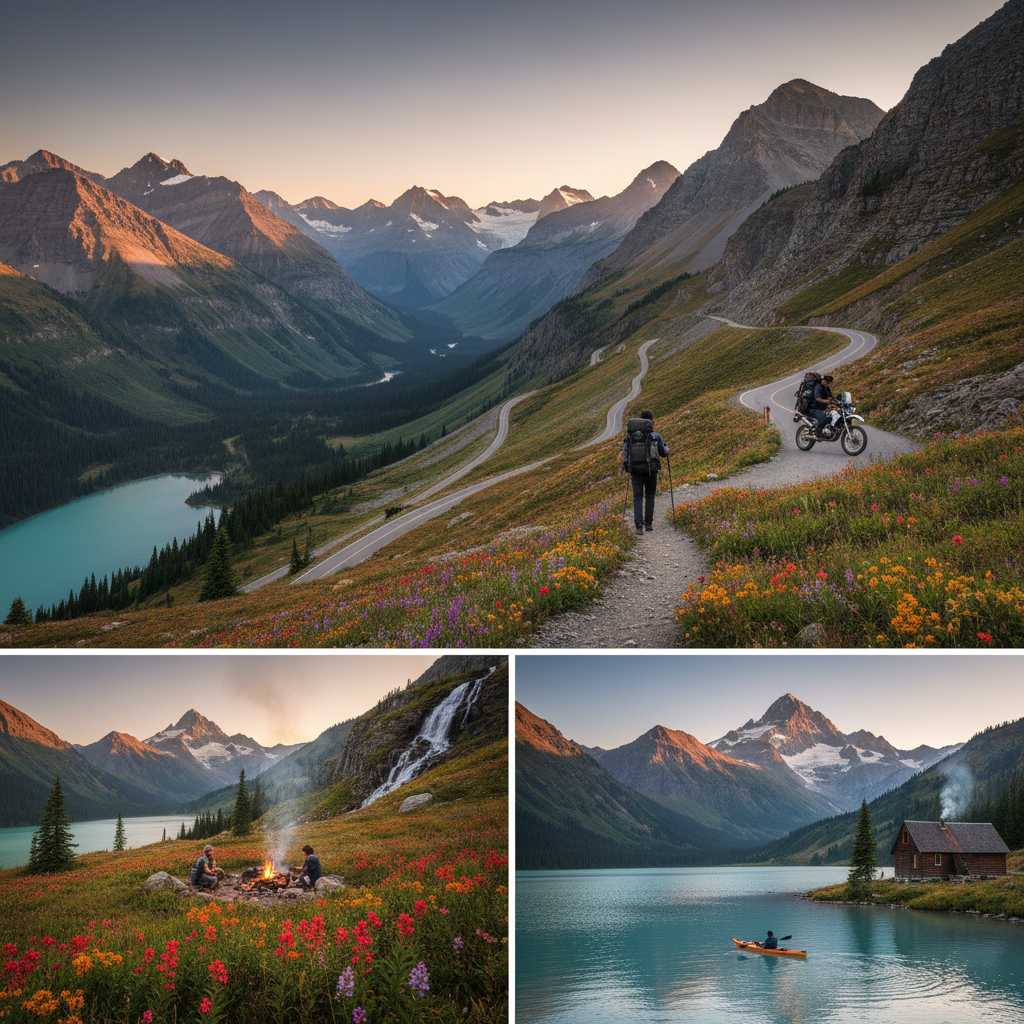
Glacier National Park: 7-Day Solo & Couples Adventure Hiking & Wildlife Guide
Discover Glacier National Park on a 7-day solo or couples adventure. Hike alpine trails, spot wildlife, and drive Going-to-the-Sun Road. Your ultimate guide!
- Duration: 7 Days
- Estimated Budget: $1,190–$1,960
- Best Time to Visit: Late June to early September, when Going-to-the-Sun Road is fully open and wildflowers are in bloom.
- Destination: Glacier National Park, Montana, USA
Glacier National Park isn't just a destination; it's an invitation to reconnect with the wild heart of America. Imagine towering peaks carved by ancient glaciers, turquoise lakes reflecting endless skies, and the thrill of spotting a grizzly or mountain goat in its natural habitat. This 7-day adventure is your ticket to experiencing the raw, untamed beauty of Montana, perfect for those seeking both solitude and shared wonder.
Driving Going-to-the-Sun Road at sunrise, you’re greeted by crisp mountain air, the scent of pine, and the promise of a day filled with unparalleled natural beauty. Glacier National Park, often called the "Crown of the Continent," offers an adventure that will stir your soul. This 7-day itinerary is crafted for solo explorers and couples eager to immerse themselves in the park's majestic landscapes, from iconic drives to thrilling alpine hikes.
Driving Going-to-the-Sun Road in Glacier National Park, you'll find yourself on... a marvel of engineering that winds through some of the most spectacular scenery in North America. You'll witness glaciers, crystal-clear lakes, and abundant wildlife, including the chance to spot grizzlies and mountain goats. Journey through the pristine valleys and towering peaks of the Two Medicine area, a land steeped in Blackfeet heritage.
Beyond the postcard views, you'll discover hidden gems like the tranquil Bowman Lake and the less-traveled Two Medicine area, offering serene escapes from the crowds. With opportunities for backcountry exploration and even a cross-border adventure into Canada's Waterton Lakes, this itinerary promises a diverse and unforgettable journey into one of the world's most cherished national parks.
Welcome to Glacier: Lakeside Serenity and Emerald Waters
Arrive at Glacier Park International Airport (FCA) in Kalispell, pick up your rental car, and head towards West Glacier.
Kalispell is the closest major airport to the west side of Glacier National Park, making it the most convenient entry point. A rental car is essential for exploring the park's vast beauty.
Check into your accommodation in West Glacier and settle in. Take some time to unpack and relax after your journey.
West Glacier is the primary gateway to the west side of the park, offering easy access to Lake McDonald and the Going-to-the-Sun Road. It's a perfect base for your first few days.
Explore Apgar Village, located on the shores of Lake McDonald. Browse the gift shops, grab an ice cream, and soak in the views.
Apgar Village is the heart of Lake McDonald, offering stunning lake views and a relaxed atmosphere. It's a great introduction to the park's beauty.
Enjoy an evening kayak or paddleboard on the mirror-flat waters of Lake McDonald.
Paddling on Lake McDonald in the evening offers unparalleled tranquility and breathtaking reflections of the surrounding mountains. The water is often incredibly calm, creating a magical experience.
Dinner at Eddie's Cafe and Mercantile in Apgar Village, a classic Glacier dining experience.
Eddie's is a beloved institution in Glacier, serving up hearty American fare in a casual, friendly setting. It's the perfect spot for a satisfying meal after a day of travel.
Leif's Tip: Even though it's your arrival day, try to get to Apgar Village early enough to truly soak in the evening light on Lake McDonald. The way the sun hits the water and mountains is absolutely magical, and it's a perfect, gentle introduction to the park's grandeur. Don't rush it!
Navigating Glacier National Park's intricate permit system for backcountry camping or even securing a coveted vehicle reservation for the Going-to-the-Sun Road can feel like a full-time job, especially when you're also trying to pinpoint the best alpine trails that match your skill level and avoid peak season crowds. Deciding between a sunrise hike to Hidden Lake Overlook versus a more strenuous trek to Grinnell Glacier, while also considering wildlife activity and weather patterns, requires an insider's perspective. It's challenging to piece together a seamless adventure that balances iconic sights with genuine solitude, ensuring you're not just following the masses but truly experiencing the park's wild heart. This is precisely where Leif steps in, transforming potential planning headaches into a smooth, personalized journey.
Glacier's unpredictable beauty means that sometimes, even the most meticulously planned routes need a swift adjustment. Should an unexpected bear sighting close a preferred trail, Leif instantly reroutes your day, suggesting an equally stunning alternative like the Highline Trail from Logan Pass, complete with updated shuttle times and a recommendation for a less-crowded picnic spot overlooking the Garden Wall. You'll receive precise instructions for accessing the best photo opportunities and even tips for spotting mountain goats near the Loop, ensuring your solo or couples adventure unfolds effortlessly and safely.
The crisp, pine-scented air at sunrise over St. Mary Lake, with the first rays of light painting the surrounding peaks, feels earned and deeply personal when every detail of your day has been meticulously arranged. You arrive at each trailhead, each viewpoint, and each quiet spot knowing exactly what to expect and what to look for, free from the stress of last-minute logistics or missed opportunities. This preparation allows you to fully immerse yourself in the grandeur of Glacier, connecting with its vast landscapes and abundant wildlife on a profound level. It’s about experiencing the park not as a hurried tourist, but as a confident explorer, ready for every breathtaking moment.
Best Time to Visit Glacier National Park, Montana, USA
Late June to early September is ideal for accessing all park areas, especially if you want to drive the entire Going-to-the-Sun Road and hike high-elevation trails.
July is peak wildflower season, especially around Logan Pass, making it incredibly scenic for hikers.
Early September offers fewer crowds and stunning fall foliage, though some services might start to close for the season.
If you're looking for wildlife, dawn and dusk are your best bets, particularly in the Many Glacier and Two Medicine areas.
Avoid visiting in May or early June if your primary goal is to drive the Going-to-the-Sun Road, as it often doesn't fully open until late June due to snow.
Getting Around Glacier National Park, Montana, USA
A car is absolutely essential for exploring Glacier National Park; public transport within the park is limited and doesn't offer the flexibility you'll need.
Book your rental car well in advance, especially if flying into Kalispell (FCA), as demand is high during peak season.
Secure your Going-to-the-Sun Road timed entry permits months ahead of your trip – these are non-negotiable for driving the most scenic sections during peak hours.
Consider staying on both the west (West Glacier) and east (St. Mary or Many Glacier) sides of the park to minimize driving time between attractions.
Be aware that cell service is spotty to non-existent in many parts of the park, so download offline maps and directions before you go.
What to Pack
- Bear spray (and know how to use it – rent or buy upon arrival, don't fly with it).
- Layers of clothing (temperatures can fluctuate wildly, even in summer, from warm valleys to chilly alpine passes).
- Sturdy, waterproof hiking boots with good ankle support.
- Rain gear (a waterproof jacket and pants are crucial for unpredictable mountain weather).
- Sun protection (hat, sunglasses, high SPF sunscreen – the sun is intense at elevation).
- Reusable water bottle and water filter/purifier for backcountry trips.
- Binoculars for wildlife viewing and spotting distant features.
- Headlamp or flashlight for early morning starts or unexpected delays on trails.
Money-Saving Tips
- Pack your own lunches and snacks for day hikes; park concessions can be pricey and limited.
- Consider camping or staying in more budget-friendly accommodations in West Glacier or St. Mary if the Many Glacier Hotel is out of budget.
- Cook some of your meals if your accommodation has kitchen facilities; grocery stores are available in West Glacier and St. Mary.
- Purchase an America the Beautiful Pass if you plan to visit multiple national parks within a year; it can save you money on entry fees.
- Instead of eating out every night, pick up supplies for a picnic dinner with a view – Lake McDonald at sunset is perfect.
Local Insights
- Always carry bear spray and know how to use it, especially on backcountry trails. Make noise while hiking to avoid surprising wildlife.
- Respect wildlife by keeping a safe distance (at least 100 yards from bears and wolves, 25 yards from other animals). Never feed animals.
- The 'Crown of the Continent' is a fragile ecosystem; practice Leave No Trace principles diligently, packing out everything you pack in.
- Even if you don't stay at the Many Glacier Hotel, stop by for a drink or a meal to soak in the historic atmosphere and incredible lake views.
- Engage with park rangers at visitor centers; they offer invaluable insights on trail conditions, wildlife sightings, and less-traveled routes.
Frequently Asked Questions
What's the best airport to fly into for Glacier National Park?
Kalispell (FCA) is generally the most convenient airport, located about 30 minutes from the West Glacier entrance. Great Falls (GTF) is another option, but it's a much longer drive (around 3 hours) to the park.
Do I need a car for this trip?
Yes, a car is absolutely essential for exploring Glacier National Park. While there's a shuttle along Going-to-the-Sun Road, having your own vehicle gives you the flexibility to explore all areas of the park, including Many Glacier, Two Medicine, and Bowman Lake, at your own pace.
How far in advance do I need to book accommodations?
For popular lodges like Many Glacier Hotel, you need to book as far as 13 months in advance due to extremely high demand. For other park lodges or popular spots in West Glacier or St. Mary, booking 6-12 months ahead is highly recommended, especially for peak season (July-August).
What about the Going-to-the-Sun Road timed entry permits?
Timed entry permits for Going-to-the-Sun Road are crucial and must be booked months in advance, typically starting in late spring for the summer season. Check the NPS website for the exact release dates and be ready to reserve immediately as they go very quickly.
Is Glacier National Park good for solo travelers?
Absolutely! Glacier is fantastic for solo travelers. The park is very safe, and many trails are well-trafficked, making it easy to meet fellow hikers. Plus, the sheer beauty of the landscapes is a perfect companion for quiet contemplation.
What kind of wildlife can I expect to see?
Glacier is renowned for its wildlife. You have excellent chances of seeing bighorn sheep and mountain goats, especially on trails like the Highline. Keep an eye out for elk, deer, and various bird species. While rarer, both black bears and grizzly bears are present, so always carry bear spray and know how to use it.
What should I pack for hiking in Glacier?
Layering is key! Even in summer, weather can change rapidly. Pack waterproof rain gear, sturdy hiking boots, plenty of water, snacks, sunscreen, a hat, and bear spray. Binoculars are great for wildlife viewing, and a camera is a must for capturing the stunning scenery.