The Caldera Doesn't Lie. But the Brochure Does.
Destination: Santorini, Greece
Category: destination-guide
What Santorini Actually Is
Most people know Santorini as a Greek island. Fewer know that it is, technically, the remnant of a volcanic caldera — the collapsed remains of a massive volcanic eruption that occurred around 1600 BCE and is thought to have been one of the largest volcanic events in human history. The eruption created a tsunami that may have reached 150 metres in height and devastated coastal civilisations across the eastern Mediterranean. The Minoan settlement at Akrotiri, on the southern tip of the island, was buried under metres of volcanic ash and preserved almost perfectly — a Bronze Age Pompeii that was only excavated beginning in 1967 and is now one of the most important archaeological sites in the world.
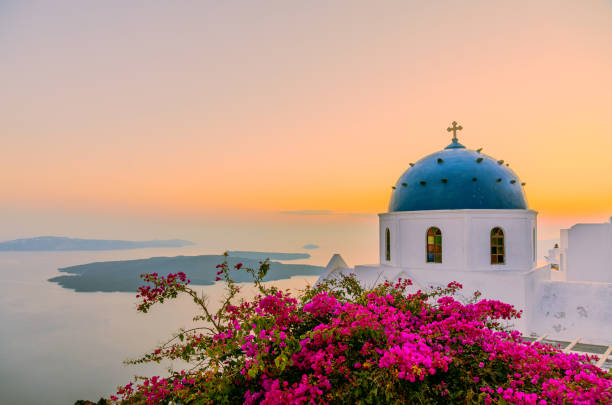
What remains of the island after the eruption is a crescent-shaped rim of volcanic rock, with the caldera — the collapsed centre of the volcano — now filled by the sea. The caldera is 12 kilometres wide and 400 metres deep. The cliffs that form its western edge rise 300 metres above the water. The villages of Fira and Oia are built on top of these cliffs, their white buildings carved into and stacked against the volcanic rock, their terraces and infinity pools hanging over the edge. The view from these terraces — across the caldera to the small volcanic islands of Nea Kameni and Palea Kameni, with the island of Therasia on the far side — is the view that has made Santorini famous. It deserves the fame.
The island is also, away from the caldera villages, surprisingly agricultural. The volcanic soil — a mixture of ash, pumice, and lava — is extraordinarily fertile and produces some of the most distinctive wine in the world. Santorini's Assyrtiko grape, grown in the traditional kouloura style (trained into low basket shapes to protect against the fierce Aegean winds), produces a white wine of extraordinary mineral intensity — bone dry, high in acidity, with a saline quality that comes directly from the volcanic soil and the sea air. It is one of the great white wines of the world and it is almost impossible to find well outside Greece. Drinking it on the island, at a taverna on the caldera rim as the sun goes down, is one of the defining experiences of Mediterranean travel.
Oia: The Truth Behind the Most Photographed Sunset in the World
Oia (pronounced "EE-ah," not "OY-ah") sits at the northern tip of the caldera rim, 11 kilometres from Fira, and it is the most beautiful village in Greece. The statement feels like hyperbole until you are standing in it. The buildings are carved into and stacked against the cliff face in shades of white and cream and the occasional splash of terracotta, connected by lanes so narrow that two people cannot walk side by side. The windmills at the western end of the village — built in the 16th century to grind grain imported from the Aegean — are the ones in the photograph. The blue-domed church of Anastasis is the one in the photograph. The view from the kasteli (the ruined Venetian castle at the tip of the village) at sunset is the one in the photograph.
Here is what the photograph does not show: the 1,000 people who are also at the kasteli for the sunset, sitting on every available surface, standing three deep at the railings, applauding when the sun finally touches the horizon. The sunset at Oia is a communal event, a nightly ritual that the island performs for its visitors, and the applause — which happens every single evening in summer — is simultaneously absurd and genuinely moving. You are watching the sun set over the Aegean Sea from the rim of an ancient volcano. Of course you applaud.
The trick to Oia is timing. Arrive before 9 AM and you have the village almost to yourself — the lanes are empty, the light is extraordinary (the morning light on the white buildings is actually better for photography than the famous sunset light), and the cafés are serving the best Greek coffee you will ever drink. The cave houses — the syrmata and yposkafa carved directly into the volcanic cliff — are visible in the morning light in a way they are not when the lanes are crowded. The art galleries and ceramic studios that line the main lane are open and quiet. The cats — and there are many cats in Oia, as there are many cats on every Greek island — are conducting their morning business undisturbed.
Our Santorini Solo Travel Guide: 4 Days of Caldera Views, Wine & Oia Sunsets builds the Oia experience into a four-day itinerary that includes the morning visit, the sunset ritual, and the lesser-known viewpoints that offer the same view with a fraction of the crowd.
Fira: The Capital That Everyone Passes Through and Nobody Stays In
Fira is the capital of Santorini and the island's commercial centre — the place where the cable car from the old port arrives, where the main bus station is, where the banks and pharmacies and supermarkets are. Most visitors treat it as a transit point between their hotel and the more photogenic villages. This is a mistake.
The Archaeological Museum of Thera in Fira contains finds from Akrotiri and from the ancient city of Thera on Mesa Vouno — pottery, sculptures, and frescoes that span 3,500 years of continuous habitation on the island. It is small, uncrowded, and genuinely extraordinary. The Museum of Prehistoric Thera, just down the road, contains the most important finds from Akrotiri — including the famous gold ibex figurine and the miniature fresco of a fleet of ships that gives historians their best evidence for what Minoan maritime culture looked like. Both museums are free or nearly free, and both are almost always empty.
The caldera path from Fira to Oia — a 10-kilometre walk along the rim of the caldera, passing through the villages of Firostefani and Imerovigli — is one of the great walks in the Mediterranean. It takes three to four hours at a comfortable pace, the views are continuous and extraordinary, and the path is well-marked and not technically demanding. Walk it in the morning, in the direction of Oia, so the sun is behind you and the caldera is in front. Arrive in Oia for lunch. Take the bus back. This is the best single day you can spend on Santorini.
Akrotiri: The Bronze Age City That Santorini Forgot to Tell You About
The archaeological site of Akrotiri, at the southern tip of the island, is one of the most important Bronze Age sites in the world and one of the most undervisited attractions in Greece. The Minoan settlement was buried under metres of volcanic ash during the 1600 BCE eruption and preserved almost perfectly — the buildings stand two and three storeys high, the streets are intact, the drainage systems still function, the frescoes (now in the National Archaeological Museum in Athens) were found in situ. Unlike Pompeii, no human remains have been found at Akrotiri — the population appears to have evacuated before the eruption, perhaps warned by earthquakes in the preceding months.
The site is covered by a modern protective roof and is remarkably well-presented. Walking through it, you are walking through streets that were last walked by Minoan traders and craftspeople 3,600 years ago. The scale of the settlement — it covered at least 20 hectares and may have had a population of 30,000 — gives some sense of how significant this place was in the Bronze Age Mediterranean world. Allow two hours, hire the audio guide, and go in the morning before the tour groups arrive.
Near Akrotiri is the Red Beach — one of the most dramatic beaches in Greece, its volcanic red and black cliffs rising directly from the sea, accessible only by a short walk along a rocky path. The water is clear and cold and the colour contrast between the red cliffs and the blue sea is extraordinary. It is not a beach for swimming laps. It is a beach for sitting and looking at the geology and thinking about the fact that you are on the rim of a supervolcano.
The Wine: Why Santorini's Assyrtiko Is One of the World's Great Whites
The wine of Santorini deserves more attention than it gets outside Greece. The island's volcanic soil — a mixture of ash, pumice, and lava that drains rapidly and forces the vines to send roots deep in search of water — produces grapes of extraordinary concentration. The Assyrtiko grape, which accounts for the majority of Santorini's wine production, makes a white wine that is unlike any other: bone dry, with very high acidity, a mineral quality that tastes almost saline, and a complexity that develops beautifully with age. The best examples — from producers like Domaine Sigalas, Hatzidakis, and Santo Wines — are world-class by any measure.
The kouloura training system, in which the vines are trained into low basket shapes that protect the grapes from the fierce Aegean winds and allow the leaves to shade the fruit from the intense summer sun, is unique to Santorini and is one of the reasons the island's wines have such a distinctive character. The vines themselves are extraordinarily old — some are over 200 years old, survivors of the phylloxera epidemic that destroyed most of Europe's vineyards in the 19th century (the volcanic soil of Santorini is inhospitable to the phylloxera louse, so the island's vines were never affected).
The best way to experience the wine is at a winery with caldera views — Santo Wines, the island's largest cooperative, has a terrace directly on the caldera rim and offers tastings that include the full range of Santorini wines alongside the island's other specialities: fava (a yellow split pea purée that is one of the great dishes of Greek cuisine), tomato keftedes (fried tomato fritters made with the tiny, intensely flavoured Santorini tomatoes), and white eggplant, a variety unique to the island. Our Santorini Romantic Getaway: A 4-Day Couples' Itinerary for Unforgettable Memories builds the winery visit into a full day that also takes in the caldera walk and a sunset dinner at one of the cliff-edge restaurants in Imerovigli.
The Beaches: Black, Red, and White
Santorini's beaches are not the white sand beaches of the Cyclades postcards — they are volcanic, and they are extraordinary. The most famous is the Black Beach at Perissa and Perivolos on the southeastern coast: a long stretch of black volcanic sand backed by a promenade of beach bars and tavernas, with the dramatic rock of Mesa Vouno rising directly from the water at the northern end. The black sand absorbs heat in a way that white sand does not, which means it is extremely hot underfoot in summer (water shoes are not optional) but also means the water warms up faster than at most Greek beaches.
The Red Beach near Akrotiri, mentioned above, is the most dramatic. The White Beach, accessible only by boat from the Red Beach, is smaller and quieter and has the most extraordinary colour contrast — white volcanic cliffs against the deep blue of the caldera. Vlychada Beach, on the southern coast, has lunar-white volcanic cliffs eroded into strange formations that look like something from a science fiction film.
The beaches on the caldera side of the island — the western coast — are largely inaccessible because the cliffs drop directly into the water. The swimming on the caldera side is done from boats or from the hot springs near Nea Kameni, where geothermal activity warms the water to a sulphurous orange-brown that is allegedly therapeutic and is certainly memorable.
Beyond Santorini: The Greek Islands That Surround It
Santorini is the anchor of a broader Greek island experience, and the islands nearby are among the best in the Aegean. Mykonos, two hours north by ferry, is the party island — cosmopolitan, expensive, beautiful in a completely different way, with the famous windmills and the labyrinthine lanes of Mykonos Town (Chora) and beaches that are among the most famous in Europe. Our Mykonos Island Escape: Your Ultimate 4-Day Guide to Greek Paradise covers the full experience. Crete, two hours south, is the largest Greek island and an entirely different proposition — a destination in itself, with the Palace of Knossos, the Samaria Gorge, the old Venetian harbour of Chania, and a food culture that is distinct from the rest of Greece. Our Crete Family Adventure: 7-Day Itinerary with Kids to Knossos, Beaches & Chania Old Town is the guide for families. Athens, the gateway city for most visitors, is a destination that rewards far more time than most people give it — our 5-Day Athens Travel Guide: Acropolis, Plaka, Monastiraki & Greek Island Gateway makes the case for spending real time in the city before heading to the islands.
For the full island-hopping experience — Athens to Santorini to Mykonos and back — our 10-Day Greece Itinerary: Athens, Santorini, Mykonos & Meteora Islands + Culture Trip is the definitive planning guide. And for couples specifically, our Greece for Couples: 10 Days in Athens & Santorini builds the most romantic version of the trip.
The Practical Details That Will Save Your Santorini Trip
When to go: May, June, and September are the sweet spots. The weather is warm (25-28°C), the sea is swimmable, the light is extraordinary, and the crowds are manageable. July and August are peak season — the island is at maximum capacity, prices are at their highest, and the sunset at Oia is a standing-room-only event. October is beautiful and quiet but the sea is cooling and some restaurants and hotels begin to close. The island essentially shuts down from November through March.
Where to stay: The caldera villages (Oia, Fira, Firostefani, Imerovigli) offer the famous views and the highest prices. Cave hotels — rooms carved into the volcanic cliff, often with private plunge pools on the terrace — are the iconic Santorini accommodation and worth the splurge if the budget allows. The villages of Pyrgos (the highest point on the island, with 360-degree views and almost no tourists) and Megalochori (a traditional village with excellent tavernas and none of the caldera crowds) offer a completely different experience at a fraction of the price.
Getting around: The island is small enough to explore by ATV (quad bike) or scooter — rental is cheap and widely available, and it is the best way to reach the beaches and the archaeological sites. The public bus system connects the main villages and is reliable and inexpensive. Taxis exist but are expensive and often unavailable during peak season. Walking the caldera path from Fira to Oia is the best single journey on the island and requires no vehicle at all.
Getting there: Santorini Airport (JTR) receives direct flights from most major European cities in summer. Ferry connections from Athens (Piraeus port) take 5-8 hours on the standard ferry or 4-5 hours on the high-speed catamaran. The ferry journey — particularly the approach to Santorini, when the caldera cliffs come into view — is one of the great arrival experiences in Mediterranean travel.
The donkeys: The donkeys that carry luggage up the 588 steps from the old port to Fira have been the subject of legitimate animal welfare concerns. The cable car (€6, runs regularly) is the alternative, and it is the right choice. The steps themselves, if you want to walk them, are extraordinary — carved into the volcanic cliff, lined with vendors and cats, with the caldera expanding below you with each step.
What Santorini Does That Nowhere Else Can
There is a moment that happens on Santorini that does not happen anywhere else. It is not the sunset — though the sunset is real and worth the cliché. It is the moment, usually on the second or third day, when the island stops being a backdrop for photographs and starts being a place. When you notice that the light at 7 AM is different from the light at 7 PM in a way that changes the colour of the buildings and the water. When you understand that the volcanic rock under your feet is the same rock that buried Akrotiri 3,600 years ago. When the wine you are drinking tastes like the soil it came from — mineral, saline, ancient. When the cat that has been following you for two days finally allows itself to be petted.
Santorini is not subtle. It announces itself loudly and it delivers on the announcement. But it also has a quieter register — in the morning light, in the archaeological sites, in the wine, in the villages away from the caldera — that rewards the traveler who stays long enough to find it.
Plan your Santorini trip with Ask Leif. Whether you are coming as a couple looking for the most romantic week in the Mediterranean — our Santorini Romantic Getaway: A 4-Day Couples' Itinerary has every detail — or as a solo traveler ready to walk the caldera and drink Assyrtiko at sunset — our Santorini Solo Travel Guide: 4 Days of Caldera Views, Wine & Oia Sunsets is built for you. The island is waiting. The light is extraordinary. The wine is cold.