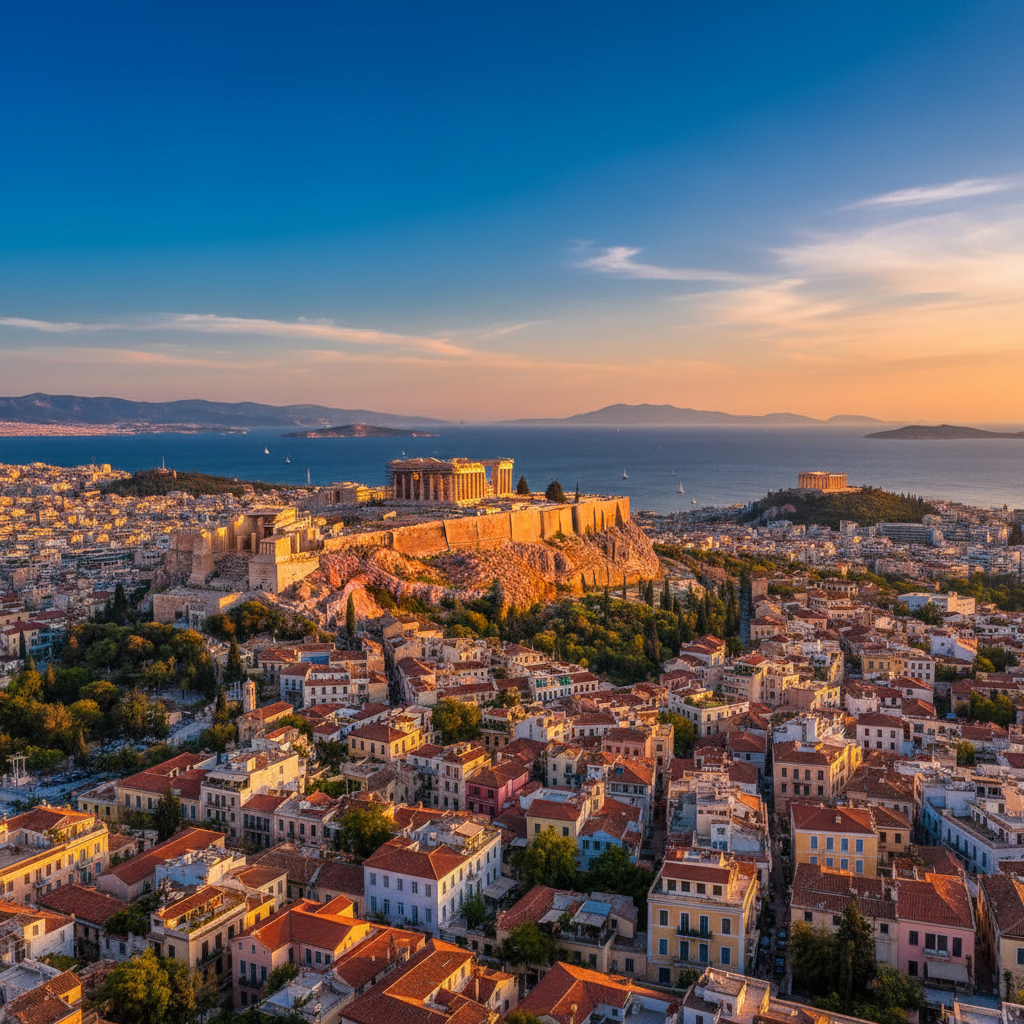
5-Day Athens Travel Guide: Acropolis, Plaka, Monastiraki & Greek Island Gateway
Explore ancient Athens in 5 days! Discover the Acropolis, vibrant Plaka, Monastiraki, Cape Sounion, and get ready for your Greek island adventure.
- Duration: 5 Days
- Estimated Budget: $600–$1,100
- Best Time to Visit: April-May and September-October for pleasant weather and fewer crowds.
- Destination: Athens, Greece
Athens is a city where ancient history breathes alongside a vibrant modern pulse, offering an intoxicating blend of iconic ruins, bustling markets, and a culinary scene that will delight your senses. This 5-day guide is your perfect introduction to the cradle of Western civilization, setting you up for an unforgettable journey through its timeless wonders and as the ideal springboard to the sun-drenched Greek islands.
The ancient Agora, once the bustling heart of Athenian democracy and commerce, invites you to wander among its stoas and temples, imagining Socrates engaging citizens in philosophical debate. Here, beneath the gaze of the Hephaisteion, one of the best-preserved Doric temples, you can almost hear the echoes of speeches that shaped Western thought. This sprawling archaeological site offers a profound connection to the city's intellectual and political foundations, revealing the daily lives of Athenians over millennia. Explore the Stoa of Attalos, meticulously reconstructed, housing a museum that brings artifacts to life, from pottery shards to ancient voting tokens. The sheer scale and historical significance of the Agora provide an unparalleled journey back to the very roots of civilization, making it an essential pilgrimage for any visitor.
Syntagma Square, the vibrant epicenter of modern Athens, pulses with a different kind of energy, offering a dynamic contrast to the ancient ruins. Witness the ceremonial changing of the Evzones, the Presidential Guard, in their distinctive fustanella kilts, a captivating spectacle that honors Greek tradition and national pride. Surrounding the square, elegant neoclassical buildings house government offices and luxury hotels, reflecting the city's 19th-century rebirth. From here, you can easily access Ermou Street, a bustling pedestrian thoroughfare brimming with shops and cafes, showcasing contemporary Athenian life. The rhythmic clang of the tram and the chatter of locals create a lively atmosphere, proving Athens is as much about its present as its past, a city where every corner offers a new discovery.
Lycabettus Hill, the highest point in central Athens, offers breathtaking panoramic vistas that stretch from the Saronic Gulf to the distant mountains, providing an unparalleled perspective of the sprawling city below. Ascend by foot or funicular to its summit, where the whitewashed Chapel of St. George stands sentinel, offering a serene escape from the urban bustle. As the sun dips below the horizon, painting the sky in fiery hues, the city lights begin to twinkle, transforming the ancient landscape into a magical tapestry. This elevated vantage point allows you to grasp the sheer scale of Athens, pinpointing landmarks you've visited and inspiring future explorations. The cool evening breeze and the twinkling expanse create a truly unforgettable moment, a perfect culmination to a day of Athenian adventures.
Ancient Wonders and Plaka Charm
Arrive at Athens International Airport (ATH) and take the Metro Line 3 directly to the city center.
The Metro is the most efficient and cost-effective way to reach your accommodation, avoiding traffic and high taxi fares. It's a direct route that gets you right into the heart of Athens.
Check into your hotel in Monastiraki, Koukaki, or Plaka and drop off your bags.
These neighborhoods are incredibly central, walkable, and offer easy access to major historical sites and vibrant evening life. Settling in quickly allows you to maximize your first day.
Head straight to the Acropolis, entering at 8am to beat the crowds and the heat.
Visiting the Acropolis first thing in the morning is crucial to experience its grandeur without overwhelming crowds. You'll have the Parthenon, Erechtheion, and Temple of Athena Nike almost to yourself.
Explore the Acropolis Museum, located just below the sacred rock.
This world-class museum houses all the artifacts found on the Acropolis, offering invaluable context and a deeper understanding of the ancient site. The glass floor revealing ongoing excavations is truly mesmerizing.
Wander through the charming streets of Plaka, Athens' oldest neighborhood.
Plaka is a labyrinth of neoclassical architecture, quaint shops, and traditional tavernas, perfect for a leisurely evening stroll. It feels like stepping back in time.
Leif's Tip: Athens is incredibly walkable, but your feet will thank you for wearing comfortable shoes. Also, always carry a small bottle of water, especially when exploring the Acropolis, as the sun can be intense even in the morning.
Navigating the labyrinthine streets of Plaka, while trying to discern authentic tavernas from tourist traps, can be genuinely overwhelming, especially when you're also trying to fit in a day trip to Cape Sounion and plan for island hopping. Deciphering the often-confusing public transport system to reach the Acropolis before the crowds, or finding a quiet spot in Monastiraki for a genuine Greek coffee, requires local insight that guidebooks rarely provide. You might wonder which ferry company is most reliable for your island connection, or how to avoid peak-hour queues at major archaeological sites. These are the precise friction points Leif is built to smooth out, ensuring your precious time in Athens is spent experiencing, not stressing.
Plaka, with its charming labyrinthine streets, offers a delightful preamble to exploring Athens' ancient wonders and vibrant modern life. When you're considering a sunset visit to Cape Sounion, Leif provides not just the best transport options, but also details on lesser-known viewpoints to capture that iconic Temple of Poseidon shot without the crowds. Later, as you ponder dinner in Monastiraki, Leif filters through countless options, recommending a family-run mezedopoleio known for its live rebetiko music and authentic flavors, ensuring you experience the city's true culinary heart.
The warm Mediterranean breeze carries the scent of jasmine and grilled souvlaki as you stroll through the vibrant streets, completely at ease. You arrive at each historical site or charming neighborhood feeling informed and prepared, with a clear understanding of its significance and how it fits into your Athenian adventure. This isn't just about seeing the sights; it's about truly connecting with the city, from the ancient stones of the Parthenon to the lively buzz of a local market. With Leif, you gain the confidence to explore Athens deeply, knowing every step of your 5-day journey is thoughtfully curated for an enriching and memorable experience.
Best Time to Visit Athens, Greece
April-May: Enjoy pleasant temperatures, fewer crowds, and the city bursting with wildflowers.
September-October: Experience warm weather after the peak summer heat, with significantly fewer tourists.
Avoid July-August: The heat can be intense (often 40°C), and major sites like the Acropolis are swarming with people.
Early Mornings or Late Afternoons: For popular sites like the Acropolis, aim for opening time (8 AM) or an hour before closing to beat the crowds and heat.
Getting Around Athens, Greece
Athens Metro: It's excellent, cheap (EUR 1.40/ride), and connects directly to the airport (Line 3) and Piraeus Port (Line 1).
Walk Everywhere: Most major attractions in the city center (Acropolis, Plaka, Monastiraki) are within a 2km radius and best explored on foot.
Taxi from Airport: A flat rate of EUR 38-45 to the city center is standard, making it a convenient option for late arrivals or those with lots of luggage.
KTEL Buses: For day trips like Cape Sounion, these intercity buses are a reliable and affordable option from designated terminals like Pedion Areos.
Ferry to Islands: Piraeus port is easily accessible by Metro Line 1 (30 min) for seamless connections to popular islands like Santorini and Mykonos.
What to Pack
- Comfortable Walking Shoes: You'll be doing a lot of walking on uneven ancient paths and cobblestone streets.
- Lightweight Clothing: Breathable fabrics like linen or cotton are essential, especially during warmer months.
- Sun Protection: A wide-brimmed hat, sunglasses, and high-SPF sunscreen are non-negotiable for exploring outdoors.
- Reusable Water Bottle: Stay hydrated and reduce plastic waste; many cafes and hotels offer refills.
- Small Backpack: Ideal for carrying essentials, snacks, and souvenirs while keeping your hands free.
- Swimsuit: For a dip in Vouliagmeni Lake or if you plan to extend your trip to the islands.
- A Light Jacket or Scarf: Evenings can be cooler, especially in spring and fall, and a scarf is useful for sun protection or entering some religious sites.
- Portable Power Bank: Keep your phone charged for navigation, photos, and staying connected.
Money-Saving Tips
- Utilize the Metro: It's the most cost-effective way to get around Athens and to/from the airport and port.
- Eat Like a Local: Seek out small tavernas, souvlaki stands (like Thanasis), and the central market (Varvakios Agora) for delicious and affordable meals.
- Pack Snacks and Water: Keep energy levels up without constantly buying expensive drinks and bites at tourist spots.
- Consider a Multi-Site Ticket: If you plan to visit several archaeological sites, check if a combined ticket offers savings over individual entries.
- Stay in Walkable Neighborhoods: Choosing accommodation in Monastiraki, Koukaki, or Plaka reduces the need for taxis or extensive public transport.
- Look for Lunch Specials: Many restaurants offer more affordable lunch menus than dinner.
Local Insights
- Embrace the 'Siga Siga' Pace: Greeks live by 'siga siga' (slowly, slowly). Don't rush, enjoy your coffee, and savor the moment.
- Learn Basic Greek Phrases: Even a simple 'Kalimera' (good morning) or 'Efharisto' (thank you) goes a long way with locals.
- Dinner is Late: Greeks typically eat dinner quite late, often starting around 9 PM or even later, especially in summer.
- The Acropolis is More Than Just the Parthenon: Take your time to explore the Erechtheion, Temple of Athena Nike, and the views from the Propylaea.
- Coffee Culture is Huge: Don't miss out on enjoying a leisurely freddo espresso or cappuccino freddo at a local cafe.
- Don't Be Afraid of the Central Market (Varvakios Agora): It's a vibrant, authentic experience, perfect for trying local delicacies and seeing daily Athenian life.
Frequently Asked Questions
Is Athens safe for solo female travelers?
Absolutely, Athens is generally very safe. Stick to well-lit, populated areas, especially at night. The neighborhoods of Monastiraki, Plaka, and Koukaki are bustling and tourist-friendly. Always be aware of your belongings in crowded areas like the Metro or the flea market to avoid pickpockets. Taxis are reliable, but use ride-sharing apps or official taxi stands for peace of mind.
How much should I budget for daily expenses in Athens?
For a comfortable experience, budget around EUR 40-60 per person per day for food, covering a mix of street food, casual tavernas, and one nicer meal. Activities and entrance fees will add another EUR 20-40 daily, depending on how many sites you visit. Transportation is cheap, especially the Metro. This budget allows for a good balance of experiences without feeling overly restricted.
What's the best way to get around Athens?
Athens is incredibly walkable, especially within the historic center. For longer distances, the Metro is excellent, clean, and efficient, connecting major sites and the airport. A single ticket costs EUR 1.40. Taxis are readily available, but ensure they use the meter or agree on a fare beforehand. Ride-sharing apps also operate in the city.
Can I really do a day trip to the Greek islands from Athens?
While you can take a fast ferry to closer islands like Hydra or Aegina for a day, this guide focuses on Athens as a gateway, meaning you'd typically spend your 5 days in Athens and then depart for a multi-day island adventure. Piraeus port is easily accessible by Metro, making it a convenient starting point for longer island-hopping trips to places like Santorini or Mykonos.
What should I wear when visiting ancient sites like the Acropolis?
Comfortable walking shoes are non-negotiable, as you'll be on uneven terrain and climbing steps. Light, breathable clothing is best, especially during warmer months. A hat, sunglasses, and sunscreen are essential, as there's little shade. While there's no strict dress code for the Acropolis itself, if you plan to visit churches, modest attire (shoulders and knees covered) is appreciated.
Is English widely spoken in Athens?
Yes, in tourist areas, hotels, restaurants, and major attractions, you'll find that most people speak English well. Learning a few basic Greek phrases like 'kalimera' (good morning), 'efharisto' (thank you), and 'parakalo' (please/you're welcome) will always be appreciated by locals and can enhance your interactions.
What's the best way to avoid crowds at the Acropolis?
The absolute best strategy is to book your skip-the-line tickets online well in advance and arrive right at 8 AM when the site opens. Alternatively, visit about an hour before closing (typically 5 PM in summer, but check seasonal hours). This allows you to experience the Parthenon with fewer people and often in more favorable light for photography.