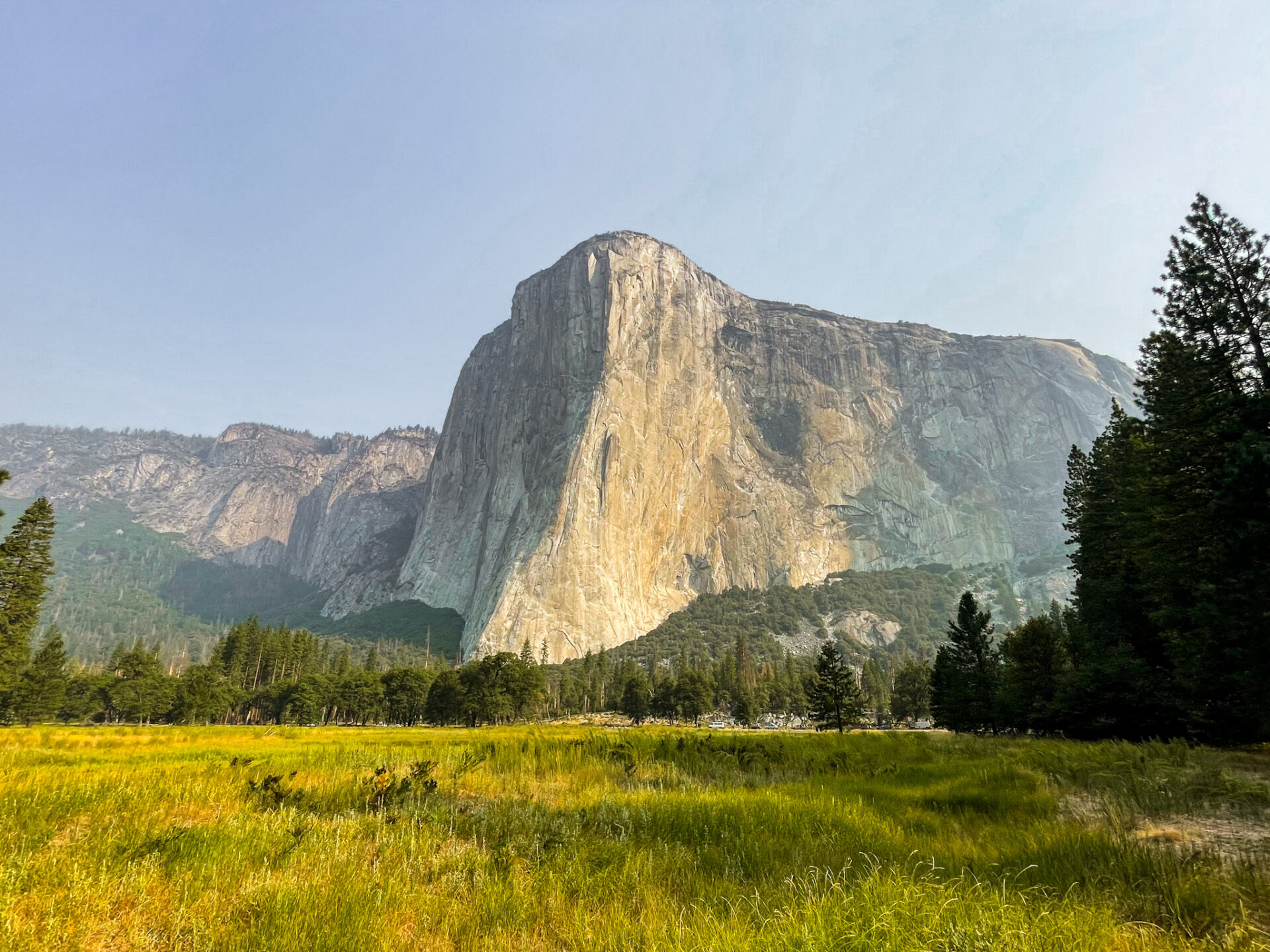
Yosemite in 5 Days: Waterfalls, Half Dome, and the Valley That Changes Everything
The complete 5-day Yosemite itinerary — Yosemite Falls, Half Dome permits, Glacier Point, Tuolumne Meadows, and how to beat the crowds. Real logistics, real permit advice, real insider knowledge.
- Duration: 5 Days
- Estimated Budget: $1,200–$2,400
- Best Time to Visit: May–June for peak waterfall flow and manageable crowds. September–October for golden light, fewer visitors, and comfortable hiking temperatures. Avoid July–August — the valley is at maximum capacity and parking is nearly impossible without a reservation.
- Destination: Yosemite National Park, California, USA
There are places that change the way you see the world, and Yosemite Valley is one of them. The first time you drive through the Wawona Tunnel and the valley opens up before you — El Capitan on your left, Half Dome straight ahead, Bridalveil Fall cascading on your right — it's one of the most arresting views in North America. Five days is enough time to hike the major trails, catch the light at Glacier Point, explore Tuolumne Meadows, and still have an afternoon to simply sit by the Merced River and let the scale of it sink in.
The granite monoliths of Yosemite will humble you. The first time you drive through the Wawona Tunnel and the valley opens up before you — El Capitan on your left, Half Dome straight ahead, Bridalveil Fall cascading on your right — it's one of the most arresting views in North America. No photograph prepares you for the scale of it.
This itinerary covers the Mist Trail to Vernal and Nevada Falls, the Glacier Point Road viewpoints, the ancient sequoias of Mariposa Grove, and the high alpine meadows of Tioga Road — the full Yosemite experience without the rushed feeling of a weekend trip. From stargazing in the Valley to a sunrise hike up Sentinel Dome, this guide ensures you'll experience the park's diverse beauty.
The key to Yosemite is logistics. Timed entry permits, shuttle bus reservations, lodging reservations that book out 6 months in advance — the planning is real, but it's worth every minute of it. This guide gives you the exact booking timeline, the permit strategy, and the insider knowledge to make the most of every day.
Arrive, Valley Floor & Yosemite Falls
Drive through the Wawona Tunnel and stop at Tunnel View for your first panoramic valley view.
This is the iconic Yosemite view — El Capitan, Half Dome, Bridalveil Fall, and the entire valley in one frame. Every photographer in the world has shot this angle for a reason.
Take the free valley shuttle to Yosemite Falls Trailhead and hike to the base of Lower Yosemite Fall.
At 2,425 feet, Yosemite Falls is the tallest waterfall in North America. The base trail is 1 mile round trip and entirely flat — the spray from the falls is refreshing in summer.
Walk the Valley Loop Trail through Cook's Meadow for views of Half Dome and Sentinel Rock.
The meadow views of Half Dome are some of the best in the valley — and the flat trail lets you absorb the scenery without the exertion of a full hike.
Sentinel Bridge at sunset for the Half Dome reflection in the Merced River.
The reflection of Half Dome in the Merced River at golden hour is one of the most photographed scenes in the world. In May–June the river is high and the reflection is perfect.
Leif's Tip: Your first evening in Yosemite should be slow. Walk the meadows, watch the light change on the granite walls, and let the scale of the place sink in. The hiking comes tomorrow.
Navigating the permit system for popular Yosemite trails like Half Dome or even securing a decent campsite can feel like winning the lottery, especially when you're trying to coordinate an adventure-focused trip. Beyond the well-known spots, finding the best bouldering routes at Camp 4, understanding the seasonal closures for high-country trails, or knowing which less-trafficked paths offer equally stunning views without the crowds requires deep, up-to-date knowledge. You want to spend your days scaling granite, not sifting through outdated park regulations or battling for a spot on a crowded shuttle. This is precisely where Leif steps in, transforming those logistical headaches into a seamless, exhilarating outdoor experience tailored just for you, ensuring every moment is spent on adventure, not administration.
Yosemite Valley Lodge offers the perfect basecamp for your adventure, ensuring a seamless start to each day's exploration. Your Leif itinerary will guide you to an early parking spot, provide detailed trail notes including elevation gains and estimated times, and even suggest the best spots for a mid-hike snack with a view. Later, when you're considering a less-traveled path to Mirror Lake or debating whether to tackle the strenuous Upper Yosemite Fall trail, Leif offers insights into current trail conditions, water sources, and even alternative routes to maximize your outdoor experience, making sure you're always prepared and never overwhelmed.
The crisp, pine-scented air at sunrise, coupled with the sound of the Merced River rushing nearby, sets the tone for a day of unparalleled exploration. You'll feel the satisfaction of knowing you're on the right track, whether you're ascending a challenging peak or discovering a hidden viewpoint far from the tour buses. This isn't just about seeing Yosemite; it's about experiencing its raw, untamed beauty with confidence and clarity, free from the usual planning anxieties. You'll return from each day's adventure feeling invigorated, knowing every decision was optimized for your enjoyment and safety, ready to recount tales of your triumphs amidst the towering granite. It's time to stop dreaming and start doing.
Best Time to Visit Yosemite National Park, California, USA
May–June: Peak waterfall flow, wildflowers, and manageable crowds before summer peaks
September–October: Golden light, fewer visitors, comfortable hiking temperatures, and fall color in Tuolumne Meadows
Avoid July–August: Maximum crowds, parking near-impossible without reservations
Winter (December–March): Fewer crowds and stunning snow scenes, but Glacier Point Road and Tioga Road are closed
Getting Around Yosemite National Park, California, USA
The free valley shuttle runs every 10–20 minutes — use it to avoid parking headaches
A timed entry permit is required to drive into Yosemite Valley from May–September (book at recreation.gov)
Glacier Point Road and Tioga Road are only open May–November — check road conditions before planning
The drive from San Francisco to Yosemite Valley is 3.5–4 hours
What to Pack
- Layers — temperatures swing 30–40°F between morning and afternoon
- Sturdy hiking boots with ankle support — the granite trails are uneven
- 3+ liters of water capacity for full-day hikes
- Gloves for the Half Dome cables — the metal gets hot in summer and cold in the morning
- Headlamp for early morning starts
Money-Saving Tips
- The America the Beautiful annual pass ($80) covers Yosemite's $35 entrance fee and every other national park for a year
- Pack your own lunch for day hikes — there are no food services on most trails
- Camping at Yosemite Valley campgrounds ($26–36/night) is the most affordable lodging option — book 5 months in advance
- Degnan's Kitchen and the Village Grill are significantly cheaper than The Ahwahnee for casual meals
Local Insights
- The Tunnel View pullout at sunrise is the most photographed view in the park — arrive 30 minutes before sunrise
- Sentinel Bridge at sunset is the best place to photograph Half Dome's reflection in the Merced River
- Mirror Lake in early morning (May–June) has the best Half Dome reflection in the park
- The Ahwahnee Hotel Great Lounge is worth seeing even if you're not staying — it's one of the great rooms in American architecture
Frequently Asked Questions
Do I need a permit to visit Yosemite?
Yes — from late May through early September, a timed entry permit is required to drive into Yosemite Valley and the Hetch Hetchy area. Permits are released at recreation.gov two days in advance at 8 a.m. PT. Lodging guests and those with camping reservations are exempt. The Half Dome cables also require a separate permit (apply in the March lottery or the daily lottery the day before).
How hard is the Half Dome hike?
Very hard. The hike is 14–16 miles round trip with 4,800 feet of elevation gain and takes 10–14 hours. The cables section at the top requires upper body strength and a head for heights. You should be comfortable with strenuous day hikes before attempting it. Start no later than 5 a.m. to avoid afternoon thunderstorms and crowds on the cables.
When is the best time to visit Yosemite?
May–June for peak waterfall flow and wildflowers. September–October for golden light, fewer crowds, and comfortable temperatures. Avoid July–August — the valley is at maximum capacity and the experience suffers. Winter is beautiful but Glacier Point Road and Tioga Road are closed.
How far in advance should I book Yosemite lodging?
The Ahwahnee and Yosemite Valley Lodge book out 6 months in advance — set a calendar reminder and book the moment reservations open. Campgrounds book out 5 months in advance. If you can't get valley lodging, El Portal (15 minutes outside the park) has several good options.
Is Yosemite worth visiting without hiking Half Dome?
Absolutely. Glacier Point, Tunnel View, Mirror Lake, Mariposa Grove, and the valley floor trails are all spectacular and require no special permits. The valley itself — just walking the meadows and watching the light change on El Capitan — is one of the great travel experiences in America.
What should I pack for Yosemite?
Layers (temperatures swing 30–40°F between morning and afternoon), sturdy hiking boots, sunscreen, a hat, 3+ liters of water capacity, high-calorie snacks, and a headlamp. Bear canisters are required in the backcountry. Gloves are essential for the Half Dome cables.
How much does a 5-day Yosemite trip cost?
Budget $1,200–$2,400 per person. Park entry is $35/vehicle (or $80 for the America the Beautiful annual pass). Lodging ranges from $130/night (tent cabins) to $600+/night (The Ahwahnee). Food in the park runs $20–50/person per day. The Half Dome permit is $10.