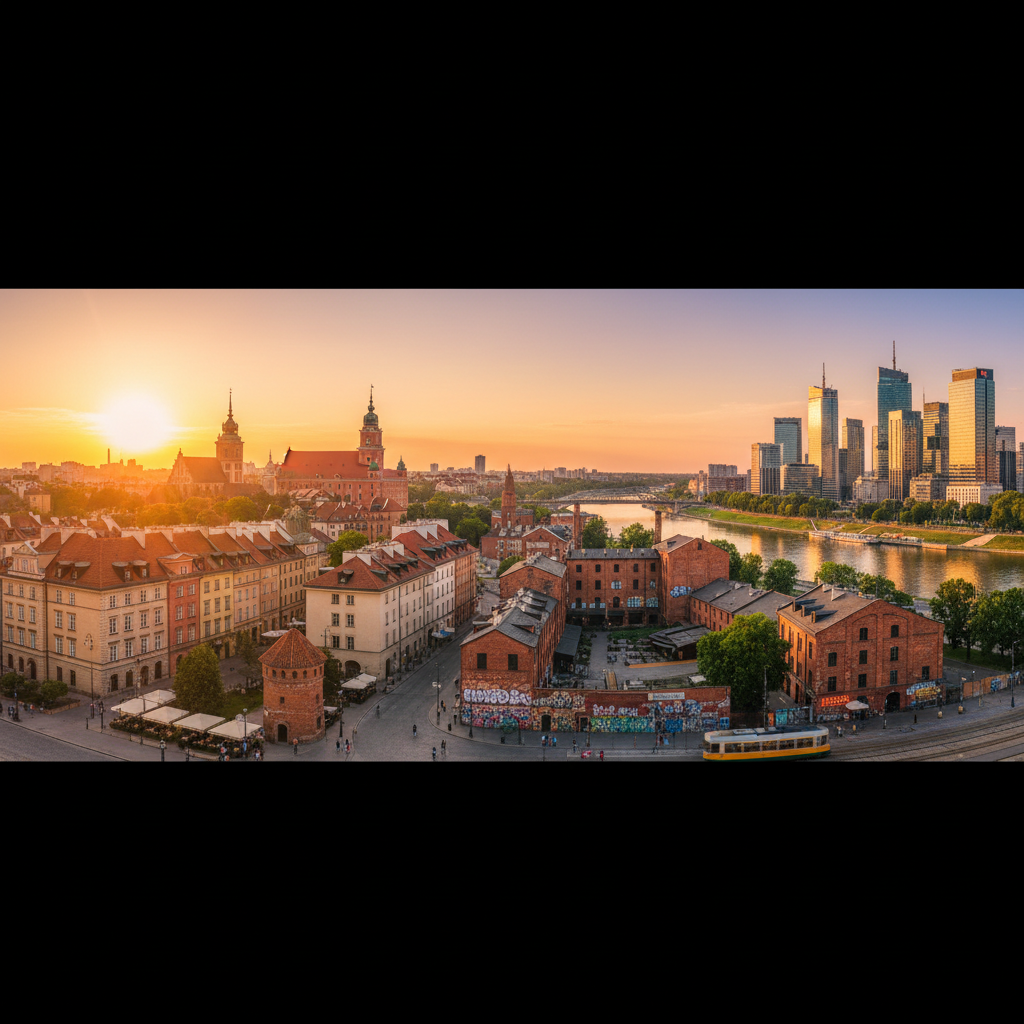
Uncover Warsaw's incredible story on this 4-day city guide. Explore WWII history, the reconstructed Old Town, vibrant Praga, and a booming food scene.
Warsaw's Old Town stands as a monument not to preservation, but to an astonishing act of defiance and reconstruction. This isn't just a city; it's a living testament to resilience, where every brick tells a story of rebirth, and a new generation is forging one of Europe's most exciting cultural and culinary landscapes.
The Monument of the Warsaw Uprising, nestled in Krasiński Square, isn't just a statue; it's a profound testament to an entire city's indomitable spirit. This powerful sculpture captures the raw emotion and brutal reality of a desperate fight for freedom, serving as a poignant entry point into understanding the soul of this remarkable metropolis. As you stand before it, you can almost hear the echoes of history, a city that refused to be erased, choosing instead to rise from the ashes with an unparalleled determination. It's a place that demands reflection, setting the stage for a journey into a narrative of loss, resilience, and an astonishing rebirth that few other urban centers can claim. This site alone makes the visit profoundly moving.
Is it possible to truly grasp the immense scale of destruction and the subsequent rebuilding without feeling overwhelmed? Here's the reality: it's not just possible, it's essential, and deeply rewarding. Many travelers worry that focusing on the past will make their trip somber, but in this city, understanding its history is the key to unlocking its vibrant present. By engaging with the narrative of its past, you gain a profound appreciation for the creativity, innovation, and sheer tenacity that define its people today. It transforms a simple sightseeing trip into an experience of deep historical empathy and admiration, allowing you to connect with the city on a much more meaningful level than just admiring pretty facades.
Evenings in this dynamic capital often involve exploring the thriving culinary landscape that has redefined Central European dining. You'll find yourself discovering modern Polish bistros where traditional ingredients are elevated to art forms, or perhaps slipping into a cozy bar in a historic district for a taste of the local spirits. The rhythm of this city for a curious traveler means balancing profound historical reflection with the joy of contemporary urban life. One moment you might be contemplating a powerful monument, and the next, you're savoring innovative dishes or engaging in lively conversations in a bustling square, experiencing the city's multifaceted identity firsthand.
This UNESCO World Heritage site is a testament to Polish resilience, rebuilt brick by brick after WWII's devastation. Understanding its history transforms a pretty square into a profound symbol of survival.
The Barbican is one of the few remaining fragments of the historic fortifications that once encircled Warsaw. It offers a glimpse into medieval defense architecture.
This cathedral is not only a significant religious site but also a powerful symbol of Warsaw's reconstruction efforts. It houses the tombs of many prominent Poles.
This museum is not optional for any serious visitor to Warsaw; it provides a comprehensive and emotionally devastating account of the 1944 Warsaw Uprising, a defining event in Polish national identity.
Zapiecek offers a quintessential Polish dining experience with a wide variety of pierogi and other traditional fare in a charming, rustic setting. It's a great introduction to Polish cuisine.
Leif's Tip: Before you even step foot in the Old Town, take a few minutes to read up on the Warsaw Uprising and the city's post-war reconstruction. Understanding that the beautiful facades you see were painstakingly rebuilt from rubble, often using 18th-century paintings as blueprints, will transform your experience from a simple sightseeing stroll into a profound journey through resilience and defiance.
Between navigating the sprawling urban landscape, understanding the nuances of its profound historical narrative, and discerning authentic experiences from tourist traps, exploring this resilient capital can feel like a complex undertaking before you even arrive. There are countless museums, monuments, and districts, each with its own story, and knowing how to weave them into a coherent, meaningful journey without feeling rushed or overwhelmed is a genuine challenge. Furthermore, the city's culinary scene is exploding, making it difficult to pinpoint the truly exceptional establishments that showcase the best of modern Polish gastronomy or offer a truly local imbibing experience. This is precisely where Leif steps in, transforming potential planning headaches into a seamless, enriching adventure tailored just for you.
Say you're eager to delve into the city's vibrant street art scene and discover hidden galleries in the atmospheric district of Muranów, but you're not sure which alleys to wander or how to find the most impactful pieces without getting lost. Leif already has a curated walking route for you, complete with GPS guidance and insightful commentary on the artists and their works. Or perhaps you're craving an authentic taste of Polish cuisine beyond the usual tourist fare, wondering where to find the most tender golabki or a truly exceptional sernik. Leif will guide you to a charming, family-run restaurant like "U Fukiera" in the Market Square, known for its traditional recipes and warm ambiance, ensuring you savor every bite in a truly local setting. Your itinerary anticipates your curiosity and answers your questions before you even ask them.
You'll arrive in this incredible city knowing exactly how to unlock its deepest secrets and experience its vibrant pulse, not just scratch the surface. Instead of poring over maps and reviews, you'll be confidently strolling through the historic Jewish Ghetto, understanding the poignant stories etched into its streets, or savoring a perfectly chilled glass of local mead at a cozy tavern near Plac Konstytucji. The difference is feeling completely immersed and informed, effortlessly moving from profound historical sites to lively contemporary hotspots. You'll depart with a rich tapestry of memories, having truly connected with the spirit of a city that continually reinvents itself, leaving you with an unforgettable journey and a desire to return.
Late spring (May-June) or early autumn (September-October) offers pleasant weather and fewer crowds, perfect for exploring on foot.
Summer (July-August) is vibrant with outdoor events and Chopin concerts in Łazienki Park, but can be warm and more crowded.
Winter (November-April) is cold and often snowy, but the Christmas markets are magical and indoor attractions like museums are less busy.
Avoid major Polish holidays like All Saints' Day (November 1st) when many businesses may be closed or have reduced hours.
Warsaw has an excellent public transport system (ZTM) including buses, trams, and a metro. Purchase tickets from machines at stops, metro stations, or kiosks.
A 72-hour public transport ticket costs around 36 PLN (approximately 8 EUR) and is great value for exploring the city extensively.
Ride-sharing apps like Uber and Bolt are readily available and often more affordable than traditional taxis, especially for longer distances or late-night travel.
Walking is the best way to experience the Old Town and Praga districts; wear comfortable shoes as you'll be covering a lot of ground.
Warsaw has an excellent public transport system including trams, buses, and a metro. A 72-hour ticket costs around 36 PLN (€8) and covers all zones. Taxis and ride-sharing apps like Bolt are also readily available and affordable.
While knowing a few basic Polish phrases is always appreciated, most younger Poles and those working in tourism, hospitality, and museums speak excellent English. You'll have no problem communicating in the main tourist areas.
The currency is the Polish Złoty (PLN). Credit and debit cards are widely accepted almost everywhere, from restaurants and shops to museums and public transport ticket machines. It's always good to have some small cash for very small purchases or local markets.
Warsaw is generally a very safe city, even for solo travelers. Like any major city, exercise common sense, especially at night. Stick to well-lit, populated areas and be aware of your surroundings, but violent crime is rare.
Late spring (May-June) and early autumn (September-October) offer pleasant weather, fewer crowds, and vibrant city life. Summers can be warm, and winters are cold with snow, but the city has a magical charm during the festive season.
Poles are generally polite and reserved. It's customary to greet shopkeepers and staff with 'Dzień dobry' (good day) and say 'Do widzenia' (goodbye). Tipping around 10% in restaurants is standard if service was good, and always try to learn a few basic Polish words.
A 'milk bar' (bar mleczny) is a communist-era cafeteria offering traditional, inexpensive Polish food. They are a fantastic, authentic experience for a budget-friendly and hearty meal. Don't expect fancy decor, but do expect delicious, home-style cooking. Definitely give one a try!