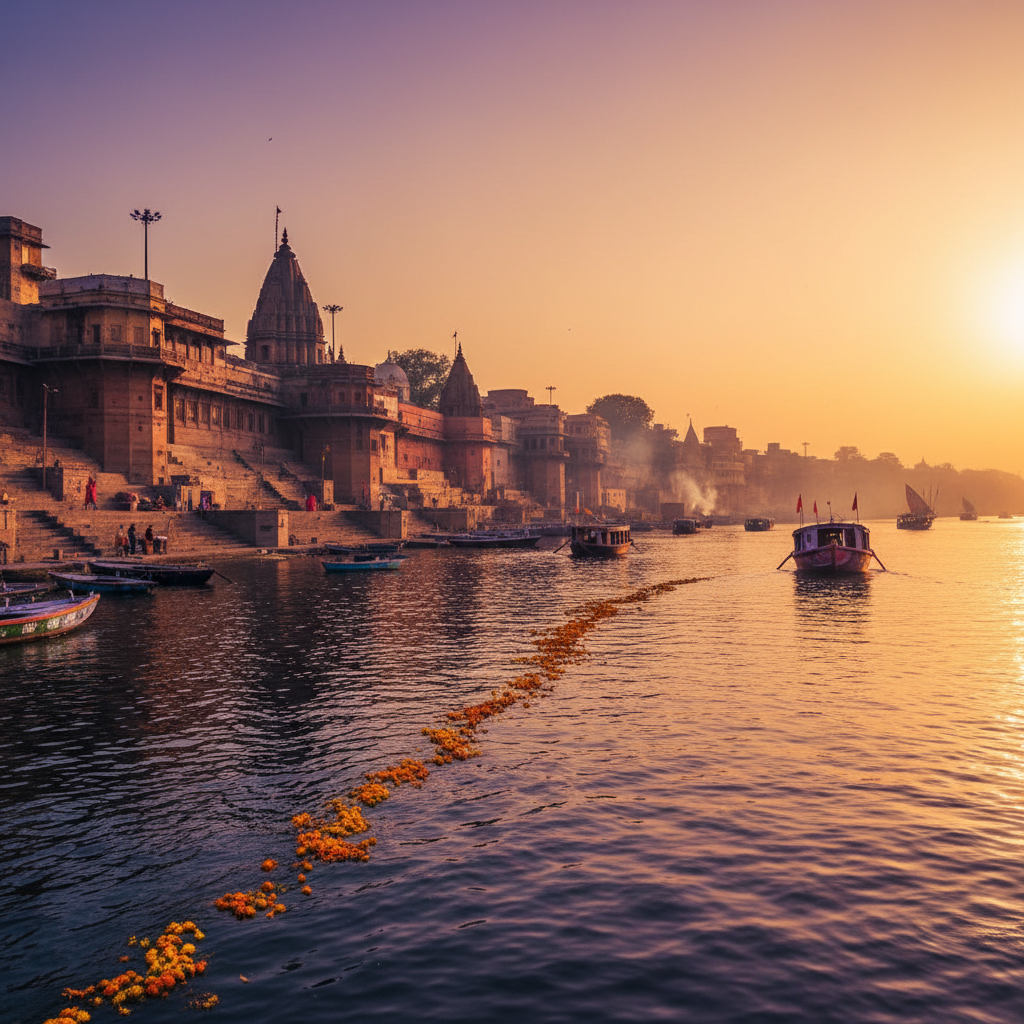
Varanasi 3-Day Culture Trip: Immerse in India's Spiritual Heart
Discover the soul of India on a 3-day cultural journey through Varanasi. Explore ancient ghats, witness sacred rituals, and delve into spiritual traditions.
- Duration: 3 Days
- Estimated Budget: $450–$900
- Best Time to Visit: October-March for pleasant weather and comfortable exploration.
- Destination: Varanasi, India
Varanasi, the spiritual capital of India, is a city that pulses with ancient energy and profound cultural significance. For the culture seeker, it offers an unparalleled immersion into Hindu traditions, ancient rituals, and a vibrant tapestry of life along the sacred Ganges.
Varanasi isn't just a city; it's a living, breathing testament to India's spiritual heart, a place where ancient rituals unfold daily along the sacred Ganges. Here, the true journey lies not in merely observing the Kashi Vishwanath Temple, but in allowing yourself to be swept up in a timeless tapestry of devotion, philosophy, and everyday life. Imagine the scent of marigolds and incense mingling with the earthy aroma of the river, the rhythmic chants echoing from temples, and the vibrant chaos of the ghats. This guide is your invitation to delve deep into the soul of Varanasi, to witness ceremonies that have captivated pilgrims for millennia, and to understand the profound spiritual significance that permeates every alleyway and every interaction. Prepare to be moved, challenged, and utterly transformed by the sheer intensity of this ancient city.
Your cultural journey will begin at the iconic Dashashwamedh Ghat, where the mesmerizing Ganga Aarti ceremony unfolds each evening, a symphony of fire, sound, and devotion that truly must be experienced to be understood. We'll navigate the labyrinthine lanes of the Old City, discovering hidden temples and observing the intricate art of Banaras silk weaving, a craft passed down through generations. Beyond the spiritual, you'll savor the authentic flavors of Varanasi's legendary street food, from piping hot kachoris to sweet malaiyo, engaging all your senses in this vibrant culinary landscape. This isn't a passive tour; it's an active engagement with a culture that has shaped human civilization for thousands of years, offering unparalleled insights into Hindu traditions and daily life.
But Varanasi's cultural embrace extends beyond its immediate borders. A short journey will take you to Sarnath, the serene deer park where Buddha delivered his first sermon, offering a profound contrast to the bustling ghats and a moment of quiet contemplation. You'll witness the poignant rituals at Manikarnika Ghat, understanding the cycle of life and death that is so central to Hindu belief. This itinerary is crafted for the discerning traveler who seeks genuine connection and understanding, not just sightseeing. It's about peeling back the layers of history, spirituality, and artistry that make Varanasi one of the most compelling cultural destinations on Earth. Get ready to step into a world where every moment is a story, and every corner holds a piece of ancient wisdom.
Sacred Sunrise and Spiritual Shores
Embark on a serene sunrise boat ride along the Ganges River, witnessing the city awaken with devotion.
This early morning experience offers a breathtaking view of the ghats bathed in golden light, providing a profound introduction to Varanasi's spiritual heart. You'll see pilgrims performing rituals, a truly iconic Varanasi sight.
Explore the Dashashwamedh Ghat, the most vibrant and famous ghat in Varanasi, bustling with activity.
This is the epicenter of religious life in Varanasi, where daily rituals and ceremonies take place. It's a sensory overload in the best way, showcasing the city's spiritual energy.
Visit the Kashi Vishwanath Temple, one of the most sacred Hindu temples dedicated to Lord Shiva.
As one of the twelve Jyotirlingas, it holds immense religious significance for Hindus. Experiencing its spiritual atmosphere is essential for understanding Varanasi's cultural core.
Discover the ancient Buddhist site of Sarnath, where Buddha first taught the Dharma.
Just a short drive from Varanasi, Sarnath offers a peaceful contrast to the bustling city and is a pivotal site in Buddhist history. It's a chance to reflect and learn about the origins of Buddhism.
Witness the mesmerizing Ganga Aarti ceremony at Dashashwamedh Ghat, a nightly ritual of fire and devotion.
This elaborate and powerful ceremony is a highlight of any Varanasi visit, a spectacular display of devotion with chanting, bells, and fire. It's an unforgettable cultural experience.
Leif's Tip: Embrace the chaos and sensory overload of Varanasi; it's part of its unique charm. Be open to spontaneous conversations with locals and don't be afraid to get lost in the labyrinthine alleys behind the ghats – that's where you'll find the true heart of the city.
Navigating the ancient bylanes and understanding the true rhythm of Varanasi's spiritual life can be overwhelming without a guiding hand. You might find yourself lost amidst the bustling markets, unsure which temple offers a truly authentic experience versus a tourist-centric one, or struggling to decipher the local customs that are so integral to daily interactions. Deciphering the intricate puja schedules, knowing the best time to witness a lesser-known ritual, or even finding reliable transport that respects local traditions can quickly turn an enriching cultural exploration into a frustrating logistical puzzle. This is precisely where Leif steps in, transforming potential confusion into a seamless, deeply personal journey through one of the world's most sacred cities, ensuring your focus remains on absorption and understanding, not on deciphering maps or negotiating fares.
Ganga Aarti can be overwhelming, but Leif transforms your experience into an intimate journey, revealing Varanasi's hidden gems. Instead of aimlessly wandering, you receive a precise recommendation for a small, family-run lassi shop known only to locals, offering a taste of authentic Varanasi that you'd otherwise completely miss. Leif anticipates your need for a quiet moment after the intensity of the morning rituals, suggesting a peaceful rooftop cafe overlooking the river, complete with directions and a brief history of the view. You're not just following a schedule; you're experiencing Varanasi through the eyes of someone who deeply understands its nuances, allowing you to immerse yourself fully in its spiritual cadence without any of the usual travel anxieties.
The scent of marigolds and incense, mingled with the earthy aroma of the river, becomes your constant companion, guiding you through experiences curated just for you. You arrive at each cultural site, from the lesser-known temples tucked away in narrow alleys to the vibrant artisan workshops, with a profound sense of anticipation and understanding, knowing exactly what to look for and the stories behind what you see. There's a deep satisfaction in connecting with local artisans, understanding their craft, and participating in ceremonies with genuine respect, all because Leif has paved the way. This isn't just a trip; it's a deeply personal pilgrimage, leaving you with a richer appreciation for India's spiritual heart and a desire to explore even more.
Best Time to Visit Varanasi, India
October to March: The weather is pleasant and cool, ideal for exploring the city on foot and enjoying boat rides.
Avoid April to June: These months are extremely hot, with temperatures soaring, making sightseeing uncomfortable.
Monsoon season (July to September): While the Ganges is full and lush, heavy rains can disrupt travel plans and make navigating the narrow lanes challenging.
Consider visiting during Diwali (October/November) or Maha Shivaratri (February/March) for vibrant cultural experiences, but expect larger crowds and higher prices.
Getting Around Varanasi, India
Rickshaws (auto-rickshaws and cycle-rickshaws) are the primary mode of transport within the city. Always negotiate the fare before starting your journey.
Walking is the best way to explore the labyrinthine lanes and ghats. Wear comfortable shoes and be prepared for uneven surfaces.
For longer distances or trips to Sarnath, consider hiring a pre-paid taxi or using ride-sharing apps like Ola or Uber, though availability can be spotty.
Boats are essential for experiencing the Ganges. Negotiate prices for private boat rides, or join a shared ride for a more economical option.
What to Pack
- Lightweight, breathable clothing (cotton or linen) that covers shoulders and knees, out of respect for local customs and religious sites.
- Comfortable walking shoes or sandals for navigating uneven streets and ghats.
- A wide-brimmed hat, sunglasses, and high-SPF sunscreen to protect against the strong Indian sun.
- A reusable water bottle to stay hydrated and reduce plastic waste.
- A small backpack for daily essentials, keeping valuables secure.
- Hand sanitizer and wet wipes, as public restrooms can be scarce and hygiene standards vary.
- A portable power bank for your phone, as you'll be taking many photos and navigating.
- Basic first-aid kit, including any personal medications, blister plasters, and insect repellent.
Money-Saving Tips
- Eat street food! Varanasi offers delicious and incredibly affordable local delicacies like kachori, jalebi, and lassi. Just choose busy, reputable stalls.
- Bargain respectfully at markets for souvenirs and silk. Start with offering half the asking price and work your way up.
- Opt for shared rickshaws or walk whenever possible instead of taking private transportation for every short distance.
- Stay in guesthouses or budget hotels near the ghats. They offer authentic experiences and are often more affordable than larger hotels.
- Consider carrying smaller denominations of rupees for easy transactions and to avoid issues with vendors not having change.
Local Insights
- Embrace the chaos: Varanasi is a sensory overload. Lean into the sights, sounds, and smells rather than fighting them. It's part of the authentic experience.
- Dress modestly: When visiting temples or walking through religious areas, ensure your shoulders and knees are covered as a sign of respect.
- Be mindful of photography: Always ask for permission before taking photos of people, especially sadhus or those performing rituals.
- Remove your shoes: It's customary to remove your shoes before entering temples and some homes. Look for designated shoe-keeping areas.
- Respect the Ganges: The river is sacred. Avoid littering and be respectful during boat rides and at the ghats.
Frequently Asked Questions
What's the best way to experience the Ganga Aarti ceremony?
For the most immersive experience, arrive at Dashashwamedh Ghat at least an hour before sunset. Secure a spot on the steps closest to the river, or better yet, hire a small boat to watch from the water for an unobstructed view. Bring a small scarf to cover your head as a sign of respect, and be prepared for large crowds and an unforgettable sensory spectacle.
Is it respectful to visit the Manikarnika burning ghat?
Yes, it's considered respectful to observe from a distance. Manikarnika is a sacred cremation ground, and photography is strictly forbidden. Maintain a solemn demeanor, avoid pointing or staring, and do not engage with touts who might try to offer 'tours' or ask for money. It's a profound, albeit somber, cultural experience that offers deep insight into Hindu beliefs about life and death.
How should I dress when exploring Varanasi's temples and ghats?
Modest attire is essential. For women, this means covering shoulders and knees; loose-fitting kurtas or saris are ideal. Men should also wear long pants and shirts. Comfortable sandals or slip-on shoes are practical as you'll be removing them frequently when entering temples and some homes. A light scarf is also useful for covering your head if needed.
What's the best time of year to visit Varanasi for a cultural trip?
The cooler, drier months from October to March are ideal. The weather is pleasant for exploring the ghats and temples, and major festivals like Diwali (October/November) can offer an even richer cultural immersion, though they also bring larger crowds. Avoid the intense heat and monsoon rains from April to September.
Is it safe to eat street food in Varanasi?
Varanasi's street food is legendary, and you absolutely should try it for a true cultural experience! Stick to stalls that have a high turnover of customers, indicating fresh ingredients. Look for food that is cooked fresh in front of you and served hot. Avoid anything that looks like it's been sitting out for a while. Trust your instincts, and don't be afraid to ask your guide for recommendations.
How do I navigate the narrow lanes (galis) of the Old City?
Embrace getting a little lost – it's part of the charm! The galis are a maze, but they're generally safe during the day. Use Google Maps, but also be open to asking locals for directions; most are very helpful. Wear comfortable shoes, watch out for motorbikes and cows, and be prepared for sensory overload. It's an unforgettable walk through history.
Can I interact with local artisans, especially silk weavers?
Absolutely, and it's highly encouraged! Many silk weaving workshops in areas like Madanpura welcome visitors. You can observe the intricate process, learn about the different types of silk and designs, and even purchase directly from the weavers. It's a wonderful way to support local craftsmanship and gain a deeper appreciation for this ancient art form. Be polite and respectful of their workspace.