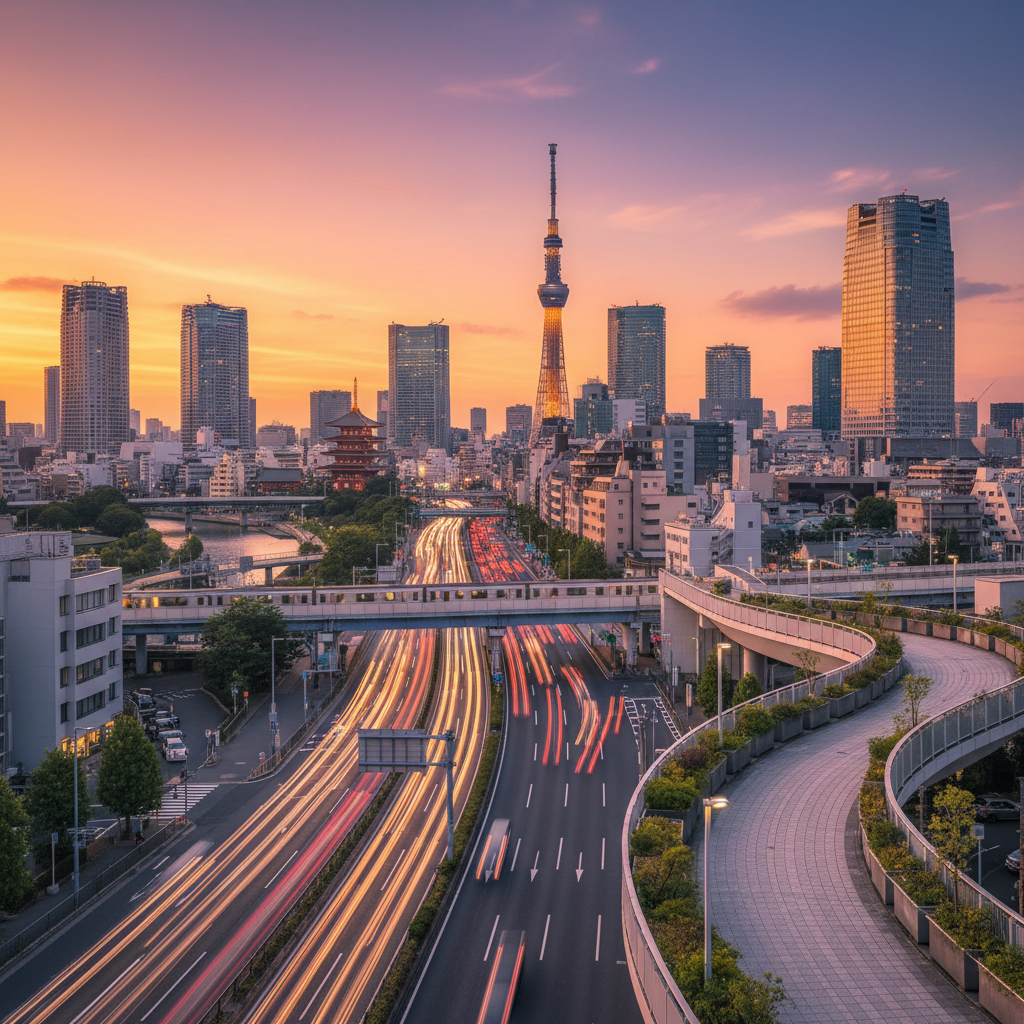
Tokyo on a Dime: 7-Day Budget Travel Guide
Explore Tokyo for 7 days without breaking the bank! This budget-friendly guide uncovers hidden gems, cheap eats, and free attractions for an unforgettable trip.
- Duration: 7 Days
- Estimated Budget: $560–$840
- Best Time to Visit: March-May for cherry blossoms and pleasant weather, or October-November for autumn foliage and cool temperatures.
- Destination: Tokyo, Japan
Tokyo on a budget isn't just possible, it's an adventure waiting to happen. This 7-day itinerary for solo travelers or couples proves that Japan's vibrant capital offers an extraordinary range of free and low-cost experiences that rival paid attractions anywhere in the world, all while keeping your daily spend between $80-120 USD.
The moment you step into the vibrant, narrow alleys of Yanaka Ginza, you'll feel the city's Edo-era charm come alive. This isn't the neon-soaked Tokyo you see in postcards; it's a nostalgic journey where local shopkeepers greet you with a smile, and the scent of freshly baked senbei wafts from traditional storefronts. This area, often overlooked by first-time visitors, offers an authentic glimpse into old Tokyo, making it a perfect anchor for budget-conscious explorers. You can spend hours browsing unique crafts, sampling street food that costs mere yen, and soaking in an atmosphere that feels miles away from the modern bustle, yet is easily accessible.
Is it truly possible to savor the culinary delights of a global food capital without draining your wallet? Absolutely. Forget the myth that delicious Japanese food equals expensive. Tokyo is a paradise for budget gourmands, offering an incredible array of affordable, high-quality meals. From the steaming bowls of ramen found in local joints to the surprisingly gourmet offerings at convenience stores, eating well on a shoestring is not just a possibility, but a delightful reality. You'll discover that some of the most authentic and satisfying flavors come from places where a meal costs less than a fancy coffee back home, proving that culinary adventure doesn't require a lavish budget.
Solo travelers and couples spend their mornings exploring serene gardens and ancient shrines, finding pockets of tranquility amidst the urban energy. You'll find yourself navigating bustling markets, tasting new flavors, and discovering hidden vintage shops more than you expect. The rhythm of Tokyo for budget travelers means embracing public transport, finding joy in simple pleasures like a perfectly crafted onigiri from a 7-Eleven, and seeking out experiences that offer immense cultural value without an entrance fee. It's a journey filled with unexpected discoveries, where every yen saved on an activity frees up funds for another memorable, authentic experience.
Asakusa's Ancient Charms & Ueno's Urban Oasis
Start your Tokyo adventure at Senso-ji Temple, Tokyo's oldest temple, with its iconic Kaminarimon Gate and vibrant Nakamise-dori market leading up to the main hall.
This free cultural landmark offers a fantastic introduction to traditional Japan right in the heart of the city. The bustling approach through Nakamise-dori is an experience in itself.
After exploring Senso-ji, head to Ueno Park, a vast public space home to museums, a zoo, and beautiful gardens.
Ueno Park is a fantastic green escape offering a mix of culture and relaxation, perfect for a budget traveler. It's a great place for people-watching and enjoying Tokyo's urban nature.
Immerse yourself in Japanese art and history at the Tokyo National Museum, located within Ueno Park.
For a modest entrance fee, you gain access to an incredible collection spanning centuries of Japanese culture. It's an unparalleled opportunity to learn about the country's rich heritage without breaking the bank.
Dive into the lively atmosphere of Ameyoko Market, a bustling street market under the train tracks near Ueno Station.
This market is a sensory overload of sights, sounds, and smells, offering everything from fresh seafood to cheap clothes. It's the perfect place to grab affordable street food and soak in local life.
Enjoy an authentic and affordable dinner at one of Ameyoko's many casual eateries or standing sushi bars.
Ameyoko is a treasure trove for budget-friendly meals, offering a wide variety of delicious options. You can find excellent quality food at a fraction of the price of more upscale areas.
Leif's Tip: Get an IC card (Suica or Pasmo) as soon as you arrive at the airport. It will make all your train and subway travel seamless and stress-free, saving you time and the hassle of buying individual tickets. You can even use it at some convenience stores!
Tokyo has countless districts, and knowing which ones offer genuine value without sacrificing experience is the difference between a memorable trip and a budget-busting one. It's not just about finding cheap food; it's about identifying neighborhoods where the entire ecosystem—from accommodation to attractions to dining—aligns with a budget-conscious approach. Many travelers fall into the trap of focusing solely on the 'must-see' areas, only to find themselves paying premium prices for everything. The real challenge is uncovering the city's hidden gems and local favorites that provide rich cultural experiences at a fraction of the cost, and then weaving them into a coherent, enjoyable itinerary. This is precisely where Leif steps in, transforming potential pitfalls into perfect pathways.
When you're standing in Koenji, wondering where to find the best vintage kimono without breaking the bank, Leif has already mapped out the top three thrift stores with the most unique selections and affordable prices. Say you want to experience a traditional Japanese neighborhood feel but you're not sure which areas are authentic versus tourist traps – Leif will guide you to Yanaka, suggesting specific streets for charming local shops and serene temple grounds. You land in Narita, pull up Leif's guide, and within seconds you know the most economical train route to your hostel in Asakusa, complete with platform numbers and estimated travel time, all while avoiding the expensive express lines. Leif is your personal, knowledgeable friend, whispering the best local secrets directly into your ear.
You'll arrive in Tokyo knowing exactly where to find a delicious, steaming bowl of ramen for under 800 yen, or how to spend an entire afternoon exploring a beautiful park without spending a single yen. Instead of feeling overwhelmed by the sheer size and cost of the city, you'll feel empowered, confident in your choices, and excited for every new discovery. The difference is savoring a quiet morning at Nezu Shrine, feeling the ancient stones beneath your feet, rather than battling crowds at a more famous, expensive landmark. Arriving in Tokyo with Leif's meticulously crafted plan already done means your focus remains entirely on experiencing the city's vibrant culture, its unexpected beauty, and its incredible affordability, creating memories that last a lifetime without the financial stress.
Best Time to Visit Tokyo, Japan
Spring (March-May) for cherry blossoms and comfortable temperatures, though it's peak season and can be pricier.
Autumn (September-November) offers beautiful fall foliage, pleasant weather, and fewer crowds than spring.
Winter (December-February) is generally dry and sunny, with crisp air and fewer tourists, making it great for budget travelers.
Avoid Golden Week (late April-early May) and Obon (mid-August) as prices for flights and accommodation soar, and attractions are crowded.
Getting Around Tokyo, Japan
Get an IC card (Suica or Pasmo) immediately upon arrival. It's essential for seamless travel on all trains and subways, saving you time and avoiding single-ticket fumbling.
Walk whenever possible! Tokyo's neighborhoods are incredibly walkable, and you'll discover hidden gems and save on fares.
The JR Pass is NOT worth it for a Tokyo-only trip. Stick to your IC card for all local transport.
Utilize Tokyo's efficient public transport system. Most major attractions are easily accessible by train or subway, and it's much cheaper than taxis.
What to Pack
- Comfortable walking shoes (you'll be doing a lot of walking!)
- Portable power bank (for your phone's maps and translation apps)
- Reusable water bottle (stay hydrated and save money on drinks)
- Small umbrella or light rain jacket (weather can be unpredictable)
- Layers of clothing (temperatures can fluctuate throughout the day)
- A small backpack or tote bag for daily essentials and souvenirs
- Adapter for Japanese outlets (Type A/B, 100V)
- Basic first-aid kit (band-aids for blisters, pain relievers)
Money-Saving Tips
- Embrace convenience stores (7-Eleven, Lawson, FamilyMart) for delicious and affordable meals, snacks, and drinks. Their onigiri and bento boxes are fantastic.
- Seek out standing sushi bars (tachinomi) or conveyor belt sushi (kaiten-zushi) for excellent quality sushi at a fraction of the price of sit-down restaurants.
- Take advantage of free observation decks like the Tokyo Metropolitan Government Building or Bunkyo Civic Center for stunning city views without the cost.
- Stay in hostels or capsule hotels, especially in areas like Asakusa or Ueno. They are clean, safe, and offer great value for money ($25-45/night).
- Look for lunch specials (teishoku) at local restaurants, which often offer complete meals at a lower price than dinner.
Local Insights
- Always carry some cash (yen). While cards are accepted in many places, smaller shops, street vendors, and some restaurants are cash-only.
- Learn a few basic Japanese phrases like 'Arigato gozaimasu' (thank you) and 'Sumimasen' (excuse me/sorry). Locals appreciate the effort.
- Be mindful of local customs: don't eat or drink while walking, avoid loud conversations on public transport, and always queue politely.
- Tipping is not customary in Japan; excellent service is expected and included in the price.
- Many temples and shrines are free to enter, offering a rich cultural experience without spending a yen. Always be respectful of these sacred places.
Frequently Asked Questions
How much does 7 days in Tokyo cost for budget travelers?
For budget-conscious solo travelers or couples, a 7-day trip to Tokyo can realistically cost between $560-$840 USD per person, targeting a daily spend of $80-120 USD. This includes accommodation in hostels or capsule hotels, all meals (mix of convenience stores, casual restaurants, and street food), and extensive use of public transport. This budget does not account for international flights or extensive shopping, but covers daily essentials and activities.
Is Tokyo expensive for budget travelers?
While Tokyo has a reputation for being expensive, it's surprisingly budget-friendly if you know where to look. Accommodation can be found for $25-45/night, delicious meals for 500-800 yen, and many cultural attractions are free or low-cost. By utilizing public transport, eating smart, and choosing free activities, Tokyo can be very affordable, especially compared to major Western cities.
What is the cheapest way to get around Tokyo?
The cheapest and most efficient way to get around Tokyo is by using its extensive public transportation system, primarily trains and subways. Purchase an IC card (Suica or Pasmo) immediately upon arrival; this allows seamless tap-and-go travel without needing to buy individual tickets, often saving you money and always saving time. A JR Pass is generally not worth it for Tokyo-only trips.
Can you eat well in Tokyo on a budget?
Absolutely! Tokyo is a paradise for budget foodies. Convenience stores (7-Eleven, Lawson, FamilyMart) offer high-quality, delicious, and incredibly cheap meals (onigiri, bento boxes, sandwiches) for 300-800 yen. Look for standing sushi bars (tachinomi) or kaiten-zushi (conveyor belt sushi) for excellent and affordable sushi. Local ramen shops, udon eateries, and street food at markets like Ameyoko also provide fantastic value and authentic flavors.
Is a JR Pass worth it for Tokyo only?
No, a Japan Rail Pass is generally not worth it if you are only staying within Tokyo. The cost of a 7-day JR Pass far exceeds the typical amount you'd spend on local JR lines and subways within the city. Stick to an IC card (Suica or Pasmo) for all your transportation needs within Tokyo, as it covers both JR and non-JR lines.
What are some free observation decks in Tokyo?
For breathtaking panoramic views without the cost, head to the Tokyo Metropolitan Government Building in Shinjuku or the Bunkyo Civic Center. Both offer free observation decks that provide stunning vistas of the city skyline, including Mount Fuji on clear days, serving as excellent budget-friendly alternatives to paid towers.
What are the best budget accommodation options in Tokyo?
Tokyo offers excellent budget accommodation. Look for capsule hotels like Book and Bed Tokyo (unique concept) or well-regarded hostels such as Khaosan Tokyo Kabuki or Nui Hostel, especially in areas like Asakusa or Ueno. These options typically range from $25-45/night, are clean, safe, and often provide a great social atmosphere for solo travelers.