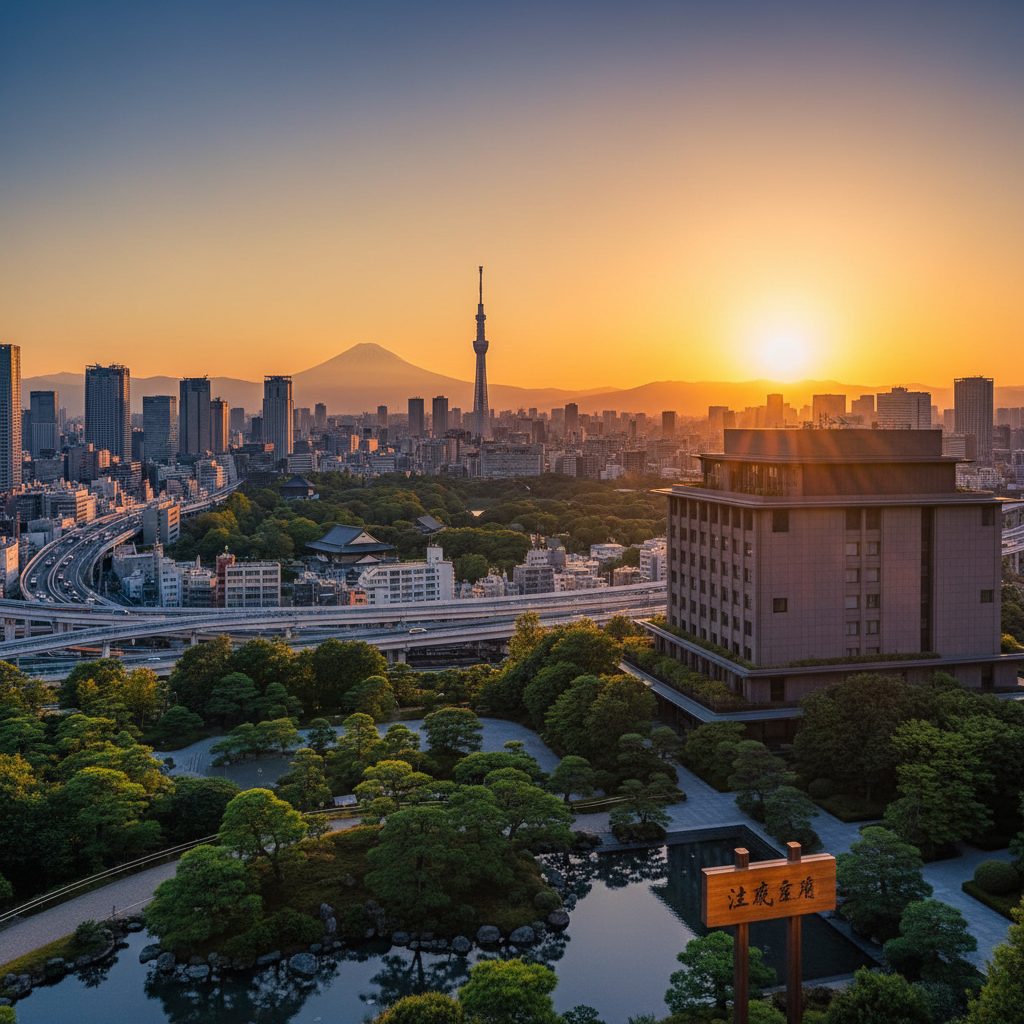
Tokyo 5-Day Luxury Travel Guide: Omakase, Ryokans & Extraordinary Experiences
Experience Tokyo's unparalleled luxury for 5 days. Indulge in Michelin-starred omakase, exquisite ryokan stays, and exclusive private experiences in the world's most refined city.
- Duration: 5 Days
- Estimated Budget: $4,000–$12,500
- Best Time to Visit: March-May (cherry blossoms, mild weather) or October-November (fall foliage, comfortable temperatures)
- Destination: Tokyo, Japan
Tokyo is the undisputed capital of luxury travel, boasting more Michelin stars than any other city and a service culture that sets the global standard. This guide unlocks the highest echelon of Tokyo, from discreet omakase counters to serene urban ryokans, ensuring an experience tailored for the discerning traveler seeking the city's most extraordinary offerings.
Otemachi, the financial heart of the city, rewards travelers who seek tranquility amidst the urban pulse. Here, towering skyscrapers house some of the world's most exclusive sanctuaries, offering breathtaking vistas that transform the city's relentless energy into a serene backdrop. Imagine starting your day with a private yoga session overlooking the Imperial Palace gardens, followed by a bespoke breakfast tailored to your preferences, all before the city truly awakens. This district isn't just about business; it's a testament to how Tokyo seamlessly blends cutting-edge modernity with profound moments of peace, providing a luxurious escape without ever leaving the city's vibrant core. It's an experience designed for those who appreciate understated elegance and unparalleled service, where every detail is meticulously curated for your comfort and privacy.
How do you secure a reservation at Tokyo's most coveted, often 10-seat, culinary temples, many of which don't even have public websites or English-speaking staff? Here's the reality: success hinges on a well-connected concierge or a deep understanding of the local booking etiquette, often requiring reservations months in advance, sometimes even before your flight is booked. These aren't walk-in establishments; they are exclusive experiences where a personal introduction or a trusted intermediary is often the only way in. Knowing which specific establishments prioritize discretion over online presence, and understanding the nuances of Japanese dining culture, is paramount to unlocking these extraordinary gastronomic journeys. It's about more than just a meal; it's about participating in a culinary ritual.
Luxury travelers in Tokyo spend their evenings indulging in multi-course kaiseki dinners that are as much art as cuisine, followed by a private whisky tasting in a hidden bar with an unparalleled selection of rare Japanese spirits. You'll find yourself being chauffeured between discreet gallery openings in Ginza, where contemporary Japanese artists showcase their latest works, and exclusive fashion boutiques in Omotesando, offering personalized styling sessions. The rhythm of Tokyo for the discerning traveler means mornings might involve a private tour of a renowned ceramics studio, learning about centuries-old techniques, while afternoons are reserved for bespoke spa treatments that blend ancient Japanese healing practices with modern luxury. It's a continuous flow of curated, high-touch experiences that elevate every moment.
Arrival in Tokyo: Otemachi Serenity and Ginza's Grandeur
Check into the Aman Tokyo, an architectural masterpiece offering unparalleled views of the Imperial Palace Gardens and the city skyline.
This hotel is a sanctuary of minimalist luxury, providing an immediate sense of calm and sophistication after a long journey. The design, inspired by traditional Japanese residences, offers a truly unique and immersive experience.
Indulge in a rejuvenating 2-hour treatment at the Aman Spa, renowned as the best urban spa in Asia.
After your flight, there's no better way to reset your body and mind than with a bespoke spa experience. Their traditional Japanese treatments and holistic approach will leave you feeling completely refreshed.
Enjoy a pre-dinner cocktail at The Lounge by Aman, located on the 33rd floor, offering spectacular city views.
This is the perfect spot to unwind and soak in the Tokyo skyline as the city lights begin to twinkle. The ambiance is refined and the cocktail menu is expertly crafted.
Experience an exquisite French dining experience at Quintessence, a three-Michelin-starred restaurant in Minamiaoyama.
Chef Shuzo Kishida's 'carte blanche' menu is a culinary journey, focusing on seasonal ingredients and innovative techniques. It's an unforgettable introduction to Tokyo's world-class dining scene.
Take a leisurely stroll through the illuminated streets of Ginza, admiring the luxury brand flagships and vibrant atmosphere.
Ginza is Tokyo's most prestigious shopping district, and seeing its iconic architecture lit up at night is a magical experience. It's a perfect way to digest your meal and immerse yourself in the city's upscale energy.
Leif's Tip: Upon arrival, resist the urge to power through jet lag. Instead, embrace the Aman Spa experience to truly unwind and recalibrate your body. The deep relaxation will set a luxurious tone for your entire trip and help you adjust to the time difference more gracefully.
Tokyo has over 230 Michelin stars, and knowing which of the hundreds of exceptional restaurants truly align with your specific palate and desired ambiance is the difference between a memorable meal and an extraordinary, once-in-a-lifetime culinary journey. It’s not just about booking a table; it’s about understanding the subtle nuances of each chef’s philosophy, the seasonal ingredients they champion, and the specific counter experience that will elevate your evening. Many of the most exclusive establishments operate with a quiet discretion, their reservation books filled months in advance through personal connections or a select few trusted concierges. This intricate web of culinary excellence, combined with the sheer volume of choices and the cultural specifics of dining, can feel overwhelming before you even arrive. This is precisely where Leif shines, transforming potential confusion into effortless discovery.
When you're standing in the lobby of the Peninsula Tokyo, wondering if you should try to squeeze in a last-minute visit to a private art gallery before your omakase dinner at Saito, Leif already has the answer. Say you want to experience a traditional Japanese hot spring, but you're not sure which ryokan offers the perfect blend of serenity, luxury, and proximity for a day trip — Leif provides a meticulously curated option, complete with transport details and booking instructions. You land in Tokyo, pull up Leif, and within seconds you know your private car is waiting, your dinner reservation at Quintessence is confirmed, and a bespoke whisky tasting at a hidden bar in Ginza awaits, all perfectly orchestrated to maximize your enjoyment and minimize any logistical stress. Leif anticipates your desires, offering solutions before you even formulate the question.
You'll arrive in Tokyo knowing exactly which private tea ceremony awaits you in a serene garden, which master artisan will guide your knife-making workshop, and which exclusive boutique holds the perfect, unique souvenir. Instead of navigating complex booking systems or deciphering local customs, you'll glide through your days, immersed in unparalleled luxury and authentic cultural experiences. The difference is feeling completely at ease, every moment flowing seamlessly from one exquisite experience to the next, knowing that every detail has been thoughtfully considered and expertly arranged. Arriving in Tokyo with this level of bespoke preparation already done means your only task is to savor the extraordinary, allowing the city's refined elegance to unfold effortlessly before you.
Best Time to Visit Tokyo, Japan
March to May: Cherry blossom season offers breathtaking beauty and mild weather, perfect for exploring. Book well in advance as this is peak luxury travel season.
October to November: Enjoy comfortable temperatures and stunning autumn foliage, especially in areas like the Imperial Palace East Garden.
Avoid August: Extreme heat and humidity (often exceeding 35°C) can make outdoor activities uncomfortable, and the Obon holiday brings crowds and closures.
Consider early June: Before the full onset of the rainy season, you can still find pleasant weather and slightly fewer crowds than peak spring.
Getting Around Tokyo, Japan
Utilize Tokyo's immaculate subway and train system for efficient travel. Purchase a Suica or Pasmo card upon arrival for seamless tap-and-go access.
For luxury and convenience, taxis are readily available and impeccably clean. Look for green lights indicating availability. Note that fares can add up quickly for longer distances.
Many luxury hotels, like the Aman Tokyo, offer private car services. This is ideal for airport transfers or special evening events, ensuring a smooth and stylish arrival.
Consider hiring a private driver for a full day if you plan to visit multiple, spread-out locations or venture outside the immediate city center for an experience like a sake brewery tour.
What to Pack
- Elegant, comfortable walking shoes for exploring Ginza's boutiques and museum districts.
- Stylish, layered clothing suitable for various indoor and outdoor luxury experiences, from fine dining to garden strolls.
- A high-quality umbrella, especially if traveling during spring or early summer, as sudden showers are common.
- Formal attire (suit, cocktail dress) for Michelin-starred dining experiences and exclusive evening events.
- A portable power bank for your devices, ensuring you can capture every moment and navigate with ease.
- Any necessary prescription medications, as specific brands might be difficult to find.
- A small, chic day bag for essentials, leaving your hands free for shopping or photography.
- An adapter for Japanese electrical outlets (Type A/B, 100V).
Money-Saving Tips
- While this is a luxury trip, consider a bento box lunch from a high-end department store food hall (depachika) for a gourmet experience at a fraction of a restaurant price.
- Instead of multiple private car rides, strategically plan your day to group activities by neighborhood and utilize the efficient public transport for longer distances.
- Look for hotel packages that include breakfast or spa credits, as these can offer significant value compared to paying for services individually.
- If you enjoy sake, consider purchasing bottles directly from a specialty sake shop rather than solely relying on restaurant markups, especially if you find a favorite during a tasting.
Local Insights
- Always carry a small gift (omiyage) when visiting someone's home or a private establishment. A high-quality local sweet or craft item is always appreciated.
- Tipping is not customary in Japan and can even be considered rude. Exceptional service is simply part of the culture.
- Punctuality is highly valued. Arrive on time, or even a few minutes early, for all reservations, especially for omakase and private experiences.
- Learn a few basic Japanese phrases like 'Arigato gozaimasu' (thank you), 'Sumimasen' (excuse me/I'm sorry), and 'Konnichiwa' (hello) – it shows respect and is always appreciated.
- When dining, wait to be seated and avoid speaking loudly. It's considered polite to finish all the food on your plate, especially at high-end establishments.
Frequently Asked Questions
What is the best way to secure reservations at Michelin-starred restaurants in Tokyo?
For Tokyo's most exclusive Michelin-starred restaurants, especially omakase sushi counters, booking 2-3 months in advance through your luxury hotel concierge is essential. Many do not accept direct international bookings or even local phone calls from unknown numbers. A well-connected concierge is your best asset for these highly sought-after experiences.
Are there any private cultural experiences available that are not widely advertised?
Absolutely. Tokyo offers highly exclusive private cultural experiences. Consider a private tea ceremony at the Urasenke school, a calligraphy lesson with a master artist in Asakusa, or a bespoke knife-making workshop in Kappabashi. These require advance booking, often through specialized luxury travel agencies or your hotel concierge, and provide unparalleled insight into Japanese craftsmanship and tradition.
Which luxury hotels offer the best spa experiences in Tokyo?
The Aman Spa at Aman Tokyo is widely regarded as the best urban spa in Asia, offering exceptional treatments and facilities. The Peninsula Spa at The Peninsula Tokyo also provides a luxurious and serene experience with a range of holistic therapies. Both offer an oasis of calm amidst the city's energy.
Is it worth taking a day trip to Kyoto for a private sake brewery tour?
For a true connoisseur, a private sake brewery tour in Fushimi, Kyoto, is an exceptional day trip. It offers an exclusive, in-depth look at traditional sake production, often including tastings of rare and limited-edition brews not available elsewhere. While a full day, the experience provides unique insights into Japan's revered beverage culture.
What is the best way to experience luxury shopping in Tokyo?
For luxury shopping, focus on Ginza and Omotesando. Ginza hosts flagship stores for global luxury brands like Hermès and Chanel, alongside high-end Japanese designers. Omotesando is known for its architectural marvels housing brands like Prada and Louis Vuitton. Consider hiring a personal shopper for a curated experience tailored to your preferences.
How does Hoshinoya Tokyo differ from other luxury hotels?
Hoshinoya Tokyo offers a unique 'urban ryokan' experience, blending traditional Japanese inn hospitality with modern luxury within a skyscraper. Guests wear kimonos, enjoy communal onsen baths, and experience refined Japanese cuisine and service in a contemporary setting. It's a distinct alternative to more Western-style luxury hotels, providing a deep dive into Japanese culture.
What is the ideal time of year for a luxury trip to Tokyo?
The ideal times are March-May for cherry blossoms and mild weather, or October-November for stunning fall foliage and comfortable temperatures. These seasons offer the most pleasant conditions for exploring the city and enjoying outdoor activities. Avoid August due to extreme heat, humidity, and potential holiday crowds.