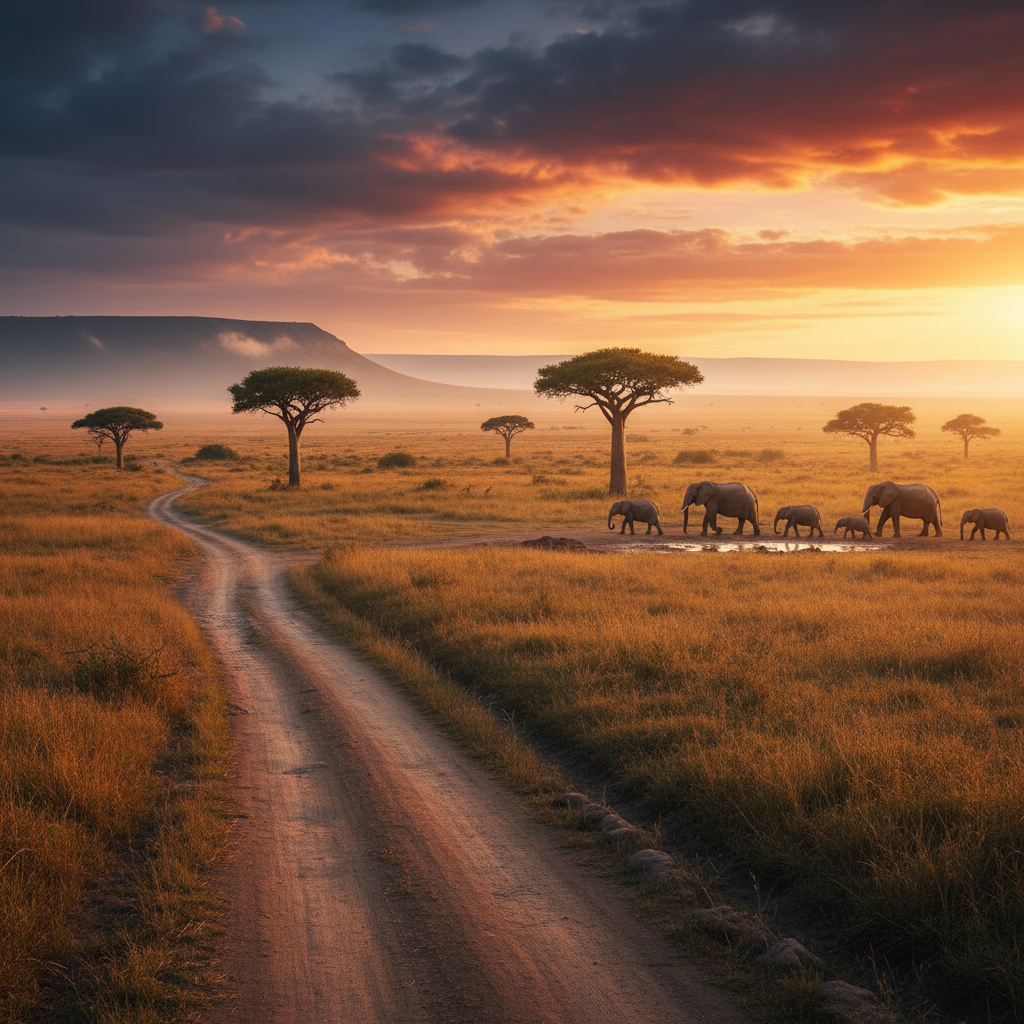
Tanzania Budget Safari: 7-Day Serengeti, Ngorongoro & Tarangire for $150-250/Day
Uncover how to experience Tanzania's iconic Serengeti, Ngorongoro, and Tarangire on a 7-day budget safari for just $150-250/day. Your dream safari is within reach!
- Duration: 7 Days
- Estimated Budget: $1,050–$1,750
- Best Time to Visit: June or November (shoulder seasons for lower prices, excellent wildlife); July-October (Great Migration, higher prices).
- Destination: Tanzania Safari Circuit
Can you really see the Serengeti, Ngorongoro, and Tarangire without spending a fortune? Absolutely. This guide unlocks the secrets to a truly unforgettable 7-day Tanzania safari, proving that world-class wildlife encounters are accessible on a budget of $150-250 per day.
The plains of Ndutu, stretching out endlessly under a vast African sky, transform into a living theater during the calving season. Here, hundreds of thousands of wildebeest gather, giving birth to their young, attracting predators like lions and hyenas in a dramatic cycle of life and death. It's a raw, visceral experience that budget travelers can witness from a comfortable, yet affordable, mobile tented camp. The air hums with the sounds of the wild, and every sunrise paints the landscape in hues that defy description, offering an intimate connection to nature that money can't truly buy. This region, often overlooked by those rushing to the more famous areas, offers unparalleled photographic opportunities and a sense of genuine discovery.
Is it truly possible to experience the magic of a Tanzanian safari without breaking the bank? The reality is a resounding yes, especially if you're willing to embrace a slightly different travel style. Instead of luxury lodges with private plunge pools, you'll find yourself in comfortable tented camps or even public campsites, sharing communal spaces and stories with fellow adventurers. The wildlife viewing remains identical; the animals don't distinguish between a five-star suite and a sturdy tent. Your budget safari means prioritizing the core experience—the game drives, the incredible landscapes, and the unforgettable animal encounters—over opulent amenities. It's about smart choices that maximize your exposure to the wild heart of Africa.
Your days on a budget safari often begin before dawn, the crisp morning air carrying the distant calls of wildlife. You'll find yourself bundled in a safari vehicle, heading out for an early game drive across the golden grasslands of the Serengeti or the ancient baobab forests of Tarangire. Mid-morning might involve a picnic breakfast amidst the bush, surrounded by zebras grazing peacefully, a moment of pure tranquility. Afternoons are spent tracking elusive leopards in the Seronera River Valley or observing massive elephant herds near the Silale Swamp. Evenings culminate around a campfire, sharing stories under a canopy of a million stars, a truly immersive experience that connects you deeply with the rhythm of the African wilderness.
Welcome to Arusha: Safari Capital Prep & Local Flavors
Arrive at Kilimanjaro International Airport (JRO) and take a pre-arranged shuttle or taxi to your accommodation in Arusha.
This is your gateway to the Northern Circuit safari. Getting settled quickly allows you to relax and prepare for the adventure ahead.
Visit the Arusha Central Market to soak in the local atmosphere, see fresh produce, and get a feel for Tanzanian daily life.
It's a vibrant, bustling hub where you can experience authentic local culture away from tourist traps. You'll see everything from spices to crafts.
Enjoy a delicious and affordable dinner at Khan's Barbecue, a legendary Arusha institution known for its grilled meats.
This is where locals go for fantastic, inexpensive food. Their mishkaki (meat skewers) and chicken are marinated to perfection.
Have a pre-safari briefing with your tour operator, usually held at your guesthouse or their office.
This is crucial for understanding the itinerary, meeting your guide, and asking any last-minute questions about the safari logistics, packing, and safety.
Repack your safari bag, ensuring you have only essentials for the safari days to come, and get a good night's rest.
Efficient packing will make your safari experience much smoother, as space in safari vehicles is often limited. A good night's sleep is essential for early morning game drives.
Leif's Tip: Upon arrival, make sure to exchange some USD into Tanzanian Shillings for small purchases and tips. While USD is widely accepted, having local currency for market visits or smaller vendors is always helpful and often gets you a better price. Don't forget to confirm your safari pick-up time and location for tomorrow!
The sheer logistics of planning a Tanzanian safari, especially when aiming for a specific budget, can feel like navigating a dense thicket without a map. Between deciphering park fees, understanding the nuances of different accommodation types—from public campsites to budget tented camps—and trying to piece together a coherent itinerary that maximizes wildlife viewing while minimizing transit time, it's easy to get bogged down. Then there's the challenge of vetting safari operators, distinguishing between genuine value and false economies, and ensuring you're not sacrificing safety or ethical practices for a lower price point. The sheer volume of information online can be overwhelming, leading to analysis paralysis rather than excitement. This is precisely where Leif steps in, transforming that thicket of decisions into a clear, navigable path tailored just for you.
The challenge with a Tanzania budget circuit isn't finding the parks — it's sequencing Tarangire, the Crater, and the Serengeti in an order that minimizes transfer costs without sacrificing prime game-viewing windows. When you pull up Leif, you'll find a meticulously crafted daily schedule that not only optimizes your time in each park but also suggests the most cost-effective yet comfortable transport options between locations. Leif doesn't just tell you to go to Serengeti Kati Kati Tented Camp; it explains *why* it's the best budget-friendly choice for its central location and excellent value, ensuring you're positioned for prime wildlife viewing without the luxury price tag. It's like having a seasoned safari guide whispering insider tips directly into your ear, anticipating your questions before you even ask them, and laying out a clear, actionable plan.
Instead of arriving in Arusha with a knot of anxiety about what comes next, you'll step off your flight knowing exactly where you're going, who's picking you up, and what your first game drive will entail. The difference is arriving with the quiet confidence that every detail has been considered, every dollar accounted for, and every experience optimized for your budget and interests. You'll be able to fully immerse yourself in the vast, untamed beauty of the African bush, tracking a lion pride in the Seronera Valley or marveling at the sheer scale of the Ngorongoro Crater, without a single logistical worry clouding your view. Arriving in Tanzania with a Leif-planned itinerary means your only job is to soak in the magic and create unforgettable memories, leaving the complexities of planning far behind.
Best Time to Visit Tanzania Safari Circuit
Shoulder seasons (June or November) offer the best value, with prices 20-30% lower than peak season and excellent wildlife viewing.
The dry season (June to October) is generally considered prime for wildlife viewing as animals congregate around water sources, making them easier to spot.
For the Great Migration's dramatic river crossings, aim for July to October in the northern Serengeti, but be prepared for higher prices and earlier bookings.
Avoid the heavy rainy season (March to May) if possible, as some roads can become impassable and wildlife viewing can be more challenging.
Consider visiting in January or February for calving season in the southern Serengeti, a truly special experience with many young animals and predator action.
Getting Around Tanzania Safari Circuit
For the Northern Circuit, fly into Kilimanjaro International Airport (JRO) and arrange a transfer to Arusha, the safari hub.
Your safari package will include a 4x4 safari vehicle and a driver-guide for all park transfers and game drives; ensure it's a reliable vehicle.
In Arusha, use reputable taxi services or ride-sharing apps like Bolt for short distances; negotiate fares beforehand if not metered.
If joining a group tour, confirm the pick-up and drop-off points in Arusha are convenient for your accommodation.
Be prepared for long drives between parks; bring snacks, water, and entertainment for the journey.
What to Pack
- Lightweight, breathable clothing in neutral colors (khaki, olive, brown) to blend in and avoid attracting insects.
- Long-sleeved shirts and trousers for sun protection and mosquito prevention, especially in the evenings.
- A wide-brimmed hat, sunglasses, and high-SPF sunscreen are essential for protection from the strong equatorial sun.
- Comfortable walking shoes or hiking boots, especially if you plan any walking safaris or cultural visits.
- Binoculars (8x42 or 10x42 are ideal) to enhance your wildlife viewing experience; don't rely solely on your guide's.
- A good quality camera with a zoom lens to capture those incredible wildlife moments.
- Insect repellent with DEET, particularly for evenings and early mornings.
- A small daypack for water, snacks, camera, and other essentials during game drives.
Money-Saving Tips
- Opt for a group tour (Option 1) for the absolute lowest cost, sharing vehicle and guide expenses with fellow travelers.
- Choose public campsites for accommodation within the parks; they offer incredible locations at a fraction of the lodge price.
- Book your safari during the shoulder season (June or November) to benefit from lower rates on tours and accommodation.
- Eat at local markets and smaller eateries in Arusha before and after your safari to save significantly on food costs.
- Bring all necessary personal items from home (toiletries, medications) to avoid expensive purchases in tourist areas.
Local Insights
- Learn a few basic Swahili phrases like 'Jambo' (Hello), 'Asante' (Thank you), and 'Hakuna Matata' (No worries) – locals appreciate the effort.
- Tipping is customary and important; budget $10-15/day for your driver-guide and $5/day for camp staff in USD cash.
- Always ask for permission before taking photos of local people, especially children, and be respectful of their privacy.
- Stay hydrated by drinking plenty of bottled water; tap water is generally not safe for consumption.
- Embrace the 'pole pole' (slowly slowly) pace of life; things may not always run on a strict schedule, so be patient and enjoy the journey.
Frequently Asked Questions
What's the best time of year to go for a budget safari?
The shoulder seasons, specifically June and November, offer the best value. Prices for tours and accommodations drop by 20-30%, and the wildlife viewing is still excellent. You avoid the peak season crowds and costs, while still enjoying fantastic weather and active animal populations.
Do I need to bring my own camping gear for a budget camping safari?
Generally, no. Most budget safari operators offering camping safaris will provide all necessary camping equipment, including tents, sleeping bags, and mattresses. It's always best to confirm this with your chosen operator before booking, but it's rarely a requirement to bring your own.
How can I save money on flights to Tanzania?
Consider flying into Julius Nyerere International Airport (DAR) in Dar es Salaam instead of Kilimanjaro International Airport (JRO). Flights to DAR are often cheaper, and you can then take a domestic flight to Arusha or a comfortable overnight bus, which adds to the adventure and saves money.
Is it safe to join a group safari with strangers?
Yes, reputable budget safari operators carefully vet their guides and ensure safe travel. Sharing a vehicle with other travelers is a common and safe way to reduce costs. Always read recent TripAdvisor reviews and choose operators with a strong track record for safety and customer satisfaction.
What about tipping on a budget safari?
Tipping is customary and an important part of the local economy. A good guideline is $10-15 per day for your driver-guide and $5 per day for camp staff. Bring crisp USD bills in small denominations for easier distribution.
Can I still see the Great Migration on a budget safari?
Absolutely! While luxury camps in the northern Serengeti during migration season (July-October) are expensive, budget-friendly mobile camps or public campsites in the area still offer incredible access. Book well in advance, as these spots fill up quickly due to their affordability and prime location.
What's the food like on a budget safari?
Meals on budget safaris are typically wholesome and hearty, often prepared by a dedicated safari cook accompanying your group. Expect a mix of local and international dishes, with fresh fruits, vegetables, and plenty of protein. Dietary restrictions can usually be accommodated if communicated in advance.