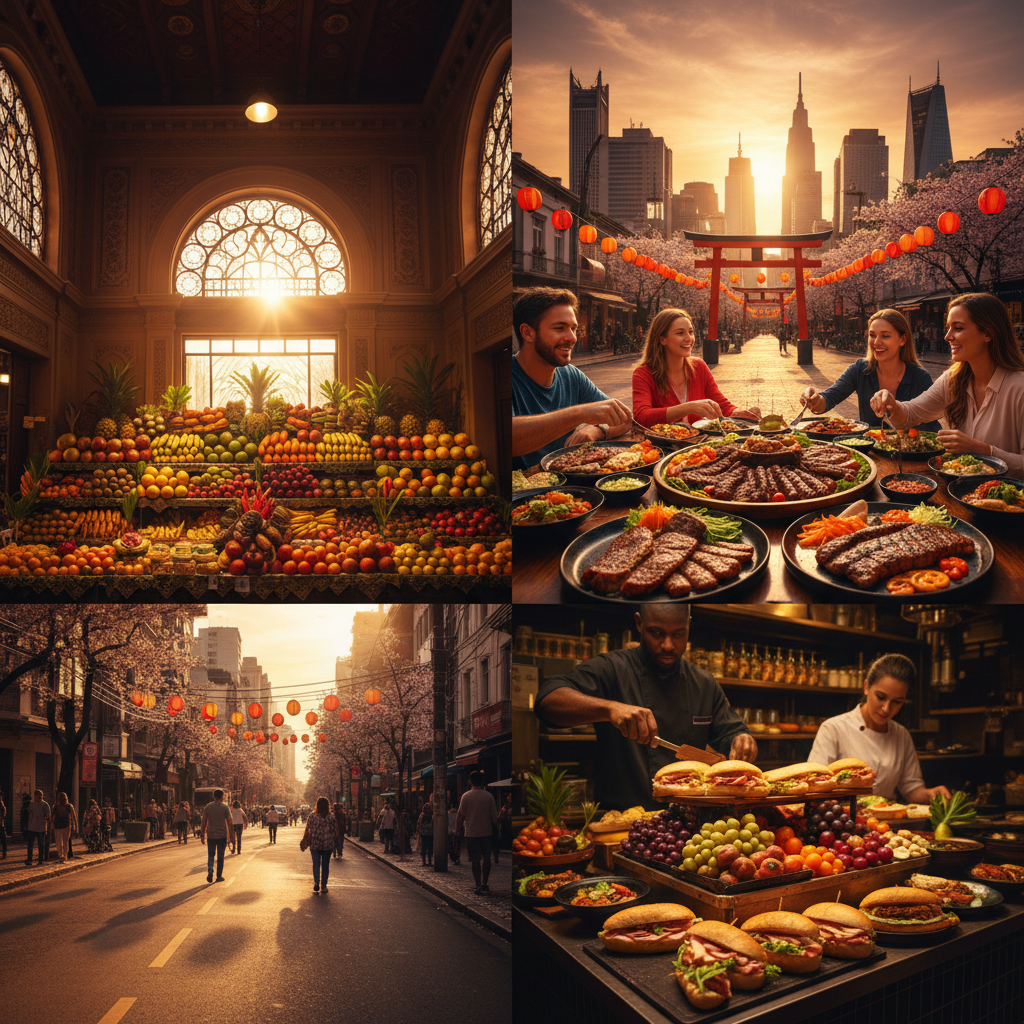
São Paulo Food & Culture: 4-Day Culinary Deep Dive
Uncover São Paulo's extraordinary food scene in 4 days. From Mercadão to Japanese-Brazilian fusion, this guide is your passport to Latin America's culinary capital.
- Duration: 4 Days
- Estimated Budget: $1,200–$2,500
- Best Time to Visit: April-May and September-October for pleasant weather and fewer crowds.
- Destination: São Paulo, Brazil
São Paulo's food identity is a vibrant tapestry woven from its incredible immigrant communities. This isn't just a city with great restaurants; it's a living culinary museum where Japanese-Brazilian omakase sits alongside world-class Italian pizza and Amazonian-inspired tasting menus. --- **Looking for the full architecture cities argument?** Read Every City Has Buildings. These Six Have Arguments. — the post that explains why these specific cities were chosen and what each one's architectural argument means for how you travel.
The bustling Centro Histórico is where São Paulo's past and present collide in a delicious explosion of flavors. Imagine starting your day not just with coffee, but with a perfectly golden, warm cheese bread from a traditional bakery, its aroma mingling with the sounds of the waking city. This vibrant core, with its grand architecture and hidden culinary gems, offers a direct portal into the city's soul. It's a place where every corner turned reveals a new gastronomic delight, from quick street eats to more refined, century-old establishments, showcasing the depth of its culinary heritage. You're not just observing; you're immersing yourself in the daily ritual of Paulistanos who live and breathe this food culture, making it an essential starting point for any culinary exploration.
How do you navigate a metropolis of this scale to find its truly authentic culinary heart? São Paulo's sheer size and diverse offerings can be overwhelming, making it difficult to discern tourist traps from genuine local treasures. The challenge isn't just finding a good restaurant, but understanding the specific cultural nuances that make each dish, each neighborhood, and each dining experience unique. It's about knowing which markets offer the freshest produce, which hidden spots serve the most traditional fare, and how to access the exclusive dining experiences that define the city's high-end gastronomy. Without a clear path, you might miss the very experiences that define São Paulo's unparalleled food scene, leaving you with a generic taste of a truly extraordinary city.
Food enthusiasts spend their evenings exploring the vibrant street food scene that comes alive after dark. Imagine wandering through a lively district, the air thick with the scent of grilling meats and exotic spices, discovering pop-up stalls offering everything from savory pastries to sweet, tropical fruit concoctions. You'll find yourself drawn into conversations with local vendors, learning about the origins of their family recipes passed down through generations. This isn't just about eating; it's about connecting with the city's heartbeat, experiencing its dynamic energy, and discovering the unexpected culinary delights that emerge once the sun sets. Each bite tells a story, making every evening a new adventure for your palate.
Mercadão Marvels & Liberdade's Lively Lanes
Start your culinary adventure with breakfast at Padaria Bella Paulista, a legendary 24-hour bakery.
This is where Paulistanos go for the best pão de queijo and café com leite in the city. It's an authentic, bustling experience that sets the tone for São Paulo's vibrant food scene.
Immerse yourself in the sensory overload of Mercadão, São Paulo's Municipal Market.
This historic market is an architectural gem and a paradise for food lovers, offering an incredible array of fresh produce, spices, and local delicacies. It's the heart of São Paulo's food culture.
Grab the iconic mortadella sandwich for lunch at Hocca Bar inside Mercadão.
This is the most famous street food experience in São Paulo, a towering sandwich packed with mortadella that's a rite of passage for any visitor. The flavors are bold and unforgettable.
Explore the vibrant neighborhood of Liberdade, the largest Japanese community outside Japan.
Wander through streets adorned with red arches and paper lanterns, discovering a unique blend of Japanese and Brazilian culture. It's a fascinating cultural immersion right in the heart of São Paulo.
Indulge in some authentic Japanese street food snacks and explore the shops in Liberdade.
This is your chance to taste genuinely delicious and affordable Japanese snacks that rival those found in Japan itself. The shops offer unique imported goods and souvenirs.
Leif's Tip: Wear comfortable shoes! You'll be doing a lot of walking, especially at Mercadão and in Liberdade. Also, bring a reusable bag for any market finds and be prepared for sensory overload – it's all part of the fun!
São Paulo has an astounding array of culinary experiences, and knowing how to navigate its sprawling urban landscape to find the true gems is the difference between a good trip and an unforgettable one. The city's sheer size, combined with the nuances of its diverse immigrant cuisines, can make planning feel like an overwhelming task. How do you find that perfect, unassuming Japanese-Brazilian spot that only locals know, or distinguish between a touristy churrascaria and one that offers an authentic, high-quality rodízio experience? Between deciphering menus in Portuguese, understanding local customs, and ensuring you're visiting the most impactful food markets on the right days, the details can quickly become daunting. This is precisely where Leif steps in, transforming potential confusion into a seamless, delicious adventure tailored just for you.
When you're standing on a bustling street corner in the heart of the city, perhaps near the historic Viaduto do Chá, wondering where to find the most authentic pastel de feira that day, Leif has already anticipated your craving. You won't be scrolling endlessly through reviews or wandering aimlessly. Instead, your personalized itinerary will guide you directly to a specific vendor known for their perfectly crisp, savory pastries, perhaps a small, family-run stall that's been a local favorite for decades. Leif doesn't just tell you to 'try street food'; it points you to the exact spot, explains what makes that particular vendor special, and even offers a suggestion for the best filling to try. This precision ensures you're not just eating, but truly experiencing the city's culinary soul, making every meal a discovery rather than a gamble.
You'll arrive in São Paulo with the confidence of a seasoned local, ready to dive headfirst into its unparalleled food scene. Instead of worrying about logistics or missing out on hidden culinary treasures, you'll be savoring every moment, from the first bite of a perfectly grilled picanha to the delicate flavors of an omakase meal. The difference is feeling completely at ease, knowing that every recommendation, every reservation, and every piece of advice has been meticulously curated for your specific tastes. This preparation means you can fully immerse yourself in the vibrant energy of the city, connect with its diverse cultures through its food, and create memories that are as rich and complex as São Paulo's own culinary tapestry. Get ready to taste the world, one incredible bite at a time.
Best Time to Visit São Paulo, Brazil
April to June and September to November offer pleasant temperatures and less rain, perfect for exploring markets and street food.
Avoid the peak summer months of December to February, as it can be very hot and humid, making outdoor feiras less enjoyable.
Consider visiting during a food festival or culinary event for an even deeper dive into São Paulo's gastronomic scene.
Weekends are ideal for experiencing the vibrant street markets like Liberdade and Benedito Calixto, but be prepared for crowds.
Mid-week visits to popular restaurants like D.O.M. or Kinoshita might offer slightly better reservation availability.
Getting Around São Paulo, Brazil
Utilize the São Paulo Metro system for efficient and safe travel between neighborhoods, especially for accessing Liberdade and the Historic Centre.
For longer distances or late-night returns, ride-sharing apps like Uber and 99 are widely available and generally affordable.
Walking is a fantastic way to explore specific neighborhoods like Vila Madalena or Pinheiros, allowing you to stumble upon hidden gems.
Be mindful of traffic, particularly during rush hour; plan your travel times to avoid getting stuck.
Consider purchasing a 'Bilhete Único' card for seamless integration across the metro and bus network if you plan on extensive public transport use.
What to Pack
- Comfortable walking shoes, as you'll be on your feet exploring markets and neighborhoods.
- Lightweight, breathable clothing suitable for warm and humid conditions.
- A light jacket or sweater for cooler evenings or air-conditioned restaurants.
- An umbrella or light rain jacket, as São Paulo can experience sudden downpours.
- A reusable water bottle to stay hydrated while exploring.
- A small daypack for market purchases and personal items.
- Sunscreen and a hat, especially for outdoor market visits.
- A portable power bank for your phone, as you'll be using it for navigation and photos.
Money-Saving Tips
- Embrace street food and market stalls for delicious and budget-friendly meals; the mortadella sandwich at Mercadão is a must-try.
- Look for 'prato feito' (set meal) options at lunch, which offer a complete meal at a lower price point.
- Many high-end restaurants offer more affordable lunch menus compared to their dinner prices; check their websites.
- Take advantage of happy hour specials at bars and restaurants, often including discounted drinks and appetizers.
- Utilize public transportation rather than relying solely on ride-sharing, especially for shorter distances.
Local Insights
- Brazilians often eat lunch as their main meal, so many restaurants offer extensive and delicious lunch options.
- Tipping is customary but not mandatory; a 10% service charge is often included in the bill ('serviço').
- Don't be afraid to try new things! São Paulo's culinary diversity is its greatest strength.
- Learn a few basic Portuguese phrases like 'obrigado/a' (thank you) and 'por favor' (please); locals appreciate the effort.
- Be prepared for a lively atmosphere, especially at popular markets and restaurants; São Paulo is a city that embraces its food with passion.
Frequently Asked Questions
What's the best way to get around São Paulo for a food-focused trip?
For a food-focused trip, a combination of ride-sharing apps (like Uber or 99) and the metro is ideal. The metro is efficient for covering longer distances between neighborhoods, while ride-sharing offers convenience for door-to-door service, especially after a meal with a few caipirinhas. Avoid driving yourself; traffic can be intense.
Is São Paulo safe for tourists, especially when exploring food markets and street food?
São Paulo is generally safe, but like any large city, it requires awareness. When exploring markets or street food, keep an eye on your belongings, avoid flashing expensive items, and try to blend in. Stick to well-populated areas, especially at night. Trust your instincts; if a situation feels off, move on.
How much should I budget for meals at the recommended restaurants and markets?
For a high-end experience like D.O.M. or Kinoshita, expect to pay upwards of 400 BRL per person for a tasting menu. A rodízio at Fogo de Chão or Barbacoa will be around 120-150 BRL. Street food and market eats are much more affordable, typically ranging from 10-50 BRL per item. Factor in drinks and service charges.
Do I need to make reservations for all restaurants, or can I walk in?
For highly sought-after restaurants like D.O.M. and Kinoshita, reservations are absolutely essential, often weeks in advance. For popular pizzerias or rodízios, especially on weekends, reservations are highly recommended to avoid long waits. Casual spots and street food vendors generally don't require bookings.
What are some essential Portuguese phrases for ordering food in São Paulo?
Learning a few phrases will greatly enhance your experience. 'Por favor' (please), 'Obrigado/a' (thank you), 'Quanto custa?' (how much?), 'A conta, por favor' (the check, please), and 'Sem pimenta, por favor' (no pepper, please) are very useful. Most restaurant staff in tourist areas will understand some English, but attempting Portuguese is always appreciated.
Are there vegetarian or vegan options available in São Paulo's diverse food scene?
Yes, São Paulo is increasingly vegetarian and vegan-friendly. While traditional Brazilian cuisine is meat-heavy, the city's diverse culinary landscape means you'll find options. Japanese restaurants often have excellent vegetarian sushi, and many Italian places offer meat-free pasta and pizza. Look for 'restaurantes vegetarianos' or 'veganos' for dedicated establishments.
What's the best way to experience the local coffee culture beyond just a quick cup?
To truly experience the coffee culture, seek out specialty coffee shops (cafeterias de café especial) that focus on Brazilian single-origin beans. Many offer tasting flights or pour-over demonstrations. Engage with the baristas; they are passionate about their craft and can guide you through the nuances of different roasts and brewing methods. It's a sensory journey beyond just a caffeine fix.