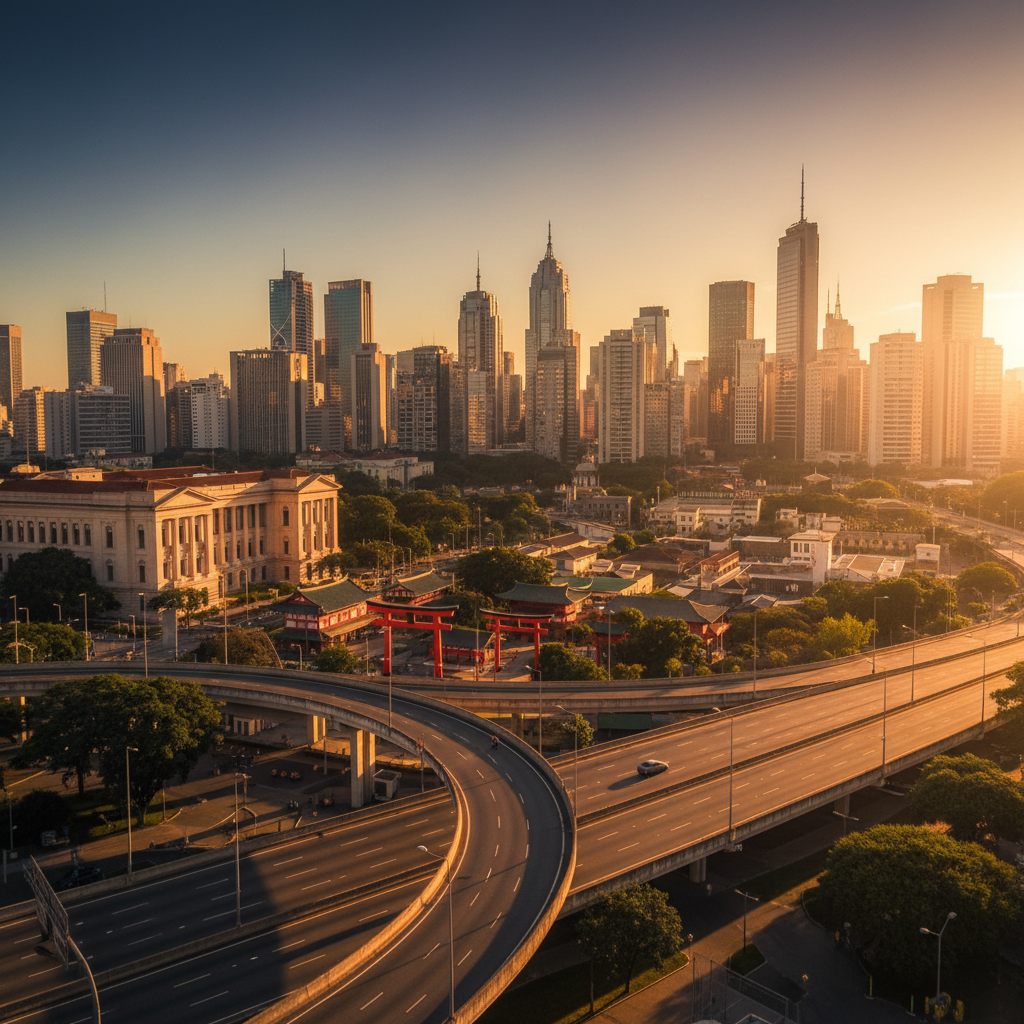
São Paulo on a Budget: 4-Day Guide to Free Art, Street Eats & Culture for €50/Day
Experience São Paulo like a local on a budget! This 4-day guide uncovers free museums, delicious street food, and vibrant neighborhoods, all for around €50 a day.
- Duration: 4 Days
- Estimated Budget: $200–$220
- Best Time to Visit: April-May and September-October for pleasant weather and fewer crowds.
- Destination: São Paulo, Brazil
São Paulo, a city often perceived as pricey, reveals its true, vibrant self to the budget traveler willing to explore beyond the obvious. This guide unlocks the largest city in South America for around €50 a day, proving that world-class art, incredible food, and rich cultural experiences are accessible without breaking the bank. --- **Looking for the full architecture cities argument?** Read Every City Has Buildings. These Six Have Arguments. — the post that explains why these specific cities were chosen and what each one's architectural argument means for how you travel.
The moment you step into the bustling atmosphere around Praça da Sé, you'll feel the pulse of a city that never sleeps, yet offers countless hidden corners for discovery. This historic downtown area, with its grand cathedral and surrounding colonial architecture, serves as a free, open-air museum of Brazilian history and urban life. You can spend hours simply wandering, observing the diverse crowds, street performers, and vendors, soaking in the raw energy that defines this metropolis. It's a place where every turn reveals a new story, a new scent, a new sound, all contributing to an unforgettable, low-cost exploration of the city's foundations. The sheer scale and vibrancy here are a testament to its dynamic spirit, easily enjoyed without spending a cent beyond your transport.
Is it truly possible to experience the best of this sprawling South American hub on a tight budget? Absolutely. Many travelers assume its reputation for high-end dining and luxury shopping means it's out of reach for budget-conscious explorers, but that couldn't be further from the truth. The city is rich with free cultural institutions, expansive green spaces, and incredibly affordable, authentic culinary experiences if you know where to look. The key is to embrace public transport, seek out local markets for meals, and prioritize the many no-cost attractions. With a bit of insider knowledge, you'll find that the city generously opens its arms to those who want to delve deep without emptying their wallets, offering a genuine taste of its diverse offerings.
You'll find yourself navigating the city's efficient metro system more than you expect, zipping between distinct neighborhoods, each feeling like a city within a city. One morning might see you exploring the vibrant street art in a bohemian quarter, admiring murals that tell compelling stories, before heading to a sprawling urban park for a picnic lunch sourced from a local bakery. Afternoons could be spent wandering through a historic market, sampling exotic fruits and local delicacies, or perhaps losing yourself in a free art exhibition. Evenings often involve enjoying live music in a casual bar or indulging in incredibly affordable, hearty meals from a street vendor. This rhythm of discovery, fueled by local flavors and cultural immersion, defines the budget traveler's journey here.
Japanese Flavors & Artful Discoveries in Liberdade
Start your day exploring the vibrant Liberdade neighborhood, the largest Japanese community outside of Japan, known for its unique East Asian atmosphere.
This neighborhood offers a fascinating cultural immersion with its distinct architecture, street markets, and a strong sense of community. It's a truly unique corner of São Paulo that feels a world away.
Wander through the Mercado Municipal de São Paulo, a historic market building famous for its stained-glass windows and incredible array of fresh produce and gourmet foods.
It's a feast for the senses, showcasing the incredible diversity of Brazilian ingredients and offering a lively, authentic local experience. You'll see exotic fruits and local delicacies you won't find anywhere else.
Indulge in a classic São Paulo experience with a massive mortadella sandwich at one of the Mercadão's famous eateries.
This iconic sandwich is an absolute must-try when in São Paulo, offering an explosion of flavor and a truly satisfying meal. It's an authentic taste of the city's culinary heritage.
Visit the Pinacoteca do Estado de São Paulo, one of Brazil's most important art museums, housed in a beautiful 19th-century building.
This museum boasts an exceptional collection of Brazilian art, particularly from the 19th and 20th centuries, including significant works by modernist masters. It's a fantastic way to delve into Brazilian culture and history through art.
Take a leisurely stroll through the Jardim da Luz, the oldest public park in São Paulo, located right next to the Pinacoteca.
It's a peaceful oasis in the bustling city, offering beautiful landscaping, sculptures, and a chance to relax after a day of exploring. It's a lovely spot for people-watching and enjoying the late afternoon sun.
Leif's Tip: Purchase a 'Bilhete Único' (single ticket) for public transport as soon as you arrive. This rechargeable card works on buses, metro, and trains, and will save you money and hassle compared to buying individual tickets for each ride throughout your trip.
São Paulo has over 30 distinct sub-districts, and knowing which ones offer the best value for your budget, the safest routes, and the most authentic experiences is the difference between a frustrating trip and an unforgettable adventure. The sheer scale of the city, combined with its diverse cultural offerings and the language barrier, can make planning feel like an insurmountable task before you even pack your bags. You might wonder if you're choosing a hostel in a convenient yet safe location, or if that incredible-sounding street food stall is actually reputable. This is where most travelers get stuck, overwhelmed by the sheer volume of choices and the fear of missing out on genuine local gems while sticking to a tight budget. Leif steps in to cut through that noise, translating the city's complex rhythm into a clear, actionable plan tailored specifically for your budget-conscious exploration.
Say you're standing near the bustling stalls of a local street market, wondering which exotic fruit is safe to try or where to find the best pastel de feira without getting overcharged. Leif already has you covered. Your personalized itinerary will point you to the most authentic vendors, even suggesting which specific pastries to seek out and how much you should expect to pay, ensuring you get a true taste of the city without any guesswork. Or perhaps you're debating whether to splurge on that iconic rodízio experience. Leif will have already identified the best mid-range churrascarias that offer an incredible value for your budget, complete with directions and even a suggestion for the best time to go to avoid the biggest crowds. You land in this vibrant South American capital, pull up Leif, and within seconds you know exactly where to go, what to eat, and how to make every euro count.
Instead of feeling lost in translation or worried about overspending, you'll find yourself confidently navigating the city's vibrant avenues and hidden alleyways, armed with local insights. The difference is feeling the genuine warmth of a Paulista greeting, knowing you're about to enjoy a delicious, affordable meal at a spot only locals frequent, or discovering a breathtaking piece of street art completely off the typical tourist path. You'll arrive in this dynamic city knowing exactly how to unlock its budget-friendly wonders, from the aroma of freshly baked pão de queijo in a charming bakery to the rhythmic beats of a street musician on a Sunday afternoon. This preparation means your trip isn't just a visit; it's an immersive, authentic experience, leaving you with incredible memories and a desire to return.
Best Time to Visit São Paulo, Brazil
April to May and September to October offer pleasant weather (less rain, milder temperatures) and are considered shoulder seasons, meaning fewer crowds and potentially better deals on flights.
Avoid January and February if you're not a fan of intense heat and humidity, which can make walking around less comfortable.
Visiting during the dry season (June to August) means cooler temperatures and less rain, perfect for exploring parks and outdoor markets.
If you're keen on the Sunday street market in Liberdade or the car-free Paulista Avenue experience, plan your trip to include a weekend.
São Paulo doesn't have a distinct 'off-season' like some beach destinations, but avoiding major holidays can help with crowds and prices.
Getting Around São Paulo, Brazil
The São Paulo Metro is your best friend for budget travel. It's clean, efficient, and covers most major attractions. Purchase a 'Bilhete Único' card for easy top-ups and transfers.
For areas not directly served by the Metro, integrate with buses. They are extensive but can be slower due to traffic. Use apps like Moovit to navigate bus routes.
Avoid taxis and ride-sharing apps (like Uber or 99) for long distances or during peak traffic if you're strictly on a budget. Save them for late nights or when carrying heavy luggage.
Walking is a great way to explore neighborhoods like Liberdade, Vila Madalena, and the city center. Always be aware of your surroundings, especially after dark.
Consider renting a bicycle on Sundays for Paulista Avenue. Many vendors offer affordable rentals, letting you cruise the closed-off street like a local.
What to Pack
- Comfortable walking shoes (you'll be doing a lot of exploring!)
- Lightweight, breathable clothing suitable for warm and humid weather, even in cooler months.
- A light jacket or sweater for evenings, as temperatures can drop, especially indoors with air conditioning.
- A small, secure daypack or cross-body bag to keep your valuables safe and close.
- An umbrella or light rain jacket, as São Paulo can experience sudden downpours, even outside the rainy season.
- Sunscreen and a hat, especially if you plan to spend time in Ibirapuera Park or on Paulista Avenue.
- A reusable water bottle to stay hydrated and save money on bottled drinks.
- Portable power bank for your phone, as you'll be using it for navigation and photos.
Money-Saving Tips
- Embrace the 'Prato Feito' (PF) for lunch. These are set-menu meals offered at local restaurants, providing a hearty and affordable lunch for around €5-8.
- Take advantage of free museum days! Pinacoteca on Saturdays and MASP on Tuesdays are fantastic opportunities to see world-class art without spending a cent.
- Explore the street food scene. Mortadella sandwiches at Mercadão, pastéis, and Japanese street food in Liberdade are delicious and budget-friendly meals.
- Stay in hostels with kitchen facilities. Cooking some of your own meals, especially breakfast, can significantly cut down on food costs.
- Utilize public parks like Ibirapuera for free entertainment, exercise, and people-watching. Pack a picnic to save on restaurant meals.
- Look for 'almoço executivo' (executive lunch) deals at restaurants during weekdays for a more upscale meal at a fraction of the dinner price.
- Carry small denominations of Brazilian Reais. While cards are widely accepted, cash is useful for small vendors and street food, and helps you keep track of spending.
Local Insights
- Brazilians eat dinner later than in many Western countries, often starting around 8 PM or 9 PM. Don't be surprised if restaurants are quiet before then.
- Tipping is generally included in the bill as a 10% 'serviço' charge. You're not expected to tip extra unless you feel the service was exceptional.
- Learn a few basic Portuguese phrases like 'Olá' (Hello), 'Obrigado/a' (Thank you), 'Por favor' (Please), and 'Quanto custa?' (How much does it cost?). Locals appreciate the effort.
- São Paulo is a very safe city during the day, especially in tourist areas, but always be aware of your surroundings and avoid displaying expensive electronics or jewelry, particularly after dark or in crowded places.
- The city is incredibly diverse. Embrace the different cultures, from the Japanese influence in Liberdade to the Italian heritage in many neighborhoods. It's what makes Sampa so unique.
- Don't be afraid to try new foods! São Paulo's culinary scene is a melting pot, and some of the best budget eats are found in unexpected places.
- Paulistanos (people from São Paulo) are generally friendly and helpful. If you need directions or recommendations, don't hesitate to ask, even with a language barrier.
Frequently Asked Questions
What's the best way to get around São Paulo on a budget?
The metro system is your best friend. It's extensive, efficient, and incredibly affordable. Purchase a 'Bilhete Único' card for easy tap-and-go access across metro, bus, and even some train lines. Walking is also great for exploring specific neighborhoods like Vila Madalena or Liberdade.
Is São Paulo safe for budget travelers?
Like any major city, São Paulo requires common sense. Stick to well-lit, populated areas, especially at night. Keep valuables out of sight, and be aware of your surroundings. The areas recommended in this guide (Liberdade, Vila Madalena, Paulista Avenue, Ibirapuera) are generally safe during the day, but always exercise caution.
How can I find affordable accommodation?
Hostels are plentiful and offer dorm beds for €12-20/night. Look for options in neighborhoods like Vila Madalena, Pinheiros, or even near Paulista Avenue for good access to public transport and nightlife. Many also offer private rooms that can fit within a €30-50 budget.
What are some free activities to do?
São Paulo is packed with free attractions! Wander through Ibirapuera Park, explore the street art of Beco do Batman, visit Pinacoteca do Estado (free on Saturdays), stroll down Paulista Avenue on Sundays when it's closed to cars, and immerse yourself in the vibrant culture of Liberdade's Sunday market.
Can I really eat well on a budget of €50/day?
Absolutely! The city is a culinary paradise, even for budget travelers. Enjoy a massive mortadella sandwich at Mercadão for €3-4, a delicious ramen bowl in Liberdade for €5-8, or a hearty 'prato feito' (set lunch menu) at a local eatery for around €8-12. Street food is also abundant and cheap.
What's the best way to experience a rodízio without breaking the bank?
Look for churrascarias offering lunch rodízios, which are often significantly cheaper than dinner options, typically ranging from €15-25. Some smaller, local places outside the main tourist areas might offer even better deals. It's a fantastic splurge that gives you unlimited, high-quality meat.
Do I need to speak Portuguese?
While knowing some basic Portuguese phrases is always helpful and appreciated, you can get by with English in many tourist-focused areas, hotels, and larger restaurants. Google Translate will be your best friend for menus and communicating with locals in smaller establishments.