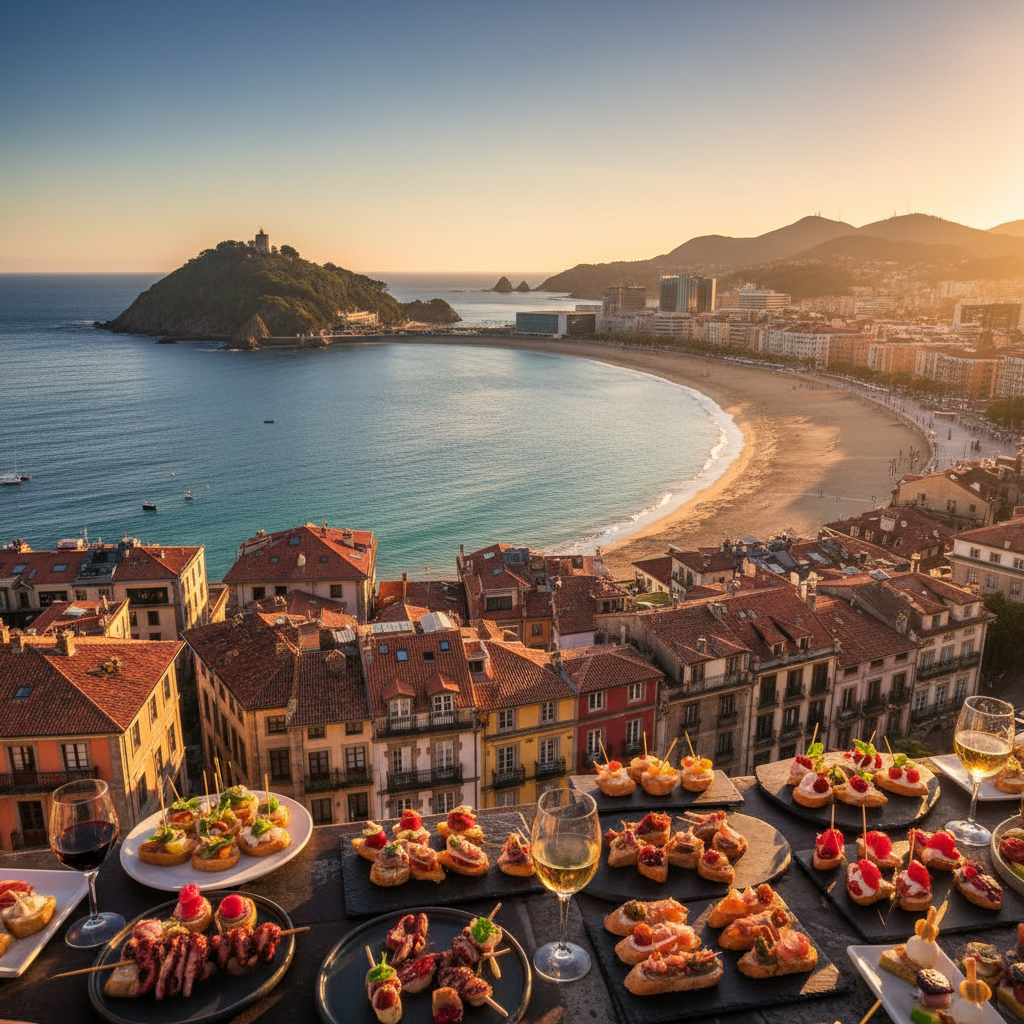
San Sebastian Foodie Paradise: A 4-Day Culinary Journey for Food Lovers
Indulge in a 4-day gastronomic adventure through San Sebastian. Discover pintxos, Michelin stars, and Basque culinary excellence.
- Duration: 4 Days
- Estimated Budget: $1,800–$4,500
- Best Time to Visit: May-June and September-October for pleasant weather and vibrant culinary scene
- Destination: San Sebastian, Spain
San Sebastian is a city that lives and breathes food, a true mecca for anyone who considers eating an art form. Right now, its vibrant pintxos bars are buzzing, and its world-renowned Michelin-starred restaurants are pushing culinary boundaries, making it the ultimate destination for an unforgettable foodie escape.
Welcome, fellow food lovers, to San Sebastián, a city that doesn't just boast a culinary scene; it *is* a culinary scene. Forget everything you thought you knew about Spanish food, because here, in the heart of the Basque Country, gastronomy is a way of life, a religion even. This isn't just about eating; it's about experiencing art on a plate, whether it's a meticulously crafted pintxo or a multi-course tasting menu from a Michelin-starred master. Prepare your palate for an unforgettable journey through flavors that range from the freshest seafood plucked from the Cantabrian Sea to the rich, earthy delights of Basque traditions. You're not just a diner here; you're an honored guest in a city where every meal is a celebration, every bite a story, and every chef a passionate storyteller. Get ready to indulge, explore, and fall deeply in love with the edible magic of Donostia.
What makes this coastal gem truly unique for the food-obsessed isn't just the sheer number of Michelin stars per capita – though with three 3-star restaurants, it certainly holds its own on the world stage. It's the democratic nature of its culinary excellence. You can savor mind-blowing flavors at a bustling pintxos bar for a few euros, or embark on an epic gastronomic adventure at Arzak or Akelarre. The city effortlessly blends high-end dining with accessible, yet equally exquisite, casual eats. Imagine hopping from one bar to another, sampling miniature culinary masterpieces – a seared foie gras with apple compote here, a perfectly grilled mushroom skewer there, all washed down with a crisp Txakoli wine. This dynamic, vibrant approach to food means every meal is an adventure, every street corner a potential discovery, and every moment an opportunity to delight your senses.
This 4-day itinerary is designed to immerse you fully in San Sebastián's gastronomic heart. We'll guide you through the labyrinthine streets of the Old Town, revealing the best pintxos bars where locals truly gather, not just tourist traps. We'll secure reservations at some of the world's most coveted tables, offering you a taste of culinary innovation that pushes boundaries. But it's not just about the eating; it's about understanding the culture, the ingredients, and the passion that fuels this food-obsessed city. From market visits to cooking classes, you'll gain an insider's perspective on why San Sebastián consistently ranks as a top culinary destination. So, pack your appetite, loosen your belt, and prepare for a food lover's pilgrimage that will tantalize your taste buds and leave you dreaming of your next bite in Donostia.
Arrival & Pintxos Paradise Immersion
Arrive in San Sebastian, check into your hotel, and take a moment to refresh after your journey.
Settling in comfortably is key to enjoying your culinary adventure. You'll want to be well-rested and ready to dive into the city's food scene.
Stroll through the Parte Vieja (Old Town), getting acquainted with its narrow, bustling streets and vibrant atmosphere.
The Parte Vieja is the heart of San Sebastian's pintxos culture and a beautiful area to explore. It's essential to get your bearings before the evening rush.
Head to La Concha Beach for a leisurely walk along the iconic promenade and enjoy the stunning bay views.
This world-famous urban beach offers breathtaking scenery and a chance to stretch your legs. It's a perfect way to digest your journey and anticipate the evening's culinary delights.
Begin your first pintxos crawl in the Parte Vieja, starting with traditional hot pintxos at Bar Nestor.
Bar Nestor is legendary for its 'Txuleta' (steak), 'Pimientos de Padrón' (Padron peppers), and 'Tortilla de Patatas' (potato omelette). It's a quintessential San Sebastian experience and a perfect introduction to the city's culinary prowess.
Continue your pintxos adventure at La Cuchara de San Telmo, known for its gourmet, made-to-order pintxos.
This spot offers a more refined pintxos experience with dishes like slow-cooked suckling pig and foie gras. It showcases the innovative side of San Sebastian's pintxos scene.
Finish your evening with a final pintxo and a glass of local txakoli at Ganbara.
Ganbara is famous for its exquisite mushrooms and fresh seafood pintxos. It's a classic spot to end your first night, soaking in the lively atmosphere.
Leif's Tip: Embrace the pintxos bar hopping culture from the get-go! Don't feel obligated to stay in one place; have one or two pintxos and a drink, then move on to the next spot. This allows you to sample a wider variety and truly experience the local way of eating.
Most visitors to San Sebastian, eager to dive into its legendary food scene, quickly find themselves overwhelmed by the sheer number of pintxos bars, each vying for attention with dazzling displays. Deciphering which ones offer genuine culinary innovation versus those catering to fleeting tourist trends, especially in the bustling Old Town, can be a daunting task. Then there's the challenge of securing coveted reservations at Michelin-starred establishments, often booked months in advance, and navigating the nuances of Basque dining etiquette. Without insider knowledge, you risk missing out on hidden gems, wasting precious time in queues, or settling for an average meal in a city renowned for its exceptional gastronomy. Leif cuts through this complexity, ensuring every bite is a discovery, not a disappointment.
Ganbara, a true culinary institution, is where Leif ensures your evening begins with an explosion of authentic Basque flavors. You've just finished a delightful Txakoli, and Leif suggests a perfect follow-up: a short stroll to another spot celebrated for its award-winning cheesecake, complete with directions and a brief history of the chef. This isn't about generic recommendations; it's about anticipating your next culinary desire and seamlessly guiding you to authentic, high-quality experiences, ensuring your evening flows effortlessly from one delicious discovery to the next.
The aroma of freshly baked bread and the salty breeze from La Concha Bay greet you each morning, a promise of another day filled with unparalleled culinary delights. You arrive at each restaurant or pintxos bar feeling like a local, not a lost tourist, because Leif has meticulously planned your route, secured your table, and even provided context about the dishes you're about to savor. There’s no uncertainty, no frantic searching for directions, just pure, unadulterated enjoyment of San Sebastian's gastronomic heart. This allows you to truly immerse yourself in the flavors, the culture, and the vibrant energy of this food-lover's paradise, leaving you with memories of extraordinary meals and a profound appreciation for Basque cuisine.
Best Time to Visit San Sebastian, Spain
Late spring (May-June) or early autumn (September-October) offers pleasant weather, fewer crowds, and prime produce for culinary exploration.
Avoid August if possible, as it's peak tourist season, leading to crowded pintxos bars and higher prices.
Consider visiting during the San Sebastian Film Festival in September for a lively atmosphere, but book accommodations and restaurant reservations well in advance.
The winter months (November-March) can be cooler and rainier, but you'll experience a more authentic local vibe and easier access to popular eateries.
Check local festival calendars; San Sebastian hosts various gastronomic events throughout the year that could enhance your food-focused trip.
Getting Around San Sebastian, Spain
San Sebastian is incredibly walkable, especially the Old Town and Gros, making it easy to hop between pintxos bars and restaurants on foot.
For longer distances or if your accommodation is outside the city center, utilize the local bus system (DBus), which is efficient and affordable.
Taxis are readily available, particularly at major points like the train station or city center, but can add up if used frequently.
Consider renting a bicycle to explore the scenic coastal paths and reach areas like Monte Igueldo with ease, combining exercise with sightseeing.
If you're flying into Bilbao or Biarritz, direct bus services (Pesa) offer convenient and comfortable transfers to San Sebastian's main bus station.
What to Pack
- Comfortable walking shoes are essential for navigating cobblestone streets and extensive pintxos crawls.
- Layered clothing is key, as the weather can change quickly; include a light jacket or cardigan even in warmer months.
- A stylish yet comfortable outfit for Michelin-starred dining experiences; smart casual is generally acceptable.
- An umbrella or packable rain jacket, as San Sebastian can experience sudden showers, especially outside of summer.
- A reusable water bottle to stay hydrated while exploring, as tap water is safe and delicious.
- A small, secure crossbody bag to keep your valuables safe while navigating crowded pintxos bars.
- A portable power bank for your phone, as you'll be using it for navigation, photos, and restaurant research.
- Sunscreen and sunglasses, even on cloudy days, especially if you plan to spend time on the beaches or outdoor terraces.
Money-Saving Tips
- Embrace the 'txikiteo' culture: order one pintxo and one drink per bar, then move on. This allows you to sample more without overspending at one spot.
- Look for 'menú del día' (set lunch menus) at traditional restaurants for an excellent value, often including multiple courses, bread, wine, and dessert.
- Instead of always ordering full glasses of wine, try a 'txakoli' (local sparkling white wine) or 'zurito' (small beer) with your pintxos.
- Skip bottled water and ask for 'agua del grifo' (tap water) at restaurants; it's perfectly safe and free.
- Consider staying in a guesthouse or smaller hotel outside the immediate Old Town for slightly lower accommodation costs, as the city is so walkable.
- Utilize public transport or walk everywhere instead of relying on taxis, which can quickly eat into your budget.
- Visit local markets like Mercado de la Bretxa to pick up fresh produce, cheeses, and cured meats for a budget-friendly picnic or snack.
Local Insights
- The 'pintxo' is more than just a snack; it's a social ritual. Don't be shy about standing at the bar and ordering directly from the bartenders.
- When pintxo hopping, it's customary to only pay at the end, after you've finished your drinks and pintxos. Keep track of what you've had!
- Learn a few basic Basque phrases like 'Kaixo' (hello), 'Eskerrik asko' (thank you), and 'Agur' (goodbye) – locals appreciate the effort.
- Don't expect early dinners; locals typically eat dinner around 9 PM or later, so plan your Michelin-starred reservations accordingly.
- The Basque Country has a strong cultural identity; be respectful of their language and traditions, and you'll find a warm welcome.
- Many pintxos bars close on Mondays, so plan your culinary exploration for other days of the week.
- Tipping is not as common or expected as in some other countries, but rounding up the bill or leaving a few euros for excellent service is always appreciated.
Frequently Asked Questions
What's the best way to experience pintxos in San Sebastián?
The best way is to do a 'pintxos crawl' (txikiteo). Start in the Old Town, pick a few bars, order one or two pintxos and a drink (like txakoli or zurito), then move on to the next. Don't be afraid to stand at the bar; it's part of the experience! Locals often eat pintxos standing up, especially in the more traditional spots. Don't fill up at one place; the joy is in the variety.
Do I need reservations for Michelin-starred restaurants?
Absolutely, yes! For any of San Sebastián's Michelin-starred restaurants (Arzak, Akelarre, Martín Berasategui, Mugaritz, etc.), reservations are essential and should be made months in advance, especially for weekend evenings. They often open their booking calendars 3-6 months out. Don't wait until you arrive; you'll likely be disappointed.
What's Txakoli, and why should I try it?
Txakoli (pronounced 'cha-ko-lee') is the crisp, slightly effervescent, dry white wine native to the Basque Country. It's typically poured from a height to aerate it and enhance its unique characteristics. It's the perfect refreshing accompaniment to pintxos, especially seafood. You'll find it at virtually every pintxos bar, and it's a must-try local specialty.
Is San Sebastián expensive for food lovers?
It can be, but it doesn't have to be. Michelin-starred meals are definitely a splurge, but the pintxos scene offers incredible value for money. You can eat incredibly well for a reasonable price by focusing on pintxos and local markets. A good strategy is to mix high-end experiences with more budget-friendly, yet still delicious, pintxos crawls.
Are there vegetarian or vegan options available?
While traditional Basque cuisine is very meat and seafood-heavy, San Sebastián is becoming more accommodating. Many pintxos bars will have a few vegetarian options (like mushroom skewers, cheese, or vegetable tortillas). Michelin-starred restaurants can often accommodate dietary restrictions with advance notice. Always communicate your needs clearly.
What's a 'Gastro-pub' or 'Gastronomic Society' (Txoko)?
A 'Txoko' (pronounced 'cho-ko') is a private, members-only gastronomic society where friends gather to cook, eat, and socialize. They are a cornerstone of Basque culture. While generally not open to the public, some tour operators offer experiences that include a visit or meal in a Txoko. It's a unique glimpse into local culinary traditions.
What's the dress code for Michelin-starred restaurants?
For San Sebastián's Michelin-starred establishments, smart casual to formal attire is generally expected. Men typically wear a collared shirt and trousers (a jacket is often preferred, but not always mandatory), and women usually opt for a dress or elegant separates. Avoid shorts, t-shirts, and flip-flops. It's an experience to dress up for!