New Zealand South Island in 10 Days: The Ultimate Adventure & Outdoors Guide
The definitive 10-day New Zealand South Island itinerary — Milford Sound, Queenstown, Franz Josef Glacier, Abel Tasman, and the Kaikōura Coast. Real logistics, real prices, real insider tips.
- Duration: 10 Days
- Estimated Budget: $3,500–$6,500
- Best Time to Visit: December–February for warm weather and peak outdoor activities; March–May and September–November for fewer crowds and pleasant temperatures.
- Destination: New Zealand
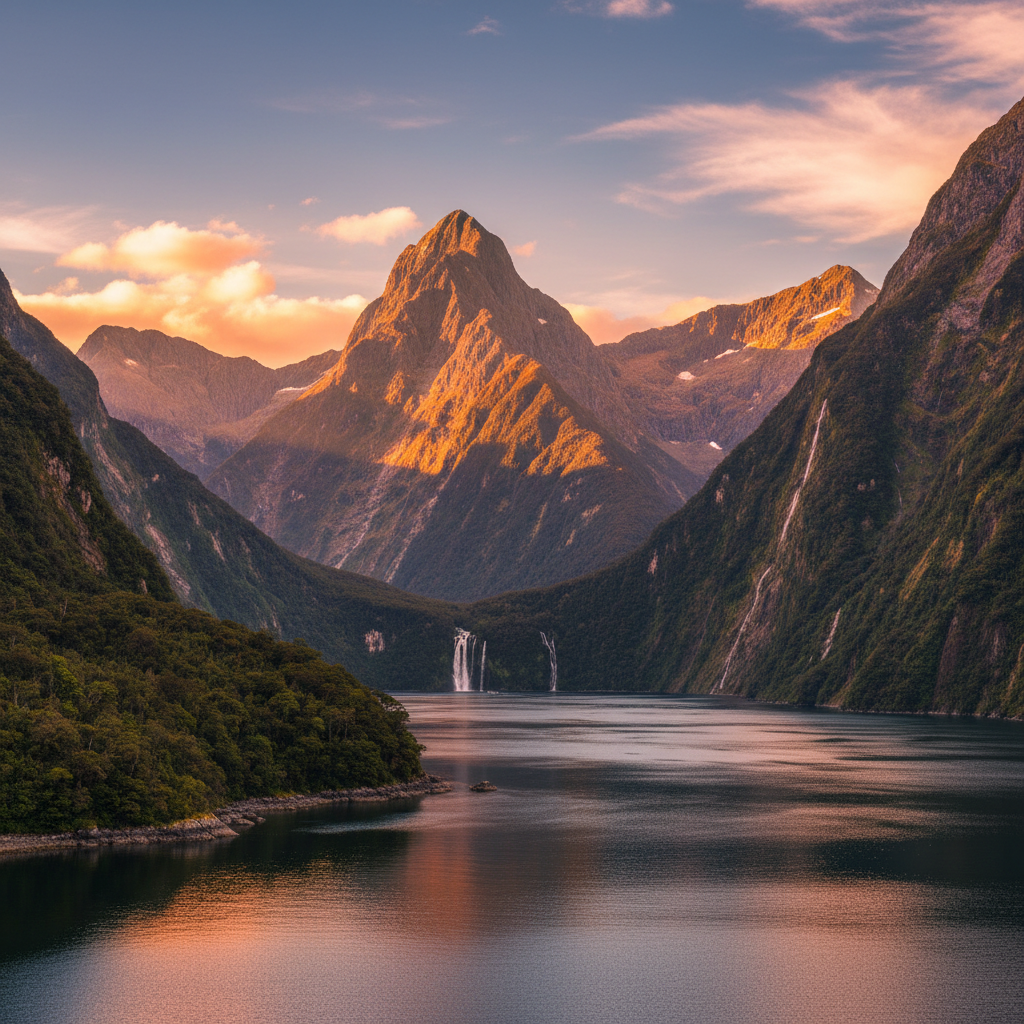
Prepare for an adrenaline-fueled escape to New Zealand's South Island, a land where dramatic landscapes provide the perfect playground for every outdoor enthusiast. From the towering peaks of the Southern Alps to the pristine fjords and ancient glaciers, every turn offers a new opportunity for adventure. This guide will help you navigate the best of its natural wonders and heart-pounding activities.
Most travelers arrive expecting postcard-perfect scenery, and while it absolutely delivers on that front, what truly sets it apart is the raw, untamed accessibility of its wilderness. Unlike many other adventure destinations where you need to trek for days to find solitude, here you can be kayaking alongside dolphins in Milford Sound in the morning and hiking an alpine pass in the afternoon, all within a few hours' drive. It's not just about viewing nature; it's about being utterly immersed in it, often with surprisingly few other people around, especially once you venture even slightly off the main tourist trails. This isn't a place for passive sightseeing; it's an invitation to actively engage with some of the planet's most dramatic landscapes.
**Who this guide is for:** This guide is meticulously crafted for the intrepid, active traveler who thrives on outdoor adventure and isn't afraid to get a little mud on their boots. You're someone who prioritizes breathtaking landscapes, adrenaline-pumping activities, and authentic experiences over luxury resorts or bustling city life. If your ideal day involves hiking, kayaking, canyoning, or even skydiving, and you appreciate the freedom of a road trip, then this itinerary is for you. Conversely, if your idea of a perfect vacation involves leisurely museum visits, fine dining every night, or extensive shopping, and you prefer to avoid long drives or physical exertion, this fast-paced, adventure-focused South Island journey is probably not your ideal trip.
What makes New Zealand South Island worth the effort: The South Island's unique geological history has created a concentration of diverse, awe-inspiring landscapes that are surprisingly compact and interconnected, making it ideal for a 10-day adventure road trip. Our route is designed to maximize your exposure to these varied environments, starting in Christchurch for a gentle introduction before heading south to the dramatic glacial valleys and adventure hub of Queenstown. From there, we pivot to the serene, fjord-carved beauty of Fiordland National Park, then up the wild West Coast to the Franz Josef Glacier, before concluding in the adventure sports capital of Queenstown. This counter-clockwise loop minimizes backtracking and ensures a continuous reveal of stunning vistas, from golden plains to snow-capped peaks, ancient rainforests, and turquoise lakes, without ever feeling rushed or repetitive.
The honest logistics: Budgeting for a South Island adventure requires foresight; expect to spend anywhere from NZD $250-$500 per person per day, depending on your activity choices and accommodation style (hostels vs. motels). The best booking window for flights and popular activities like a Shotover Jet boat ride or a guided hike on the Kepler Track is 6-9 months out, especially if traveling during the peak summer months (December-February). Rental cars, particularly campervans, should be secured even earlier, as demand often outstrips supply. A crucial warning: do not underestimate driving times between destinations. While distances may appear short on a map, winding mountain roads, frequent photo stops, and the sheer scale of the landscape mean journeys often take significantly longer than Google Maps suggests. Rushing your drives is a common mistake that leads to missed opportunities and unnecessary stress.
Queenstown Arrival: Lakeside Views & Gondola Thrills
Arrive at Queenstown Airport (ZQN), pick up rental car, and drive to accommodation in Queenstown Central.
Queenstown Airport offers stunning scenic approaches, immediately immersing you in the dramatic landscapes of the Southern Alps. Picking up your rental car here ensures seamless transition and freedom for your adventure.
Lunch at Fergburger in Queenstown Central.
No trip to Queenstown is complete without experiencing the legendary Fergburger. It's an institution, offering gourmet burgers that are hearty and satisfying, perfect for fueling up after travel.
Skyline Queenstown Gondola & Luge.
Ascend Bob's Peak via the iconic Skyline Gondola for unparalleled panoramic views of Queenstown, Lake Wakatipu, and the Remarkables. The Luge offers a fun, exhilarating ride down, a perfect active start to your trip.
Stroll along Queenstown Gardens and Lake Wakatipu shoreline.
Unwind with a leisurely walk through the beautiful Queenstown Gardens, a tranquil oasis offering botanical delights and stunning lake views. Continue along the picturesque Lake Wakatipu shoreline, soaking in the serene atmosphere and mountain backdrop.
Dinner at Rātā in Queenstown Central.
Rātā offers a contemporary take on New Zealand cuisine, showcasing local produce and flavors in an elegant setting. It's the perfect spot for a memorable first dinner, celebrating your arrival with sophisticated dishes.
Leif's Tip: After arriving and settling in, prioritize one iconic 'wow' activity like the Skyline Gondola to immediately immerse yourselves in the beauty of Queenstown. Balance this with a relaxing stroll to combat travel fatigue and soak in the atmosphere.
Navigating the South Island's adventure scene presents unique challenges, far beyond simply booking flights. You're not just looking for a hike; you're seeking the perfect alpine trek that matches your fitness level and offers unparalleled views, without getting caught in overcrowded trails. Deciphering which glacier walk truly delivers on its promise, or finding the hidden canyoning gem that avoids the masses, requires deep local insight. Then there's the logistical puzzle of connecting these activities – coordinating car rentals that can handle rugged terrain with ferry schedules, or understanding the often-unpredictable weather patterns that can shut down mountain passes. Knowing when to pivot from a planned activity due to conditions, or how to re-route efficiently to maximize your time in this vast landscape, is where many travelers stumble. This is precisely where Leif steps in, transforming potential headaches into seamless exploration.
Skyline Gondola exemplifies how Leif intuitively adapts to your adventurous spirit and ever-changing travel plans. Leif anticipates this exact dilemma, providing not just the options, but also real-time conditions, estimated crowd levels, and even alternative routes if a path is closed due to weather. If you've just finished a strenuous day of white-water rafting on the Shotover River and realize you're too tired for the planned evening hike, Leif instantly suggests a nearby hot pool experience or a highly-rated, low-key local eatery, complete with directions and booking information. It's about having that trusted travel companion who understands your pace, preferences, and the dynamic nature of adventure travel, ensuring every moment is optimized for exhilaration and enjoyment.
The crisp, clean air, carrying the scent of ancient rainforest and glacial meltwater, greets you as you step out each morning, fully prepared for the day's adventures. There's a profound sense of liberation in knowing your route is expertly planned, your activities are perfectly timed, and every logistical detail is handled. You can fully immerse yourself in the thundering roar of a waterfall, the vibrant turquoise of a glacial lake, or the sheer exhilaration of a canyon descent, without a nagging worry about what comes next. This isn't just a trip; it's an unburdened journey into the wild heart of the South Island, allowing you to connect deeply with its raw beauty and push your own boundaries with absolute confidence.
Best Time to Visit New Zealand
Alright, let's talk timing for your South Island adventure. Hands down, the absolute sweet spot is during the New Zealand summer, specifically December through February. You're looking at glorious long days, average temperatures ranging from a comfortable 20-30°C (68-86°F) in most areas, and perfect conditions for all those outdoor activities you're dreaming of – hiking, kayaking, bungee jumping, you name it. While it's peak season, meaning slightly higher prices and more people, the vibrant atmosphere and guaranteed good weather make it worth it. Think buzzing towns, lively trails, and the best chance for those iconic bluebird sky photos.
If you want to dodge some of the crowds and potentially save a few bucks, consider the shoulder seasons: March-April (autumn) or October-November (spring). Autumn, in particular, is stunning with the changing leaves, and temperatures are still pleasant, often around 15-25°C (59-77°F). You might encounter a few more rainy days, and some alpine tracks could still have snow in early spring, but the trade-off is fewer tourists and often better deals on accommodation and activities. Plus, the autumnal colors around Queenstown and Wanaka are truly spectacular.
What to avoid? Unless you're specifically going for a ski trip, December-February is your best bet. Winter (June-August) can be incredibly beautiful with snow-capped peaks, but many hiking trails become inaccessible, and the shorter days and colder temperatures (often 0-10°C / 32-50°F) can limit your outdoor options significantly. It's also the peak season for ski resorts, so if you're not hitting the slopes, you'll be dealing with winter sports crowds without the benefit of summer activities.
Getting Around New Zealand
For tackling the vastness of New Zealand's South Island, renting a car or, even better, a campervan, is overwhelmingly the primary and most flexible way to get around. Public transport between smaller towns is limited, and you'll want the freedom to pull over for those jaw-dropping photo ops. Expect to pay anywhere from NZD $60-150+ per day for a standard rental car, and significantly more for a campervan, depending on the season and vehicle size. Booking well in advance, especially for campervans, is crucial. Google Maps is your best friend for navigation, and remember to drive on the left!
While a rental vehicle offers the most freedom, there are secondary options. Intercity buses (like InterCity or GreatSights) connect major towns and tourist hubs, offering a more budget-friendly alternative if you're not planning extensive off-the-beaten-path exploration. These can be a good option for specific legs of your journey if you don't want to drive the whole way. For getting to specific activities, many tour operators offer shuttle services from main towns, which is super convenient for things like Milford Sound cruises or specific hikes. Taxis are available in larger towns but can be pricey for longer distances.
When planning your rental car, consider the type of vehicle. If you're venturing onto unsealed roads (common for some scenic drives or DOC campsites), a 4WD or at least a vehicle with good ground clearance is advisable. If you're traveling with young children, remember to pre-book car seats with your rental company – it's a legal requirement and they often run out. For luggage, ensure your chosen vehicle has enough boot space, especially if you're packing for a variety of outdoor activities. Many rental companies offer roof racks or cargo boxes for an additional fee, which can be a lifesaver for skis, surfboards, or extra gear.
What to Pack
- Waterproof hiking boots — essential for navigating the often-muddy and uneven tracks found on the South Island's numerous trails, from Fiordland to Aoraki/Mount Cook.
- Quick-dry layers (merino wool or synthetics) — the South Island's weather can change rapidly, and these layers are crucial for staying comfortable during strenuous activities and drying quickly after unexpected rain.
- A sturdy daypack (20-30L) with a rain cover — necessary for carrying water, snacks, extra layers, and camera gear on day hikes and adventure excursions, protecting contents from the frequent downpours.
- Insect repellent containing DEET — sandflies are notoriously abundant and aggressive in many scenic areas, especially around lakes and fiords like Milford Sound, making repellent a must-have.
- Portable power bank — many remote areas have limited access to charging points, and you'll rely on your phone for navigation, photos, and emergencies, especially during long days out.
- Wide-brimmed hat and high SPF sunscreen (50+) — New Zealand's UV index is among the highest in the world due to its clear air and thinner ozone layer, making sun protection vital even on cloudy days.
Money-Saving Tips
- Book Great Walks huts and campsites well in advance (6-12 months for peak season) as they are often fully booked, and last-minute private accommodation can be significantly more expensive, costing upwards of NZD $100 per night for basic lodging.
- Utilize supermarket loyalty programs like New World Clubcard or Countdown Onecard for discounts on groceries, as eating out for every meal, especially in tourist hubs, can quickly deplete your budget at NZD $20-40 per main course.
- Consider purchasing a fuel pass or using petrol price comparison apps (like Gaspy) to find the cheapest petrol, as fuel prices can vary by up to NZD $0.30 per litre between towns and are a significant expense when covering long distances.
- Look for 'early bird' or 'off-peak' deals on adventure activities; booking activities like bungy jumping or jet boating a few months out or opting for morning slots can sometimes save you 10-20% off the standard price of NZD $150-300+.
- Camp or stay in DOC (Department of Conservation) campsites whenever possible; these are often in stunning locations, cost significantly less (NZD $8-25 per person per night) than private campgrounds, and offer basic but sufficient facilities for adventure travelers.
Local Insights
- The 'Kea' (New Zealand mountain parrot) is highly intelligent and mischievous; never leave unattended gear or food outside your vehicle or tent, as they are notorious for stealing items and even damaging car parts.
- Road conditions, especially on mountain passes like Arthur's Pass or the road to Milford Sound, can change rapidly due to weather; always check the NZTA (New Zealand Transport Agency) website for real-time updates before departing.
- Many smaller towns and remote areas on the South Island have limited or no cell phone reception, even with major carriers; download offline maps and inform someone of your itinerary, especially before heading into the backcountry.
- Tipping is not customary in New Zealand; while exceptional service might warrant a small gesture, it's not expected, and service charges are typically included in prices, so don't feel obligated to add extra.
- The term 'tramping' is what New Zealanders call hiking or trekking; if you hear locals talking about 'going tramping,' they're referring to hitting the trails, often for multi-day excursions.
Frequently Asked Questions
What's the best time to visit the South Island for adventure and outdoors activities?
For adventure and outdoor activities, the shoulder seasons of spring (September to November) and autumn (March to May) are often ideal. You'll find fewer crowds than in summer, and the weather is generally pleasant for hiking, kayaking, and exploring. Summer (December to February) offers the warmest temperatures and longest days, perfect for water activities and extended hikes, but popular spots will be very busy and prices higher. Winter (June to August) is fantastic for skiing and snowboarding, but some alpine roads and tracks might be closed due to snow, limiting other outdoor pursuits.
How much should I budget for a 10-day adventure trip to the South Island?
For a 10-day adventure trip, a budget of $3,500–$6,500 per person is a realistic range, excluding international flights. This accounts for mid-range accommodation (motels, B&Bs), a rental car, fuel, food (mix of self-catering and dining out), and a good number of adventure activities like bungy jumping, glacier hikes, or Milford Sound cruises. If you opt for more budget-friendly hostels and self-catering, you might get closer to the lower end. Conversely, luxury lodges and multiple high-adrenaline activities will push you towards the higher end or beyond. Remember to factor in travel insurance and any specific gear rentals.
What activities or accommodations should I absolutely book in advance for a 10-day trip?
For a 10-day South Island adventure, several things require advance booking, especially during peak season. Must-book activities include Milford Sound cruises (especially overnight ones), Franz Josef or Fox Glacier heli-hikes, and any bungy jumping or skydiving experiences in Queenstown. Popular Great Walks (like the Routeburn or Kepler) require hut bookings months in advance. Accommodation in popular towns like Queenstown, Wanaka, Te Anau, and Franz Josef can sell out quickly, so secure those as soon as your dates are firm. Rental cars, particularly 4WDs, are also essential to book well ahead.
What's the best way to get around the South Island for an adventure trip?
Renting a car or campervan is hands down the best way to explore the South Island for an adventure trip. It offers unparalleled flexibility to chase weather windows for activities, access remote trailheads, and stop at scenic viewpoints whenever you like. Public transport is limited, primarily serving major towns, which won't suit an adventurous itinerary. Consider a 4WD if you plan on tackling unsealed roads to specific hiking spots. Factor in fuel costs, which can be significant, and remember to drive on the left. Allow ample time for drives, as mountain roads can be winding and slower than expected.
What should I pack or prepare for a 10-day adventure trip to the South Island?
Prepare for all four seasons in one day! Layering is key: pack merino base layers, a warm fleece or down jacket, and a waterproof and windproof outer shell. Sturdy, broken-in hiking boots are essential, along with comfortable walking shoes. Bring swimwear, a quick-dry towel, and sun protection (hat, sunglasses, high SPF sunscreen) as the UV can be intense. Don't forget a reusable water bottle, a daypack for hikes, insect repellent (especially for sandflies), and a good camera. A portable power bank is also handy for charging devices on the go.
What are common mistakes travelers make on a South Island adventure trip?
One common mistake is underestimating driving times. Distances might look short on a map, but winding mountain roads mean journeys take longer than anticipated. Another is not booking popular activities or accommodations far enough in advance, leading to disappointment. Many travelers also pack insufficiently for the variable weather; always have layers, even in summer. Don't forget to factor in the cost of activities; they can add up quickly. Lastly, relying solely on phone reception can be a mistake; download offline maps and carry a physical map for remote areas where coverage is spotty or non-existent.
Is it worth visiting both Franz Josef and Fox Glaciers, or should I pick one?
For a 10-day trip, it's generally recommended to pick one of the glaciers, either Franz Josef or Fox, if you're planning a heli-hike or similar guided experience. While they are geographically close, the experiences are very similar, and doing both can be redundant and time-consuming. Franz Josef is slightly more developed with more amenities, while Fox often feels a bit more remote. The choice often comes down to availability and personal preference for the surrounding town's vibe. Focus your time and budget on one excellent glacier experience, then use the saved time to explore other unique South Island attractions.