New Orleans Long Weekend: Jazz, Creole Food, and the City That Never Stops
The perfect New Orleans long weekend itinerary — Frenchmen Street jazz, Commander's Palace, the Garden District, beignets at Café Du Monde, and the neighborhoods locals actually love. Real logistics, real prices, real insider knowledge.
- Duration: 4 Days
- Estimated Budget: $1,200–$2,500
- Best Time to Visit: October–May is ideal — mild temperatures (60–75°F) and the city's festival calendar is packed. Mardi Gras requires booking 6–12 months ahead. Avoid June–September — extreme heat and humidity (95°F+ with 90% humidity).
- Destination: New Orleans, Louisiana
New Orleans is unlike any other city in America — a place where the food is genuinely world-class, the music never stops, and the culture is a living, breathing thing that spills out of every bar and restaurant and onto the streets. The French Quarter is the obvious starting point, but the real New Orleans lives in the Garden District's antebellum mansions, the Frenchmen Street jazz clubs that locals actually go to, and the neighborhood restaurants where the cooking has been passed down for generations. Four days is enough to eat your way through the city, catch live jazz every night, and start to understand why people who visit New Orleans always come back. --- *Planning a trip to New Orleans? Read our full destination hub: New Orleans Doesn't Let You Leave the Same Person Who Arrived*
From the vibrant parades of Mardi Gras to the soulful sounds of a second line, New Orleans offers an experience found nowhere else in America—a place where the food is genuinely world-class, the music never stops, and the culture is a living, breathing thing that spills out of every bar and restaurant and onto the streets. The French Quarter is the obvious starting point, but the real New Orleans lives in the Garden District's antebellum mansions, the Frenchmen Street jazz clubs that locals actually go to, and the neighborhood restaurants where the cooking has been passed down for generations.
This itinerary takes you from the French Quarter and Café Du Monde on Day 1, through the Garden District and Commander's Palace on Day 2, into the Bywater and Tremé neighborhoods on Day 3, and ends with a morning in Audubon Park before departure. This itinerary will guide you from the historic St. Louis Cathedral to the vibrant sounds of Frenchmen Street, ensuring you experience the city's unique charm.
New Orleans rewards the traveler who shows up hungry and curious. The food here is not just good — it's a living cultural tradition, a direct line to West African, French, Spanish, and Caribbean cooking that has been evolving for 300 years. Eat at the places that have been here for generations. Listen to the music that was born here. Walk the neighborhoods that don't show up on the tourist maps. That's the New Orleans that stays with you.
French Quarter, Beignets & Frenchmen Street
Café Du Monde for beignets and café au lait — the essential New Orleans breakfast.
Café Du Monde has been serving beignets since 1862. The combination of hot, powdered-sugar-covered beignets and chicory-laced café au lait is one of the great food experiences in America.
Walk the French Quarter — Jackson Square, St. Louis Cathedral, the Cabildo, and the French Market.
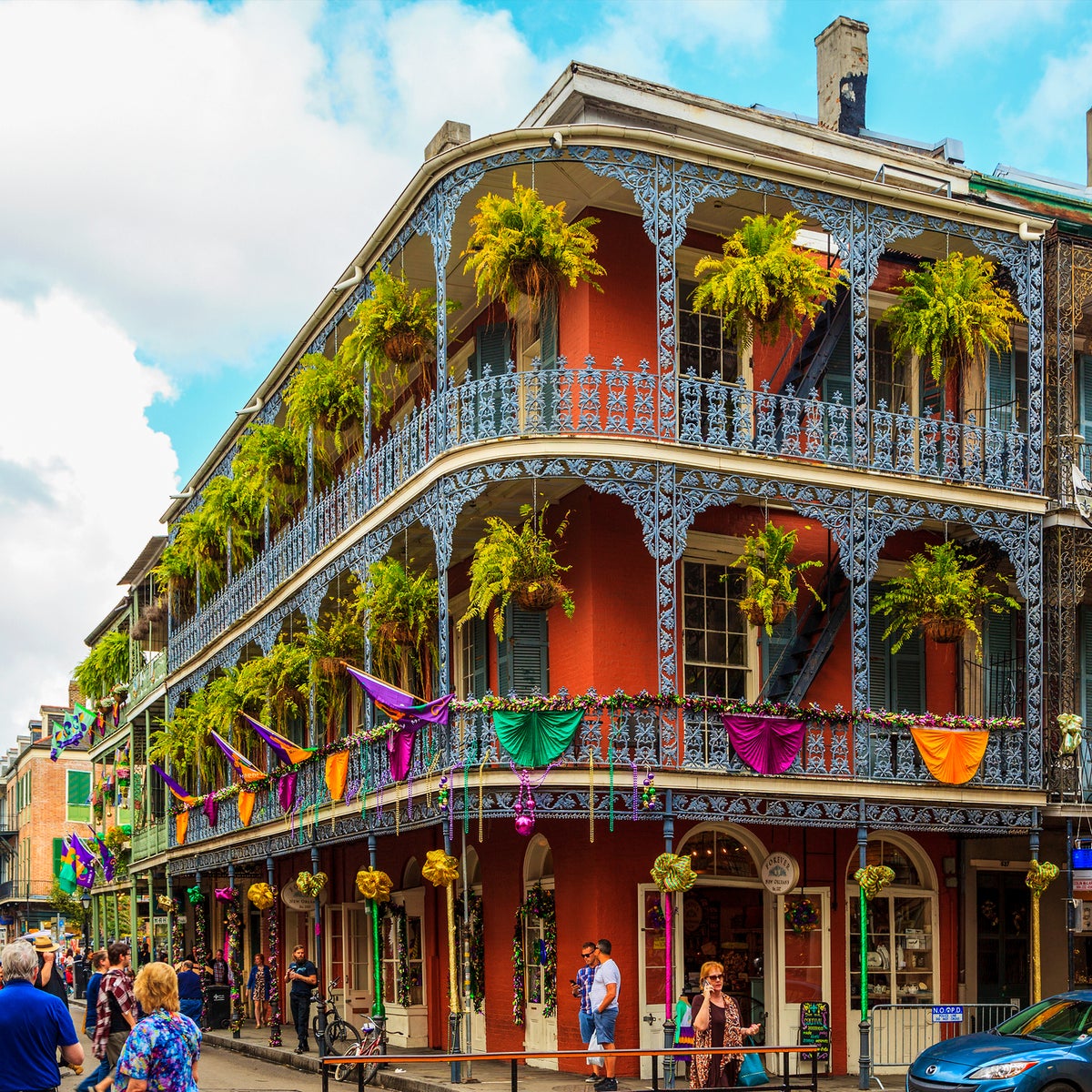
The French Quarter is the oldest neighborhood in New Orleans and one of the most architecturally distinctive in America. The iron-lace balconies, the courtyards, and the street musicians create an atmosphere unlike anywhere else.
Lunch at Dooky Chase's Restaurant in Tremé.
Dooky Chase's is a civil rights landmark and one of the most important restaurants in American history. Leah Chase fed Martin Luther King Jr. and Barack Obama. The Creole cooking is exceptional.
Dinner at Galatoire's on Bourbon Street — the classic New Orleans dining experience since 1905.
Galatoire's is the most traditional New Orleans restaurant — white tablecloths, tuxedoed waiters, and Creole classics that haven't changed in 100 years. The pompano en papillote and the shrimp remoulade are legendary.
Frenchmen Street for live jazz — DBA, The Spotted Cat, and the Frenchmen Art Market.
Frenchmen Street is where locals go for live music — not Bourbon Street. The three-block stretch has 10+ live music venues with no cover charge and the best jazz in the city.
Leif's Tip: New Orleans is a late-night city. The best music on Frenchmen Street starts after 10 p.m. Plan your dinners early so you have energy for the evening.
Most visitors to New Orleans quickly realize that navigating its rich, complex cultural landscape requires more than just a guidebook. You'll find yourself wondering which jazz club on Frenchmen Street offers the most authentic sound without being overrun, or how to distinguish a genuine Creole eatery from a tourist-focused imitation. Deciphering the city's unique public transportation, the streetcar lines, to reach neighborhoods like Tremé or the Bywater can be confusing, and missing out on these areas means missing the heart of the city's artistic and historical soul. Furthermore, knowing the best times to visit specific festivals or parades, or even which days certain local markets like the French Market are most vibrant, can make or break your experience. This is precisely where Leif steps in, transforming potential confusion into seamless discovery.
French Quarter, while undeniably iconic, offers only a glimpse into the authentic New Orleans experience Leif is ready to unveil. Leif guides you past the obvious tourist spots to a local favorite for your morning pastry, then seamlessly transitions you to a historic walking tour through the Garden District, highlighting architectural gems and their stories. When you're ready for lunch, instead of wandering aimlessly, Leif suggests a specific, acclaimed po'boy shop that locals frequent, complete with directions and insider tips on what to order. Later, as the evening approaches, Leif has already curated a personalized list of live music venues, from a lively brass band performance in a small club to a more intimate blues session, ensuring you're always exactly where you want to be, experiencing the authentic pulse of the city.
The aroma of chicory coffee and sweet beignets, mingled with the distant strains of a blues saxophone, fills the air, creating an immediate, visceral connection to New Orleans. You arrive not as a bewildered visitor, but as someone who understands the rhythm of the city, ready to immerse yourself in its distinctive charm. With Leif, you're not just seeing landmarks; you're engaging with the living history, the vibrant music, and the unparalleled culinary traditions that define this incredible place. You'll move through the city with a sense of purpose and discovery, confidently exploring hidden courtyards, savoring every bite of gumbo, and feeling the soulful energy of every note played. Your New Orleans adventure, meticulously crafted and deeply personal, awaits.
Best Time to Visit New Orleans, Louisiana
October–May: Mild temperatures (60–75°F) and the city's festival calendar is packed
Mardi Gras (February–March): The ultimate New Orleans experience — book 6–12 months ahead
Jazz Fest (late April–early May): One of the best music festivals in America
Avoid June–September: The heat and humidity are extreme (95°F+ with 90% humidity)
Getting Around New Orleans, Louisiana
The St. Charles Avenue streetcar ($1.25) is the best way to reach the Garden District
Uber and Lyft are readily available throughout the city
The French Quarter and Marigny are walkable — most venues are within a 15-minute walk
Louis Armstrong Airport is 30 minutes from downtown by Uber ($25–35)
What to Pack
- Light, breathable clothing — New Orleans is hot and humid even in fall and spring
- Comfortable walking shoes — the French Quarter's cobblestone streets are uneven
- Cash — many of the best restaurants and music venues are cash-only
- A rain jacket — New Orleans gets afternoon showers even in the dry season
Money-Saving Tips
- Café Du Monde beignets are $5 for three — the best $5 you'll spend in New Orleans
- Frenchmen Street has no cover charge at most venues — tip the bands generously
- Commander's Palace lunch is significantly cheaper than dinner and includes the 25-cent martinis
- Willie Mae's Scotch House fried chicken is $15 and is the best fried chicken in America
Local Insights
- Frenchmen Street (not Bourbon Street) is where locals go for live music
- The best beignets are at Café Du Monde, open 24 hours, cash only
- The Garden District is best explored on foot — the antebellum mansions are spectacular
- New Orleans is a late-night city — the best music on Frenchmen Street starts after 10 p.m.
Frequently Asked Questions
What is the best time of year to visit New Orleans?
October–May is ideal — mild temperatures (60–75°F) and the city's festival calendar is packed. Mardi Gras (February–March) is the ultimate New Orleans experience but requires booking 6–12 months ahead. Jazz Fest (late April–early May) is one of the best music festivals in America. Avoid June–September — the heat and humidity are extreme (95°F+ with 90% humidity).
What is the difference between Bourbon Street and Frenchmen Street?
Bourbon Street is the tourist strip — loud, crowded, and full of souvenir shops and cover bands. Frenchmen Street is where locals go for live music — a three-block stretch with 10+ jazz venues, no cover charge, and the best live music in the city. If you want the real New Orleans music experience, go to Frenchmen Street.
What are the best restaurants in New Orleans?
Commander's Palace is the most iconic (trained Paul Prudhomme and Emeril Lagasse, book 3 weeks ahead). Galatoire's is the most traditional (Creole classics since 1905). Dooky Chase's is the most historically significant (civil rights landmark). Willie Mae's Scotch House has the best fried chicken in America. Cochon Butcher has the best charcuterie.
Is New Orleans safe for tourists?
The French Quarter, Garden District, Marigny, and Bywater are generally safe for tourists during the day and evening. Avoid wandering into unfamiliar neighborhoods late at night. The French Quarter can get rowdy on Bourbon Street after midnight — exercise normal urban awareness. Frenchmen Street is safe and lively until 3–4 a.m.
What is a beignet and where should I try one?
A beignet is a deep-fried pastry covered in powdered sugar — the signature New Orleans breakfast food. Café Du Monde has been serving them since 1862 and is the definitive version. Open 24 hours, cash only, $5 for three. Wear dark clothing — the powdered sugar goes everywhere.
How much does a New Orleans long weekend cost?
Budget $1,200–$2,500 per person for 4 days. Hotels in the French Quarter run $150–300/night. Dinner at Commander's Palace or Galatoire's is $60–80/person. Café Du Monde beignets are $5. Frenchmen Street has no cover charge. Louis Armstrong Airport is 30 minutes from downtown by Uber ($25–35).
What neighborhoods should I visit in New Orleans beyond the French Quarter?
The Garden District for antebellum mansions and Commander's Palace. The Marigny and Bywater for the most creative neighborhoods in the city. Tremé for the birthplace of jazz and Dooky Chase's. Magazine Street for boutiques and galleries. Uptown for Audubon Park and the St. Charles streetcar.