Mumbai 4-Day City & Culture Itinerary: Street Food, Bollywood & Colonial Charm
Explore Mumbai's vibrant street food, colonial architecture, and Bollywood magic with this 4-day city and culture itinerary. Discover hidden gems and local favorites.
- Duration: 4 Days
- Estimated Budget: $140–$240
- Best Time to Visit: October-March for pleasant, dry weather.
- Destination: Mumbai, India
Mumbai is a city of exhilarating contrasts, where the aroma of street food mingles with the grandeur of colonial architecture and the buzz of Bollywood. This 4-day itinerary dives deep into the heart of India's financial and entertainment capital, offering an authentic taste of its rich history, dynamic culture, and unparalleled culinary scene.
The moment you step into the bustling lanes of Ballard Estate, a historic business district, you're transported to a bygone era. Grand European-style buildings, often overlooked by hurried commuters, stand as silent testaments to the city's colonial past. This area, with its wide streets and impressive architecture, offers a stark contrast to the vibrant chaos just a few blocks away. It’s a place where history whispers from every stone, inviting you to slow down and appreciate the intricate details of its heritage structures, providing a unique architectural journey through time.
Should you be concerned about navigating the city's sprawling public transport system? Here's the reality: while the local trains are an experience in themselves, they can be overwhelmingly crowded during peak hours. For a first-time visitor focused on cultural exploration, ride-sharing apps like Uber and Ola are incredibly efficient and affordable, offering air-conditioned comfort and direct routes to your destinations. Auto-rickshaws are great for shorter distances in specific areas, but confirming the fare beforehand or using a meter is key to a smooth journey. Don't let the sheer scale of the city deter you; getting around is surprisingly manageable with a little planning.
Culture travelers spend their afternoons delving into the narratives behind the city's diverse communities. You'll find yourself exploring the vibrant street art scene in an unexpected alleyway, or perhaps discovering a hidden temple tucked amidst modern high-rises. The rhythm of this metropolis for a culture seeker means embracing serendipity, allowing for spontaneous conversations with local vendors, and taking detours that reveal the city's true character. It's about peeling back the layers, from grand historical sites to the everyday life unfolding on its sidewalks, creating a deeply personal connection with the urban tapestry.
Colonial Grandeur and Artistic Charms of South Mumbai
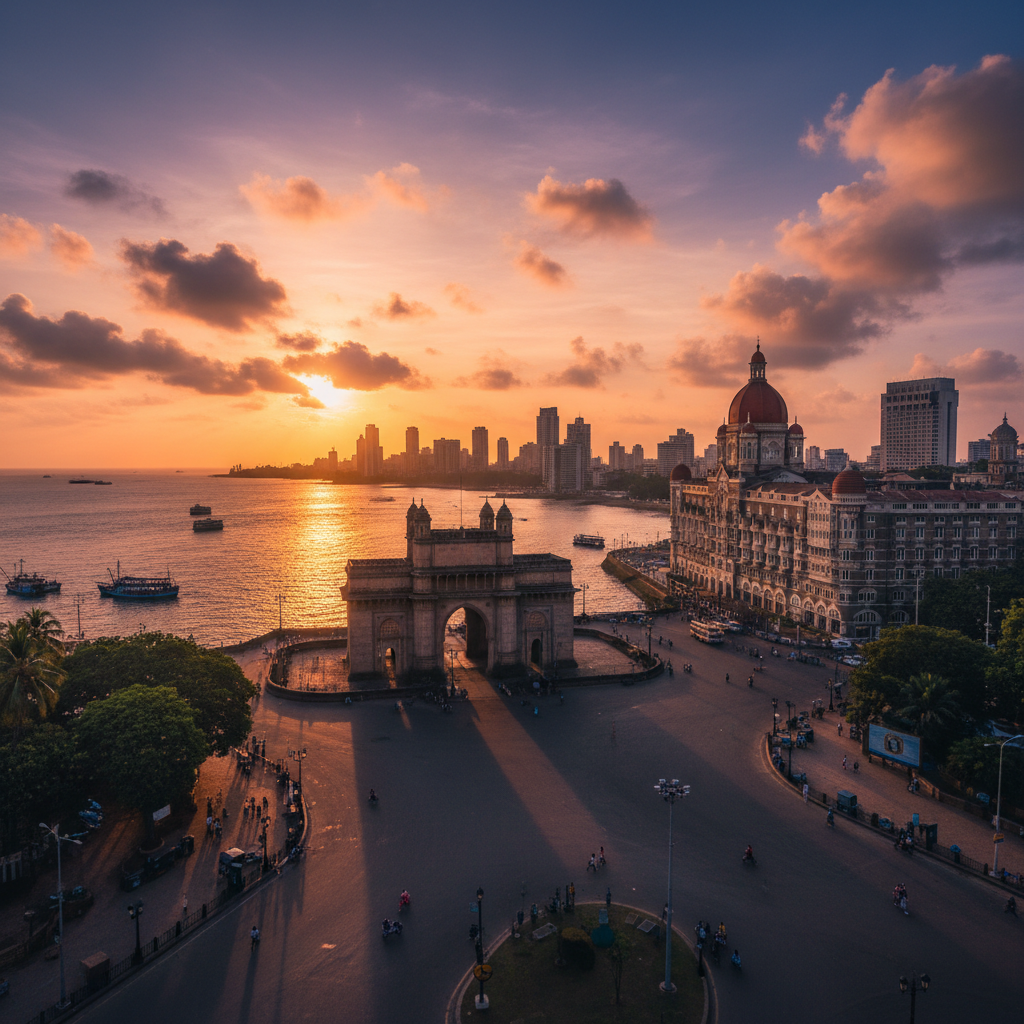
Begin your Mumbai adventure at the iconic Gateway of India, a basalt arch overlooking the Arabian Sea.
This magnificent monument, built to commemorate King George V and Queen Mary's visit, is a symbol of Mumbai's colonial past and a bustling hub of activity. It offers stunning views of the sea and the Taj Mahal Palace Hotel.
Stroll through the vibrant Colaba Causeway market, a shopper's paradise offering everything from antiques to street fashion.
This lively street market is perfect for finding unique souvenirs, bargaining for clothes and jewelry, and soaking in the local atmosphere. It's a sensory overload in the best possible way.
Marvel at the architectural grandeur of Chhatrapati Shivaji Terminus (CST), a UNESCO World Heritage Site.
This magnificent Victorian Gothic building, formerly known as Victoria Terminus, is an active railway station and a stunning example of colonial architecture. Its intricate details and imposing facade are truly breathtaking.
Explore the Kala Ghoda Arts Precinct, a charming area filled with art galleries, museums, and cafes.
This cultural hub is home to some of Mumbai's best art galleries, showcasing contemporary Indian art and historical artifacts. It's a wonderful place to experience the city's vibrant art scene.
Wander through the historic Oval Maidan and admire the stunning Art Deco buildings surrounding it.
This expansive public ground is a fantastic spot to observe local life, from cricket matches to families enjoying the evening breeze. The surrounding Art Deco buildings are a UNESCO site and a testament to Mumbai's architectural diversity.
Leif's Tip: Mumbai's traffic can be intense, so embrace public transport like local trains (during off-peak hours) or ride-sharing apps like Uber and Ola. For short distances, walking is often the best way to soak in the atmosphere and discover hidden gems.
Mumbai has countless distinct neighborhoods, each with its own rhythm and story, and knowing which ones offer the most authentic cultural immersion for a short trip is the difference between skimming the surface and diving deep. Navigating the sheer scale of this metropolis, understanding its intricate public transport, and discerning genuinely local experiences from tourist traps can feel like a full-time job before you even pack your bags. The city's history spans centuries, its food scene is incredibly diverse, and its cultural nuances are subtle. Without a clear, opinionated guide, you might find yourself spending precious hours deciphering maps or queuing for an overpriced, inauthentic experience, rather than soaking in the vibrant street life or discovering a hidden gem. This is precisely where Leif steps in, transforming potential overwhelm into effortless discovery.
When you're standing near the bustling Crawford Market, wondering where to find the most aromatic spices or the freshest local produce without getting lost in the labyrinthine alleys, Leif has already mapped out the most efficient and culturally rich path for you. Say you want to experience a traditional Parsi breakfast, but you're not sure which of the city's historic Irani cafes offers the most authentic keema pav and chai – Leif provides a specific recommendation, complete with opening hours and a brief history, ensuring you step into a place with genuine character. You land in this vibrant city, pull up Leif, and within seconds you know exactly which local train to take for a scenic route, or which taxi stand is reputable, eliminating guesswork and maximizing your time for exploration and enjoyment, rather than logistical headaches. It's about having that informed friend in your pocket, guiding your every step with local expertise.
The difference is feeling completely at ease as you weave through the historic lanes of Khotachiwadi, a charming heritage village, knowing you're experiencing a slice of Mumbai that many visitors miss. Instead of poring over guidebooks or constantly checking your phone for directions, you'll be fully present, absorbing the sights, sounds, and smells of this incredible city. You'll arrive in this captivating metropolis with a sense of calm confidence, ready to embrace every cultural encounter, from a quiet moment in a colonial-era library to the exhilarating chaos of a local festival. Arriving in Mumbai with your itinerary meticulously crafted by Leif already done means you can immediately dive into the heart of its culture, savoring every moment and creating memories that are truly your own, without the stress of planning on the fly.
Best Time to Visit Mumbai, India
October to March: These months offer pleasant, cooler weather, perfect for exploring without the intense heat or monsoon rains.
Avoid monsoon season (June to September): Heavy rains can disrupt travel plans and make sightseeing less enjoyable.
Consider early mornings: Mumbai wakes up early, and many attractions are best visited before the midday heat and crowds.
Diwali (October/November) and Ganesh Chaturthi (August/September): Experience vibrant festivals, but expect larger crowds and higher prices.
Getting Around Mumbai, India
Local trains: Mumbai's lifeline, incredibly cheap and efficient for long distances, but can be extremely crowded during peak hours. Avoid 8-11 AM and 5-8 PM if you're not comfortable with sardine-can levels of packed.
Kaali-Peeli taxis: The iconic black and yellow cabs are metered and generally reliable. Always insist on the meter being turned on.
Ride-sharing apps (Ola/Uber): Convenient and often cheaper than traditional taxis, especially for shorter distances. Essential for late-night travel.
Auto-rickshaws: Great for short distances in specific areas (mostly outside South Mumbai). Always haggle or confirm the price before starting your journey.
Walking: Many areas, especially in South Mumbai like Colaba and Kala Ghoda, are best explored on foot. Wear comfortable shoes!
What to Pack
- Lightweight, breathable clothing: Cotton or linen is ideal for Mumbai's tropical climate.
- Comfortable walking shoes: You'll be doing a lot of walking, especially through markets and historical sites.
- Scarf or shawl: Useful for visiting religious sites (shoulders and knees covered) and for sun protection.
- Sunscreen and sunglasses: The sun can be intense year-round.
- Reusable water bottle: Stay hydrated and reduce plastic waste. Filtered water is widely available.
- Small backpack or cross-body bag: For carrying essentials and keeping your belongings secure in crowded areas.
- Portable power bank: For keeping your phone charged, especially when using navigation and taking photos.
- Insect repellent: Especially if you plan on spending evenings outdoors near water bodies.
Money-Saving Tips
- Embrace street food: Mumbai's street food is not only delicious but incredibly affordable. A full meal can cost less than a dollar.
- Use local transport: Local trains and buses are the cheapest ways to get around. Auto-rickshaws and ride-sharing apps are also budget-friendly.
- Haggle in markets: When shopping in places like Colaba Causeway or Crawford Market, polite bargaining is expected and can save you a lot.
- Stay in guesthouses or budget hotels: Mumbai has a range of affordable accommodations, especially in areas like Colaba or Bandra.
- Look for thali meals: Many local restaurants offer 'thali' sets, which are complete, balanced, and very economical meals.
- Refill your water bottle: Many establishments offer filtered water refills, saving you money on bottled water and reducing plastic waste.
Local Insights
- Learn a few Hindi phrases: 'Namaste' (hello), 'Dhanyawad' (thank you), and 'Kitna hai?' (how much?) go a long way.
- Be prepared for crowds: Mumbai is a densely populated city. Embrace the energy, but also be mindful of your belongings.
- Dress modestly: While Mumbai is relatively modern, dressing respectfully, especially in religious sites, is appreciated.
- Try everything once: From the chaotic markets to the spicy street food, be open to new experiences. That's where the real Mumbai lies.
- Bargain respectfully: When haggling, do so with a smile and good humor. It's part of the cultural experience, not a confrontation.
- Carry small denominations of cash: Many street vendors and small shops prefer cash, and having smaller bills makes transactions easier.
Frequently Asked Questions
What's the best time of year to visit Mumbai for city and culture exploration?
The ideal time to visit Mumbai is during the cooler, drier months from November to February. Temperatures are pleasant, making it perfect for exploring historical sites, bustling markets, and enjoying street food without the intense heat or monsoon rains. March to May can be very hot and humid, while June to October brings heavy monsoon showers.
Is Mumbai safe for tourists, especially solo travelers?
Mumbai is generally considered one of the safest major cities in India. Locals are usually helpful, and public areas are well-lit and crowded. However, like any large city, it's wise to be aware of your surroundings, especially at night. Solo female travelers should exercise standard precautions, such as avoiding isolated areas and using reputable transport services. Pickpocketing can occur in crowded places, so keep valuables secure.
What's the local currency, and should I carry cash or use cards?
The local currency is the Indian Rupee (INR). While major hotels, upscale restaurants, and larger shops accept credit/debit cards, many street food vendors, smaller shops, and local transport (like auto-rickshaws) operate on a cash-only basis. It's advisable to carry a mix of cash for daily expenses and a card for larger purchases. ATMs are widely available.
What are some essential phrases in the local language?
While many Mumbaikars speak English, especially in tourist areas, knowing a few local phrases can enhance your experience. 'Namaste' (hello/goodbye), 'Dhanyawad' (thank you), 'Kiti paise?' (how much?), and 'Ho' (yes) / 'Nahi' (no) are good starting points. Marathi and Hindi are the most common languages spoken.
How can I avoid getting sick from street food?
Mumbai's street food is legendary, but it's important to choose vendors carefully. Look for stalls with high turnover, where food is cooked fresh in front of you, and where the vendor maintains good hygiene. Opt for hot, freshly prepared items rather than pre-made dishes that have been sitting out. Bottled water is essential, and avoid ice unless you're sure it's made from purified water.
What should I wear when exploring cultural sites?
Mumbai is a cosmopolitan city, but when visiting religious sites like temples or mosques, it's respectful to dress modestly. This generally means covering your shoulders and knees. Loose, breathable clothing made from natural fabrics like cotton is ideal given the climate. Comfortable walking shoes are a must for navigating the city's streets.
Are there any specific cultural etiquettes I should be aware of?
When interacting with locals, a polite 'Namaste' is always appreciated. It's customary to remove your shoes before entering temples, mosques, or someone's home. Use your right hand when giving or receiving items, especially food, as the left hand is traditionally considered unclean. Avoid public displays of affection, and always ask for permission before taking photos of people.