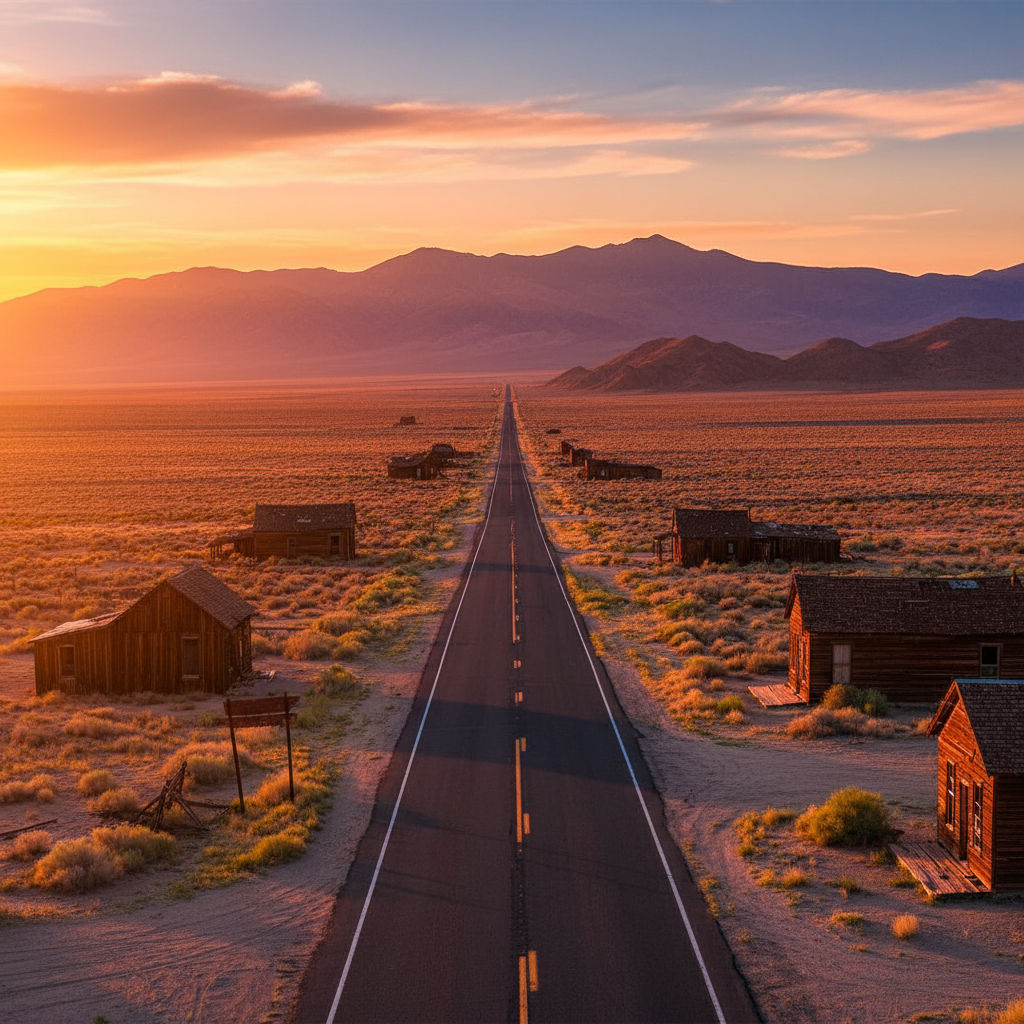
4-Day Loneliest Road in America Trip: US-50 Nevada, Great Basin & Ghost Towns
Embark on a 4-day adventure along US-50, the Loneliest Road in America, exploring Nevada's ghost towns, vast landscapes, and Great Basin National Park.
- Duration: 4 Days
- Estimated Budget: $360–$740
- Best Time to Visit: May-June for mild weather and wildflowers; October for fall foliage on Wheeler Peak. Avoid December-February.
- Destination: Loneliest Road in America, Nevada
Ready for an epic journey across one of America's most iconic and desolate highways? The Loneliest Road in America, US-50 in Nevada, offers an unparalleled road trip experience through vast desert landscapes, historic ghost towns, and the stunning Great Basin National Park. This 4-day itinerary is your guide to embracing the solitude, uncovering forgotten histories, and marveling at the raw beauty of the American West.
Ready for an adventure that peels back the layers of everyday life and reveals the raw, untamed heart of America? US-50 Nevada, famously dubbed "The Loneliest Road in America," isn't just a drive; it's a journey into vast, dramatic emptiness, punctuated by historic mining towns, ancient petroglyphs, and the unique allure of the International Car Forest of Goldfield. This isn't a trip for the faint of heart, but for those who seek genuine discovery and a profound connection with the landscape.
Beyond the neon glow of Las Vegas, the vast expanse of the Loneliest Road in America awaits where the only sounds are the wind and your own thoughts. You'll trace the footsteps of Pony Express riders, explore ghost towns that whisper tales of boom and bust, and stand in awe before 5,000-year-old bristlecone pines. This 4-day itinerary is crafted to immerse you in the authentic spirit of this iconic route, ensuring you experience its most compelling sights and hidden gems.
From the agricultural heartland of Fallon to the high-desert charm of Austin and Eureka, culminating in the historic allure of Ely, every mile of this journey offers a unique perspective on Nevada's rich history and stunning natural beauty. Prepare to disconnect from the ordinary and reconnect with the extraordinary, as you discover why this "lonely" road is one of America's most rewarding drives.
From Reno's Glitz to Fallon's Farmlands: Gateway to the Loneliest Road
Arrive at Reno-Tahoe International Airport (RNO), pick up your rental car, and begin your drive to Fernley, the official western starting point of US-50.
Starting your journey from RNO is the most convenient way to access US-50. Fernley offers a gentle introduction to the vastness of Nevada.
Explore the Fernley Wildlife Management Area, known for its exceptional bird watching opportunities.
This area is a hidden gem for nature lovers, offering the best bird watching in western Nevada. It's a peaceful start before the desert stretches truly begin.
Visit Lahontan State Recreation Area, a popular lake formed by the ancient Lake Lahontan, perfect for a picnic and enjoying the water.
This is the most popular lake in western Nevada, offering a refreshing break and a glimpse into the region's ancient past. The fishing for catfish and bass is exceptional.
Immerse yourself in local history at the Churchill County Museum in Fallon.
This is the best small-town museum on the Loneliest Road, offering fascinating insights into the region's past, including extraordinary Pony Express artifacts. It's a great way to understand the history you'll be driving through.
Head to Sand Mountain Recreation Area to witness the dramatic 600-foot sand dune.
This is the most dramatic sand dune in Nevada, offering a unique desert landscape that feels otherworldly. It's a fantastic photo opportunity and a chance to stretch your legs.
Leif's Tip: Before leaving Fallon, make sure your gas tank is full and you have plenty of water and snacks. The next stretch of US-50, especially towards Austin, is famously isolated with very few services, and you'll want to be prepared for the 'Loneliest Road' experience.
Navigating the vast distances and sparse services along US-50 requires more than just a map; it demands an understanding of fuel stops, open hours for small-town diners, and which historic sites are truly worth the detour versus those that are just a pile of rubble. You'll quickly discover that cell service is a luxury, not a given, making on-the-fly research nearly impossible in many stretches. Deciding between the various ghost towns, each with its own unique story and level of preservation, can be overwhelming without local insight, and knowing when to visit Great Basin National Park for optimal stargazing or cave tours requires specific timing. This isn't a route where you can simply wing it and expect to hit all the hidden gems or avoid unexpected closures, which is precisely where Leif steps in to smooth out every mile of your journey.
Sand Mountain Recreation Area offers an unforgettable landscape, but the real gems of this journey lie in the details. Later, when you're considering a stop in Austin, Leif provides a curated list of the most authentic old-west saloons and the best spot for a quick, hearty lunch that isn't a chain, alongside an optional detour to Stokes Castle that's timed perfectly to avoid the midday sun. Should a sudden dust storm kick up near Eureka, Leif proactively suggests an alternative route or a recommended, safe place to pull over, keeping your adventure smooth and stress-free without you needing to constantly search for information.
The crisp, high-desert air, carrying the scent of sagebrush and distant pine, fills your lungs as you pull into a perfectly timed overlook, knowing exactly why this particular vista is so significant. You're not just driving; you're experiencing the narrative of the American West, from the silent echoes of mining booms to the profound stillness of the Great Basin’s night sky. There's a deep satisfaction in knowing every turn, every stop, and every overnight stay has been thoughtfully arranged to maximize your discovery and minimize any logistical headaches. This journey isn't just about the destination; it's about the profound sense of freedom and wonder you feel when every detail is handled, allowing you to simply absorb the raw beauty and history unfolding around you.
Best Time to Visit Loneliest Road in America, Nevada
May-June offers mild weather and the vibrant wildflowers of the Great Basin are in full bloom, making for truly picturesque drives.
October is spectacular for fall foliage, especially around Wheeler Peak where the aspens turn a brilliant gold.
Avoid December-February as mountain passes can close due to snow, and the Great Basin experiences extreme cold.
Summer months (July-August) can be very hot, but are ideal for exploring higher elevations like Great Basin National Park.
Getting Around Loneliest Road in America, Nevada
Rent a reliable vehicle with good ground clearance; some side roads to ghost towns or scenic spots might be unpaved.
Always fill your gas tank in Fallon, as the stretch to Austin is 110 miles with no services whatsoever.
Carry extra water and snacks, as services are extremely sparse between towns on US-50.
Inform someone of your itinerary, especially if you plan on exploring remote areas, as cell service is spotty to non-existent.
What to Pack
- Layers of clothing for fluctuating temperatures, from cool mornings to warm afternoons.
- Sturdy hiking boots for exploring petroglyph sites and national park trails.
- A detailed physical map or downloaded offline maps, as GPS can be unreliable.
- Binoculars for bird watching at Fernley and spotting wildlife in Great Basin.
- Sunscreen, a wide-brimmed hat, and sunglasses for intense desert sun.
- A headlamp or flashlight for exploring caves or in case of roadside emergencies.
- A camera with extra batteries to capture the dramatic landscapes and historic sites.
- A cooler with drinks and snacks, especially for the long stretches between towns.
Money-Saving Tips
- Pack a picnic lunch and snacks to avoid higher prices at limited roadside eateries.
- Stay at the recommended motels like Pony Canyon Motel in Austin or Colonnade Hotel in Eureka for authentic experiences at lower prices.
- Take advantage of free attractions like the Churchill County Museum, Grimes Point, and Hickison Petroglyph Recreation Area.
- Look for deals on gas in larger towns like Fallon and Ely before heading into the more remote sections.
Local Insights
- Collect your Loneliest Road Survival Guide at Nevada tourism offices and get it stamped in each town for a unique souvenir.
- Be respectful of the solitude and vastness; this road is about appreciating the emptiness and the history it holds.
- Always keep an eye out for wildlife, especially deer and wild horses, which can be active near the road.
- Engage with locals in the small towns; they often have the best stories and tips for hidden gems.
Frequently Asked Questions
What is the best time of year to drive the Loneliest Road in America?
The best times are May-June for mild weather and vibrant wildflowers, or October for stunning fall foliage, especially on Wheeler Peak. Avoid December-February due to potential mountain pass closures and extreme cold.
Do I need a special vehicle for this road trip?
A standard passenger vehicle is perfectly fine for US-50 itself. However, if you plan to explore off-road areas like Sand Mountain, a 4x4 vehicle would be beneficial. Always ensure your vehicle is in good condition and has a full tank of gas before long stretches.
How isolated is "The Loneliest Road" really?
It lives up to its name! The stretch between Fallon and Austin is particularly isolated, with no services for 110 miles. It's crucial to carry extra water, snacks, and always fill your gas tank in Fallon before heading east.
Are there places to eat and stay along the route?
Yes, but they are few and far between. Our itinerary includes specific recommendations for lodging in Fallon, Austin, Eureka, and Ely, along with excellent local dining options. Always confirm operating hours, especially in smaller towns.
Is cell service available on the Loneliest Road?
Cell service is very spotty and unreliable along much of US-50, especially in the more isolated sections. Don't rely on it for navigation or emergencies. Consider carrying a satellite communication device for peace of mind.
How can I get the Loneliest Road Survival Guide and stamps?
You can pick up a free Loneliest Road Survival Guide at Nevada tourism offices, including the one in Fallon. Collect stamps at designated locations in each town along US-50, and once you have them all, you can mail it in for a certificate of completion – a fantastic souvenir!
Do I need reservations for Great Basin National Park, especially Lehman Caves?
Yes, absolutely! Lehman Caves tours are very popular and often sell out, especially on summer weekends. It's highly recommended to book your cave tour tickets in advance through recreation.gov to avoid disappointment.