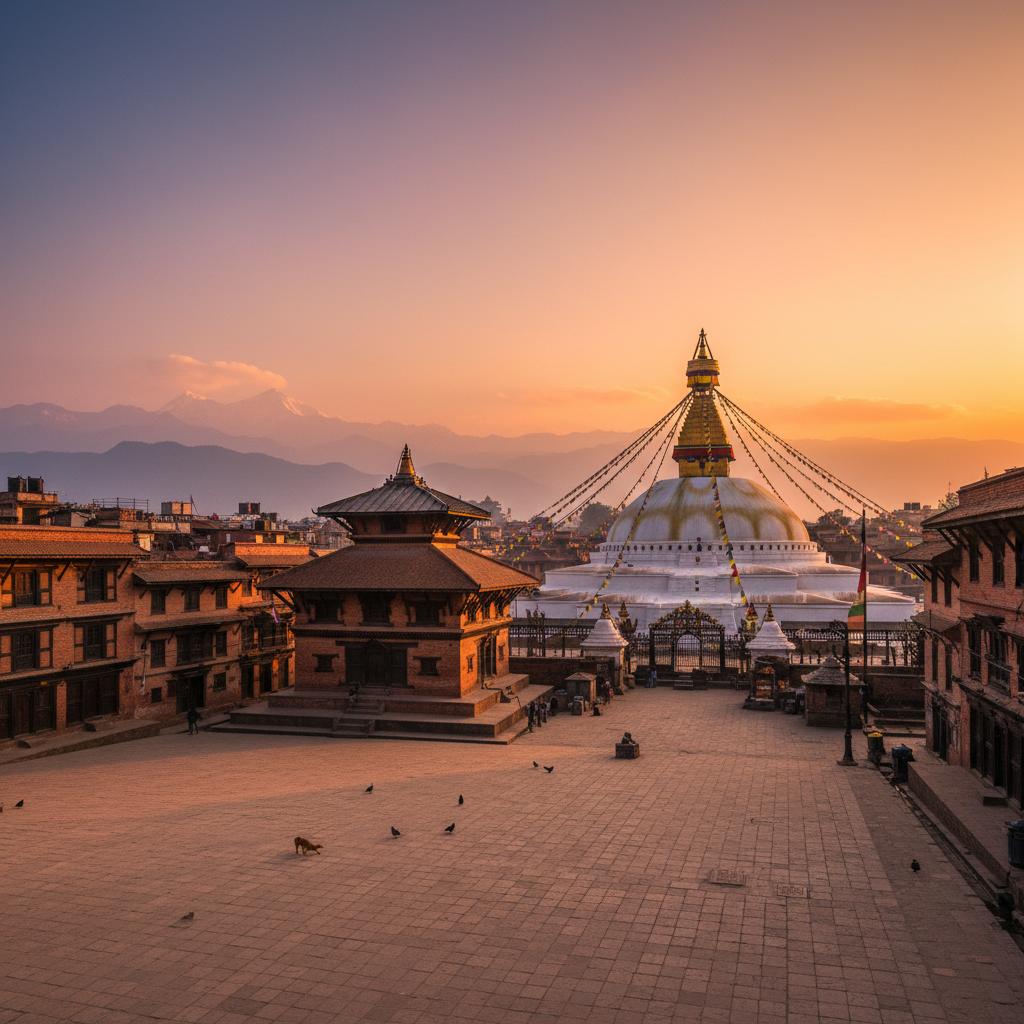
Kathmandu City & Culture: A 4-Day Spiritual Journey
Uncover Kathmandu's spiritual heart and vibrant culture over 4 days. Explore UNESCO sites, witness ancient rituals, and savor authentic Nepali cuisine.
- Duration: 4 Days
- Estimated Budget: $120–$200
- Best Time to Visit: October-November (post-monsoon, clear skies, mild temperatures) and March-April (pre-monsoon, warm, rhododendrons in bloom)
- Destination: Kathmandu, Nepal
Kathmandu's ancient alleyways and bustling squares are a living museum, where Hindu and Buddhist traditions intertwine amidst stunning UNESCO World Heritage sites. This 4-day itinerary dives deep into the city's spiritual essence, offering a rich cultural immersion beyond its reputation as a trekking gateway.
The moment you step into the bustling lanes of Ason Bazaar, a vibrant tapestry of sights, sounds, and smells envelops you. This ancient marketplace, a crossroads for centuries, offers a glimpse into the daily rhythm of local life. Here, vendors hawk everything from colorful spices and fresh produce to intricate metalwork and traditional textiles. It's a place where history breathes, where the air hums with bartering and the aroma of street food mingles with incense. Exploring its narrow passages reveals hidden shrines and centuries-old architecture, providing an authentic immersion into the city's enduring cultural heart. This is where you truly begin to understand the soul of this remarkable destination, far beyond any postcard image.
Should you be concerned about navigating the city's spiritual etiquette? Here's the reality: while Kathmandu is deeply spiritual, it's also incredibly welcoming. The key is respectful observation and a willingness to learn. For instance, when visiting temples or stupas, always walk clockwise (circumambulation) and dress modestly, covering shoulders and knees. Photography is generally permitted, but always ask permission before taking close-up shots of people, especially monks or devotees in prayer. Understanding these simple customs not only shows respect but also enriches your experience, allowing you to engage more deeply with the local culture and its profound traditions without feeling intrusive or out of place.
City and culture travelers spend their mornings exploring the quiet courtyards of ancient palaces, seeking out the intricate wood carvings and hidden deities. You'll find yourself sipping butter tea in a rooftop cafe overlooking a bustling square, absorbing the vibrant energy below. Afternoons might involve wandering through artisanal workshops, watching skilled craftsmen at work, or perhaps joining a local cooking class to master the art of momo making. Evenings often lead to atmospheric restaurants, where you'll savor traditional Nepali thalis, accompanied by the gentle strumming of local music, reflecting on the day's profound discoveries and cultural connections.
Kathmandu Durbar Square & Thamel: Living Goddesses and Ancient Streets
Begin your journey at Kathmandu Durbar Square, a UNESCO World Heritage site, exploring the ancient royal palace complex.
This square is the historical heart of Kathmandu, showcasing exquisite Newari architecture, temples, and courtyards that tell tales of Nepal's royal past. It's an essential first stop to grasp the city's rich heritage.
Visit Kumari Chowk, home to the Kumari, Kathmandu's living goddess, a young girl worshipped by both Hindus and Buddhists.
Witnessing the Kumari is a unique spiritual experience, a direct link to ancient traditions where divinity is embodied in a child. It offers a profound insight into Nepal's spiritual fabric.
Explore the Hanuman Dhoka Palace Museum within Durbar Square, the former royal palace of the Malla and Shah kings.
This museum provides a fascinating glimpse into Nepal's royal history, displaying artifacts, royal regalia, and intricate courtyards. It helps contextualize the grandeur of the square.
Wander down to Freak Street (Jhochhen Tole), once the epicenter of the hippie trail in the 1960s and 70s.
This historic street offers a nostalgic look at a bygone era, with remnants of its bohemian past alongside new cafes and shops. It's a fun contrast to the ancient temples.
Head into Thamel, Kathmandu's bustling tourist hub, known for its vibrant atmosphere, shops, and restaurants.
Thamel is the perfect place to soak in the city's energy, find unique souvenirs, and prepare for any trekking adventures. It's a sensory overload in the best way possible.
Leif's Tip: Kathmandu Durbar Square can be overwhelming with its many temples and courtyards. Consider hiring a local licensed guide at the entrance for an hour or two; their insights into the history and significance of each structure will truly bring the square to life and help you navigate the complex layout efficiently.
The part of Nepal that catches travelers off guard is often the sheer sensory overload — not in a negative way, but in its intensity. Between the intricate dance of traffic, the constant hum of conversations, and the vibrant palette of street art and ancient architecture, knowing where to focus your energy can be daunting. You might wonder which of the countless temples holds the most historical significance, or how to respectfully observe a cremation ceremony without feeling like an intruder. There's also the challenge of finding authentic local eateries amidst the tourist traps, or understanding the subtle nuances of Newari culture. This is precisely where Leif steps in, transforming potential confusion into a seamless, enriching cultural journey tailored just for you.
When you're standing in front of the ancient stupa of Chabahil, wondering about its history and significance beyond a quick Google search, Leif provides the context. Say you want to experience a traditional Nepali meal but you're not sure which local spot offers the most authentic flavors and a welcoming atmosphere — Leif has already curated a list of hidden gems, complete with menu recommendations and a little cultural background on each dish. You land in Tribhuvan International Airport, pull up Leif, and within seconds you know the exact, most reliable way to reach your boutique hotel in Lazimpat, avoiding common taxi scams and starting your adventure with confidence and ease. Leif anticipates your questions and provides the answers before you even think to ask.
Instead of feeling overwhelmed by the sheer scale of the city's spiritual offerings, you'll feel a profound sense of connection to its ancient rhythms. The difference is arriving at a local tea house in Jyatha, knowing exactly which butter tea to order and understanding the ritual behind its preparation, rather than just guessing. You'll move through the bustling markets with purpose, recognizing the significance of the various offerings and handicrafts. Arriving in this captivating city with every detail, from cultural etiquette to the best momo stalls, already mapped out means you can truly immerse yourself, allowing the magic of this spiritual heartland to unfold around you without a single worry about logistics or missed opportunities. You'll simply be present, absorbing every moment.
Best Time to Visit Kathmandu, Nepal
October to November: Post-monsoon, the air is clean, skies are clear, and the temperatures are mild. This is prime trekking season, so the city is vibrant.
March to April: Spring brings warmer weather and blooming rhododendrons, though haze can sometimes obscure mountain views. It's a great time before the summer heat and monsoon.
Avoid June to September: This is monsoon season, bringing heavy rains, humidity, and potential for landslides, which can disrupt travel plans and make sightseeing less enjoyable.
December to February: Winters are dry and clear, but can be quite cold, especially in the mornings and evenings. Days are generally pleasant for exploring.
Getting Around Kathmandu, Nepal
Walking is often the best way to explore Kathmandu's ancient alleyways and Durbar Squares. Wear comfortable shoes!
For longer distances, use ride-sharing apps like Pathao or InDrive for fair and fixed prices. Negotiate taxi fares beforehand if you hail one on the street.
Local buses and microbuses are incredibly cheap but can be crowded and confusing for first-timers. They're an experience, but not always the most practical.
Consider hiring a private car and driver for day trips to Patan or Bhaktapur. It offers flexibility and comfort, especially if you're traveling with others.
What to Pack
- Comfortable walking shoes: You'll be doing a lot of walking on uneven surfaces and ancient cobblestones.
- Light layers: Mornings and evenings can be cool, even when days are warm. A light jacket or shawl is essential.
- Modest clothing: When visiting temples and religious sites, cover your shoulders and knees out of respect. A scarf is versatile.
- Sunscreen and a hat: The Himalayan sun is strong, even on cloudy days. Protect your skin.
- Reusable water bottle: Stay hydrated and reduce plastic waste. Many hotels and cafes offer filtered water refills.
- Small backpack or daypack: Perfect for carrying essentials like water, camera, and souvenirs.
- Cash (Nepalese Rupees): While cards are accepted in some places, many smaller shops, street vendors, and local eateries are cash-only.
- Basic first-aid kit: Include essentials like pain relievers, band-aids, and any personal medications.
Money-Saving Tips
- Eat like a local: Dal bhat (rice, lentil soup, and curries) is incredibly filling, nutritious, and often comes with unlimited refills for around $3. Momos are a delicious and cheap snack.
- Bargain respectfully: In markets and souvenir shops, polite bargaining is expected and can save you a few dollars. Start at about 50-70% of the asking price.
- Use local transport for short distances: Instead of always taking taxis, try a local bus or even a rickshaw for a short, authentic, and cheap ride.
- Stay in guesthouses or budget hotels: Kathmandu has a plethora of clean, comfortable, and affordable accommodations, especially outside of Thamel's busiest streets.
- Refill your water bottle: Avoid buying bottled water repeatedly. Many hotels and cafes have filtered water stations, saving you money and reducing plastic waste.
Local Insights
- Always remove your shoes before entering temples or homes. It's a sign of respect.
- Walk clockwise (circumambulate) around stupas and temples. This is a traditional practice in both Buddhist and Hindu traditions.
- Ask for permission before taking photos of people, especially monks or sadhus. A simple nod or 'Namaste' with a smile usually works.
- The 'Namaste' greeting (palms together, fingers pointing up, slight bow) is a respectful way to greet people. Learn a few basic Nepali phrases like 'Dhanyabad' (thank you).
- Be prepared for power outages (load shedding), though they are less frequent now. Many hotels have generators, but it's good to carry a small flashlight or keep your phone charged.
- Embrace the chaos: Kathmandu is a vibrant, bustling city. Traffic, noise, and crowds are part of its charm. Go with the flow and enjoy the sensory overload.
Frequently Asked Questions
What's the best way to get around Kathmandu?
For short distances within specific areas like Thamel or Durbar Squares, walking is best. For longer distances, taxis are readily available and affordable; always agree on a price before starting your journey. Ride-sharing apps like Pathao and InDrive are also popular and offer set fares. Rickshaws are fun for short, scenic rides but can be slow.
Is it safe to drink tap water in Kathmandu?
No, it is not safe to drink tap water in Kathmandu. Always stick to bottled water, which is widely available, or use a water filter bottle. Many hotels also offer filtered water dispensers for guests to refill their bottles, which is a more eco-friendly option.
What's the local currency and should I bring cash?
The local currency is the Nepali Rupee (NPR). While major hotels and some larger shops accept credit cards, cash is essential for street food, small purchases, local markets, and entrance fees to many heritage sites. ATMs are available, but it's wise to carry a good amount of smaller denominations.
What should I wear when visiting religious sites?
Modest attire is important when visiting temples and stupas. This means covering your shoulders and knees. Loose-fitting, comfortable clothing is ideal, and it's customary to remove your shoes before entering temples or certain areas of stupas. A light scarf can be useful for women to cover their heads if desired.
Is English widely spoken in Kathmandu?
In tourist areas like Thamel, and at hotels and restaurants, English is generally well understood. Outside these areas, basic English may be spoken, but learning a few simple Nepali phrases like 'Namaste' (hello/greeting) and 'Dhanyabad' (thank you) will be greatly appreciated by locals.
What are the typical opening hours for attractions?
Most major cultural and heritage sites in Kathmandu open between 9:00 AM and 10:00 AM and close around 5:00 PM to 6:00 PM. Temples and stupas are often accessible from dawn till dusk. It's always best to check specific timings for individual sites, especially during public holidays.
What's the best time of year to visit Kathmandu for city and culture?
The best times are autumn (September to November) and spring (March to May). During these periods, the weather is clear and pleasant, offering excellent visibility of the Himalayas and comfortable temperatures for exploring. Winter (December to February) is also good but can be colder, especially in the mornings and evenings.