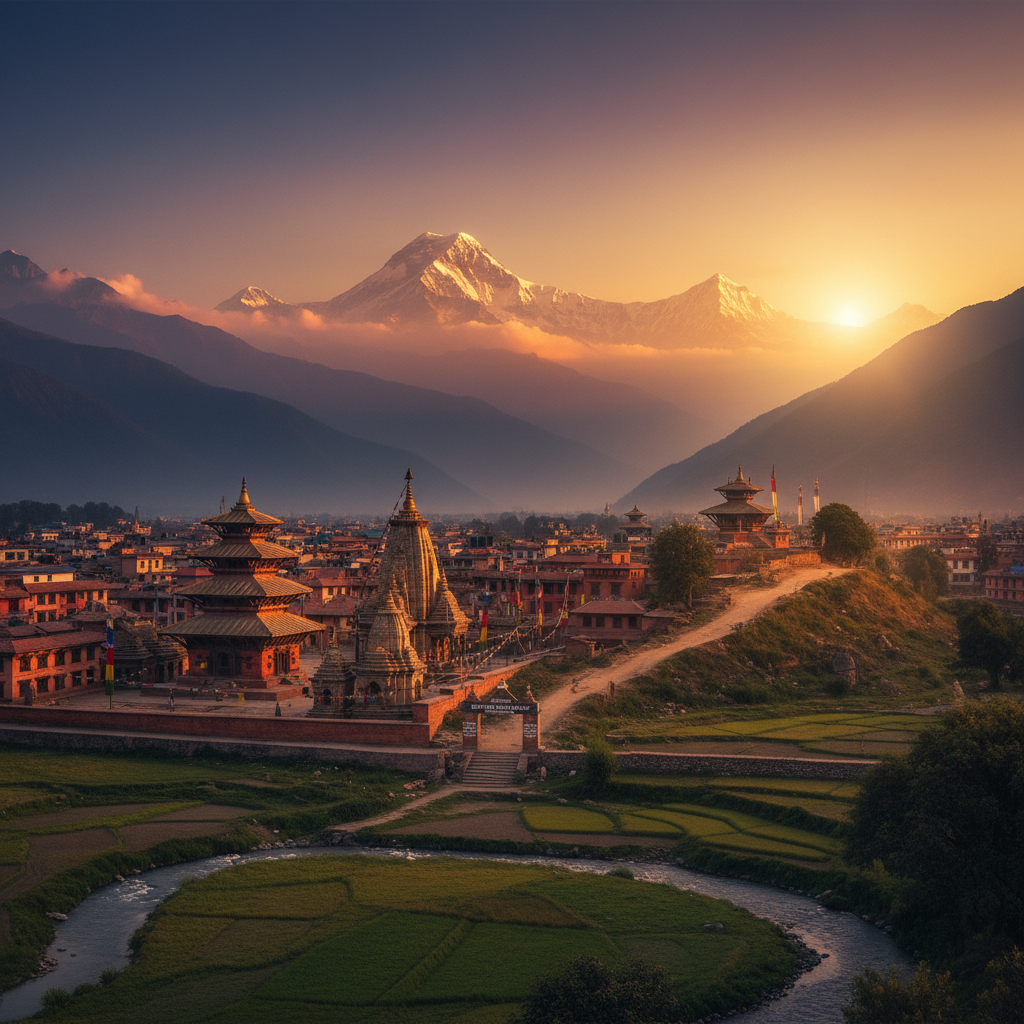
Kathmandu Adventure: 4-Day Himalayan Peaks & Ancient Temples Itinerary
Embark on a 4-day adventure in Kathmandu, exploring ancient temple squares, witnessing Himalayan panoramas, and experiencing the gateway to Everest Base Camp.
- Duration: 4 Days
- Estimated Budget: $380–$650
- Best Time to Visit: October-November (post-monsoon, clear Himalayan views) and March-May (pre-monsoon, rhododendrons blooming).
- Destination: Kathmandu, Nepal
Kathmandu isn't just a city; it's a spiritual awakening and the ultimate launchpad for Himalayan adventures. From the bustling ancient squares to the serene mountain vistas, this 4-day journey will immerse you in Nepal's vibrant culture and breathtaking natural beauty, preparing you for the high peaks or simply leaving you awe-struck.
Durbar Square, with its intricate palaces and bustling marketplaces, is the pulsating heart of the Himalayas, a place where ancient spirituality intertwines with the raw majesty of the world's highest peaks. For the adventurer, it's the ultimate launchpad, a vibrant tapestry of culture and nature that beckons with promises of both profound introspection and exhilarating exploration. Imagine waking to the crisp mountain air, the scent of incense drifting from nearby temples, knowing that within hours, you could be gazing upon Everest's distant silhouette or wandering through a medieval city frozen in time. This isn't a destination for the faint of heart, but for those who crave genuine discovery, a journey to Kathmandu is an unforgettable odyssey into a land where legends are born and spirits soar.
Your adventure begins amidst the UNESCO World Heritage sites that dot the Kathmandu Valley, each a testament to Nepal's rich spiritual heritage. You'll navigate the labyrinthine alleys of Kathmandu Durbar Square, feeling the echoes of ancient kings, and then ascend to Swayambhunath, the iconic Monkey Temple, where the all-seeing eyes of Buddha gaze benevolently over the sprawling city. From there, the sacred rituals of Pashupatinath and the serene grandeur of Boudhanath Stupa offer a deep dive into Hindu and Buddhist traditions, providing a spiritual grounding before your gaze turns skyward. This immersive cultural experience isn't just sightseeing; it's an initiation into the soul of Nepal, preparing you for the breathtaking natural wonders that await.
But the true adventure lies beyond the city's immediate embrace. Kathmandu is your gateway to the Himalayas, offering unparalleled access to vistas that will redefine your understanding of grandeur. Picture yourself witnessing a sunrise from Nagarkot, where the first golden rays illuminate a panorama stretching from Annapurna to Everest, a truly humbling spectacle. Then, for the ultimate thrill, you'll be strategically positioned to embark on treks towards Everest Base Camp or the Annapurna circuit, transforming a dream into a tangible reality. This itinerary is crafted for the intrepid traveler, combining cultural immersion with the unparalleled excitement of Himalayan exploration, ensuring every moment is packed with discovery and awe.
Ancient Palaces and Monkey Kingdom Views
Arrive at Tribhuvan International Airport (KTM), clear customs, and take a pre-booked taxi to your hotel in Thamel.
Starting your adventure smoothly sets the tone for the entire trip. A pre-arranged taxi avoids any hassle upon arrival.
Explore Kathmandu Durbar Square, the ancient royal palace complex and a UNESCO World Heritage site.
Step back in time amidst stunning Newari architecture, intricate carvings, and the living history of Nepal's monarchy. This is where centuries of kings were crowned and ruled.
Walk through the bustling local markets surrounding Durbar Square, soaking in the vibrant street life.
Experience the authentic pulse of Kathmandu, where daily life unfolds amidst colorful stalls and the aroma of spices. It's a sensory feast and a great way to acclimatize.
Ascend to Swayambhunath Stupa, also known as the Monkey Temple, for breathtaking city panoramas.
Witness the iconic all-seeing eyes of Buddha atop the hill, surrounded by hundreds of playful monkeys. The views of Kathmandu Valley, especially as the sun begins to dip, are unparalleled.
Enjoy a traditional Nepali thali dinner in the vibrant Thamel neighborhood.
Thamel is the heart of tourist activity, offering a lively atmosphere and a fantastic introduction to Nepali cuisine. A thali provides a comprehensive taste of local flavors.
Leif's Tip: Take it easy on your first day in Kathmandu. The altitude (1,400m) is manageable for most, but hydrating well and moving at a relaxed pace will help you adjust and fully enjoy the incredible sights without feeling fatigued.
Navigating the ancient alleyways and bustling squares of Kathmandu while simultaneously planning a Himalayan adventure can feel like deciphering a complex tapestry without a guide. You might find yourself overwhelmed by the sheer number of trekking agencies, unsure which ones offer legitimate and safe routes to places like Ghorepani or Poon Hill, or how to secure reliable transport to the starting points for these iconic journeys. Deciding between a sunrise view from Nagarkot or Dhulikhel, or understanding the nuances of acclimatization for higher altitude monastery treks, requires local insight that isn't easily found in generic travel guides. Furthermore, distinguishing between authentic local eateries and tourist traps, or knowing the best times to visit specific temples to avoid peak crowds, are common frustrations. This is precisely where Leif steps in, transforming potential headaches into seamless exploration.
Thamel's bustling streets can be overwhelming, but with Leif's guidance, your Kathmandu adventure becomes seamless and stress-free. You're not left scrambling for a taxi or wondering if you've chosen the right trailhead; instead, your detailed itinerary provides step-by-step guidance, including the best vantage points for panoramic views of the Langtang range and specific instructions for reaching the Nagi Gompa monastery. Later, when you're considering dinner, Leif suggests a hidden gem in Thamel, away from the main tourist drag, that specializes in Newari cuisine, complete with a brief explanation of the dishes to try. This proactive assistance ensures your focus remains on the adventure, not the logistics.
The crisp, cool air of the Kathmandu Valley, carrying faint hints of incense and distant mountain peaks, becomes a constant companion when your journey is meticulously planned. You arrive at each destination feeling not just prepared, but genuinely excited, knowing that every detail, from the best local guide for a monastery trek to the most scenic route for a Himalayan panorama, has been thoughtfully considered. There's a profound sense of liberation in experiencing the vibrant culture and breathtaking landscapes of Nepal without the usual travel anxieties. This allows you to fully immerse yourself in the spiritual energy of ancient sites and the majestic grandeur of the Himalayas, creating memories that will last a lifetime.
Best Time to Visit Kathmandu, Nepal
October-November is ideal: post-monsoon, so the skies are incredibly clear for those stunning Himalayan panoramas from Nagarkot and Chandragiri.
March-May offers pleasant temperatures and the chance to see rhododendrons in bloom, though mountain views might be slightly hazier than in autumn.
Avoid June-September if possible, as this is monsoon season with heavy rains, cloud cover, and potential travel disruptions.
For the best chance of seeing Everest from Nagarkot, aim for clear mornings in October or November.
Early mornings are always best for mountain views, regardless of the season, as clouds tend to build up later in the day.
Getting Around Kathmandu, Nepal
Taxis are readily available and the most convenient way to get around Kathmandu; always agree on the fare before starting your journey to avoid surprises.
For day trips to Nagarkot or Bhaktapur, consider hiring a taxi for the entire day; negotiate a flat rate that includes waiting time.
Within Thamel and the Durbar Squares, walking is the best way to explore and soak in the atmosphere; wear comfortable shoes.
Local buses are very cheap but can be crowded and confusing for first-timers; stick to taxis for comfort and efficiency.
Ride-sharing apps like Pathao or InDriver are gaining popularity and can offer transparent pricing for taxis and motorbikes.
What to Pack
- Comfortable walking shoes are non-negotiable for exploring ancient squares and temple complexes.
- Layers of clothing are essential; mornings can be cool, especially at higher elevations like Nagarkot, while afternoons are warmer.
- A light waterproof jacket or umbrella, particularly if traveling during the shoulder seasons, for unexpected showers.
- Sunscreen, sunglasses, and a hat are crucial due to the high altitude and strong UV rays, especially on clear days.
- A power bank for your phone and other devices, as power cuts (load shedding) can still occur, and you'll be taking lots of photos.
- Hand sanitizer and wet wipes; public restrooms might not always be available or well-maintained.
- A small daypack for water, snacks, and souvenirs during your daily excursions.
- A camera with extra batteries or memory cards to capture the incredible sights.
Money-Saving Tips
- Bargaining is expected in local markets like Thamel; start negotiating at around 50% of the asking price and be prepared to walk away.
- Eat like a local: Dal bhat is incredibly filling, delicious, and often comes with unlimited refills, making it a budget-friendly meal.
- Consider staying in guesthouses or smaller boutique hotels outside the main luxury options for significant savings without sacrificing comfort.
- Walk whenever possible, especially within Thamel and the Durbar Squares, to save on taxi fares.
- Buy bottled water from local shops rather than tourist restaurants, where prices will be inflated.
Local Insights
- Always walk clockwise around stupas and chortens (like Boudhanath and Swayambhunath) as a sign of respect to Buddhist traditions.
- Dress modestly when visiting temples and religious sites; shoulders and knees should be covered.
- Carry small denominations of Nepali Rupees for minor purchases, tips, and entry fees; not all vendors accept larger notes or cards.
- Be prepared for dust and uneven pavements, especially in older parts of the city; a scarf can be useful for covering your mouth and nose.
- Always ask for permission before taking photos of people, especially sadhus or monks, and be prepared to offer a small tip if they agree.
Frequently Asked Questions
What's the best way to get around Kathmandu for an adventure traveler?
For adventure travelers, a mix of walking, taxis, and pre-arranged private cars is ideal. Walking is best for exploring Durbar Squares and Thamel. Taxis are readily available for shorter distances, but always negotiate the fare beforehand. For day trips to Nagarkot or Bhaktapur, a private car with a driver offers flexibility and comfort, allowing you to maximize your time.
How can I prepare for the altitude in Kathmandu?
Kathmandu is at 1,400m (4,600ft), which is generally fine for most people. However, for adventure travelers planning treks, it's wise to take it easy on your first day, stay hydrated, and avoid strenuous activity. Listen to your body, and if you plan to trek higher, ensure you acclimatize properly and consult with your trekking agency.
What should I pack for an adventure trip to Kathmandu?
Pack layers! Days can be warm, but evenings cool down, especially in the mountains. Include comfortable walking shoes, a light jacket, a rain shell (especially during shoulder seasons), sun protection (hat, sunglasses, high SPF sunscreen), and a reusable water bottle. For temple visits, modest clothing covering shoulders and knees is respectful. Don't forget a power bank for those inevitable power cuts!
Is it safe to trek to Everest Base Camp or Annapurna from Kathmandu?
Yes, it is generally safe when organized through reputable trekking agencies. Kathmandu is the primary hub for arranging these treks. Ensure you have the necessary permits (TIMS card and national park permits), proper gear, and ideally, trek with an experienced guide. Always inform someone of your itinerary and be aware of weather conditions.
What are the must-try adventure foods in Kathmandu?
Beyond the delicious dal bhat and momo, seek out a Newari feast at Bhojan Griha for a traditional culinary adventure. For a unique experience, try butter tea – it's an acquired taste but a staple in mountain regions. Always ensure food is cooked fresh and served hot, especially from street vendors, to avoid any travel disruptions.
How can I ensure I get the best Himalayan views?
Timing is key! Visit during October-November or March-May for the clearest skies. For Nagarkot, aim for sunrise on a clear day; check weather forecasts. Chandragiri Hills also offers fantastic panoramas. Early mornings generally provide the best visibility before haze or clouds roll in. Don't forget your camera with a good zoom!
What's the best way to handle money and bargaining in Kathmandu?
Nepali Rupees (NPR) are the local currency. ATMs are available, especially in Thamel. Always carry smaller denominations for local purchases and taxis. Bargaining is expected in markets like Thamel; start at about 50% of the asking price and negotiate politely. For fixed-price restaurants and hotels, prices are usually non-negotiable.