Hong Kong on a Budget: 4-Day Itinerary for HK$400/Day
Discover the real Hong Kong on a shoestring budget! This 4-day guide explores local markets, street food, and hidden gems for under HK$400/day.
- Duration: 4 Days
- Estimated Budget: $200–$550
- Best Time to Visit: October–December (cool, dry, clear skies)
- Destination: Hong Kong
Hong Kong on a budget isn't just possible, it's the best way to experience the city's vibrant street life and authentic culture. Forget the luxury hotels and Michelin stars; this guide dives deep into the cha chaan tengs, bustling wet markets, and MTR-accessible neighborhoods where locals thrive, proving that an unforgettable Hong Kong adventure doesn't require a fat wallet.
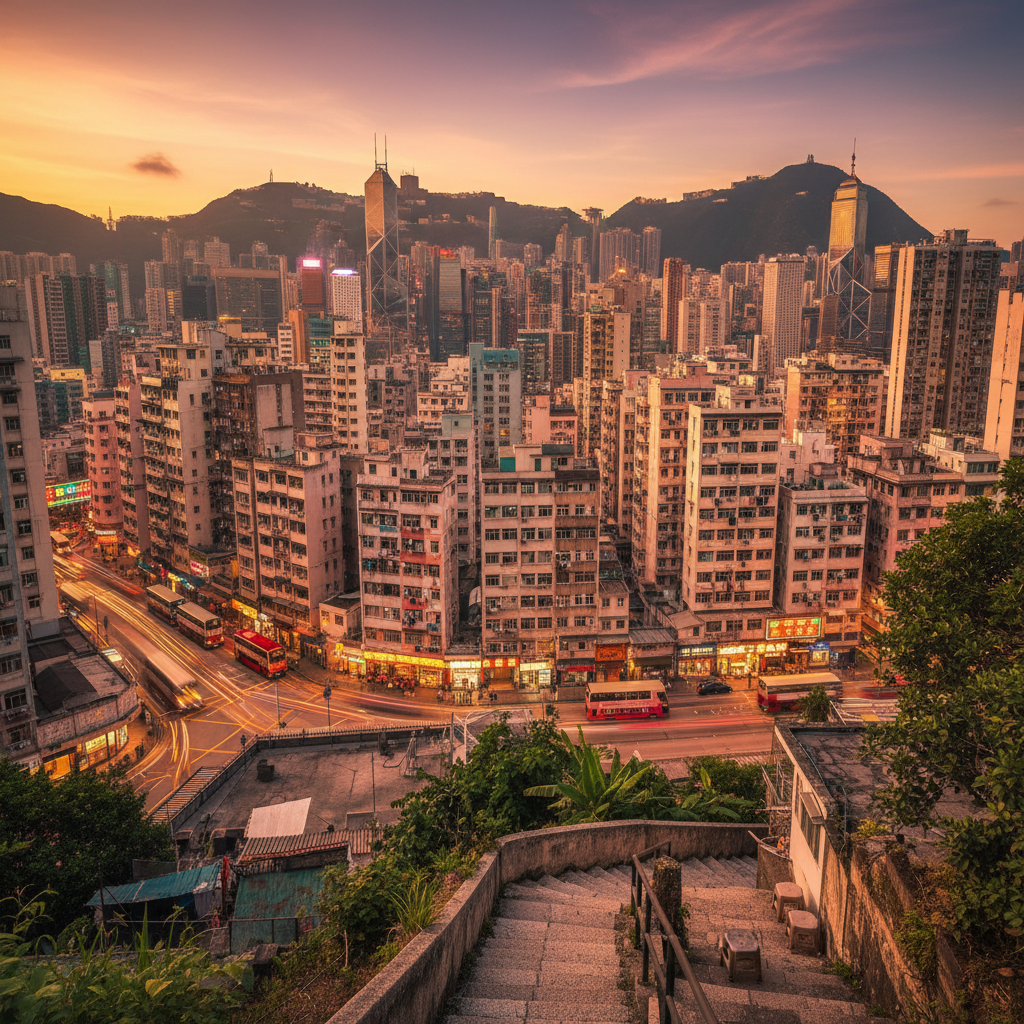
Stepping into the bustling lanes of Sham Shui Po, you're immediately immersed in a sensory explosion that defines authentic Hong Kong. This isn't the city of glittering skyscrapers, but a vibrant, living museum of local life. Here, the aroma of freshly roasted meats mingles with the scent of incense from a nearby temple, while vendors hawk everything from vintage electronics to bolts of colorful fabric. It's a place where you can find a delicious, hearty meal for less than the cost of a coffee elsewhere, and where every turn reveals a new facet of the city's industrious spirit. This district is a testament to Hong Kong's resilience and its deep-rooted community, offering a genuine glimpse into the everyday rhythm of its people.
Is it truly possible to experience the best of this dynamic city on a shoestring budget, without feeling like you're missing out? Absolutely, and in fact, it's often the most rewarding way to discover its true character. The key lies in embracing local transport, savoring street food, and seeking out the countless free or low-cost cultural experiences that are woven into the urban fabric. Instead of grand, expensive attractions, you'll uncover hidden temples, explore vibrant markets, and hike scenic trails that offer breathtaking views without an entry fee. This approach doesn't just save money; it plunges you deeper into the local lifestyle, allowing for more spontaneous discoveries and meaningful interactions away from the typical tourist circuit.
Your days here will unfold with the rhythm of discovery, starting with a steaming bowl of congee or a crispy pineapple bun at a local eatery, fueling you for a morning of exploration. You'll find yourself navigating the labyrinthine alleys of a historic district, perhaps stumbling upon a hidden antique shop or a street art mural, before hopping on a double-decker bus for a scenic ride across town. Afternoons might involve a leisurely stroll through a public park, watching locals practice tai chi, or browsing the vibrant stalls of a street market, honing your bargaining skills. Evenings are for savoring affordable, delicious street food under the glow of neon signs, soaking in the city's electrifying atmosphere without breaking the bank, truly living like a local.
Kowloon's Bustling Markets & Local Bites
Arrive at Hong Kong International Airport (HKG) and take the Airport Express to Hong Kong Station, then transfer to the MTR for your accommodation in Kowloon.
The Airport Express is the fastest and most efficient way to get into the city, and the MTR will connect you directly to your budget-friendly base.
Head to Sham Shui Po, a vibrant district known for its electronics, fabric markets, and incredibly affordable food.
This neighborhood offers a genuine glimpse into local Hong Kong life, far from the tourist crowds, and is a treasure trove for budget shopping.
Explore the Mong Kok markets, starting with the Goldfish Market and then the Flower Market.
These markets are a feast for the senses, offering unique photo opportunities and a fascinating insight into local hobbies and traditions.
Dive into the Ladies Market in Mong Kok, a famous street market where bargaining is key.
It's a quintessential Hong Kong market experience, perfect for finding souvenirs and practicing your negotiation skills on a wide array of goods.
Experience the lively atmosphere of the Temple Street Night Market, browsing stalls and soaking in the local culture.
This iconic night market offers everything from jade and electronics to fortune tellers, providing a vibrant evening adventure.
Leif's Tip: Upon arrival, make sure to get an Octopus card and load it with at least HK$200. This will cover your MTR fares for the day and allow you to quickly pay at convenience stores, making your travel seamless and stress-free without fumbling for change.
Hong Kong has a staggering number of districts, each with its own unique character and hidden gems, and knowing which ones offer the best value and most authentic experiences is the difference between a tourist trap and a genuine adventure. It's not always obvious where to find the local noodle shop that serves the city's best wontons for a steal, or which MTR exit leads directly to a vibrant street art alley instead of a sterile shopping mall. Navigating the sheer volume of choices, while sticking to a strict HK$400 daily budget, can feel like a daunting task before you even pack your bags. Between deciphering local transportation, finding truly affordable yet delicious meals, and uncovering free activities that don't compromise on cultural immersion, the planning process for a budget trip here can quickly become overwhelming, and that's precisely where most travelers get stuck, often resorting to generic, expensive options out of convenience.
Say you're standing at the entrance to the Flower Market in Mong Kok, the air thick with the scent of orchids and jasmine, but you're not sure where to grab a quick, authentic, and incredibly cheap lunch nearby. You pull up Leif, and within moments, it points you to a specific local eatery just a block away, renowned for its HK$40 roast pork rice, complete with directions and a little note about their famous chili oil. Or perhaps you've just finished exploring the historic streets of Sheung Wan and want to find a quiet, free spot to relax and people-watch before heading to Aberdeen. Leif instantly suggests the nearby Blake Garden, detailing its serene atmosphere and providing a direct MTR route, ensuring you maximize your time and budget without missing out on those precious, unscripted moments of local life.
The difference is arriving in this dynamic city with a sense of calm confidence, knowing that every meal, every journey, and every exploration has been thoughtfully considered to fit your budget and your desire for authenticity. Instead of feeling anxious about overspending or missing out on genuine experiences, you'll be savoring a steaming bowl of fish balls from a street vendor, exploring the intricate details of a historic temple, or simply riding a double-decker bus through bustling streets, feeling completely immersed. Arriving in Hong Kong with a meticulously crafted, budget-friendly itinerary already done means you can immediately dive into the vibrant tapestry of local life, from the moment you step off the Airport Express, ready to embrace every affordable, unforgettable moment this incredible city has to offer.
Best Time to Visit Hong Kong
October to December: These months offer the most pleasant weather with cool, dry air and clear skies, perfect for exploring on foot.
Avoid July to September: This is typhoon season, bringing extreme humidity, heavy rain, and potential travel disruptions.
Spring (March to May): Generally warm and humid, but still manageable for sightseeing before the peak summer heat.
Winter (January to February): Mild and can be a bit chilly, but often sunny. Pack layers for cooler evenings.
Check local holidays: Avoid major Chinese holidays if possible, as attractions can be very crowded and prices might be higher.
Getting Around Hong Kong
Get an Octopus Card immediately at the airport: It's essential for MTR, buses, trams, and even convenience stores, making travel seamless and often cheaper.
Utilize the MTR extensively: It's Hong Kong's most efficient and affordable transport system, connecting most major areas.
Walk, walk, walk: Many neighborhoods are best explored on foot, especially in areas like Central, Sheung Wan, and Mong Kok. It's free and you discover hidden gems.
Take local buses for scenic routes: They are cheaper than taxis and offer a great way to see different parts of the city, especially in the New Territories.
Skip taxis unless absolutely necessary: They are expensive and will quickly eat into your HK$400 daily budget.
What to Pack
- Comfortable walking shoes: You'll be doing a lot of walking on varied terrain, from city streets to hiking trails.
- Lightweight, breathable clothing: Hong Kong can be humid, even in cooler months, so layers are key.
- A small umbrella or rain jacket: Sudden downpours can happen, especially outside of the driest season.
- Reusable water bottle: Stay hydrated and save money by refilling at public water fountains or cafes.
- Portable power bank: For keeping your phone charged while navigating and taking photos all day.
- Daypack: To carry essentials like water, snacks, and any market finds.
- Sunscreen and hat: Even on cloudy days, the sun can be strong, especially when exploring outdoors.
- Basic toiletries: Hostels often provide minimal amenities, so bring your own.
Money-Saving Tips
- Eat like a local at cha chaan tengs and dai pai dongs: These offer delicious, filling meals for a fraction of the price of tourist restaurants.
- Buy snacks and drinks from 7-Eleven or Circle K: They're ubiquitous and offer cheap hot food options like curry fish balls and siu mai.
- Focus on free activities: Hong Kong has countless free attractions, from temples and markets to parks and hiking trails.
- Utilize free WiFi: Available at MTR stations and many public spaces to save on data costs.
- Consider a hostel dorm bed: This is the biggest way to save on accommodation, leaving more for food and experiences.
- Bargain respectfully at markets: Especially at places like Ladies Market, a bit of friendly haggling can save you money.
- Pack light to avoid baggage fees: If flying budget airlines, every dollar counts.
Local Insights
- Embrace the cha chaan teng culture: Don't be shy about ordering a set meal or trying local favorites like milk tea and pineapple buns.
- Don't be afraid to try street food: From egg waffles to curry fish balls, it's a delicious and authentic part of the Hong Kong experience.
- Learn a few Cantonese phrases: Even a simple 'M goi' (thank you/excuse me) or 'Ng goi' (no, thank you) can go a long way.
- Be mindful of personal space: Hong Kong is a densely populated city, so expect crowds, especially on public transport.
- Explore wet markets: They offer a fascinating glimpse into local life and are great for cheap, fresh produce.
- Happy Valley Racecourse on a Wednesday night: Even if you don't bet, the atmosphere is electric and entry is free.
Frequently Asked Questions
How can I get around Hong Kong cheaply?
The MTR (subway) is your best friend. It's efficient, clean, and covers most of the city. Buses and trams are even cheaper and offer scenic routes. Always get an Octopus card at the airport for seamless travel and small purchases.
What are the best budget-friendly food options?
Embrace cha chaan tengs (local diners) for breakfast and lunch, dai pai dongs (open-air food stalls) for dinner, and street food vendors for snacks. Look for roast goose, wonton noodles, egg waffles, and curry fish balls – all delicious and affordable.
Is it safe to stay in budget accommodations like Chungking Mansions?
Yes, Chungking Mansions is generally safe. While its exterior might seem daunting, the guesthouses inside are secure, and it's a bustling, central hub for backpackers. Just be aware of your surroundings as you would in any busy urban area.
Can I drink tap water in Hong Kong?
While tap water in Hong Kong is officially safe to drink, many locals and visitors prefer to boil it first or drink bottled water. To save money and reduce plastic waste, consider carrying a reusable bottle and refilling it at filtered water stations found in some public places or hostels.
What free activities are there in Hong Kong?
Plenty! Explore wet markets, hike the numerous trails, visit public parks and gardens, browse street markets, walk through historic neighborhoods, and enjoy the views from various waterfront promenades. Many temples and cultural centers also offer free entry.
How much cash should I carry daily?
While many places accept Octopus card or digital payments, it's wise to carry HK$100-200 in cash for smaller street vendors, local eateries that might not accept cards, and unexpected purchases. ATMs are widely available.
What's the etiquette for bargaining at markets?
Bargaining is expected at places like Ladies Market or Temple Street Night Market, especially for souvenirs and clothing. Start by offering about half the asking price and work your way up. Always be polite and keep it lighthearted; if you can't agree, simply walk away.