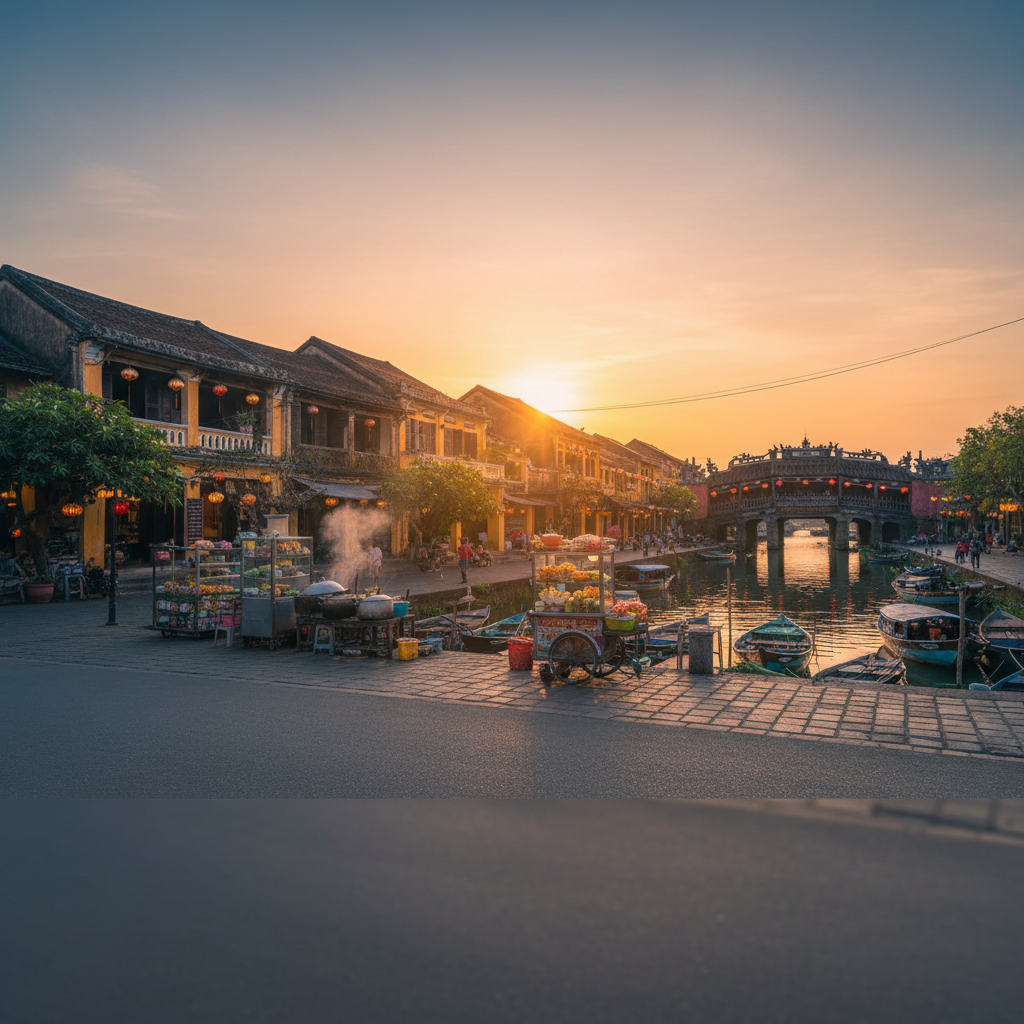
Hoi An Food Lover's Guide: 4 Days of Cao Lau, Banh Mi & Ancient Town Delights
Savor 4 days of culinary bliss in Hoi An, Vietnam. This food lover's guide uncovers the secrets of Cao Lau, Banh Mi Phuong, and hidden street food gems.
- Duration: 4 Days
- Estimated Budget: $120–$280
- Best Time to Visit: February-August for dry, sunny weather. Avoid October-December due to monsoon season and potential flooding.
- Destination: Hoi An, Vietnam
Hoi An's Ancient Town isn't just a UNESCO site; it's a living, breathing culinary museum where dishes like Cao Lau and White Rose dumplings are fiercely protected and impossible to replicate elsewhere. For the serious food lover, this charming city offers a unique opportunity to taste history and tradition, bite by delicious bite.
The Hoi An Central Market, especially in the early morning, is where the city's culinary heart truly beats. You'll witness a vibrant symphony of vendors meticulously arranging fresh produce, exotic herbs, and glistening seafood, all destined for the day's delicious creations. This isn't just a shopping trip; it's an immersive cultural experience, a sensory overload of sights, sounds, and aromas that tells the story of Hoi An's deep connection to its ingredients. The sheer abundance and freshness of everything, from plump lychees to fragrant lemongrass, will ignite your appetite and set the stage for an unforgettable food adventure. It's the perfect starting point to understand the soul of this food-obsessed town.
Should you try to navigate the labyrinthine food stalls and tiny eateries purely on instinct? Here's the reality: while wandering is charming, truly unlocking Hoi An's culinary secrets requires a bit of guidance. Many of the most authentic and beloved dishes are tucked away in unassuming spots, often without English menus or prominent signage. Without knowing the specific historical context of dishes like the unique noodles or the single-source dumplings, you might miss the profound stories behind each bite. Understanding which stalls specialize in what, and why certain ingredients are sacred here, transforms a meal from good to genuinely legendary. Leif helps you cut through the noise to find the true gems.
Food lovers in Hoi An spend their afternoons delving into hands-on culinary experiences, like a cooking class at Red Bridge. Imagine taking a scenic boat trip down the Thu Bon River, arriving at a serene riverside setting, and then learning the intricate art of crafting spring rolls or perfecting the balance of a local curry. It's an active, engaging way to connect with the food beyond just eating it. You'll find yourself grinding spices, chopping fresh vegetables, and understanding the delicate balance of flavors that define Vietnamese cuisine, all while surrounded by the tranquil beauty of the countryside. This isn't just a lesson; it's a journey into the heart of Hoi An's gastronomic heritage.
You'll arrive in Hoi An, pull up Leif, and within seconds you know exactly where to find the best bowl of Com Ga, the specific stall for Banh Dap, and which cooking class aligns perfectly with your interests. Leif doesn't just list restaurants; it provides the 'why' behind each recommendation, the insider tips that transform a good meal into an extraordinary experience. Say you're wondering if that bustling street vendor is truly authentic or just a tourist trap – Leif's guide has already done the vetting for you, pointing you towards the places where locals genuinely flock. It’s like having a knowledgeable friend who lives in Hoi An whispering the best secrets directly into your ear, ensuring every culinary decision is a confident and delicious one. This means less time scrolling reviews and more time savoring every exquisite bite.
A Taste of Hoi An: Banh Mi, White Rose & Cao Lau Immersion
Arrive in Hoi An and check into your accommodation, dropping off your bags to prepare for a day of culinary exploration.
Settling in first allows you to explore the town without luggage, setting a relaxed tone for your food adventure. It's crucial to feel refreshed before diving into Hoi An's vibrant food scene.
Head straight to Banh Mi Phuong for the legendary banh mi that Anthony Bourdain raved about.
This isn't just a sandwich; it's a cultural icon and a must-try for any food lover in Vietnam. The blend of fresh ingredients, crispy baguette, and savory fillings is unparalleled.
Take a leisurely stroll through the Ancient Town, focusing on the back alleys and less-traveled paths to discover hidden food stalls.
Beyond the main streets, these quieter lanes often hide authentic local eateries and snack vendors. It's a fantastic way to stumble upon unexpected culinary delights and soak in the atmosphere.
Experience the delicate artistry of White Rose Dumplings at the famous White Rose Restaurant.
These translucent, shrimp-filled dumplings are unique to Hoi An, made by a single family for all local restaurants. It's a taste of history and local tradition in every bite.
Savor an authentic bowl of Cao Lau, Hoi An's signature noodle dish, at Thanh Cao Lau.
Cao Lau is the quintessential Hoi An dish, with its unique noodles made from ancient well water and tree ash. This restaurant is renowned for its traditional preparation and rich flavors.
Leif's Tip: Upon arrival, purchase a local SIM card immediately. Having data will be invaluable for navigating, looking up restaurants, and translating menus on the fly, ensuring you never miss a hidden gem or a crucial ingredient explanation.
Between knowing which specific ancient well's water is used for authentic Cao Lau noodles, understanding that only one family makes all the White Rose dumplings for the entire town, and navigating the bustling alleys to find the exact Banh Mi stall Anthony Bourdain raved about, Hoi An can feel overwhelming before you even arrive. It’s not just about finding a restaurant; it’s about understanding the deep-rooted traditions and the precise culinary geography that makes this city's food so unique. Without this insider knowledge, you might end up with a perfectly fine meal, but you'd miss the soul-stirring experience of tasting dishes that are genuinely irreplaceable. This is exactly where Leif steps in, transforming potential confusion into pure culinary joy.,When you're standing near the Thu Bon River, perhaps wondering if you should try the riverside seafood or delve deeper into the Ancient Town for another local specialty, Leif has already anticipated this moment. Your guide will highlight not just the best places for Com Ga, but also the story behind Mrs. Buoi's legendary recipe and the specific time of day when her chicken rice is at its peak. Say you want to learn to make these dishes yourself but you're not sure which cooking school offers the most authentic experience – Leif will point you towards Red Bridge, explaining the market tour and boat trip that elevate it beyond a simple class. It’s about more than just directions; it’s about enriching every bite with context and confidence.,Instead of poring over endless online reviews, trying to decipher which 'local' spot is truly authentic, you'll arrive in Hoi An with a clear, curated path to its most iconic flavors. The difference is the quiet satisfaction of knowing you’re about to taste a Cao Lau noodle made with water from the Ba Le well, or a White Rose dumpling crafted by the descendants of its original creators. You'll savor each bite, not just for its taste, but for the history and tradition it represents. Arriving in Hoi An with Leif's culinary roadmap already done means your entire trip transforms into a seamless, delicious exploration, leaving you free to simply eat, learn, and fall in love with Vietnam's most gastronomic city. [Your First Trip to Asia Will Define Every Trip After It. Here's Where to Start.](https://askleif.com/blog/your-first-trip-to-asia-will-define-every-trip-after-it)
Best Time to Visit Hoi An, Vietnam
February to August is ideal for food lovers, offering dry, sunny weather perfect for exploring the Ancient Town's food stalls and markets without rain.
Avoid October to December at all costs; this is monsoon season, and the Ancient Town frequently floods, making culinary exploration difficult and unpleasant.
March to May offers pleasant temperatures and less humidity, making it comfortable for walking between food stops and enjoying outdoor dining.
Early mornings are best for visiting the Hoi An Central Market to see it in full swing and to enjoy breakfast dishes like Cao Lau before the crowds arrive.
Evenings are magical for street food, with lanterns illuminating the Ancient Town and a vibrant atmosphere for sampling snacks and dinner.
Getting Around Hoi An, Vietnam
The Ancient Town is car-free, so walking is your primary and most enjoyable mode of transport for food hopping.
Rent a bicycle for a few dollars a day to explore areas just outside the Ancient Town, like Cam Nam Island for The Deck House, or to easily reach Banh Mi Phuong.
Grab taxis or ride-hailing apps like Grab are readily available for longer distances, such as getting to and from your hotel if it's outside the Ancient Town.
Consider a short boat ride across the Thu Bon River from the Ancient Town to Cam Nam Island for a unique approach to riverside dining.
Many hotels offer complimentary shuttle services to and from the Ancient Town; check with your accommodation to save on transport.
What to Pack
- Lightweight, breathable clothing (linen, cotton) for the warm and humid climate.
- Comfortable walking shoes or sandals for navigating the cobblestone streets and market stalls.
- A small, reusable water bottle to stay hydrated while exploring and sampling dishes.
- Sunscreen, a wide-brimmed hat, and sunglasses for protection during daytime food adventures.
- Insect repellent, especially if you plan to eat outdoors in the evenings or near the river.
- A portable power bank for your phone, as you'll be using it for photos, maps, and restaurant research.
- A small backpack or tote bag for carrying market purchases or leftover snacks.
- An umbrella or light rain jacket if traveling during the shoulder seasons, just in case.
Money-Saving Tips
- Embrace street food and local eateries; dishes like Cao Lau, Banh Mi, and Com Ga are incredibly affordable and delicious at local spots.
- Drink local Vietnamese coffee (ca phe sua da) or fresh fruit shakes instead of imported sodas or expensive bottled water.
- Visit the Hoi An Central Market for breakfast and lunch; the food stalls inside offer some of the best and cheapest authentic dishes.
- Consider sharing dishes with travel companions to sample more variety without overspending or overeating.
- Negotiate prices politely at market stalls, especially if buying multiple items, but remember that food prices are generally very fair.
Local Insights
- Don't be afraid to try street food from vendors with busy queues; it's often a sign of freshness and quality.
- When eating Banh Mi Phuong, join the queue even if it looks long; it moves quickly, and the wait is absolutely worth it.
- Always try the local chili sauce offered with dishes; it's a staple of Hoi An cuisine and adds a fantastic kick.
- Observe how locals eat certain dishes (e.g., mixing ingredients in Cao Lau) to enhance your own culinary experience.
- Don't hesitate to ask vendors for recommendations or what's freshest; they're usually happy to share their knowledge with enthusiastic foodies.
Frequently Asked Questions
What's the best way to experience the local street food scene without getting overwhelmed?
Focus on one or two specific dishes each time you venture out. Rather than trying to eat everything at once, pick a renowned spot for Cao Lau, then a separate one for Banh Mi, and savor each experience. This prevents 'food fatigue' and allows you to appreciate the nuances of each dish. Look for places with long lines of locals – always a good sign!
Are there vegetarian or vegan options readily available for these specific Hoi An dishes?
While traditional Cao Lau and White Rose dumplings are meat-based, many restaurants in Hoi An are accustomed to dietary requests. You can often find vegetarian Cao Lau (with tofu instead of pork) and sometimes even vegan versions if you ask. Banh Mi can be customized with egg or tofu. Always ask 'An chay duoc khong?' (Can I eat vegetarian?) to confirm.
How can I ensure the street food I'm eating is safe and hygienic?
Look for stalls that are busy and have a high turnover of food, as this means ingredients are fresh. Observe the cleanliness of the vendor's hands and cooking area. If you see locals eating there, it's generally a good indicator of safety. Avoid places where food has been sitting out uncovered for long periods.
Is it necessary to book cooking classes in advance, especially during peak season?
Yes, it's highly recommended to book cooking classes like Red Bridge or Morning Glory in advance, especially if you're traveling during the busy dry season (February-August). They often fill up quickly due to their popularity and limited class sizes. Booking ahead ensures you secure your spot and don't miss out on this fantastic experience.
What's the best time of day to try Banh Mi Phuong to avoid the longest queues?
Banh Mi Phuong is famous, so queues are almost always present. Your best bet to minimize waiting is to go either right when they open around 6:30-7:00 AM or later in the afternoon, closer to 3:00-4:00 PM. The lunch rush (12:00-2:00 PM) is usually the busiest. Even with a queue, it moves quickly, so don't be deterred!
Beyond the famous three, what's another unique Hoi An dish I absolutely shouldn't miss?
Don't leave without trying Banh Dap, also known as 'smashing rice paper.' It's a delightful snack consisting of a crispy grilled rice cracker layered with a soft, steamed rice paper, often served with a savory dipping sauce. It's a textural marvel and a true local specialty, best found at small stalls near the covered market.
How much should I expect to pay for a typical street food meal or a dish at a local restaurant?
Hoi An's local food is incredibly affordable. You can expect to pay around $1.50 - $3 USD for a bowl of Cao Lau, a Banh Mi, or White Rose dumplings. Even a full meal at a local eatery, including drinks, rarely exceeds $5-7 USD per person. Fine dining options will naturally be more, but still excellent value compared to Western prices.