Ho Chi Minh City on a Budget: 4-Day $20/Day Street Food & Cafe Culture Guide
Discover Ho Chi Minh City on a shoestring! This 4-day guide unlocks local street food, hidden cafes, and a Mekong Delta trip for just $20 USD/day.
- Duration: 4 Days
- Estimated Budget: $40–$100
- Best Time to Visit: December–April (dry season, 28-33°C)
- Destination: Ho Chi Minh City, Vietnam
Can you truly immerse yourself in the vibrant chaos of Ho Chi Minh City without breaking the bank? Absolutely. This guide proves that Vietnam's southern gem is not only accessible but incredibly rewarding for budget travelers, offering a rich tapestry of flavors and experiences far beyond the usual tourist traps.
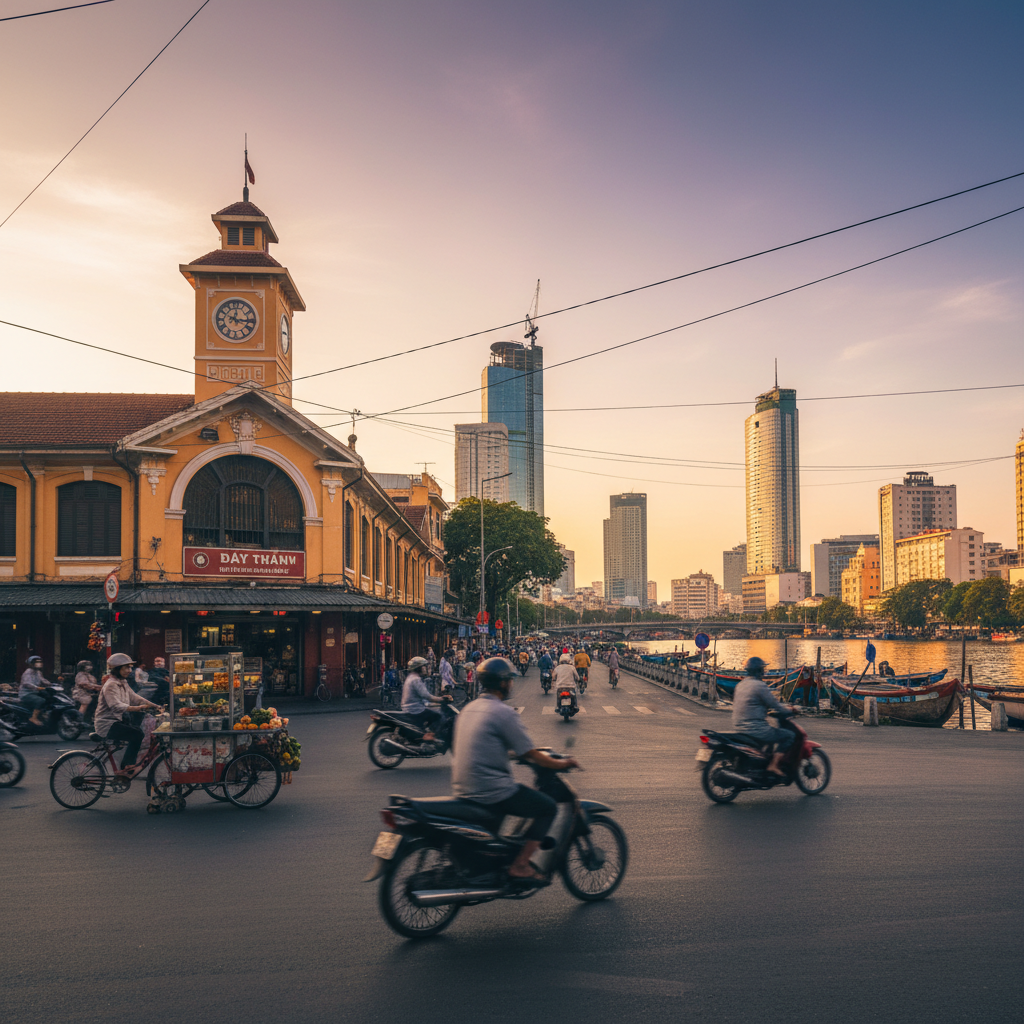
Stepping into a bustling cafe in District 3, the aroma of robust Vietnamese coffee mingles with the murmur of local conversations and the clatter of ceramic cups. This isn't just a coffee shop; it's a window into the city's soul, a place where history meets modern life over a meticulously brewed cup. You'll find students hunched over laptops, elders sharing stories, and young creatives sketching in notebooks, all fueled by the potent ca phe sua da. It’s a vibrant, authentic slice of daily life, offering a quiet counterpoint to the city's relentless energy, and a perfect starting point for understanding the local pulse without spending a fortune.
How do you truly experience the authentic pulse of this southern Vietnamese metropolis without falling into common tourist traps? The reality is that many visitors gravitate towards the well-trodden paths, missing out on the genuine local experiences that make this city so special. Avoiding the overly commercialized areas and instead seeking out the vibrant street food scenes of District 4 or the wholesale markets of District 5 will transform your trip. It's about knowing where the locals eat, shop, and relax, allowing you to stretch your budget further while diving deeper into the rich cultural fabric of the city.
Budget travelers spend their evenings navigating the labyrinthine alleys of District 4, where the air hums with the sizzle of banh xeo and the rich scent of bun mam. Here, plastic stools spill onto sidewalks, and every corner offers a new culinary adventure for just a few dollars. You'll find yourself pointing at dishes you don't recognize, trusting the recommendations of friendly vendors, and sharing tables with families enjoying their evening meals. This immersive street food circuit isn't just about eating; it's a sensory explosion, a social experience, and an unforgettable way to connect with the city's vibrant, unpretentious spirit, all while keeping your daily spend well under control.
District 3's Colonial Charms & Coffee Culture
Start your day with a classic Vietnamese breakfast: Banh mi op la from a bustling street cart, paired with a strong Ca phe sua da from a local cafe.
This is the true local way to fuel up, offering an authentic taste of Vietnamese street food culture right from the start. You'll experience the vibrant morning energy and delicious flavors that are a staple for Saigonese.
Explore the Reunification Palace, a pivotal historical landmark frozen in time since the fall of Saigon in 1975.
This palace offers a fascinating glimpse into Vietnam's recent history, allowing you to walk through the former presidential offices and private quarters. The underground war room is particularly compelling, showing the strategic heart of the South Vietnamese government.
Admire the exterior of the Notre-Dame Cathedral, a stunning example of French colonial Gothic architecture.
Even under restoration, the cathedral's red brick facade and twin spires are incredibly photogenic and a testament to Saigon's colonial past. It's a beautiful architectural contrast to the surrounding Vietnamese cityscape.
Step inside the Central Post Office, a grand colonial building designed by Gustave Eiffel, still operating as a functional post office.
Beyond its architectural beauty, the post office offers a unique blend of history and daily life. You can send a postcard, admire the intricate details, and feel the bustling energy of a bygone era.
Embark on a District 3 café crawl, starting with Cộng Cà Phê, then The Workshop, and finally Saigon Oi for a rooftop view.
District 3 is the heart of Saigon's burgeoning café culture, offering diverse atmospheres from quirky communist-themed to sophisticated specialty coffee houses. It's the perfect way to experience local hangouts and relax.
Leif's Tip: Embrace the Grab app (for motorbikes or cars) for easy and affordable transportation throughout the city. It's much cheaper and more transparent than traditional taxis, and you can pay directly through the app, avoiding any currency confusion. Always confirm your destination and price before hopping on.
The part of Ho Chi Minh City that catches travelers off guard is not the chaotic traffic or the language barrier, but the sheer volume of choices when it comes to authentic experiences versus tourist traps. Navigating the sprawling districts, understanding which street food stalls are genuinely local and safe, and figuring out how to access places like the Mekong Delta without overpaying for a packaged tour can feel like a full-time job before you even arrive. You want to taste the real flavors, see the genuine sights, and feel the true rhythm of the city, but the fear of missing out or making an expensive mistake is real. This is precisely the kind of challenge that Leif is built to solve, cutting through the noise to give you a clear, actionable path.
Say you've just finished exploring the serene courtyards of the Jade Emperor Pagoda and you're wondering where to grab a truly local lunch that won't break your budget. You pull up Leif, and within seconds, it directs you to Xom Chieu Market in District 4 – not just to the market itself, but to a specific stall known for its incredible hu tieu, a rice noodle soup that locals swear by. Leif tells you exactly how much to expect to pay, how to get there via a Grab motorbike for less than a dollar, and even a little about the history of the dish. This isn't just a list of places; it's a real-time, hyper-specific guide that anticipates your needs and provides the kind of insider knowledge that transforms a good trip into an unforgettable one, all while keeping your daily spending perfectly on track.
Instead of arriving in Ho Chi Minh City with a vague itinerary and the anxiety of constantly checking prices, you'll step off the bus from the airport with a detailed, day-by-day plan that feels like it was custom-made for you. You'll know exactly which local cafes in District 3 offer the best ca phe sua da, how to confidently order a banh mi op la from a street cart, and the most cost-effective way to explore the bustling Binh Tay Market. The difference is the freedom to immerse yourself fully in the vibrant street life, the rich history, and the incredible food scene, knowing that every choice you make is both authentic and budget-friendly. You'll leave Ho Chi Minh City not just with souvenirs, but with a deep, personal connection to its spirit, ready to tell stories of genuine discovery.
Best Time to Visit Ho Chi Minh City, Vietnam
December to April offers the best weather, with sunny days and less humidity, perfect for exploring on foot or by motorbike.
Avoid the rainy season from May to November if you dislike daily afternoon downpours, which can make street food hopping a bit challenging.
Even during the dry season, mornings and evenings are cooler, making outdoor activities more pleasant.
Festivals like Tet (Lunar New Year) in late January or early February can be exciting, but many local businesses close, and prices might increase.
Getting Around Ho Chi Minh City, Vietnam
Embrace Grab (the Southeast Asian Uber/Lyft) for motorbikes or cars; it's cheap, convenient, and you'll avoid price haggling.
Local buses are incredibly affordable for longer distances, like getting to the airport or Mien Tay bus station for your Mekong Delta trip.
Walking is your best friend for short distances within districts, allowing you to stumble upon hidden gems and local eateries.
Negotiate taxi fares upfront if you opt for a traditional taxi, or insist on the meter to avoid being overcharged.
What to Pack
- Lightweight, breathable clothing (cotton or linen) for the tropical heat.
- Comfortable walking shoes or sandals for navigating busy streets and markets.
- A small, quick-drying towel for unexpected downpours or just to wipe off sweat.
- A portable power bank to keep your phone charged for navigation and photos.
- Sunscreen, a wide-brimmed hat, and sunglasses to protect yourself from the intense sun.
- A reusable water bottle to stay hydrated and reduce plastic waste.
- A light rain jacket or umbrella during the rainy season, even if you try to avoid it.
- Basic toiletries and any personal medications, as specific brands might be hard to find.
Money-Saving Tips
- Stick to street food and local eateries; they offer the most authentic flavors at unbeatable prices.
- Opt for local guesthouses or hostels with dorm rooms to keep accommodation costs to a minimum.
- Utilize public transportation like buses for longer distances and Grab motorbikes for shorter hops.
- Bargain respectfully in markets (especially Binh Tay) for souvenirs or goods, but remember prices are already low.
- Drink local Vietnamese coffee (ca phe sua da) instead of expensive international coffee chains.
- Take advantage of free attractions like temples, pagodas, and churches, which are plentiful and beautiful.
Local Insights
- Learn a few basic Vietnamese phrases like 'hello' (xin chào), 'thank you' (cảm ơn), and 'how much?' (bao nhiêu tiền) – locals appreciate the effort.
- Be mindful of your belongings, especially in crowded markets and on busy streets, as pickpocketing can occur.
- Cross the street confidently but cautiously; traffic can seem chaotic, but drivers are generally used to navigating around pedestrians.
- Embrace the chaos! Ho Chi Minh City is vibrant and energetic; go with the flow and enjoy the sensory overload.
- Don't be afraid to try new foods from street vendors; some of the best culinary experiences are found on plastic stools by the roadside.
Frequently Asked Questions
Is it safe to eat street food in Ho Chi Minh City on a budget?
Absolutely! Street food is a cornerstone of local life and incredibly safe if you follow a few simple rules: look for busy stalls with high turnover, observe how food is prepared, and opt for dishes that are cooked fresh to order. Most locals eat street food daily, and it's where you'll find the most authentic (and cheapest) flavors.
How can I get around Ho Chi Minh City cheaply?
Grab (the Southeast Asian equivalent of Uber) for motorbikes is your best friend for getting around cheaply and efficiently. Short rides within districts typically cost less than $1-2 USD. For longer distances, the local bus system is incredibly affordable, though it requires a bit more navigation. Avoid traditional metered taxis from the airport if possible, as they can be overpriced.
What's the best way to manage my daily $20 USD budget?
Prioritize street food for all your meals, which will cost $5-8 USD/day. Use Grab motorbikes or local buses for transport ($1-3 USD/day). Choose dorm accommodation ($4-9 USD/night). Most major attractions are free or cost less than $2 USD. Coffee and a single splurge drink at a rooftop bar can fit within the remaining budget.
Can I really do a Mekong Delta day trip for under $20 USD independently?
Yes, it's entirely possible! Skip the organized tours and take a local bus to My Tho (around $2.50 USD each way). Once there, negotiate directly with a boat owner at the waterfront for a private tour of the islands (around $6-9 USD/hour, split if you find others). Lunch on the islands is also very affordable, keeping your total well within budget.
Are there any free activities in Ho Chi Minh City?
Many of the city's most beautiful and culturally significant sites are free to enter. Examples include the Notre-Dame Cathedral (exterior), Central Post Office, Thien Hau Temple, Giac Lam Pagoda, Jade Emperor Pagoda, and Tan Dinh Church. Exploring local markets like Binh Tay or Xom Chieu also offers a rich cultural experience without an entry fee.
What's the best way to handle money and currency exchange?
Vietnamese Dong (VND) is the local currency. Exchange a small amount at the airport for immediate needs, but better rates can often be found at gold shops or official currency exchange counters in the city center. ATMs are widely available, but be aware of foreign transaction fees. Always carry small denominations for street vendors.
Is it easy to find vegetarian/vegan food on a budget?
Yes, Vietnam has a strong Buddhist tradition, making vegetarian (chay) food widely available and affordable. Look for 'Com Chay' restaurants, which offer buffet-style vegetarian meals for very low prices. Many street food stalls can also adapt dishes to be vegetarian if you ask for 'khong thit' (no meat).