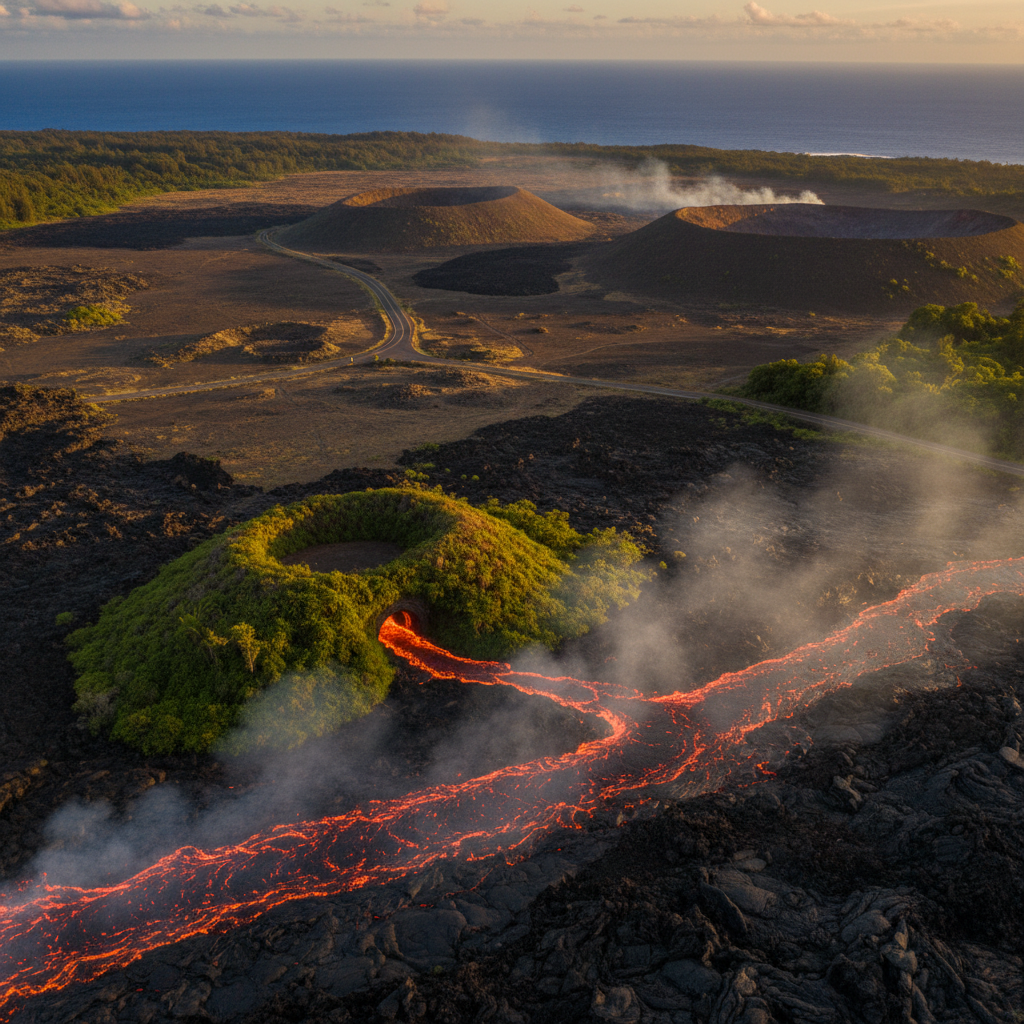
Hawaii Volcanoes National Park: 2-Day Volcanic Adventure Guide
Unleash your inner explorer with this 2-day volcanic adventure in Hawaii Volcanoes National Park. Witness active lava flows, explore ancient lava tubes, and hike through Earth's most dynamic landscape.
- Duration: 2 Days
- Estimated Budget: $240–$840
- Best Time to Visit: Year-round; check nps.gov/havo for current eruption status.
- Destination: Hawaii Volcanoes National Park, Big Island, Hawaii, USA
Standing before Kīlauea's active lava flows, where creation and destruction merge, Hawaii Volcanoes National Park offers an unparalleled opportunity to witness the raw power of creation, with active lava flows, glowing craters, and landscapes sculpted by fire. This isn't just a trip... Hawaii Volcanoes National Park offers an unparalleled opportunity to witness the raw power of creation, with active lava flows, glowing craters, and landscapes sculpted by fire. This isn't just a trip; it's an immersive journey into the heart of our planet's geological engine, perfect for those seeking an active and awe-inspiring adventure.
Welcome, fellow adventurer, to the Big Island of Hawaii, where the very earth breathes and shifts beneath your feet! This isn't just a national park; it's a living, breathing geological marvel, a place where you can explore the Thurston Lava Tube, a subterranean marvel carved by ancient flows. Imagine standing at the rim of Halemaumau Crater as twilight paints the sky, watching the molten heart of Kīlauea glow a fiery orange, casting an ethereal light on the surrounding landscape. This two-day volcanic adventure is designed for those who crave the thrill of discovery, who want to feel the ancient mana of Hawaii, and who aren't afraid to get a little dusty exploring the most geologically active landscape on Earth. Prepare to be awestruck by the sheer scale and beauty of nature's artistry, from ancient lava tubes to vast, newly formed land.
Our journey will take you deep into the heart of Hawaii Volcanoes National Park, a UNESCO World Heritage Site that truly lives up to its designation. We'll start by immersing ourselves in the Kīlauea caldera, exploring the otherworldly Thurston Lava Tube, a 500-year-old subterranean passage that feels like stepping into another dimension. You'll hike across a solidified lava lake, where the stark contrast between lush rainforest and barren volcanic rock tells a powerful story of resilience and rebirth. Then, as night falls, we'll return to the Halemaumau Crater Overlook, where Kīlauea's fiery breath paints the night sky, an unforgettable spectacle that will etch itself into your memory. This is your chance to witness the Earth's relentless creative force up close, a truly humbling experience.
Day two plunges us into the dramatic landscapes carved by countless eruptions along the iconic Chain of Craters Road. This isn't just a scenic drive; it's a journey through time, past ancient pit craters, spatter cones, and vast lava fields that stretch to the horizon. We'll pause to connect with Hawaii's rich cultural heritage at the Pu'u Loa Petroglyphs, where thousands of ancient carvings tell stories of generations past, etched into the very rock. Finally, we'll reach the dramatic Holei Sea Arch, a testament to the ocean's power against the volcanic coast, where the road literally ends where lava met the sea. This itinerary promises an unparalleled adventure, blending geological wonder with cultural depth, leaving you with a profound appreciation for the Big Island's fiery spirit.
Kīlauea's Fiery Heart: Caldera Glow and Ancient Tubes
Start your adventure at the Kīlauea Visitor Center to get the lay of the land and crucial updates.
This is your essential first stop for understanding the park's dynamic geology and current eruption status. You'll find out the best spots for lava viewing and any trail closures.
Walk through the illuminated Thurston Lava Tube, a 500-year-old subterranean marvel.
It's an incredible experience to walk inside a tunnel carved by molten rock centuries ago, feeling the cool, damp air and seeing the unique geological formations. It offers a tangible connection to the power of the volcano.
Embark on the Kīlauea Iki Trail, descending into a solidified lava lake from the 1959 eruption.
This 4-mile loop offers an unparalleled contrast between lush rainforest and barren, cracked lava, showcasing nature's resilience and the sheer scale of volcanic power. Walking across the crater floor feels otherworldly.
Enjoy dinner with a view, then head to an overlook for the Halemaumau Crater.
Witnessing the sheer scale of the 3,000-foot-wide pit crater in daylight is impressive, but it truly comes alive after dark. This is your chance to scout your evening viewing spot.
Return to the Halemaumau Crater Overlook to witness the mesmerizing orange glow of the lava lake.
There's nothing quite like seeing the active lava lake glow in the darkness, a truly primal and awe-inspiring display of Earth's raw power. It's the highlight of any visit to Volcanoes National Park.
Leif's Tip: Pack layers! The weather in Volcanoes National Park can change dramatically from sunny and warm to rainy and chilly within minutes, especially at higher elevations. Being prepared with a rain jacket and a fleece will make your experience much more comfortable, allowing you to fully enjoy both day and night activities.
Navigating the dynamic landscape of Hawaii Volcanoes National Park presents unique challenges beyond typical travel planning. You need to understand real-time volcanic activity, which trails are open or closed due to gas emissions or recent lava flows, and how to safely experience the park's ever-changing features. Deciphering the best times to view Kīlauea's glow, avoiding crowds at popular spots like the Devastation Trail, and knowing which sections of Chain of Craters Road offer the most impactful views requires more than just a map. Furthermore, understanding the cultural significance of sites like Pu'u Loa Petroglyphs and respecting the sacredness of this land adds another layer of complexity. This isn't a static museum; it's a living, breathing geological wonder that demands informed preparation, precisely what Leif provides.
Halemaumau Crater Overlook, though popular, is only one of many ways to witness the awe-inspiring power of Kīlauea. Instead of scrambling for information or settling for a crowded overlook, your Leif itinerary seamlessly guides you to a less-frequented, yet equally breathtaking, viewpoint that offers unobstructed views of the caldera's fiery heart. It anticipates the shift in light, suggests the precise moment to arrive for the best photographic opportunities, and even recommends a nearby, locally-loved spot for a quick, satisfying dinner before heading back for more stargazing. Leif ensures you're always in the right place at the right time, maximizing your awe-inspiring encounters without any guesswork.
The crisp, sulfur-tinged air of the caldera at dawn, as steam vents whisper ancient secrets, confirms you're experiencing this incredible place with depth and intention. You arrive feeling prepared, not just with a plan, but with an understanding of the park's rhythms and nuances. There’s a profound satisfaction in knowing you're not missing out on hidden gems or getting caught in tourist traps, but rather engaging authentically with the raw power and beauty of the Big Island's volcanic heart. This journey isn't just about seeing; it's about truly connecting with the Earth's creative force, and Leif ensures every moment of that connection is seamless and deeply rewarding.
Best Time to Visit Hawaii Volcanoes National Park, Big Island, Hawaii, USA
Year-round is great, but shoulder seasons (April-May, September-November) offer fewer crowds and pleasant weather.
For active lava viewing, check the NPS website (nps.gov/havo) for current eruption status and best viewing times before you go.
Visit Halemaumau Crater at dusk or after dark for the most dramatic views of the lava lake's glow.
Arrive at Thurston Lava Tube early in the morning (before 9 AM) to avoid the tour bus crowds and experience it more peacefully.
Getting Around Hawaii Volcanoes National Park, Big Island, Hawaii, USA
Renting a car is absolutely essential for exploring Hawaii Volcanoes National Park; public transport is non-existent.
Fuel up your rental car in Hilo or Kona before heading to the park; gas stations are scarce and more expensive near Volcano Village.
Be prepared for varying road conditions, from smooth park roads to potentially rougher sections if you venture off the main routes.
Allow ample time for driving, especially on Chain of Craters Road, as you'll want to stop frequently for photos and short walks.
Consider a 4x4 if you plan to explore any unpaved roads outside the main park, though it's not necessary for the primary attractions.
What to Pack
- Sturdy hiking shoes or boots for uneven volcanic terrain and trails.
- Layers of clothing, including a light jacket or rain shell, as weather can change quickly from sunny to misty and cool.
- A headlamp or flashlight for night lava viewing and exploring any unlit sections of trails.
- Plenty of water and snacks, as food options within the park are limited.
- Sunscreen, sunglasses, and a wide-brimmed hat for protection from the strong Hawaiian sun.
- Binoculars for better views of distant lava flows or wildlife.
- A camera with extra batteries and memory cards to capture the incredible landscapes.
- A small backpack for day hikes to carry essentials.
Money-Saving Tips
- Pack your own snacks and drinks to avoid higher prices at park concessions and Volcano Village.
- Consider staying in Volcano Village instead of inside the park for slightly more budget-friendly lodging options, though Volcano House is an experience.
- If you're military or government personnel, look into Kilauea Military Camp for significant savings on accommodation.
- Purchase a Hawaii Tri-Park Annual Pass if you plan to visit other national parks in Hawaii within a year.
- Take advantage of free ranger programs and guided walks offered by the park service to learn more without extra cost.
Local Insights
- Always stay on marked trails and obey all park signage; venturing off-trail can be dangerous and damage fragile ecosystems.
- Remember that you are visiting a sacred place to Native Hawaiians; be respectful of cultural sites like the Pu'u Loa Petroglyphs.
- The air quality can be affected by volcanic gases (vog); if you have respiratory issues, check current conditions before visiting.
- Never take lava rocks or sand from the park; it's considered bad luck (Pele's Curse) and is illegal.
- Support local businesses in Volcano Village for meals and souvenirs to contribute to the community.
Frequently Asked Questions
What's the best way to see the lava glow at Halemaumau Crater?
The absolute best time to witness the mesmerizing lava glow at Halemaumau Crater is at dusk and after dark. The contrast between the fiery orange lava lake and the inky night sky is simply breathtaking. Aim to arrive at the Halemaumau Crater Overlook just before sunset to experience the transition from daylight to the full, vibrant glow. Bring a headlamp for navigating the paths in the dark.
Do I need a 4x4 vehicle for this trip?
No, a standard rental car is perfectly sufficient for exploring Hawaii Volcanoes National Park. All the main roads, including Chain of Craters Road and Mauna Loa Road, are paved and well-maintained. While some pull-offs might be gravel, you won't encounter any off-road conditions that require a 4x4. Just ensure you have plenty of gas, as stations are scarce within the park.
How much hiking is involved, and what should I wear?
This itinerary includes moderate hiking, such as the 4-mile Kīlauea Iki Trail and the 1.4-mile round trip to the Pu'u Loa Petroglyphs. Sturdy, closed-toe walking shoes or hiking boots are essential. Dress in layers, as temperatures can vary significantly from the cooler summit to the warmer coast, and weather can change quickly. A rain jacket is always a good idea, and don't forget sun protection like a hat and sunscreen.
Is it safe to visit an active volcano?
Yes, visiting Hawaii Volcanoes National Park is generally safe, as long as you adhere to all park warnings, closures, and ranger instructions. The park service constantly monitors volcanic activity and will close areas if they become unsafe. Never venture off marked trails, and be aware of volcanic gases, which can be hazardous, especially for those with respiratory issues. Always check nps.gov/havo for the latest conditions and alerts before your visit.
Where should I eat within or near the park?
For a meal with an incredible view, the Volcano House restaurant (The Rim) offers dining right on the Kīlauea caldera. For more options, Volcano Village, just outside the park entrance, has several charming local eateries. Kīlauea Lodge Restaurant is a highly-rated option for a more upscale dinner, known for its hearty, delicious food and cozy ambiance. For a casual lunch, try Thai Thai Bistro & Bar in Volcano Village for excellent Thai cuisine.
Can I see flowing lava on this trip?
While Kīlauea is one of the world's most active volcanoes, surface lava flows are not always visible or accessible. This itinerary focuses on the glowing lava lake in Halemaumau Crater and the incredible landscapes created by past flows. If there are accessible surface flows during your visit, the Kīlauea Visitor Center will have the most up-to-date information on viewing locations. Always check with park rangers for current conditions and safety guidelines.
What's the best way to get to Hawaii Volcanoes National Park?
The park is most easily accessed by flying into Hilo (ITO), which is about 30 miles northeast of the park entrance. Kona (KOA) is another option, but it's a longer drive at about 96 miles. Renting a car is absolutely essential for exploring the park, as public transportation is nonexistent, and the park is vast. The entrance is conveniently located directly off HI-11.