Havana on a Budget: 4-Day Itinerary for €55/Day
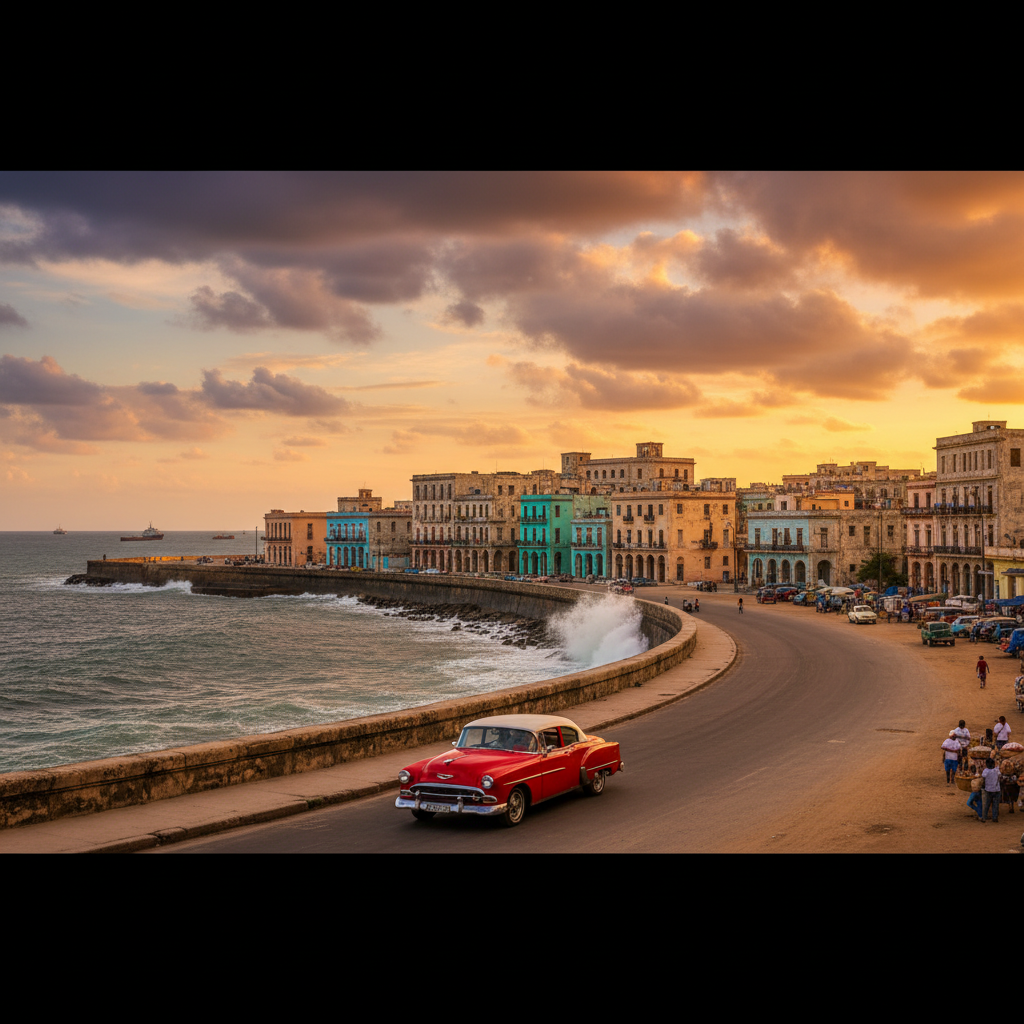
Explore Havana on a shoestring budget! This 4-day guide reveals how to experience classic cars, Malecón sunsets, and authentic Cuban culture for just €55/day.
- Duration: 4 Days
- Estimated Budget: $220–$220
- Best Time to Visit: November-April for dry, sunny weather and cooler temperatures.
- Destination: Havana, Cuba
Havana offers an unparalleled adventure for the budget-savvy traveler, where every euro stretches further than you'd imagine. This guide unlocks the secrets to navigating Cuba's unique system, ensuring you experience the vibrant heart of the city without breaking the bank. Get ready to discover the real Havana, from historic plazas to local eateries, all while keeping your wallet happy.
Stepping into the lively atmosphere of Calle Obispo, you're immediately immersed in the city's pulse. This pedestrian street, a vibrant artery stretching through the historic quarter, offers a free-flowing spectacle of daily life. You'll hear the rhythmic beats of street musicians, catch glimpses of art galleries tucked into colonial buildings, and observe locals going about their day. It's a sensory feast that costs nothing to enjoy, providing an authentic introduction to the city's charm and the resilient spirit of its people. This thoroughfare is more than just a street; it's a living museum, a place where every corner holds a story, and every interaction offers a window into the soul of this captivating island nation.
Is it truly possible to navigate Cuba's unique currency landscape without overspending? Absolutely. The key lies in understanding the local currency (CUP) and where to use it, especially for everyday expenses like street food or local transport. While tourist-facing establishments often quote prices in euros, many smaller, local businesses operate solely in CUP, offering significantly lower prices for the same goods and services. Knowing how to access and utilize CUP, often through informal exchanges or specific local eateries, is crucial for stretching your budget. This insight allows you to experience the city's authentic flavors and daily rhythms at a fraction of the cost, making your euros go much further than you might initially expect.
Budget-conscious travelers spend their evenings strolling along the iconic waterfront, where the city truly comes alive after dark. As the sun dips below the horizon, painting the sky in fiery hues, the sea wall transforms into a communal living room. Families gather, friends share rum and stories, and young couples find quiet corners. You'll witness impromptu dance parties, hear the strumming of guitars, and feel the cool ocean breeze. It's an immersive cultural experience that requires no entry fee, just your presence. This nightly ritual offers an unparalleled opportunity to observe local life, engage with friendly residents, and soak in the infectious energy that defines this Caribbean gem, all while enjoying breathtaking views.
Old Havana's Pulse: From Colonial Grandeur to Malecón Sunsets
Begin your exploration in Habana Vieja (Old Havana) with the Plaza de la Catedral, a stunning example of Cuban Baroque architecture.
This plaza is a postcard-perfect introduction to Havana's colonial past and offers incredible photo opportunities. It's a vibrant hub where history comes alive.
Wander over to the Plaza de Armas, the oldest square in Havana, and browse the second-hand book market.
This historic square is steeped in history and offers a glimpse into local life. The book market is a treasure trove for unique souvenirs and literary finds.
Continue to the Plaza Vieja, a beautifully restored square surrounded by colorful buildings and lively cafes.
This plaza is a fantastic spot for people-watching and soaking in the atmosphere. Its vibrant architecture and history make it a must-see.
Walk past the majestic Capitolio building, an architectural marvel reminiscent of the US Capitol.
While you won't be going inside on this budget trip, its sheer scale and grandeur are impressive from the outside. It's a symbol of Havana's past ambitions.
Head to the Malecón for a quintessential Havana sunset experience.
The 8km seafront boulevard is the social heart of Havana, where locals gather every evening to socialize, play music, and enjoy the ocean breeze. It costs nothing and offers the best people-watching in Cuba.
Leif's Tip: Before you even leave your casa particular, ask your host for directions to the nearest ETECSA office to buy a NAUTA card. Having internet access, even for an hour, will be invaluable for quick look-ups and connecting with home, but remember it only works in designated Wi-Fi zones.
Between the ever-shifting currency rates, the challenge of finding authentic local experiences amidst tourist traps, and the practicalities of a cash-only economy, visiting this vibrant island nation can feel like navigating a complex maze. It's not just about finding cheap places; it's about discerning which 'cheap' is genuinely local and safe, which bus route actually goes where you need, and how to connect with the internet without wasting precious euros. Most travelers struggle with knowing where to exchange money safely for the best rate, or how to order a meal in a local 'peso' restaurant without being charged tourist prices. This intricate dance between local life and tourist expectations is where many trip plans falter, leading to unnecessary expenses or missed opportunities for genuine cultural immersion.,Say you're standing near the ornate entrance of the Gran Teatro de La Habana Alicia Alonso, wondering how to get to the residential district of Miramar without paying for an overpriced tourist taxi. You pull up Leif's guide, and within moments, you have clear instructions: walk a few blocks to the main street, identify the specific 'almendrón' route by its destination sign, and know exactly how much CUP to hand the driver. Leif doesn't just tell you to 'take a local bus'; it provides the street names, the approximate fare, and even tips on how to signal the driver. This level of detail means you're not just saving money; you're experiencing the city like a local, confidently navigating its rhythms and discovering hidden gems along the way, turning potential confusion into an authentic adventure.,You'll arrive in this captivating city knowing exactly where to find the best street food for a few cents, how to negotiate a fair price for a souvenir in a local market, and which hidden courtyards offer a peaceful escape from the bustling streets. Instead of feeling overwhelmed by the dual economy or isolated by language barriers, you'll feel empowered, connected, and ready to embrace every spontaneous moment. The difference is savoring a freshly made 'guarapo' (sugarcane juice) from a street vendor, knowing you paid the local price, rather than settling for an expensive, watered-down version in a tourist cafe. This preparation means your journey will be filled with genuine interactions, delicious discoveries, and the profound satisfaction of truly experiencing the heart of Cuba, all within your budget. <p><strong>Ready to plan your Havana trip?</strong> Read our full guide: <a href="/blog/havana-cuba-complete-travel-guide-what-to-know">Havana Will Make You Feel Things You Weren't Prepared For — and That's Exactly the Point</a>.</p>
Best Time to Visit Havana, Cuba
November to April offers the most pleasant weather, avoiding hurricane season and the intense summer heat.
January and February are ideal for cooler temperatures and lower humidity, perfect for exploring on foot.
Avoid hurricane season (June to November) if possible, as it can bring heavy rains and travel disruptions.
Visiting in the shoulder seasons (May, early November) can offer slightly lower prices and fewer crowds, though it's warmer.
Getting Around Havana, Cuba
Embrace 'almendrones' (shared classic car taxis) for inter-neighborhood travel; they're incredibly cheap (€0.50-€1 per ride) and a true Cuban experience.
Walk as much as possible, especially in Habana Vieja and Centro Habana, to soak in the atmosphere and save money.
Local buses are incredibly cheap but can be crowded and confusing for first-timers; ask your casa host for guidance if you're adventurous.
Bici-taxis (bicycle taxis) are good for shorter distances within neighborhoods but negotiate the price beforehand and don't overpay.
What to Pack
- Lightweight, breathable clothing (cotton or linen) for the warm, humid climate.
- Comfortable walking shoes are non-negotiable; you'll be doing a lot of exploring on uneven streets.
- A refillable water bottle to stay hydrated and reduce plastic waste.
- Sunscreen, a hat, and sunglasses to protect yourself from the strong Caribbean sun.
- Basic first-aid kit, including pain relievers, band-aids, and any personal medications, as pharmacies can be limited.
- A small backpack or daypack for daily excursions.
- A portable power bank for your phone, as outlets can be scarce or inconvenient.
- A physical map or downloaded offline maps; internet access is not always reliable.
Money-Saving Tips
- Exchange money on the street or with trusted locals for the best CUP rate (often 1 EUR = 250-280 CUP), avoiding official Cadeca rates (1 EUR = 120 CUP).
- Eat at 'paladares' (private restaurants) that cater to locals in CUP; you can get a full meal for €1-€3.
- Buy local produce and snacks from street vendors or small markets; fresh fruit is delicious and cheap.
- Stay in 'casas particulares' (private homestays); they are your best budget accommodation option (€20-€35/night) and often include breakfast.
- Limit your internet usage; NAUTA cards are cheap but hours can run out quickly, so plan your online time wisely.
Local Insights
- Always carry small denominations of CUP; change can be hard to come by, especially for larger bills.
- Learn a few basic Spanish phrases; it goes a long way in interacting with locals and navigating daily life.
- Be prepared for frequent power outages and water shortages, especially in older buildings; it's part of the Cuban experience.
- Cubans are incredibly friendly and resourceful; don't be afraid to ask for help or directions, but be aware of 'jineteros' (hustlers) who might offer unsolicited services.
- Embrace the slower pace of life; things don't always run on schedule, and patience is a virtue in Cuba.
Frequently Asked Questions
How can I get the best exchange rate for my euros in Cuba?
For the best rates, avoid official exchange houses (CADECA) and instead exchange euros with trusted individuals or at private businesses, often referred to as 'el mercado informal'. Your casa particular host can usually facilitate this safely and at a much more favorable rate than the official channels. Always count your money carefully.
Is it safe to walk around Havana, especially as a budget traveler?
Havana is generally very safe, even at night. Cubans are friendly and welcoming. As with any city, exercise common sense: be aware of your surroundings, avoid flashing large sums of cash, and stick to well-lit areas. Petty theft can occur, but violent crime against tourists is rare.
How do I find affordable local food beyond tourist restaurants?
Look for 'paladares' (private restaurants) that cater to locals, often identifiable by their simpler facades and menus in CUP. Street food vendors selling 'pan con lechón' (pork sandwich) or fruit are incredibly cheap and delicious. Ask your casa particular host for recommendations for 'peso restaurants' where you can eat for a few CUP.
What's the best way to get around Havana on a budget?
Walking is free and the best way to explore many areas. For longer distances, use 'almendrones' (shared classic taxis) which operate on fixed routes and charge around 25-50 CUP per person. Local buses are even cheaper but can be crowded and confusing for first-timers. Avoid private tourist taxis unless absolutely necessary.
Can I use my credit or debit card in Cuba?
No, credit and debit cards, especially those issued by US banks, are generally not accepted. Cuba is a cash-based society for tourists. It is essential to bring enough cash (euros are preferred) for your entire trip, plus an emergency fund. Do not rely on ATMs.
How do I access the internet in Cuba?
Internet access is available through ETECSA Wi-Fi hotspots, found in parks, plazas, and some hotel lobbies. You'll need to purchase a NAUTA scratch card (1-2 EUR for 1 hour) from an ETECSA office or authorized vendor. The cards have a username and password to log in. Signal can be slow but is usually reliable in hotspot zones.
What kind of accommodation is best for budget travelers?
'Casas particulares' (private homestays) are the ideal budget option. They offer affordable rooms (typically 20-35 EUR/night), often include breakfast, and provide an invaluable opportunity to interact with Cuban families and gain local insights. Look for the blue anchor symbol outside homes.