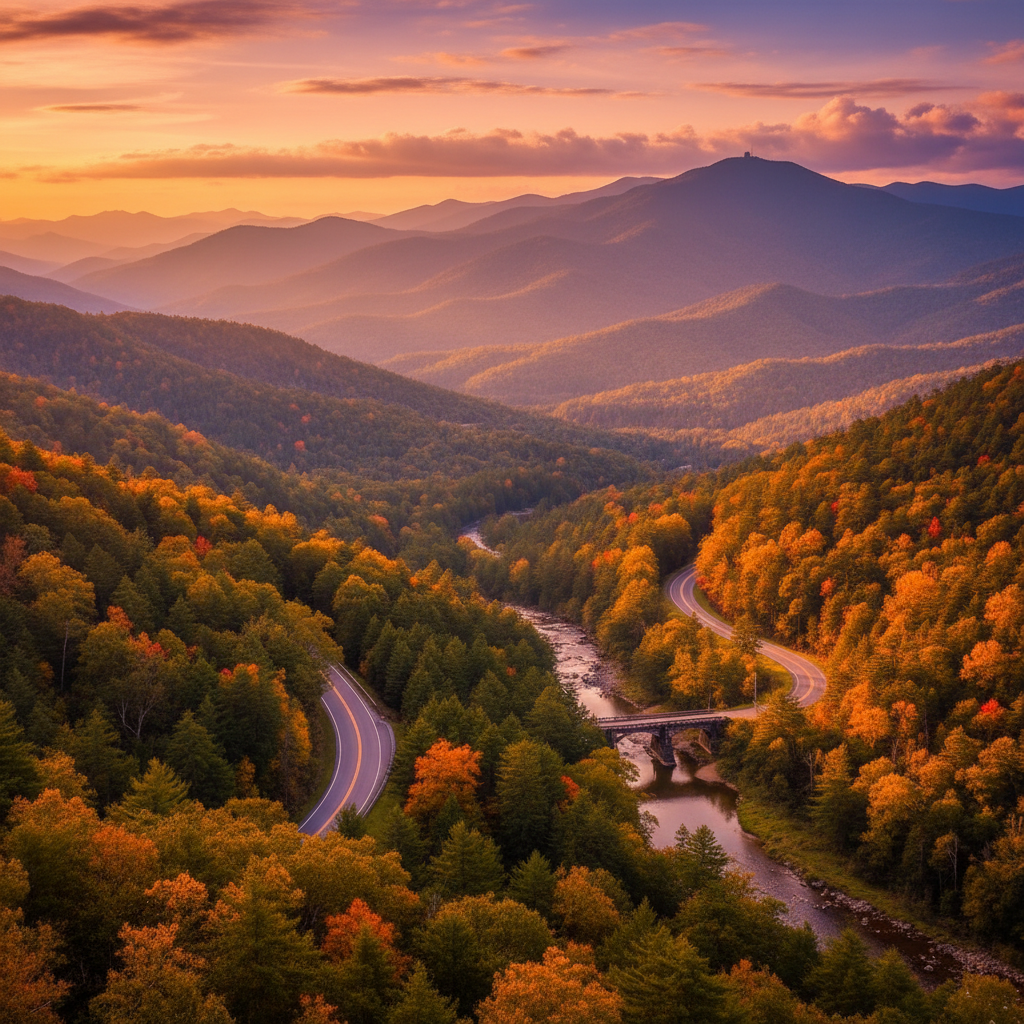
Great Smoky Mountains First-Timer's Guide: 7 Days of Iconic Sights & Hidden Gems
Your essential 7-day guide to Great Smoky Mountains National Park for first-timers. Discover what makes America's most visited park special and how to avoid the crowds.
- Duration: 7 Days
- Estimated Budget: $805–$1,260
- Best Time to Visit: April-May for wildflowers and pleasant temperatures, or mid-October for spectacular fall foliage.
- Destination: Great Smoky Mountains National Park, Tennessee/North Carolina, USA
Standing on a scenic overlook in Great Smoky Mountains National Park, you're gazing out at... America's most beloved and most visited national park! If you're a first-timer, prepare to be enchanted by ancient mountains, diverse wildlife, and a rich cultural history. This guide will help you navigate the crowds, find the hidden gems, and truly experience the magic of the Smokies without feeling overwhelmed.
Journey into Great Smoky Mountains National Park, home to the historic Cades Cove valley! If you're a first-timer, you're in for a treat, but also a bit of a surprise. This guide is designed to cut through the noise and show you how to truly experience the magic of the Smokies, balancing iconic sights with hidden gems, and navigating the unique character of both the Tennessee and North Carolina sides.
Unlike most major national parks, there's no entry fee here, which is fantastic, but it also means understanding how to best enjoy the park without feeling overwhelmed by the 12+ million annual visitors. We'll show you how to embrace the vibrant energy of Gatlinburg and Pigeon Forge when it suits you, while also guiding you to the quieter, more authentic experiences found along the Foothills Parkway. Get ready to discover the incredible biodiversity, stunning mountain vistas, and the unique charm of Cades Cove.
This itinerary is crafted specifically for you, the first-time visitor, ensuring you hit all the must-sees without getting stuck in tourist traps. We'll cover everything from easy scenic drives and short, rewarding hikes to wildlife viewing and delicious local eats. By the end of this trip, you'll feel like a seasoned pro, ready to plan your next adventure in these magnificent mountains.
Welcome to the Smokies: Orientation & Sunset Views
Arrive in Gatlinburg, check into your hotel, and get settled. Take a moment to soak in the mountain air and views.
This sets the stage for your adventure and allows you to unpack and refresh after your journey. Gatlinburg is your convenient base for exploring the Tennessee side of the park.
Visit the Sugarlands Visitor Center, just inside the park entrance from Gatlinburg. Grab free maps, chat with rangers, and watch the park film.
This is your essential first stop to get oriented with the park's layout, trails, and current conditions. The rangers are an invaluable resource for first-timers.
Hike the easy, paved trail to Laurel Falls, one of the most popular waterfalls in the park.
This 2.6-mile roundtrip trail is perfect for a gentle introduction to the park's natural beauty and features a beautiful 80-foot waterfall. It's accessible and family-friendly.
Drive up to Clingmans Dome, the highest point in the Great Smoky Mountains National Park, for breathtaking sunset views.
Standing at 6,643 feet, the observation tower offers 360-degree panoramic views that are simply unforgettable, especially as the sun dips below the horizon. It's an iconic first-timer experience.
Leif's Tip: For your first day, embrace the popular spots! They're popular for a reason. While I'll guide you to quieter gems later, seeing the iconic sights like Laurel Falls and Clingmans Dome will give you a fantastic initial impression of the park's grandeur. Just remember to start early for popular trails or go later in the afternoon to avoid the mid-day rush.
Most visitors to the Great Smoky Mountains spend their first morning stuck in traffic on US-441, wondering why everyone raves about this "peaceful" park. Navigating the sheer volume of people, especially during peak seasons, and discerning which of the countless attractions in Gatlinburg and Pigeon Forge are genuinely worth your time versus those designed solely for tourist dollars, presents a significant challenge. You're also trying to understand the park's vastness, where to find those elusive wildlife sightings, and how to access trails that aren't overrun, all while dealing with limited cell service and ever-changing mountain weather. Leif cuts through this complexity, providing a clear, optimized path through the park that balances iconic sights with serene escapes, ensuring your first visit is defined by wonder, not frustration.
Great, Leif's comprehensive guide ensures your first visit to the Smokies is perfectly planned and deeply rewarding. Leif has already provided you with precise directions to a lesser-known trailhead that offers stunning views without the crowds, complete with tips on the best time to go for optimal light and wildlife viewing. If a sudden mountain shower rolls in, your itinerary seamlessly suggests a nearby indoor activity, like a visit to the Oconaluftee Indian Village on the North Carolina side, ensuring your day remains enriching and uninterrupted. You'll know exactly where to find authentic Appalachian crafts and where to grab a satisfying, locally-sourced meal away from the main tourist strips, making every moment count.
The crisp mountain air, carrying the scent of pine and damp earth, fills your lungs as you stand at an overlook, the layers of blue ridges stretching endlessly before you. This feeling of serene accomplishment, knowing you've experienced the true heart of the Smokies on your own terms, is the ultimate reward. You've navigated the park like a seasoned explorer, not just a first-time visitor, discovering hidden waterfalls, quiet picnic spots, and breathtaking vistas that many never find. You've seen the park's iconic beauty and its peaceful, wild soul, all thanks to a plan that anticipated your needs and revealed the best of this magnificent landscape. Your next adventure in these ancient mountains starts with this confidence.
Best Time to Visit Great Smoky Mountains National Park, Tennessee/North Carolina, USA
Late April to early May for spectacular spring wildflowers and fewer crowds than summer.
Early June for the synchronous fireflies in Elkmont (permits required via lottery, plan far in advance).
Mid-October for peak fall foliage, but be prepared for significant crowds and book accommodations months ahead.
Avoid mid-summer (July-August) if you dislike crowds; the park is at its busiest then.
Weekdays are always less crowded than weekends, especially in the popular areas like Cades Cove and Gatlinburg.
Getting Around Great Smoky Mountains National Park, Tennessee/North Carolina, USA
A car is essential for exploring the Great Smoky Mountains National Park; public transit is virtually nonexistent.
Download offline maps (Google Maps or Apple Maps) before you arrive, as cell service is spotty to non-existent inside the park.
Fill up your gas tank before entering the park; there are no gas stations within the park boundaries.
Be prepared for slow-moving traffic, especially on popular scenic drives like Cades Cove Loop Road and Newfound Gap Road during peak season.
Consider arriving at popular trailheads and scenic drives early in the morning (before 9 AM) to secure parking and avoid the worst of the crowds.
What to Pack
- Layers of clothing: mountain weather changes quickly, even in summer.
- Comfortable hiking shoes or boots with good ankle support.
- Rain gear (lightweight jacket and pants) – pop-up showers are common.
- Reusable water bottle and snacks – food options are limited inside the park.
- Sunscreen, hat, and sunglasses, even on cloudy days.
- Bear spray (know how to use it safely) and a small first-aid kit for hikes.
- Binoculars for wildlife viewing, especially in Cades Cove and Cataloochee.
- A physical map of the park (available at visitor centers) as a backup to digital maps.
Money-Saving Tips
- Pack your own picnic lunches and snacks to avoid expensive tourist trap restaurants in Gatlinburg and Pigeon Forge.
- Take advantage of the free entry to Great Smoky Mountains National Park – it's one of the few major national parks without a fee!
- Stay in Bryson City, NC for a more authentic and often slightly more affordable experience than Gatlinburg/Pigeon Forge.
- Look for accommodation deals outside of peak season (mid-week in spring or late fall).
- Utilize the free ranger-led programs and visitor center exhibits for educational and entertaining activities.
Local Insights
- Don't spend all your time in Gatlinburg; while convenient, the real magic of the Smokies is found deeper in the park and on the North Carolina side.
- The Tennessee side (Gatlinburg/Pigeon Forge) is bustling and touristy, offering plenty of attractions; the North Carolina side (Bryson City/Cherokee) is generally quieter and more focused on outdoor activities.
- Wildlife is most active at dawn and dusk; these are the best times for spotting deer, elk, and even black bears.
- Respect wildlife by keeping a safe distance and never feeding animals; it's illegal and harmful to them.
- Leave No Trace principles are crucial here: pack out everything you pack in, stay on marked trails, and minimize your impact on this beautiful natural environment.
Frequently Asked Questions
Is there an entrance fee for Great Smoky Mountains National Park?
No, there is no entrance fee to Great Smoky Mountains National Park, making it unique among major national parks. This is due to a stipulation in the deed when the land was transferred to the federal government. However, there are fees for parking if you plan to stop for more than 15 minutes at any trailhead or attraction within the park.
What's the difference between the Tennessee and North Carolina sides of the park?
The Tennessee side (Gatlinburg/Pigeon Forge) is generally more developed and tourist-oriented, with abundant lodging, restaurants, and attractions just outside the park entrance. The North Carolina side (Bryson City/Cherokee) is often perceived as quieter and more authentic, offering a more serene gateway to the park with fewer commercial developments. Both offer direct access to incredible park experiences, but the vibe is distinctly different.
When is the best time to visit for a first-timer?
For a first-timer, late spring (April-May) for wildflowers or mid-October for fall foliage are spectacular, though these are also peak times for crowds. Early summer (June) is great for fireflies and lush greenery. If you're looking to avoid the biggest crowds, consider visiting in late September or early November, when the weather is still pleasant but the peak season rush has subsided slightly.
How crowded does the park get, and how can I avoid the crowds?
The Great Smoky Mountains is the most visited national park, so crowds are a reality, especially in summer and during fall foliage. To avoid them, visit popular areas like Cades Cove and Laurel Falls early in the morning or late in the afternoon. Explore less-trafficked areas like Cataloochee Valley or Balsam Mountain Road, and consider visiting during the shoulder seasons (spring and fall outside of peak foliage). Weekdays are generally less crowded than weekends.
What kind of wildlife can I expect to see?
The park is home to a diverse array of wildlife, most notably black bears, white-tailed deer, wild turkeys, and elk. Cataloochee Valley is your best bet for seeing elk, especially at dawn or dusk. Deer are common in Cades Cove, and if you're lucky, you might spot a bear there too (always keep a safe distance!). Remember, never feed wildlife and always store food properly.
Do I need a car to explore the park?
Yes, a car is essential for exploring Great Smoky Mountains National Park. While there are trolley services in Gatlinburg and Pigeon Forge, they don't extend deeply into the park's scenic drives or to many trailheads. Having your own vehicle gives you the flexibility to explore at your own pace and access all the incredible areas mentioned in this guide.
What are some common first-timer mistakes to avoid?
A common mistake is spending all your time in the commercial areas of Gatlinburg and Pigeon Forge without venturing into the park itself. Another is underestimating the crowds, especially in summer and fall. Don't skip the quieter North Carolina side, and always check weather conditions, as high elevations can be significantly cooler than the valleys. Finally, don't forget to pack plenty of water and snacks for your hikes!