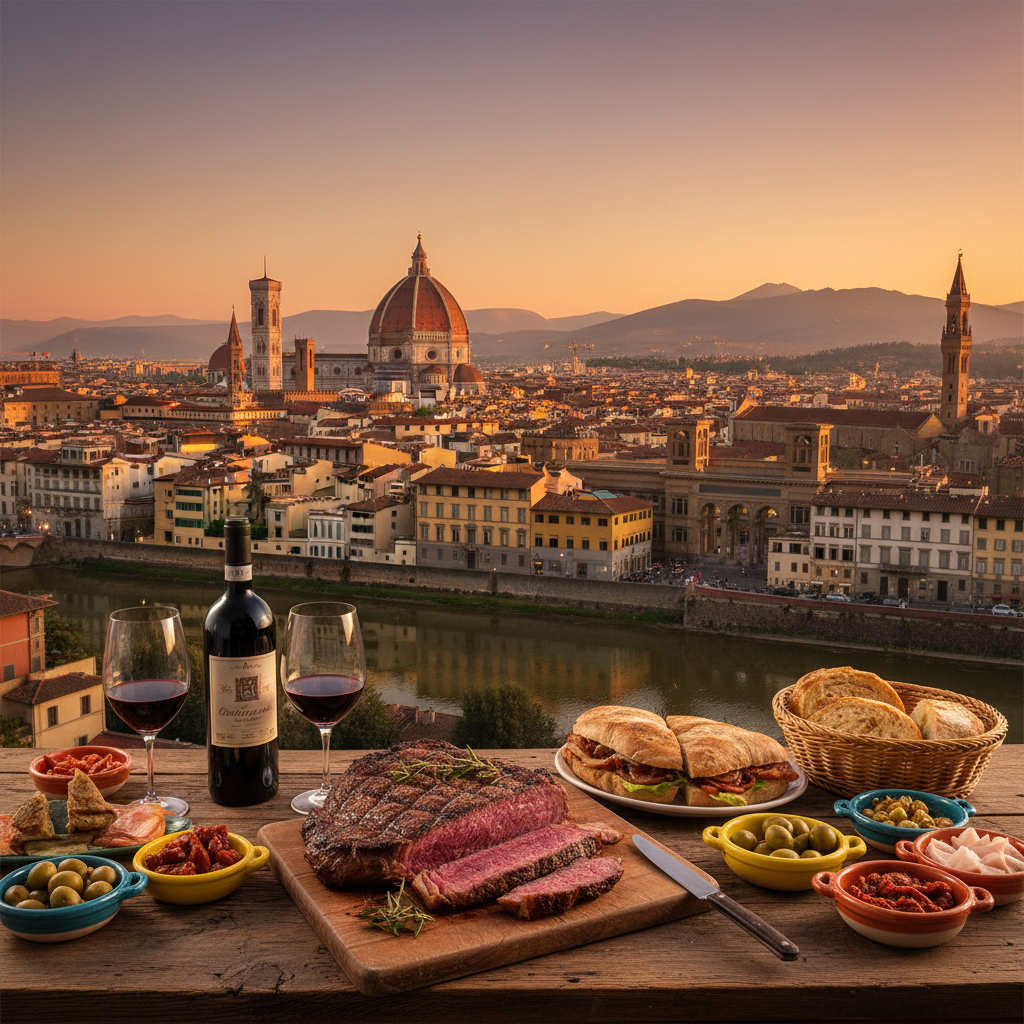
Florence Food & Wine: A 4-Day Culinary Journey Through Tuscany's Capital
Savor Florence in 4 days! Indulge in authentic Tuscan cuisine, from Bistecca alla Fiorentina to lampredotto, with this expert food and wine guide.
- Duration: 4 Days
- Estimated Budget: $800–$1,500
- Best Time to Visit: April-June and September-October for pleasant weather and harvest festivals.
- Destination: Florence, Italy
Florence isn't just a city of art; it's a city that eats, and eats well. This guide peels back the layers of tourist menus to reveal the true Florentine culinary soul, from bustling markets to historic trattorias, ensuring every bite is an authentic taste of Tuscany.
The moment you step into the bustling atmosphere of Piazza della Signoria, you're not just surrounded by historic architecture; you're enveloped in the aroma of rich Tuscan cooking wafting from nearby eateries. This isn't just about sightseeing; it's about savoring every moment, every bite, and every sip that defines this incredible city. From the casual charm of a family-run osteria tucked away on a quiet lane to the elegant sophistication of a wine bar showcasing regional vintages, the city's culinary heart beats strong, inviting you to explore its delicious rhythms. This journey is about tasting the traditions, understanding the ingredients, and experiencing the passion that goes into every dish, making your visit truly unforgettable.,Is it possible to enjoy the city's culinary delights without falling into common tourist traps? Absolutely. The key lies in knowing where locals truly go, understanding the nuances of menu offerings, and embracing the Florentine approach to dining. Many visitors gravitate towards the most visible establishments, but the real magic often happens a few streets away, in places that might not have flashy signs but are packed with regulars. This guide is your compass to those authentic experiences, helping you distinguish between a genuine Tuscan meal and a mere imitation, ensuring your palate is always delighted and your experience remains truly local.,Evenings in Florence for the food and wine enthusiast look like a delightful progression of flavors and experiences. You'll find yourself lingering over an aperitivo with a view of the Arno, perhaps a crisp white wine from the Vernaccia di San Gimignano region, followed by a leisurely dinner at a traditional trattoria where the pasta is handmade and the local Sangiovese flows freely. Later, you might discover a cozy enoteca, sampling obscure regional cheeses paired with robust red wines, engaging in animated conversations with the proprietor. It's a journey from the vibrant street life to intimate dining rooms, all centered around the joy of good food and excellent company, creating memories that linger long after the last bite. <p class="leif-blog-link"><strong>Planning a wine trip?</strong> Read our deep dive: <a href="/blog/wine-destinations-where-the-wine-is-not-the-point-its-the-key">The Wine Destinations Where the Wine Is Not the Point. It's the Key.</a> — covering the Tuscany wine region and five other destinations where wine is the key to the culture.</p>
A Taste of Tradition: San Lorenzo Market & Florentine Steak
Start your Florentine food journey by diving into the bustling Mercato di San Lorenzo, the outdoor market surrounding the Mercato Centrale.
This is where Florentines shop for leather goods, souvenirs, and everyday items. It's a vibrant introduction to the city's street life and commerce.
Head inside the ground floor of Mercato Centrale, the true heart of Florentine food culture, where local vendors sell fresh produce, meats, cheeses, and bread.
This is where the city's chefs and home cooks source their ingredients. You'll see incredible quality and variety, offering a real glimpse into local culinary traditions.
Experience a truly authentic Florentine lunch at Trattoria Mario, a legendary, no-frills spot near the market.
This is a quintessential Florentine experience: communal tables, cash-only, and a daily changing menu of hearty, traditional dishes. It's loud, lively, and utterly delicious.
Indulge in a scoop (or two!) of authentic gelato at Vivoli, one of Florence's oldest and most respected gelaterias.
For generations, Vivoli has been crafting artisanal gelato with natural ingredients. This isn't your average tourist trap; it's a piece of Florentine history and a true treat.
Conclude your day with the ultimate Florentine dining experience: Bistecca alla Fiorentina at Buca Mario.
Buca Mario, established in 1886, is an institution for a reason. They serve perfectly cooked, thick-cut Chianina steak in a historic, atmospheric setting, embodying Florentine culinary heritage.
Leif's Tip: Embrace the 'slow food' philosophy today. Don't rush your meals, savor every bite, and take time to observe the locals. Many Florentine trattorias are cash-only or prefer cash, so have some euros on hand, especially for lunch at Trattoria Mario.
Florence has countless eateries, and knowing which ones offer a truly authentic experience versus those catering solely to tourists can be a real challenge. You'll find yourself wondering if that charming little place on a side street is a hidden gem or just overpriced pasta. The sheer volume of options, from bustling markets to quiet enotecas, can be overwhelming, making it difficult to discern where to invest your precious meal times for the most genuine flavors. Between trying to decipher menus in Italian, navigating different dining customs, and avoiding the dreaded 'coperto' (cover charge) surprises, planning an exceptional food and wine journey here can feel like a full-time job before you even pack your bags. This is precisely where Leif steps in, cutting through the noise to deliver a curated, delicious path.
When you're standing in front of a menu, wondering if the 'Pappa al Pomodoro' is truly homemade or just reheated, Leif has already guided you to a trattoria renowned for its grandmother's recipe, passed down through generations. Say you want to dive deep into Tuscan wines but you're not sure which enoteca offers the most knowledgeable sommelier and the best local selection – Leif will point you to a specific, intimate wine bar where the owner delights in sharing stories behind each bottle. You might be craving a specific seasonal dish, like 'ribollita' in winter, and instead of wandering aimlessly, Leif has already flagged the perfect spot known for its hearty, authentic version, ensuring every culinary desire is met with precision and local insight.
Instead of the common anxiety of choosing a mediocre meal, you'll feel an exhilarating confidence, knowing that every restaurant, every wine bar, and every market stall you visit has been handpicked for its authenticity and quality. Arriving in Florence with Leif means you're not just a visitor; you're an insider, ready to savor the city's culinary soul without a single misstep. You'll taste the difference in every bite, from the perfectly aged pecorino to the robust Chianti, creating a tapestry of flavors that tells the story of Tuscany. This isn't just a trip; it's an epicurean adventure, meticulously planned so you can simply arrive, eat, drink, and delight in the true taste of Italy, leaving you with memories as rich and complex as a fine Sangiovese.
Best Time to Visit Florence, Italy
Late spring (April-May) or early autumn (September-October) for pleasant weather and fewer crowds, perfect for outdoor market strolls and al fresco dining.
September is ideal if you want to try schiacciata con l'uva, the seasonal grape flatbread.
Avoid July and August if possible; it's hot, crowded, and many local restaurants close for Ferragosto.
Winter (November-March) can be charming with fewer tourists, but some smaller businesses might have reduced hours.
Aim for weekdays to experience Mercato Centrale and popular trattorias with a slightly less frenetic pace.
Getting Around Florence, Italy
Florence is incredibly walkable; most key food destinations are within a 20-minute stroll.
Wear comfortable shoes! You'll be doing a lot of walking between trattorias, markets, and wine bars.
Taxis are readily available at designated stands or can be called by your hotel; they're best for late-night returns or if you're tired after a long day of feasting.
Buses are useful for reaching areas slightly outside the city center, but for this food-focused itinerary, you'll mostly be on foot.
Consider a private driver if you plan a day trip to a Chianti vineyard, as driving yourself after wine tasting isn't advisable.
What to Pack
- Comfortable walking shoes – a must for exploring Florence's cobbled streets and food markets.
- Layers of clothing – mornings can be cool, while afternoons warm up, especially when moving between indoor markets and outdoor dining.
- A small, cross-body bag – secure your valuables while navigating busy markets and streets.
- A portable charger – you'll be using your phone for maps, photos, and restaurant research.
- An empty stomach – seriously, come prepared to eat, and leave room for all the deliciousness!
- A reusable water bottle – stay hydrated as you walk and explore; public water fountains (nasoni) are available.
- A light jacket or shawl – for cooler evenings, especially if dining outdoors.
- A small notebook and pen – to jot down names of wines, dishes, or hidden gems you discover.
Money-Saving Tips
- Embrace lunch at a trattoria like Trattoria Mario; you'll get an authentic, hearty meal for a fraction of dinner prices.
- Make Mercato Centrale's ground floor your go-to for fresh produce, cheeses, and cured meats for an impromptu picnic lunch.
- Opt for house wine (vino della casa) at trattorias; it's often excellent, local, and much more affordable than bottled options.
- Stand at the bar for your morning cappuccino and cornetto; sitting down can significantly increase the price.
- Seek out lampredotto carts for a delicious, filling, and incredibly budget-friendly Florentine street food experience.
Local Insights
- Reservations are essential for popular dinner spots, especially for bistecca alla Fiorentina; book well in advance.
- Don't expect speedy service; meals in Florence are meant to be savored. Relax, enjoy the company, and the food.
- It's customary to tip a few euros for good service, but it's not mandatory or expected as it is in some other countries.
- Learn a few basic Italian phrases like 'grazie' (thank you), 'per favore' (please), and 'buongiorno' (good morning); locals appreciate the effort.
- When ordering bistecca, don't ask for it well-done; it's always served rare (al sangue), and asking for it otherwise might raise an eyebrow!
Frequently Asked Questions
What's the best way to experience Florentine street food?
Head to a local food market or a trippaio cart. Don't be shy; ask for a lampredotto sandwich, often served with salsa verde or spicy sauce. It's a true taste of local life and incredibly affordable.
How can I ensure my Bistecca alla Fiorentina is authentic?
Look for restaurants that specify 'Chianina' beef, cooked very rare ('al sangue'), and served in thick cuts, typically a minimum of 1kg. Many reputable trattorias will show you the cut before grilling. Avoid places that offer it well-done.
What's the difference between a trattoria, osteria, and ristorante?
Generally, a trattoria is a more casual, family-run establishment with traditional, regional food. An osteria is similar, often simpler, focusing on wine and local dishes. A ristorante is typically more formal, with a wider menu and higher prices. For authentic Florentine food, trattorias and osterias are often the best bet.
When is the best time to visit for food festivals or seasonal treats?
Autumn (September-November) is fantastic for truffle season, mushroom foraging, and new wine. September also brings 'schiacciata con l'uva' (grape flatbread). Carnival season (February/March) features 'schiacciata alla fiorentina' (orange-scented cake).
Are reservations necessary for dinner?
For popular trattorias, especially on weekends or for larger groups, reservations are highly recommended. Some very traditional places, like Trattoria Mario, don't take reservations and operate on a first-come, first-served, cash-only basis, particularly for lunch.
How do I choose good gelato in Florence?
Seek out 'gelateria artigianale' that make their gelato fresh daily, often using natural ingredients. Avoid places with brightly colored, piled-high gelato, as these often use artificial flavors and preservatives. Look for muted colors and natural fruit flavors.
What local wines should I try besides Chianti Classico?
While Chianti Classico is king, explore other Tuscan wines like Brunello di Montalcino, Vino Nobile di Montepulciano, or a crisp Vernaccia di San Gimignano (white). Many enotecas offer tastings to help you discover new favorites.