Europe with Kids: The Complete Multi-Country Family Planner
Planning a European family vacation? Here's how to build a multi-country Europe itinerary that keeps kids engaged, manages logistics, and creates memories that last a lifetime.
- Duration: 14 Days
- Estimated Budget: $7,000–$14,000
- Best Time to Visit: April–June and September–October for best weather and manageable crowds
- Destination: Europe
Europe with kids is one of the great family travel experiences — but it requires a fundamentally different approach than the backpacker's 'see as many countries as possible' strategy. The families who have the best European trips with kids share one characteristic: they slow down. They pick fewer places, stay longer, and let the experience breathe. The families who have the worst trips try to do too much and spend their vacation on trains and in airports with exhausted, overstimulated children. This guide is built around the slow-down principle.
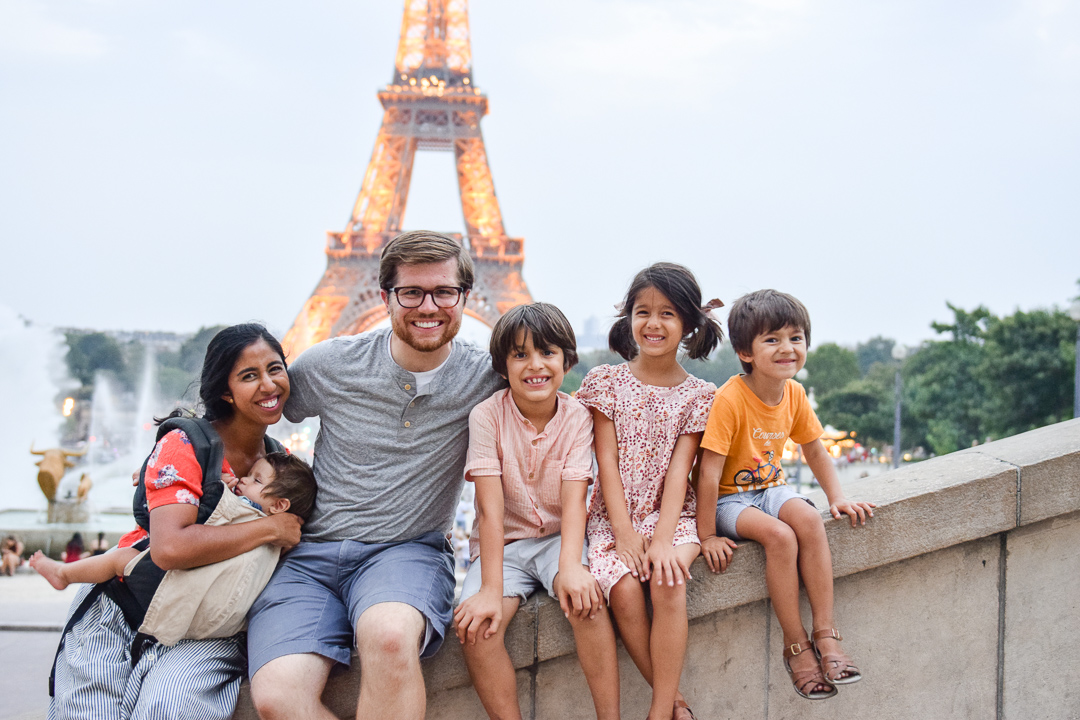
Forget the postcard-perfect image of whirlwind European tours with kids; the real magic of a multi-country family adventure lies in embracing a slower, more intentional pace. Most travelers, especially those with little ones, assume they need to cram as many iconic sights as possible into two weeks, leading to exhaustion and meltdowns. The truth is, Europe with kids isn't about ticking off every landmark; it's about savoring gelato in a Roman piazza, chasing pigeons in Trafalgar Square, or marveling at the Eiffel Tower sparkling at night. The true insider secret is that less is often more, allowing for genuine connection and discovery rather than a blur of hurried transitions and tired tantrums.
**Who this guide is for:** This guide is for adventurous families with children aged 4-12 who dream of experiencing the cultural tapestry of Europe without sacrificing sanity. It's for parents who prioritize shared experiences and lasting memories over exhaustive sightseeing checklists, understanding that travel with kids requires flexibility and a healthy dose of humor. This trip is NOT for families seeking an all-inclusive resort experience, nor is it ideal for those with infants or very young toddlers who require extensive gear and strict nap schedules, as the multi-country transitions, while manageable, still demand a certain level of adaptability.
**What makes this route work for families:** Our 14-day multi-country European route is meticulously designed with family pacing in mind, focusing on a strategic sequence of major cities that are well-connected by efficient, kid-friendly transportation. We start in London, offering a gentle introduction to European culture with familiar language, before transitioning to Paris via the Eurostar, a thrilling train ride that doubles as an activity. The journey then continues to Rome by a comfortable overnight train or short flight, minimizing daytime travel disruption. This sequence allows for 3-4 full days in each major hub, providing ample time to explore at a child's pace, incorporate downtime, and truly immerse yourselves without feeling constantly rushed or spending excessive hours in transit.
The honest logistics: Budgeting for a family trip that includes a visit to the Colosseum requires a realistic outlook; expect to spend anywhere from €8,000 to €15,000+ for a family of four, depending on accommodation choices and activities. The best booking window for flights and popular family-friendly accommodations (like apartments with kitchens) is 6-9 months in advance, especially for summer travel. Key attractions such as the Eiffel Tower, Vatican Museums, and major train tickets (Eurostar, overnight sleepers) absolutely must be booked several months ahead to secure preferred times and avoid disappointment. One honest warning: do not underestimate the power of jet lag and over-scheduling. A common mistake is planning full days immediately upon arrival; build in dedicated rest days and allow for spontaneous changes to avoid burnout for both parents and children.
Arrival in Paris & Eiffel Tower Magic
Arrive at Charles de Gaulle (CDG) Airport, transfer to Le Marais Airbnb, check-in, and unpack.
Settling in comfortably is key after a long flight. Le Marais is charming and central.
Lunch at L'As du Fallafel (34 Rue des Rosiers, 75004 Paris).
Iconic, delicious, and quick falafel perfect for a casual family lunch in Le Marais.
Rest / Nap Window — back at the rental
Essential for little ones (and adults!) to recharge after travel and before more sightseeing.
Eiffel Tower visit (2nd floor).
An absolute must-do in Paris! The views are breathtaking and it's an iconic experience for all ages.
Picnic dinner on the Champ de Mars.
Enjoying the Eiffel Tower sparkle show from the grass is a magical, budget-friendly family experience.
Leif's Tip: For your first day, prioritize booking a direct airport transfer. It removes so much stress after a long flight, especially with young kids and luggage. It's worth the splurge!
Most visitors to Europe with children underestimate the sheer complexity of coordinating multiple countries. It's not just about booking flights; it's understanding the nuances of train travel with luggage and strollers, deciphering local public transport in unfamiliar languages, and knowing which attractions genuinely captivate young minds versus those that lead to meltdowns. You're faced with endless decisions: is a Parisian apartment or a hotel better for your family's sleep schedule? How do you secure those elusive Vatican tickets months in advance, or find a family-friendly restaurant near the Tower of London that isn't a tourist trap? These are the real friction points that turn dream trips into logistical nightmares, and exactly where Leif steps in to smooth every wrinkle, ensuring your focus remains on making memories, not managing minutiae.
Latin Quarter, as your family explores its charming streets, you'll uncover a level of personalized guidance unlike any other. You've received a personalized suggestion for a shaded park nearby for a mid-morning snack break, avoiding the midday heat and crowds, and a recommendation for a gelato shop known for its authentic, allergy-friendly options. Later, Leif provides a clear, step-by-step guide to navigating the local bus system to your evening pasta-making class, complete with visual cues, ensuring no wrong turns or wasted time. This isn't just a list of places; it's a dynamic, responsive companion, anticipating your family's needs and adapting to the rhythm of your adventure, ensuring seamless transitions and enriching experiences.
The aroma of fresh croissants from a local Parisian boulangerie, combined with the distant chime of a church bell, signals the start of another perfectly orchestrated day. You feel a profound sense of calm, knowing every detail, from navigating the London Underground to finding the best playground in Florence, has been thoughtfully considered and integrated into your personal flow. There's no frantic last-minute searching for directions or worrying about missed reservations; instead, you're fully present, watching your children's eyes light up at a street performer in Barcelona or marveling at the sheer scale of the Alps from a train window. This is the freedom of truly experiencing Europe, unburdened by planning, allowing you to simply connect, explore, and create stories that will be retold for generations.
Best Time to Visit Europe
Alright, let's talk timing for your European family adventure. The absolute sweet spot, hands down, is late Spring (May-June) or early Fall (September-October). Think glorious, mild weather – average temperatures hovering around 60-75°F (15-24°C) – perfect for exploring without anyone melting or freezing. You'll dodge the brutal summer crowds, meaning shorter lines for those must-see attractions and more breathing room in popular spots. Plus, prices for flights and accommodation are generally more reasonable than the peak summer season. You might even catch some charming local festivals or harvest celebrations in the fall, adding an extra layer of magic to your trip. It’s the Goldilocks zone for family travel.
If those prime windows don't quite fit, don't despair! Summer (July-August) can still be a fantastic option, especially if school holidays dictate your travel dates. The trade-off? Be prepared for significantly larger crowds, particularly in major cities and popular coastal areas. Temperatures can soar, especially in Southern Europe, often hitting 80-95°F (27-35°C), which can be tough on little ones. Prices also skyrocket during this period for everything from flights to gelato. However, the upside is longer daylight hours, vibrant street life, and a plethora of outdoor events and activities tailored for families. Just be sure to book well in advance and pack plenty of sunscreen and water bottles!
What to avoid? Generally, the dead of winter (November-February) unless you're specifically planning a ski trip or a magical Christmas market tour. Many attractions, especially in smaller towns, might have reduced hours or be closed entirely. Also, the shoulder seasons right before peak summer and after peak fall can be a bit of a gamble with weather – you might hit beautiful days or a string of rainy ones. While there are always exceptions, aiming for the late spring or early fall will give your family the best chance for a comfortable and enjoyable multi-country experience.
Getting Around Europe
When traversing multiple European countries with kids, your primary mode of transport will undoubtedly be trains. Europe's rail network is extensive, efficient, and generally very family-friendly. Consider investing in a Eurail Pass if you plan on covering significant distances across several countries – it can be a cost-effective solution. For individual journeys, use national rail websites (like SNCF in France, Deutsche Bahn in Germany, or Trenitalia in Italy) to book tickets in advance for better prices. Within cities, public transport like metros, trams, and buses are your best friends. Download local transit apps (e.g., Citymapper for many major cities, Google Maps for general navigation) and consider purchasing multi-day passes or city-specific travel cards (like London's Oyster Card or Paris's Navigo Découverte) for convenience and potential savings. Most city transit systems are well-connected and relatively inexpensive.
While trains and public transport cover most bases, there are secondary options to consider. For shorter, inter-city hops or reaching more remote areas not well-served by trains, regional buses can be surprisingly comfortable and budget-friendly. Taxis or ride-sharing apps (Uber, Bolt, Free Now) are excellent for late-night returns to your accommodation or when you're simply too tired to navigate public transport with tired kids. For ultimate flexibility, especially if you plan on exploring rural areas or doing a road trip through a specific region, renting a car can be a great option. Just remember to factor in international driving permits, differing road rules, and the cost of fuel and tolls. Ferries are also fantastic for island hopping (think Greece or Croatia) or crossing bodies of water like the English Channel.
Traveling with kids means thinking about logistics. Strollers are generally manageable on European public transport, though some older metro stations might lack elevators, requiring you to carry them up stairs. Always check for accessibility information beforehand. If renting a car, ensure you pre-book appropriate car seats for your children – laws vary by country. For train travel, consider booking seats with extra luggage space or near the doors for easier access. Many train stations offer luggage storage facilities (often called 'left luggage' or 'consigne') which can be a lifesaver if you have a long layover between connections or want to explore a city hands-free before checking into your next hotel. Packing light is always a good idea, but for families, prioritizing essential comfort items for the kids is key.
What to Pack
- Portable power bank — essential for keeping multiple devices charged (phones for navigation, tablets for kid entertainment) during long travel days on trains or in museums across various European countries.
- Compact, lightweight stroller or baby carrier — navigating cobblestone streets in Rome or crowded metro stations in Paris is much easier with a nimble transport option for younger children, as many historical sites are not stroller-friendly.
- Refillable water bottles — staying hydrated is key, and many European cities offer public water fountains (especially in Italy and France) where you can refill for free, saving money and reducing plastic waste.
- Layered clothing for varying climates — even within a 14-day trip across Europe, you could experience warm Mediterranean sun in Spain and cooler, rainier weather in the UK or Northern Europe, so versatile layers are crucial for all family members.
- Small first-aid kit with children's medication — pharmacies might have different brands or require prescriptions for common over-the-counter remedies, so bring your preferred pain relievers, allergy meds, and band-aids for minor scrapes.
- Entertainment for transit – pack small, quiet toys, coloring books, or pre-downloaded movies/games on tablets to keep kids occupied during train journeys, flights, or restaurant waits, which are inevitable on a multi-country trip.
Money-Saving Tips
- Purchase multi-city train passes like a Eurail or Interrail Pass well in advance (often 2-3 months out) for significant savings, as individual high-speed train tickets bought last-minute can be exorbitant, especially for a family of four where costs can easily exceed 200 Euros per journey.
- Opt for self-catering accommodations like Airbnb or aparthotels with kitchenettes; preparing even just breakfast and a few dinners can save hundreds of Euros over 14 days compared to eating out for every meal, particularly with varying dietary needs of children.
- Look for 'family passes' or 'children go free' deals at attractions; many major museums and historical sites across Europe (e.g., Louvre, British Museum) offer free entry for children under a certain age (often 12 or 18), or discounted family tickets which can be 20-30% cheaper than individual adult tickets.
- Utilize public transport day passes or multi-day travel cards in major cities (e.g., Paris Visite, London Oyster Card) rather than single tickets; a 3-day Paris Visite pass for zones 1-3 can cost around 26 Euros for an adult, saving considerably over 1.90 Euro single tickets for multiple daily rides.
- Pack snacks and drinks from local supermarkets rather than buying them at tourist traps or train stations, where a small bottle of water and a bag of crisps can easily cost 5-7 Euros, whereas a supermarket haul can provide snacks for a full day for the same price.
Local Insights
- Many European restaurants, particularly in Italy and France, do not offer 'kids' menus' as commonly found in North America; instead, children are expected to eat smaller portions of adult dishes, so be prepared to share or order simpler items like pasta or plain chicken.
- Public restrooms in Europe, especially outside of major tourist attractions, often require a small fee (typically 0.50 - 1 Euro) for entry, so always carry small coins, and be aware that changing facilities for babies might be limited or non-existent in older establishments.
- Dining hours in Southern Europe (Spain, Italy) are much later; dinner often starts around 8 PM or 9 PM, which can be challenging with young children, so consider earlier, more casual 'aperitivo' options or look for restaurants catering specifically to families if an early dinner is a must.
- Train stations in Europe can be bustling and confusing, especially with luggage and children; platforms are often only announced 10-15 minutes before departure, so arrive early, check departure boards frequently, and be prepared for quick boarding.
- While English is widely spoken in major tourist hubs, learning a few basic phrases in the local language (e.g., 'hello,' 'thank you,' 'excuse me') in each country you visit will be greatly appreciated and can enhance interactions with locals, especially in smaller towns.
Frequently Asked Questions
What's the best time to visit Europe with kids for a 14-day trip?
For a 14-day multi-country trip with kids, the shoulder seasons (April-May and September-October) are generally ideal. You'll experience pleasant weather, fewer crowds compared to peak summer, and often more affordable flights and accommodations. Summer (June-August) can be very hot and crowded, especially in popular cities, which can be challenging with children. Winter offers charming Christmas markets but also shorter daylight hours and colder temperatures, limiting outdoor activities. Aim for a balance of good weather and manageable crowds for the most enjoyable family experience.
How much should I budget for a 14-day multi-country Europe trip with kids?
A budget of $7,000–$14,000 for a 14-day multi-country European trip with kids is a good starting point. This range allows for comfortable mid-range accommodation, train travel between countries, family-friendly activities, and meals. The lower end might involve more self-catering and budget airlines, while the higher end allows for more sit-down meals, private transfers, and unique experiences. Remember to factor in flights to and from Europe, which can significantly impact your overall cost. Being flexible with your chosen countries can also help manage expenses.
What activities or accommodations should I book in advance when traveling to Europe with kids?
For a smooth family trip, definitely book your major accommodations and inter-country transportation (like high-speed trains) well in advance, especially if traveling during peak season or to popular destinations. For activities, 'skip-the-line' tickets for major attractions like the Eiffel Tower, Colosseum, or Vatican Museums are non-negotiable with kids – waiting in long lines is a recipe for meltdowns. Also, consider booking any specific family-friendly tours or unique experiences that have limited availability. Restaurants generally don't require booking unless it's a very high-end or popular spot.
What's the best way to get around Europe with children on a multi-country trip?
For multi-country travel in Europe with kids, trains are often the best option. They're generally comfortable, offer scenic views, and allow kids to move around more than on a plane. High-speed trains connect major cities efficiently. For shorter distances within cities, public transport like metros and trams are excellent and often an attraction in themselves for kids. Renting a car can be useful for exploring rural areas or specific regions, but navigating city traffic and parking can be challenging. Consider a combination of trains and local public transport for the most flexible and enjoyable experience.
What essential items should I pack for a 14-day Europe trip with kids?
Packing smart is key for a 14-day trip with kids. Essentials include comfortable walking shoes for everyone, layers of clothing (even in summer, evenings can be cool), a lightweight rain jacket, and any necessary medications. Don't forget travel-sized toiletries, a small first-aid kit, and entertainment for travel days (books, small toys, tablets with downloaded content). A reusable water bottle is a must, and a portable charger for devices is always handy. For younger kids, consider a compact stroller or carrier for long days of sightseeing. Pack light, as you'll be moving between locations.
What are common mistakes families make when planning a multi-country Europe trip, and how can we avoid them?
A common mistake is trying to see too much. With kids, a slower pace is always better. Resist the urge to cram too many cities or countries into 14 days. Another pitfall is underestimating travel time between destinations and the need for downtime. Kids need breaks, playgrounds, and unstructured time. Not pre-booking popular attractions is another big one, leading to long queues and frustrated children. Finally, forgetting to involve the kids in some of the planning can lead to disinterest. Let them choose an activity or a museum to visit, giving them ownership of the trip.
Is it feasible to visit both Paris and Rome in a 14-day multi-country trip with kids?
Yes, it's feasible to visit both Paris and Rome within a 14-day multi-country trip with kids, but it requires careful planning and a realistic pace. You'd likely dedicate 4-5 full days to each city, allowing for travel days in between. The best way to travel between them is by a direct flight, which takes about 2 hours, plus airport time. This leaves you with a few extra days for a third, closer destination (perhaps Florence or a smaller French town) or to simply slow down and enjoy Paris and Rome more deeply. Focus on key attractions in each city and build in plenty of breaks and kid-friendly activities.