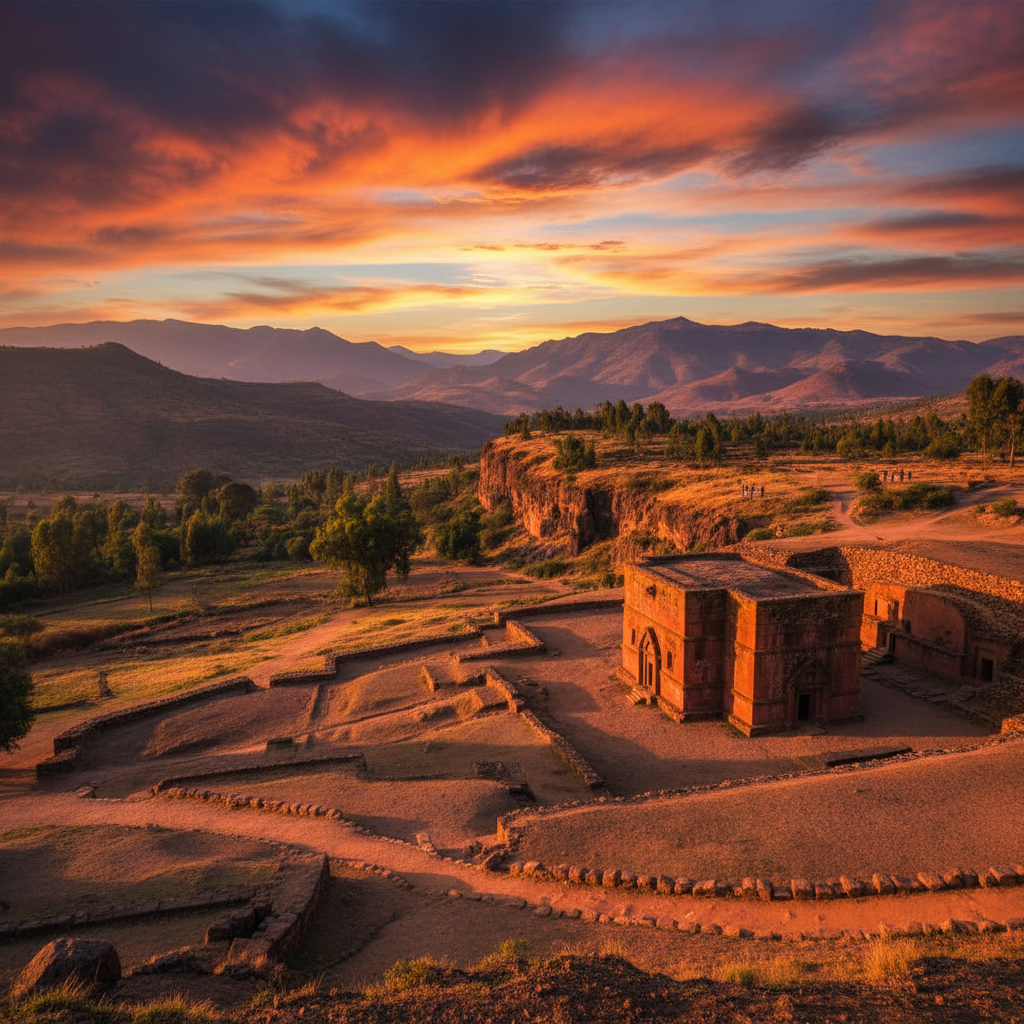
7-Day Ethiopia Adventure: Trekking, Ancient Churches & Wildlife Encounters
Embark on a thrilling 7-day adventure through Ethiopia's historic circuit. Discover ancient rock-hewn churches, trek with gelada baboons, and explore vibrant markets.
- Duration: 7 Days
- Estimated Budget: $2,000–$4,000
- Best Time to Visit: October-February for dry, cooler weather, ideal for trekking.
- Destination: Ethiopia
Ethiopia is calling the intrepid adventurer! This ancient land, often overlooked, offers an unparalleled blend of natural wonders, profound history, and vibrant culture. From the spiritual marvels of Lalibela to the dramatic peaks of the Simien Mountains, this is a journey that promises to challenge, inspire, and leave you with stories for a lifetime.
Prepare for an adventure that will stir your soul and ignite your sense of wonder: a 7-day journey through Ethiopia's historic circuit. This isn't just a trip; it's a deep dive into the cradle of humanity, a land where ancient traditions thrive and breathtaking landscapes unfold at every turn. Imagine standing before the rock-hewn churches of Lalibela, marveling at structures carved from living rock, or exploring the ancient obelisks of Axum, towering testaments to a powerful bygone empire. You'll trace the footsteps of emperors in Gondar's Fasil Ghebbi and experience the vibrant pulse of Addis Ababa, all while savoring the rich flavors of injera and the communal warmth of a traditional coffee ceremony. This itinerary is crafted for the intrepid traveler eager to uncover the profound history and natural beauty of a truly unique destination.
Ethiopia offers an unparalleled blend of cultural immersion and natural splendor, making it a dream destination for those seeking more than just a vacation. From the moment you land in Addis Ababa, the scent of roasting coffee and spices will envelop you, signaling the start of an unforgettable exploration. You'll encounter a living history, where 12th-century churches are still active places of worship and ancient castles whisper tales of bygone eras. The vibrant markets of Harar, with their labyrinthine alleys and ancient city walls, provide a thrilling contrast to the architectural marvels. This journey promises not only incredible sights but also genuine interactions with a resilient and welcoming people, leaving you with memories that will last a lifetime and a profound appreciation for one of Africa's most captivating nations.
This 7-day itinerary is meticulously designed to maximize your experience, balancing iconic historical sites with opportunities for natural exploration and cultural engagement. We've handpicked experiences that offer a true taste of Ethiopia, from the ancient ruins of Aksum to the serene spiritual atmosphere of Lalibela. You'll dine on authentic Ethiopian cuisine, including flavorful tibs and kitfo, and discover the ritualistic beauty of a traditional coffee ceremony. While the pace is adventurous, there's always time to soak in the atmosphere, whether it's watching Ethiopian Orthodox priests in their white robes or simply enjoying the panoramic views from a mountain lodge. Get ready to be captivated by a country that defies expectations and leaves an indelible mark on every traveler who ventures within its borders.
Addis Ababa: Ancient Bones, Holy Sites, and Market Wonders
Begin your Ethiopian adventure at the National Museum of Ethiopia, home to the famous hominid fossil 'Lucy'. Explore archaeological finds and cultural artifacts that tell the story of humanity's origins.
This museum offers a profound journey through Ethiopia's ancient past, showcasing its pivotal role in human evolution. Seeing Lucy up close is a truly humbling and unforgettable experience.
Visit the Holy Trinity Cathedral, a magnificent architectural marvel and the most important Orthodox church in Addis Ababa. It serves as the burial place for Emperor Haile Selassie and other Ethiopian dignitaries.
This cathedral is a spiritual and historical cornerstone of Ethiopia, offering a glimpse into the country's deep-rooted Orthodox Christian traditions. The intricate artwork and stained glass are breathtaking.
Immerse yourself in the chaos and charm of Mercato, Africa's largest open-air market. Wander through labyrinthine alleys filled with everything from spices to electronics.
Mercato is a sensory explosion and a true reflection of daily Ethiopian life, offering an unparalleled cultural immersion. It's the perfect place to witness the vibrant energy of Addis Ababa.
Experience a traditional Ethiopian coffee ceremony, a ritualistic and social event central to Ethiopian culture. Watch as green coffee beans are roasted, ground, and brewed right before your eyes.
This isn't just about coffee; it's a profound cultural experience that embodies Ethiopian hospitality and community. The rich aromas and flavors are an absolute delight.
Savor an authentic Ethiopian dinner, indulging in injera with various tibs and kitfo. Conclude your evening with a taste of tej, a traditional Ethiopian honey wine.
Ethiopian cuisine is a feast for the senses, and this meal offers a perfect introduction to its rich flavors and communal dining style. Tej provides a unique alcoholic beverage experience you won't find elsewhere.
Leif's Tip: Upon arrival at Bole International Airport, arrange for a pre-booked airport transfer through your hotel or a reputable tour operator. This will save you from navigating taxis and ensure a smooth, stress-free start to your Ethiopian adventure.
Navigating the logistics of an adventure through Ethiopia presents unique challenges, from deciphering the best local transport between remote historical sites to understanding the nuances of regional customs and finding reliable guides in less-traveled areas. You're not just booking flights and hotels; you're coordinating intricate movements across diverse landscapes, ensuring cultural sensitivity, and making critical decisions about seasonal weather patterns that can impact access to places like the Danakil Depression or the Bale Mountains. It's a complex puzzle where a single misstep can derail an entire segment of your journey, leaving you scrambling for solutions in unfamiliar territory. This is precisely where Leif steps in, transforming potential headaches into seamless transitions and informed choices.
Mercato is where your expedition truly begins, equipping you not just with gear, but with invaluable local knowledge and peace of mind. You'll know the recommended stops for authentic, safe meals along the route, and receive insights into the local etiquette for interacting with the communities you'll pass through. Instead of wondering if you've chosen the right path or if your equipment is adequate for the trek ahead, you'll be confidently embarking on your expedition, fully prepared and with every detail meticulously considered, allowing you to focus entirely on the breathtaking vistas and the unique wildlife.
The crisp, cool air of the Ethiopian highlands, carrying the scent of juniper and distant woodsmoke, greets you each morning, a stark reminder of the profound adventure unfolding. You feel a deep sense of preparedness and excitement, knowing that every turn in the road, every historical site, and every cultural encounter has been thoughtfully integrated into your journey. There’s no uncertainty about your next move, no wasted time second-guessing directions or searching for reliable information; just the pure, unadulterated thrill of exploration in a land rich with ancient stories and dramatic beauty. This allows you to truly connect with the destination, absorbing its essence without the distractions of logistical worries, fostering an experience that resonates long after you've returned home.
Best Time to Visit Ethiopia
October to February: This is the dry season, offering clear skies and comfortable temperatures, ideal for trekking in the Simien Mountains and exploring historical sites without rain.
Late September: If you want to experience the vibrant Meskel festival (the finding of the True Cross), plan your trip around this time, usually September 26th or 27th.
March to May: Still relatively dry, but temperatures can be hotter, especially in lower altitudes. Good for fewer crowds, but be prepared for warmth.
Avoid June to September: This is the main rainy season, making travel difficult, especially in the mountains, and some roads may be impassable. Blue Nile Falls will be at its most powerful, but access can be tricky.
Getting Around Ethiopia
Domestic Flights: For covering long distances between Addis Ababa, Lalibela, and Gondar, domestic flights are essential. Ethiopian Airlines is reliable; book in advance for better prices.
Private Car with Driver: For exploring regions like the Simien Mountains or day trips from Gondar, hiring a private 4x4 with an experienced driver is highly recommended for comfort and safety.
Bajajs (Tuk-Tuks) and Taxis: Within cities like Lalibela and Gondar, bajajs are a convenient and affordable way to get around. Always agree on the price before starting your journey.
Walking: Many historical sites, especially in Lalibela and Gondar, are best explored on foot. Wear comfortable shoes and be prepared for uneven terrain.
Always confirm transportation details and prices with your guide or hotel before setting out.
What to Pack
- Layered Clothing: Mornings and evenings can be cool, especially in the highlands, while days are warm. Pack light, breathable layers.
- Sturdy Hiking Boots: Essential for the Simien Mountains and navigating the ancient churches of Lalibela and Gondar.
- Sun Protection: Hat, sunglasses, and high-SPF sunscreen are crucial due to Ethiopia's high altitude and strong sun.
- Water Purification Tablets/Filter Bottle: While bottled water is available, having a backup for safe drinking water is always a good idea, especially during treks.
- Headlamp or Flashlight: Useful for exploring dimly lit churches and for power outages, which can occur.
- Modest Clothing: When visiting religious sites, shoulders and knees should be covered for both men and women. A scarf is useful for women to cover their heads.
- First-Aid Kit: Include basics like pain relievers, anti-diarrhea medication, blister treatment, and any personal prescriptions.
- Small Backpack: For day trips, carrying water, snacks, and extra layers.
Money-Saving Tips
- Negotiate Prices: For local taxis, bajajs, and market purchases, polite negotiation is expected and can save you money.
- Eat Local: Stick to local restaurants and street food (where safe) for delicious and inexpensive meals. Injera with tibs or shiro is always a good bet.
- Book Domestic Flights in Advance: Ethiopian Airlines offers significant discounts on domestic flights if you've flown internationally with them. Book early for the best deals.
- Limit Souvenir Shopping: While the Mercato is fascinating, resist impulse buys. Consider purchasing a few meaningful items rather than many trinkets.
- Carry Small Denominations: Having smaller Ethiopian Birr notes makes transactions easier and helps avoid overpaying when vendors don't have change.
Local Insights
- Learn a Few Amharic Phrases: Even a simple 'Ameseginalehu' (thank you) or 'Selam' (hello) will be greatly appreciated and open doors to warmer interactions.
- Embrace the Coffee Ceremony: If offered, always accept. It's a beautiful, social ritual and a cornerstone of Ethiopian hospitality. Don't rush it.
- Respect Religious Customs: Ethiopia is a deeply religious country. Dress modestly, especially at holy sites, and be mindful of local customs, like removing shoes before entering churches.
- Be Prepared for Attention: Especially outside of Addis Ababa, you might attract attention as a foreigner. A friendly smile and polite demeanor go a long way.
- Try Tej: This traditional honey wine is unique to Ethiopia and a must-try. Be aware it can be quite potent!
- Understand 'Ethiopian Time': Things often run on a more relaxed schedule. Patience is a virtue, and flexibility will enhance your experience.
Frequently Asked Questions
What is the best time of year to visit Ethiopia for this itinerary?
The best time to visit Ethiopia for this historic circuit and trekking in the Simien Mountains is during the dry season, from October to May. The weather is generally pleasant, and the roads are more accessible, especially for reaching remote sites like Lalibela and the Simiens. November to February offers cooler temperatures, which are ideal for hiking.
Do I need a visa to enter Ethiopia?
Yes, most foreign nationals require a visa to enter Ethiopia. You can often obtain an e-visa online before your trip, which is generally the most convenient option. Always check the latest visa requirements for your nationality well in advance of your travel dates.
What kind of clothing should I pack for this trip?
Pack lightweight, breathable clothing for the warmer lowlands and layers for the cooler evenings and high-altitude areas like the Simien Mountains. Modest attire (shoulders and knees covered) is essential for visiting religious sites. Comfortable walking shoes are a must, especially for Lalibela and the Simiens. Don't forget rain gear if traveling during the shoulder seasons.
Is it safe to travel to Ethiopia?
Ethiopia is generally safe for tourists, particularly along the well-traveled historic circuit. However, like any travel destination, it's wise to exercise caution, be aware of your surroundings, and follow local advice. Avoid displaying valuables, and be mindful of petty crime in crowded areas like Mercato. Always check current travel advisories from your government before departure.
What is the local currency, and should I bring cash?
The local currency is the Ethiopian Birr (ETB). While some hotels and larger establishments in Addis Ababa accept credit cards, cash is essential for most purchases, especially outside the capital, for market vendors, small restaurants, and tips. ATMs are available in major cities, but it's always good to have a supply of smaller denominations of Birr.
What should I know about the Ethiopian coffee ceremony?
The Ethiopian coffee ceremony is a beautiful, integral part of the culture and a must-experience. It's a long, ritualistic process involving roasting green coffee beans, grinding them, and brewing the coffee in a traditional jebena. It's a sign of hospitality and often accompanied by popcorn or traditional bread. Be prepared to sit, relax, and savor the experience; it's not a quick grab-and-go coffee.
Is the Blue Nile Falls day trip worth it, and how long does it take?
The Blue Nile Falls (Tis Abay) day trip from Bahir Dar (which would require an extra day or a very rushed schedule on this itinerary) is absolutely worth it for its natural beauty and the scenic walk to reach them. The journey from Bahir Dar typically takes a few hours round trip, plus time for the hike and viewing the falls. While impressive, remember that the volume of water can vary significantly depending on the season and dam operations.