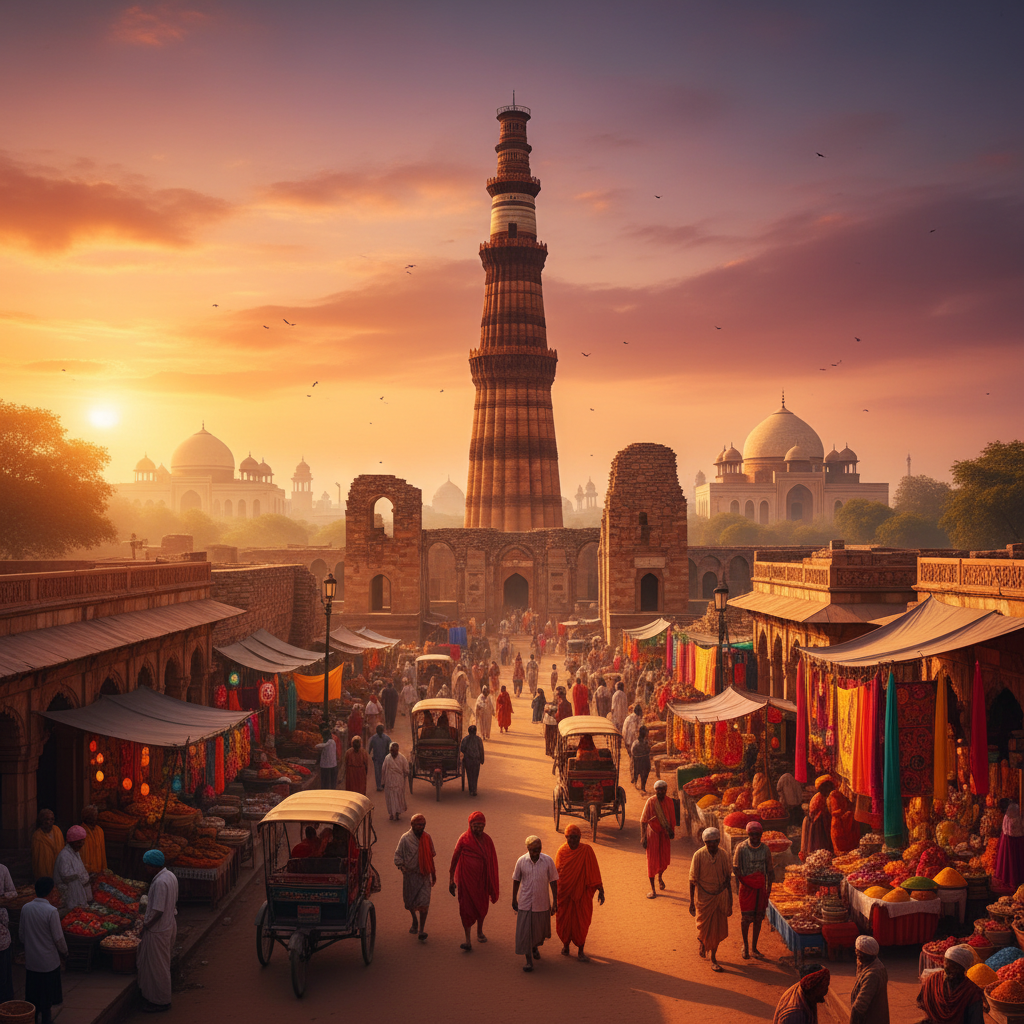
4-Day Delhi Culture Trip: Immerse Yourself in India's Rich Heritage
Uncover Delhi's vibrant soul on this 4-day culture trip. Explore ancient monuments, bustling bazaars, and spiritual sites for an unforgettable Indian adventure.
- Duration: 4 Days
- Estimated Budget: $400–$900
- Best Time to Visit: October-March for pleasant weather and clear skies.
- Destination: Delhi, India
Delhi is a living museum, a city where every corner whispers tales of empires past and vibrant traditions. For the culture enthusiast, it's an unparalleled journey into India's heart, offering a kaleidoscope of history, spirituality, and everyday life that will captivate your senses and enrich your soul. Now is the perfect time to delve deep into its fascinating layers.
Wander through Old Delhi's labyrinthine alleys, and you'll find yourself in its ancient heart a city where ancient empires whisper from crumbling minarets and vibrant street life pulses with an energy that’s utterly infectious. This isn't just a destination; it's a living museum, a sensory explosion that will ignite your curiosity and leave an indelible mark on your soul. From the labyrinthine alleys of Old Delhi, where the aroma of spices hangs heavy in the air and rickshaws weave through bustling markets, to the grand, tree-lined boulevards of New Delhi, showcasing colonial grandeur and modern ambition, every corner tells a story. This guide is your key to unlocking the cultural heart of India's sprawling capital, focusing on the historical depth, artistic traditions, and culinary delights that define this extraordinary city.
Delhi offers an unparalleled cultural immersion for those eager to delve into India's rich heritage. Imagine starting your day exploring the architectural marvels of Humayun's Tomb, a precursor to the Taj Mahal, its serene gardens offering a peaceful escape from the city's hustle. Then, picture yourself navigating the vibrant chaos of Chandni Chowk, sampling legendary street food like parathas and jalebis, or marveling at the intricate carvings of the Jama Masjid, one of India's largest mosques. This journey isn't just about sightseeing; it's about connecting with the stories etched into every stone, understanding the traditions passed down through generations, and experiencing the profound spiritual undercurrent that permeates daily life. Get ready to engage all your senses and truly live the Delhi experience.
Beyond the iconic landmarks, Delhi's cultural tapestry is woven with countless hidden gems and authentic experiences waiting to be discovered. We'll guide you to the best spots for traditional Indian crafts, help you uncover the rich history behind each monument, and introduce you to the flavors that define Delhi's culinary landscape, from sophisticated dining to the most beloved street food stalls. This itinerary is crafted for the discerning culture seeker, ensuring you don't just see Delhi, but truly feel its pulse. Prepare for a journey that will challenge your perceptions, expand your understanding, and leave you with a profound appreciation for India's incredible heritage, setting the perfect stage for further exploration, perhaps even into the Golden Triangle.
Stepping Back in Time: Old Delhi's Grandeur and Flavors
Begin your Delhi cultural immersion with a visit to the magnificent Jama Masjid, one of India's largest mosques.
Its sheer scale and intricate Mughal architecture are breathtaking, offering a serene escape and a glimpse into India's rich Islamic heritage. Climbing the minaret provides unparalleled panoramic views of Old Delhi.
Dive into the chaotic and vibrant lanes of Chandni Chowk, Old Delhi's historic market, right after Jama Masjid.
This bustling bazaar is a sensory overload in the best way, offering everything from traditional Indian attire to delicious street food. It's the heart and soul of Old Delhi, a living museum of commerce and culture.
Explore the majestic Red Fort, a UNESCO World Heritage site and a symbol of India's rich Mughal past.
This iconic fortress served as the main residence of the Mughal emperors for nearly 200 years. Its impressive red sandstone walls and intricate palaces tell tales of power, art, and history.
Experience a traditional rickshaw ride through the winding streets of Old Delhi, soaking in the local life.
It's the most authentic and immersive way to witness the daily rhythm and vibrant chaos of this historic district. You'll see hidden corners and local interactions you'd miss on foot.
Conclude your day with a visit to Gurudwara Sis Ganj Sahib, a significant Sikh temple in Chandni Chowk.
This beautiful gurudwara offers a profound sense of peace and community, regardless of your faith. Witnessing the langar (community kitchen) in action is a truly humbling experience.
Leif's Tip: Delhi's traffic can be intense, especially in Old Delhi. Start your day early to beat the crowds and heat, and don't be afraid to use ride-sharing apps like Uber or Ola for longer distances. Embrace the chaos, and you'll find the magic.
Navigating Delhi's sprawling cultural landscape without a clear plan often means missing out on its most profound experiences. Deciphering the myriad historical sites, understanding the nuances of local etiquette, or finding authentic craft markets away from the main tourist drag can be daunting. You might find yourself overwhelmed by the sheer scale of the city, struggling with transport options between ancient ruins and vibrant bazaars, or wondering which street food stalls are truly safe and celebrated by locals. This is where Leif becomes your essential guide, cutting through the complexity to reveal the city's true cultural heart, ensuring you spend your time engaging with its rich heritage, not just figuring out logistics.
Jama Masjid, an architectural marvel and spiritual hub, sets the tone for your Delhi adventure, promising deep dives into local life. You'll know the best route to take, the ideal time to visit to avoid crowds, and even receive suggestions for a traditional lunch spot known for its regional specialties. Leif anticipates your needs, providing context for each historical site and suggesting opportunities for genuine cultural exchange, transforming potential confusion into seamless exploration.
The aroma of freshly baked naan and simmering curries, mingled with the scent of marigolds, greets you as you confidently step into a local eatery, recommended by Leif, knowing you're about to savor authentic Delhi flavors. This isn't just about seeing monuments; it's about feeling the rhythm of the city, understanding its stories, and connecting with its people. With Leif, you arrive not as a bewildered tourist, but as an informed explorer, ready to embrace every intricate detail of Delhi's vibrant cultural tapestry, leaving you with a deep appreciation for India's incredible heritage.
Best Time to Visit Delhi, India
October to March is ideal; the weather is pleasant and comfortable for sightseeing.
Avoid May to July; it's scorching hot and monsoon season follows, making outdoor activities challenging.
November to February offers cool, dry weather, perfect for exploring historical sites.
Early March can be lovely, with blooming gardens and comfortable temperatures before the summer heat sets in.
Getting Around Delhi, India
Utilize the Delhi Metro for efficient and air-conditioned travel between major attractions; it's clean and safe.
For shorter distances or within Old Delhi, auto-rickshaws are fun but always negotiate the fare before starting your ride.
Consider ride-sharing apps like Uber or Ola for reliable and metered taxis, especially for late-night travel.
Avoid traveling during peak rush hours (8-10 AM and 5-7 PM) if possible, as traffic can be intense.
What to Pack
- Lightweight, breathable clothing (cotton or linen) for comfort in the warm climate.
- A light shawl or scarf for women to cover shoulders and head when visiting religious sites.
- Comfortable walking shoes; you'll be doing a lot of exploring on foot.
- Sunscreen, sunglasses, and a wide-brimmed hat to protect against the strong sun.
- A reusable water bottle to stay hydrated, especially when out and about.
- Hand sanitizer and wet wipes for quick clean-ups, particularly after street food.
- A portable power bank for your phone; you'll be taking lots of photos and using maps.
- A small backpack or cross-body bag to keep your valuables secure and easily accessible.
Money-Saving Tips
- Embrace street food from reputable vendors; it's delicious and incredibly budget-friendly compared to restaurants.
- Bargain respectfully at local markets like Chandni Chowk; it's expected and can save you a significant amount.
- Purchase a Delhi Metro Tourist Card for unlimited rides over 1 or 3 days, saving you money on individual tickets.
- Look for combo tickets when visiting multiple historical sites under the Archaeological Survey of India (ASI) to save on entry fees.
- Opt for guesthouses or boutique hotels in areas like Karol Bagh or Paharganj for good value accommodation.
Local Insights
- Always remove your shoes before entering temples, mosques, or gurdwaras; look for designated shoe-keeping areas.
- Be prepared for sensory overload in Old Delhi; embrace the sights, sounds, and smells, but stay aware of your surroundings.
- When offered chai, accept it; it's a gesture of hospitality and a delightful cultural experience.
- Learn a few basic Hindi phrases like 'Namaste' (hello) and 'Dhanyawad' (thank you); locals appreciate the effort.
- Be mindful of personal space, especially in crowded areas; Delhi can be very densely populated.
Frequently Asked Questions
What's the best way to get around Delhi for a cultural trip?
For a truly immersive cultural experience, a mix of transportation is ideal. The Delhi Metro is efficient and excellent for covering longer distances between New Delhi attractions. For Old Delhi, nothing beats a cycle-rickshaw ride through the narrow lanes; it's an experience in itself! For specific destinations like Qutub Minar or Humayun's Tomb, ride-sharing apps like Uber or Ola are convenient and affordable. Avoid driving yourself, as traffic can be overwhelming.
Is Delhi safe for tourists, especially when exploring cultural sites?
Delhi is generally safe for tourists, but like any large city, it's wise to be aware of your surroundings, especially in crowded areas like markets or at night. Keep your valuables secure, be cautious of pickpockets, and avoid walking alone in poorly lit areas after dark. When visiting religious sites, dress modestly. Using reputable transportation and being mindful of local customs will ensure a smooth and enjoyable cultural exploration.
What should I wear when visiting religious sites like Jama Masjid or Akshardham Temple?
Modest dress is essential for visiting religious sites in Delhi. This means covering your shoulders and knees. For women, carrying a scarf to cover your head is also advisable, especially at mosques and gurdwaras. Loose-fitting, comfortable clothing made from breathable fabrics like cotton is best, as Delhi can be quite warm. Some sites may offer wraps or shawls for rent if you're not appropriately dressed.
How can I best experience the street food culture in a safe way?
Delhi's street food is a cultural highlight! To enjoy it safely, stick to popular stalls with high turnover, as this indicates fresh ingredients. Look for vendors who cook food fresh in front of you and use bottled water for drinks. Start with well-known dishes like chaat, parathas, or jalebis. Consider a guided street food tour; a local expert can lead you to the best and safest spots, ensuring a delicious and worry-free culinary adventure.
What's the difference between Old Delhi and New Delhi culturally?
Culturally, Old Delhi and New Delhi are worlds apart. Old Delhi, the historic walled city, is a vibrant tapestry of Mughal-era architecture, bustling bazaars, and traditional life. It's chaotic, sensory-rich, and deeply traditional. New Delhi, in contrast, was designed by the British, featuring wide avenues, grand government buildings, and more modern infrastructure. It represents a more contemporary, colonial, and administrative side of India, with spacious parks and upscale dining. Visiting both offers a complete cultural picture.
Do I need to bargain in markets like Chandni Chowk?
Absolutely! Bargaining is a fundamental part of the shopping experience in markets like Chandni Chowk. It's expected and often a friendly negotiation. Start by offering about 50-60% of the initial quoted price and work your way up. Be polite, smile, and be prepared to walk away if you don't get a price you're comfortable with; often, the vendor will call you back. It's all part of the cultural exchange!
Is Delhi a good gateway for the Golden Triangle tour?
Yes, Delhi is the perfect gateway for the Golden Triangle tour (Delhi, Agra, Jaipur). Its excellent international airport (DEL) makes it the most convenient entry point. You can easily spend a few days immersing yourself in Delhi's rich culture before heading to Agra to see the Taj Mahal, and then on to the vibrant Pink City of Jaipur. Most Golden Triangle tours begin and end in Delhi, making it a natural starting and finishing line for your cultural exploration of North India.